



How fast do tectonic plates move?
Tectonic plates move roughly at the same rate that your fingernails grow. However, individual tectonic plates move at different speeds and in different directions. We can measure crustal motion using satellite-based Global Positioning Systems (GPS) that measure within a fraction of a millimeter per year.
We can also estimate velocities over the span of geologic time using rocks in ocean floors that preserve records of Earth’s magnetic reversals. If scientists know the approximate duration of the reversal, they can calculate the average rate of plate movement during a given time span.
The USGS map This Dynamic Planet uses data from Rice University's Global Tectonics program to show average plate motion and direction with arrows. The university also has a plate motion calculator that gives the rate of movement and direction for any latitude/longitude point.
Learn More:
Related
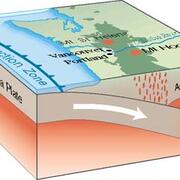
Are the tectonic plates floating on magma? Are the tectonic plates floating on magma?
Earth’s tectonic plates rest upon the asthenosphere, the upper layer of Earth’s mantle. Over short timescales, the mantle behaves like a solid. If you could reach down and grab a handful of mantle rock it would be just that; solid rock. However, over long geologic timescales the mantle can behave like a thick liquid that slowly flows at about the same rate that fingernails grow. Magma does exist...
Related
Are the tectonic plates floating on magma? Are the tectonic plates floating on magma?
Earth’s tectonic plates rest upon the asthenosphere, the upper layer of Earth’s mantle. Over short timescales, the mantle behaves like a solid. If you could reach down and grab a handful of mantle rock it would be just that; solid rock. However, over long geologic timescales the mantle can behave like a thick liquid that slowly flows at about the same rate that fingernails grow. Magma does exist...