



Savannah sparrow


Detailed Description
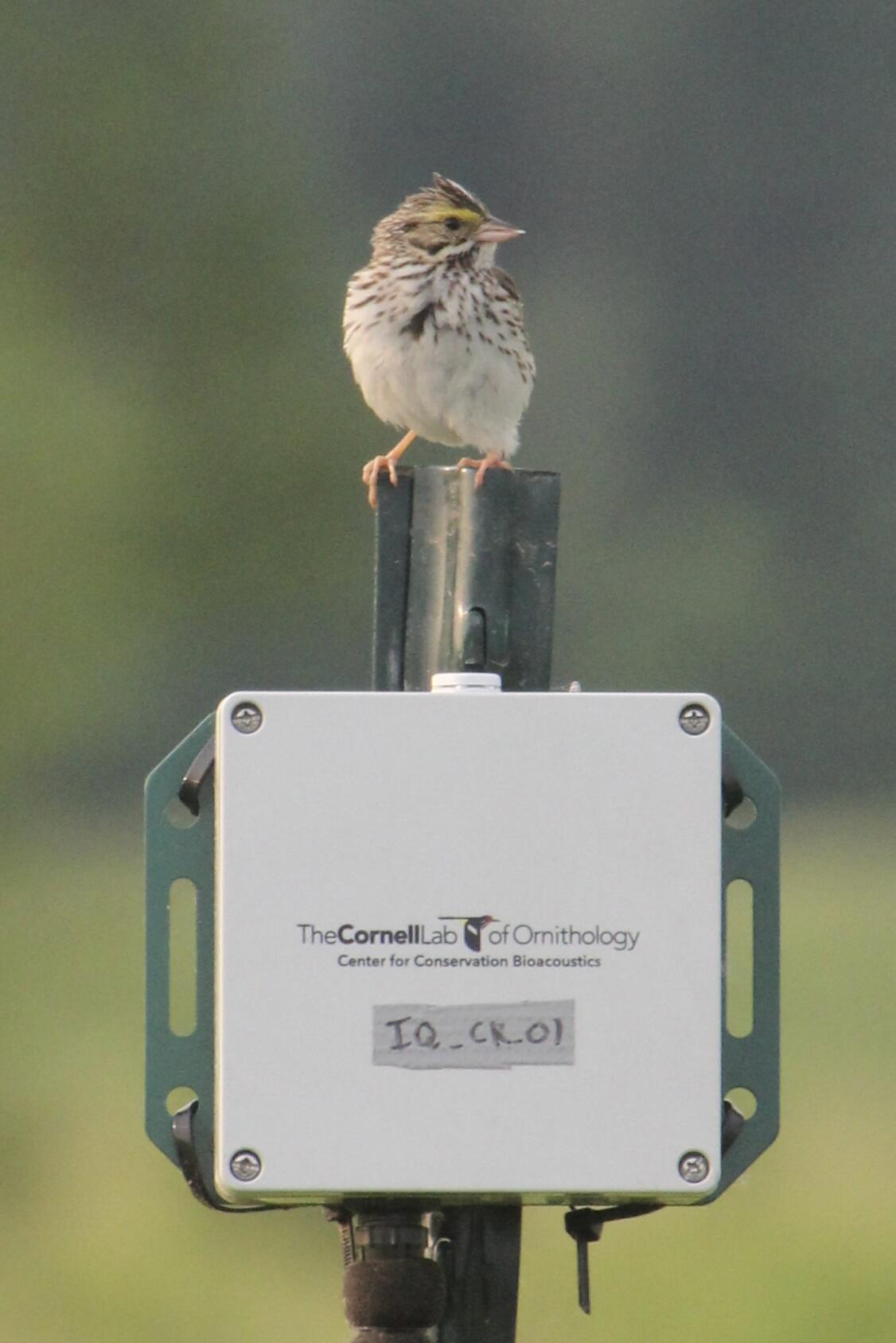
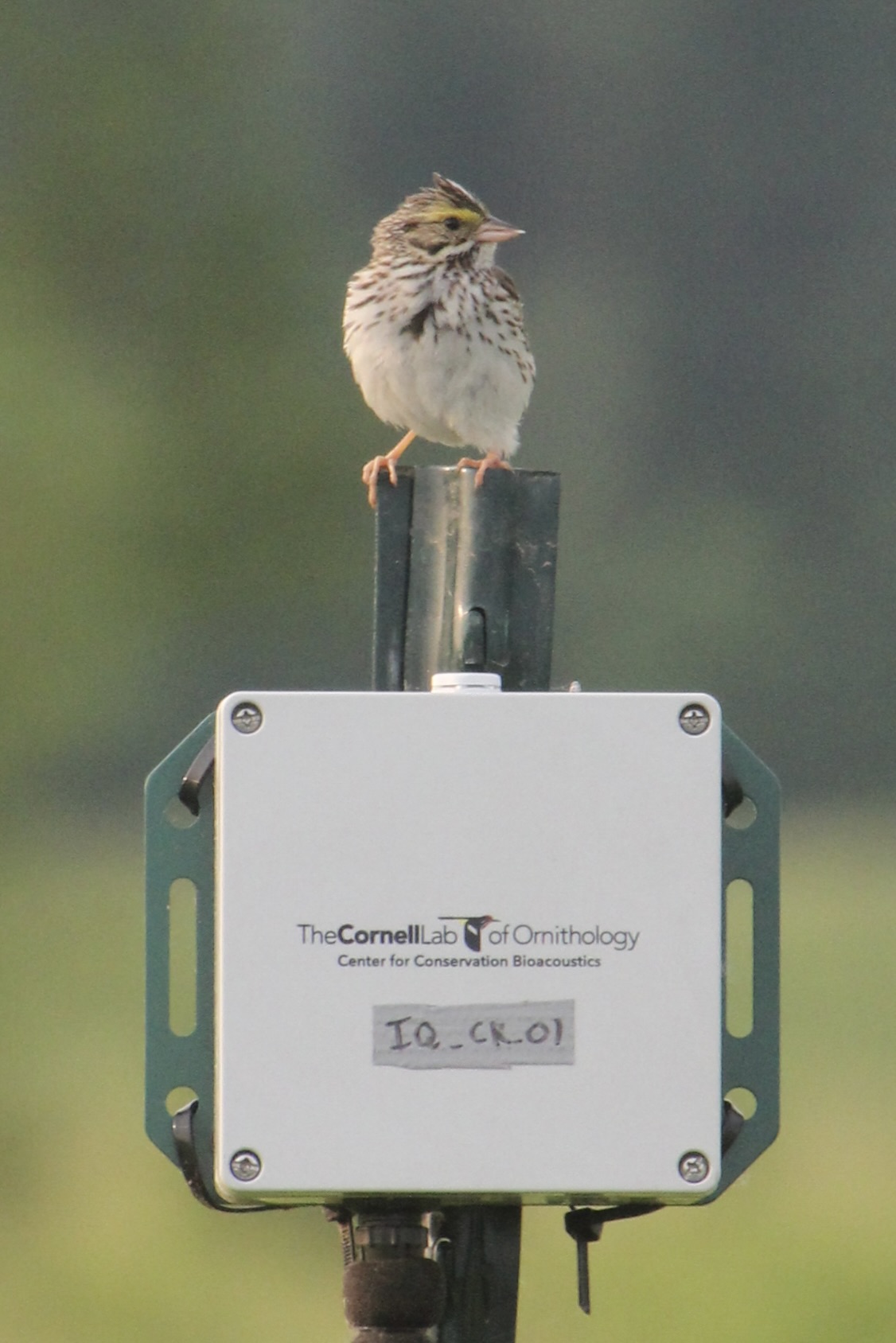
Savannah sparrow perched on a sign. Our cutting-edge, ongoing research may accelerate domestic energy production by providing managers and industry vital information for solar-energy siting in the Northeast U.S. Good sites for solar energy, including agriculture lands like hayfields and pas, provide nesting habitat for grasslands birds. Grassland birds are facing declines due to land-use change and habitat loss. Given the potential overlap of grassland bird habitat and current siting trends for solar energy in the Northeast, it is important to consider the overlap between grassland bird habitat and solar energy siting. Industry leaders and wildlife managers need more data and information on how these projects may impact grassland birds, including through potential displacement and altered patch dynamics, and how grassland birds may interact with solar facilities. The success of our program lies in our partnerships! USGS researchers at the New York Cooperative Fish and Wildlife Research Unit at Cornell University are working with the New York State Department of Environmental Conservation, State University of New York Brockport, the Cornell Lab of Ornithology, the U.S. Fish and Wildlife Service, and renewable-energy industry leaders.
Sources/Usage
Public Domain.
USGS, New York Cooperative Fish and Wildlife Research Unit