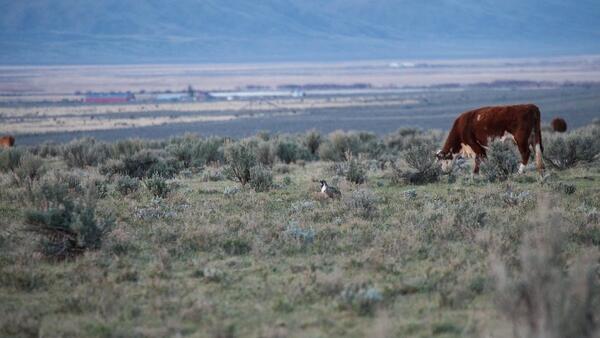
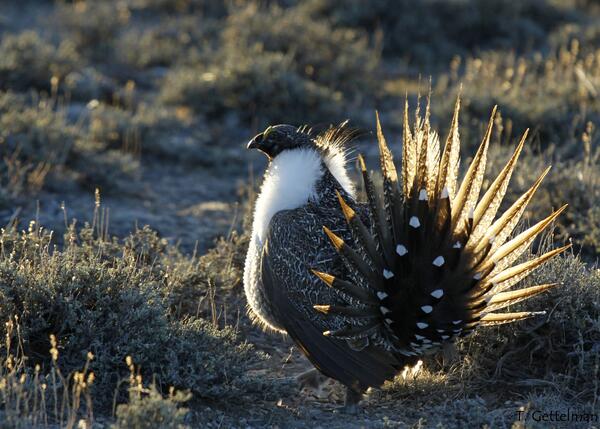
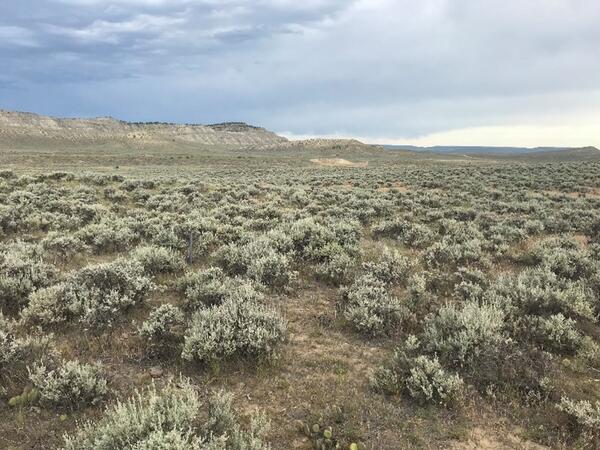
A USGS led team at the Idaho Cooperative Research Unit studied effects of cattle grazing on greater sage-grouse demographic traits. Sage-grouse were widespread in western North America’s sagebrush-grassland ecosystems; populations have declined since the 1960s. Results of a 10-year experimental study are provided to assist partners in development of science-based, grouse-friendly grazing plans.
Greater sage-grouse were once widespread in western North America
Greater sage-grouse were once widespread within sagebrush-grassland ecosystems of western North America, but populations have declined since the mid-1960s.
Sage grouse populations
Though sage-grouse were not listed as threatened or endangered under the Endangered Species Act (ESA), when examined in 2015, they remain a species of interest and concern

Bureau of Land Management and U.S. Forest Service
Roughly half of the sage-grouse’s remaining habitat is on federal land, most of it managed by the Bureau of Land Management and the U.S. Forest Service.
Livestock grazing is the most extensive land use within sage-grouse habitat and the effects of livestock grazing on sage-grouse are often debated.
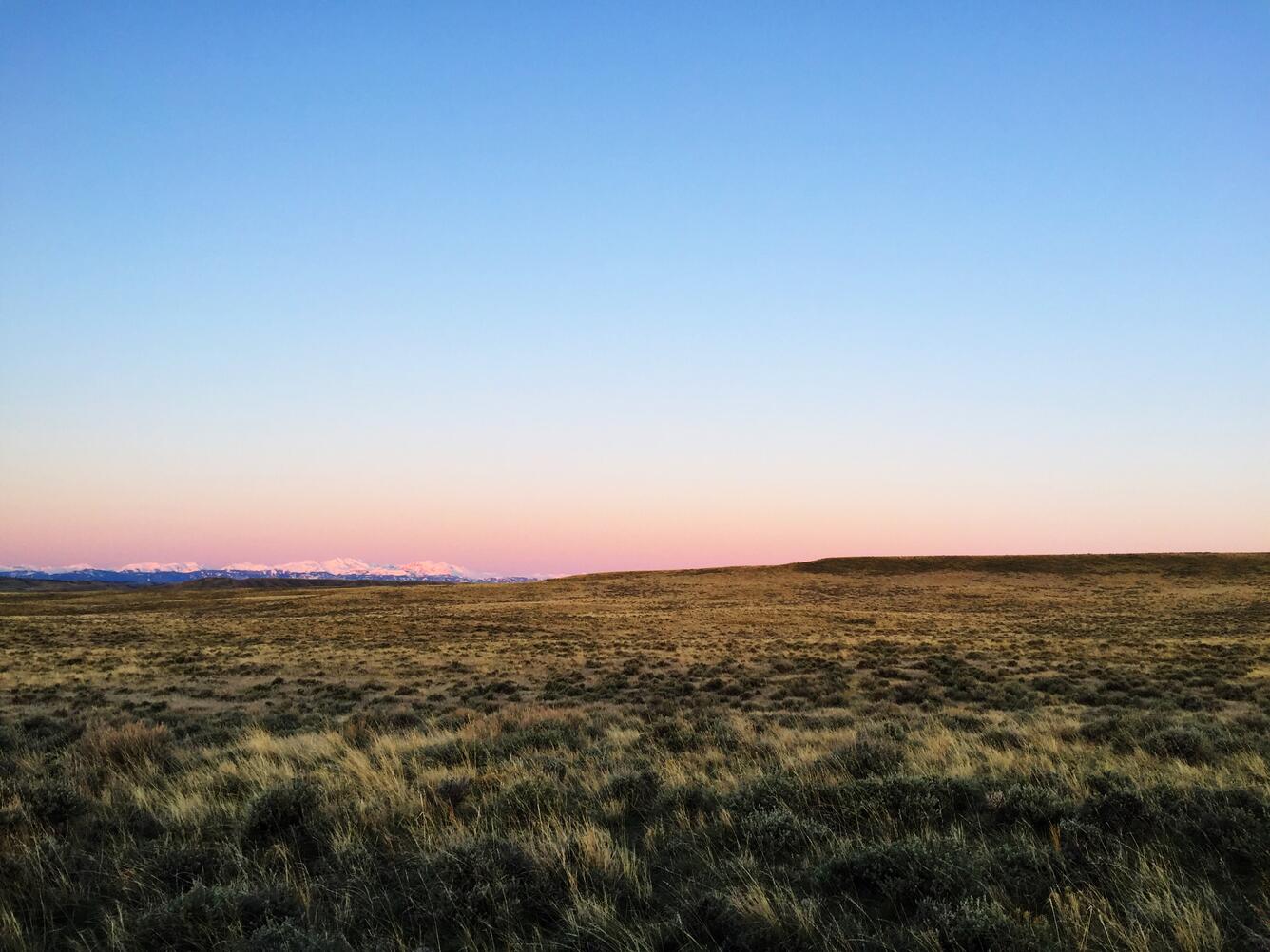
The Grouse and Grazing Project
The Grouse and Grazing Project is now beginning the process of analyzing all the data collected over the previous 10 years and hope to put a final report together and begin publishing results in 2024.
The Grouse and Grazing Project
Sagebrush and sage grouse
Idaho grouse and grazing project started with several partners
The Idaho Grouse & Grazing Project was started with several partners, including the University of Idaho, Bureau of Land Management, U.S. Forest Service, U.S. Fish and Wildlife Service, Idaho Department of Fish and Game, and other partners, to evaluate the effects of cattle grazing on sage-grouse vital rates. Many additional supporters have provided resources to this research effort, including the Public Lands Council, Idaho Cattle Association, Idaho Governor’s Office of Species Conservation, Western Association of Fish & Wildlife Agencies, and numerous grazing associations and ranchers in Idaho.
The Grouse and Grazing Project
Publications
Idaho grouse and grazing project
The project was started with several partners, including the University of Idaho, Bureau of Land Management, U.S. Forest Service, U.S. Fish and Wildlife Service, Idaho Department of Fish and Game, and other partners, to evaluate the effects of cattle grazing on sage-grouse vital rates.
Related Information
-
The Grouse & Grazing Project: Effects of cattle grazing on demographic traits of greater sage-grouse The Grouse & Grazing Project: Effects of cattle grazing on demographic traits of greater sage-grouse
Greater sage-grouse (Centrocercus urophasianus) were once widespread within sagebrush -grassland ecosystems of western North America, but populations have declined since the mid-1960s. Though sage-grouse were not listed as threatened or endangered under the Endangered Species Act (ESA), when examined in 2015, they remain a species of interest and concern. Roughly half of the sage-grouse...
Publications
University of Idaho
Idaho Dept of Fish and Game
Public Lands Council