



USGS researchers at the Mississippi Cooperative Fish and Wildlife Research Unit are working with the Texas Parks & Wildlife Department (TPWD) and volunteer anglers to explore a one-of-a-kind fisheries database. TPWD manages an online tool that collects statistics on large black bass that weigh over 8 pounds. The first steps in this partnership have focused on estimating habitat and recruitment.
This story was originally published in the Wildlife Management Institute Outdoors News Bulletin on August 15, 2025.
Although there has been a lot of research on black bass, large fish, or “lunkers”, have not received much attention. These bigger fish are rare and hard to sample using standard surveys. This is a concern because relying on incomplete or biased data could lead to management decisions that favor smaller, more easily sampled fish. As apex predators, large black bass have a major influence on the organization of aquatic communities, but are also more susceptible to exploitation. Understanding the ecology of large bass informs effective fishery conservation strategies.
Citizen Science
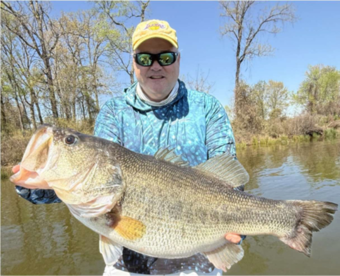
The Mississippi Unit is leveraging the vast numbers and widespread presence of Texas anglers, as well as TPWD’s online tool, to collect statistics on lunkers that weigh over 8 pounds. Volunteer anglers upload photos of their catch and answer an online questionnaire. These data allow assessment of the maximum sizes of fish and other factors often overlooked by standard monitoring, including fish habitat use, depth distributions, feeding habits, and survival rates. This type of citizen science provides managers a cost-effective way to supplement standard data sets, such as creel surveys and electrofishing, which are often costly, time-consuming, and limited in scope and timing.
Between 2018 and 2024, standard electrofishing surveys in 174 Texas reservoirs collected over 31,000 largemouth bass measuring 8 inches or longer, but only 38 of them weighed 8 pounds or more. In contrast, anglers reported 2,750 bass weighing 8 pounds or more to the online repository during the same time period.
Economic value of lunkers
According to the American Sportfishing Association (ASA), fishing for black bass is one of the top five participant sports in the U.S.
Lunkers generate \$6.9 billion in retail sales, \$5.4 billion in salaries and wages, \$2.3 billion in tax revenue, with an estimated cascade of economic benefits of \$17.5 billion (Sportfishing in America, ASA, Sport Fish Restoration, 2020). Therefore, the economic value of fishing for lunker bass is significant and supports the financial health of communities that cater to the fishing industry.

Cultural and social importance of lunkers
Recreational fishing for large iconic black bass has established a vibrant community and culture.
Lunkers hold significant appeal for recreational anglers because of the gaming challenge they present, their trophy value, and the personal satisfaction they provide.

Potential to Enhance Management Strategies
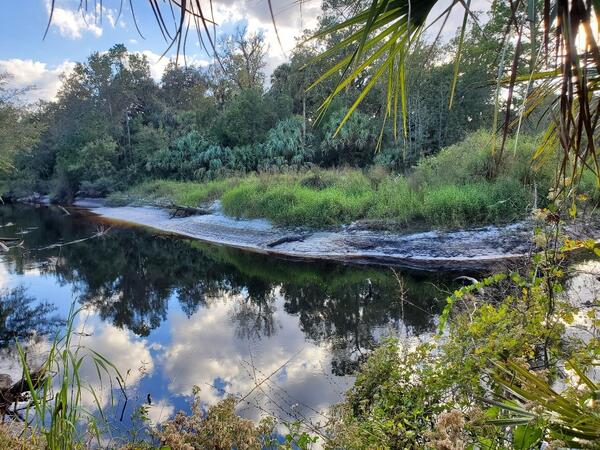
Most lunkers were caught in late winter and early spring in line with spawning activities that included movements out of shallow water, nest building, and nest defense. The largest lunkers were caught in February, while the smallest were caught in June. Approximately 54% of fish were caught with bottom-oriented fishing lures, and 40% midwater; surface catches were less common. The efficacy of various types of lures fluctuated seasonally. Lures effective in winter were midwater, while those effective in summer were bottom or surface. Conversely, a combination of bottom and midwater lures was effective in the fall and spring, suggesting cyclic habitat transitions. Moreover, the frequency with which lunkers were caught over various habitats varied seasonally and cyclically. These findings have the potential to inform habitat management that supports large predators and their seasonal relocations.
So, how do black bass attain lunker size? An assessment of factors that influenced survival to lunker size revealed several variables. The observed recruitment was directly correlated with the frequency of Florida Bass alleles in the population, negatively correlated with human population densities near the reservoir, and negatively correlated with chlorophyll levels in the reservoir. Recruitment to lunker sizes was not strongly associated with factors such as reservoir age, reservoir area or depth, stocking densities, or length limits. Recruitment of lunkers appears to require a nuanced equilibrium. In addition to adequate environmental conditions and food supply, rapid growth to lunker size is enabled by a high frequency of Florida Bass alleles introduced by TPWD into Texas reservoirs, combined with low mortality in reservoirs near smaller human populations, and a trophic state that is not excessively high.
The ONB features articles from Cooperative Fish and Wildlife Research Units across the country. We believe our readers will appreciate discovering stories about the exciting fish and wildlife research projects that Unit scientists are conducting to solve real-world problems, engage graduate students in experiential learning, and deliver technical assistance to natural resource practitioners. This story was authored by Steve Miranda, Unit Leader, Mississippi Cooperative Fish and Wildlife Research Unit, and Darren Shoemaker, PhD, Mississippi State University (graduated in May 2025), and edited by Dawn Childs, USGS Information Specialist, Cooperative Fish and Wildlife Research Units.