



Highly Pathogenic Avian Influenza Continues to Affect Wild Birds Across All Four U.S. Flyways
The U.S. Geological Survey’s National Wildlife Health Center is closely monitoring the ongoing impacts of highly pathogenic avian influenza on wild bird populations across the United States as the virus continues to drive significant mortality events nationwide.
The U.S. Geological Survey’s National Wildlife Health Center (NWHC) is continuing to track the effects of highly pathogenic avian influenza (HPAI) on wild birds across the country.
From September 2025 through January 2026, wildlife agencies reported 241 bird mortality events involving more than 126,000 wild birds in 28 states. These reports were shared through the Wildlife Health Information Sharing Partnership Event Reporting System, or WHISPers, a national platform that helps wildlife managers monitor emerging health issues.
HPAI was confirmed or suspected in 123 events, or just over half of the reported events, marking the fourth consecutive year that the virus has affected wild birds in North America. This strain of H5N1 avian influenza first reappeared in late 2021 and has since spread across all four major migratory flyways—Atlantic, Central, Mississippi, and Pacific.
While most events involved small numbers of birds, several large-scale or otherwise notable die‑offs occurred:
- Central Flyway: Kansas
The largest event recorded this season—and the largest ever reported in WHISPers for HPAI—involved approximately 67,200 geese at Kirwin National Wildlife Refuge in northern Kansas from October to December 2025. This mortality was more than ten times larger than any other event in the Central Flyway during the same period and several times larger than previous HPAI outbreaks at the refuge. Two different genetic versions of the virus were identified in dead birds, suggesting ongoing viral evolution. - Pacific Flyway: Utah
At Great Salt Lake, an estimated 50,000 eared grebes died in December 2025. The event was twice the size of a similar HPAI die‑off the previous winter. Low numbers of gulls were also affected. - Pacific Flyway: California
Wildlife managers at the Farallon Islands National Wildlife Refuge confirmed HPAI in western gulls in November 2025. The remote islands are home to the largest seabird colony in the continental United States, making the detection a significant concern. The area also supports large populations of marine mammals such as northern elephant seals, sea lions, and sea otters. Marine mammals have experienced influenza‑related die‑offs in other parts of the world and are currently experiencing a mortality event in nearby San Mateo County, California. You can read more about the California marine mammal outbreak here. - Mississippi Flyway: Wisconsin
In September 2025 at Horicon National Wildlife Refuge, HPAI was documented for the first time as the cause of death of a whooping crane, a federally endangered species. The bird was part of a juvenile release group being prepared for the wild. Fewer than ten other birds—mostly geese and pelicans—were affected in the same event. - Atlantic & Mississippi Flyways
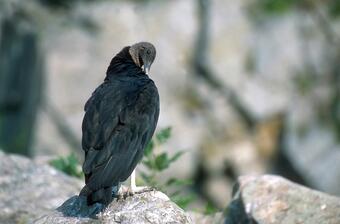
Black vultures continued to be heavily affected, with 37 events involving nearly 1,000 individuals. The largest occurred in Ohio, where approximately 116 vultures died in late September 2025.

Event reports in WHISPers are contributed by federal, state, tribal, and university partners and provide a broad picture of wildlife health trends. While the system does not capture every mortality event, it remains a critical tool for tracking disease outbreaks nationwide. WHISPers is supported by the USGS National Wildlife Health Center and partner organizations and is open for registration by natural resource professionals. For further information about the platform and to access user guides, go to https://www.usgs.gov/centers/nwhc/science/whispers.