



The Klamath Dams Are Down: A Closer Look at Juvenile Salmon Migration
The Klamath dams have been removed. What will this mean for juvenile salmon on their way to the ocean?
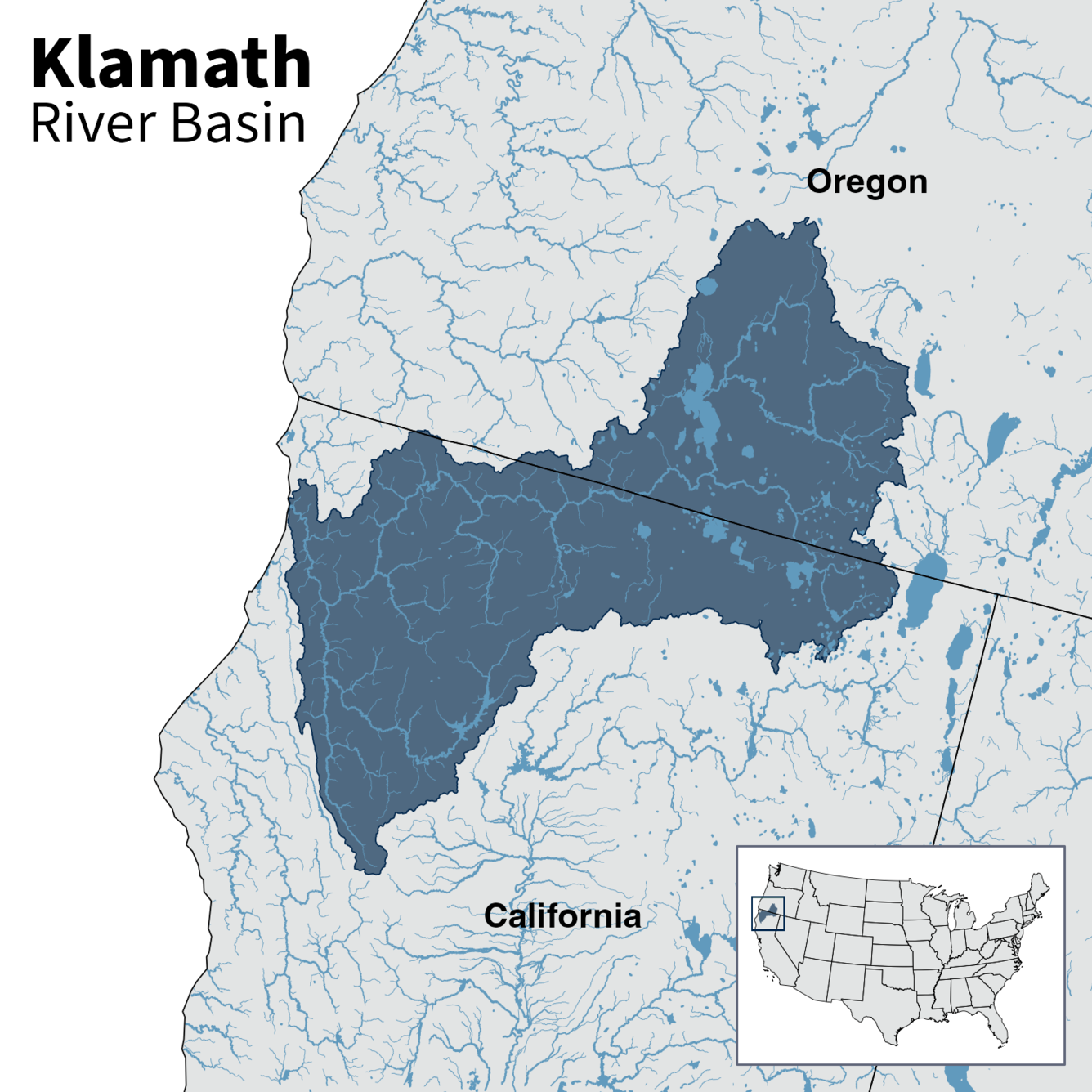
It has been almost two years since the largest dam removal project in U.S. history took place at the border of Oregon and California. The Klamath dam removal, beginning in 2022 and ending in 2024, removed four hydroelectric dams from the Klamath River: J.C. Boyle Dam, Copco No. 1 Dam, Copco No. 2 Dam, and the Iron Gate Dam.
While the dam removal is complete, work to restore the 2,200 acres of formerly submerged lands continues. As the reservoirs drained, native seed mix was applied to the reservoir footprints to stabilize sediments and improve soil composition.
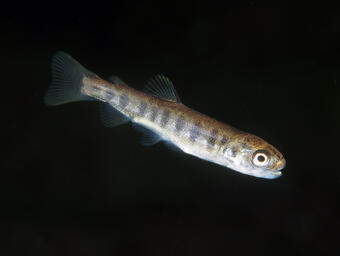
Additionally, these dams, built between 1918 and 1962, blocked salmon migration and altered water quality for over a century. Now, with the dams out, USGS Western Fisheries Research Center (WFRC) scientists are monitoring and analyzing the effects of dam removal on migration rates and survival of juvenile salmon in the Klamath River. These fish have been granted access to more than 400 stream miles, including cold-water tributary creeks and streams in the upper Klamath Basin important to Chinook salmon, coho salmon, and steelhead.
Our WFRC scientists are studying several ways in which dam removal and water flow management are affecting juvenile salmon as they migrate through the lower Klamath River. Prior to dam removal a model was used to predict how flow, water temperature, and ultimately the survival of young out-migrating salmon would change on their journey to the ocean with dam removal. Now, after dam removal, our staff are determining if the predictions were correct.
Studying the Klamath River Juvenile Salmon Migration
Through modeling, WFRC scientists predicted many changes might occur after dam removal. Without reservoirs to buffer temperature changes, they thought that water would warm up earlier in the spring but not get as hot by mid-summer as it did prior to dam removal. They predicted natural river flows would also change the number of young salmon that make it to the ocean. Beyond the modeling, WFRC scientists also hypothesize that these cooler waters, more natural flows, and a greater array of side-channel habitat may increase the amount of suitable habitat for young salmon, slow their migration, increase their growth potential, and lead to a more diverse array of outmigrants into the ocean. This could translate to greater ocean survival and an overall increase in population diversity over time, which would help the Klamath salmon populations increase in abundance.
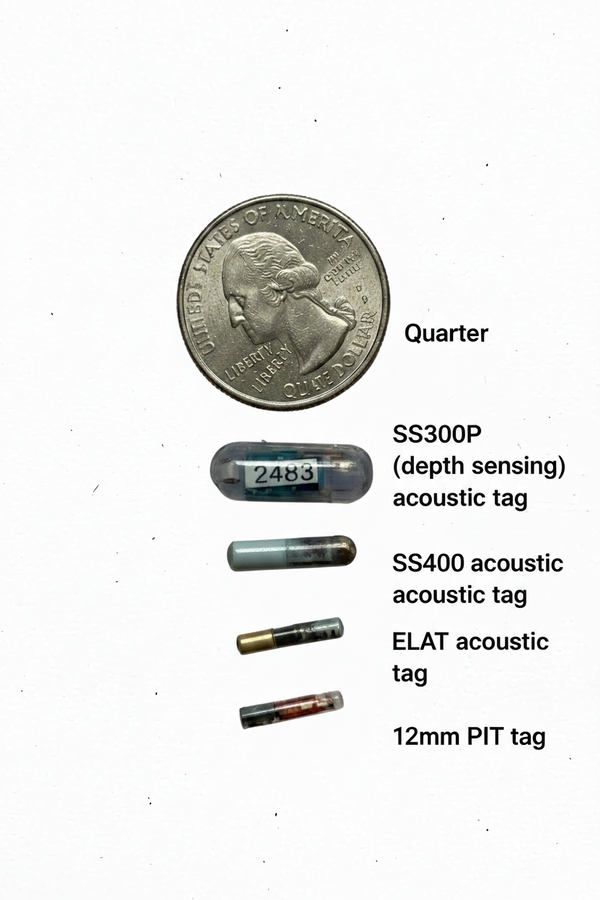
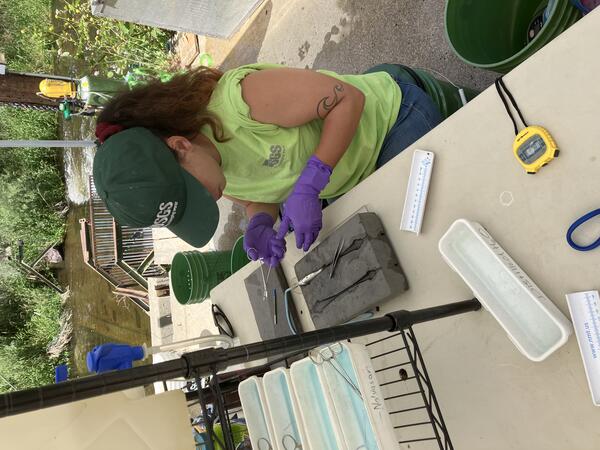
With the dams now out, WFRC scientists are tagging and tracking the movements of salmon using acoustic telemetry. Tiny tags are surgically implanted into the fish that emit a ping sound. Listening equipment at 8 stations in the Klamath River hear the sound as tagged fish pass. Data collected tell the scientists where the salmon go, how fast they migrate, and how well they survive.
Out-migrating juvenile salmon are also captured, marked, released, and recaptured by the California Department of Fish and Wildlife through a part of the river using screw traps: spinning, cone shaped devices that catch fish moving downstream. The number of marked fish recaptured versus released upstream is used to estimate survival past where Iron Gate dam once was. USGS scientists use these data and the telemetry study to learn more about how the behavior of out-migrating young salmon has changed with the alterations in their environment.
Future Work
The work to understand how changes to the Klamath River basin after dam removal may be impacting salmon is far from complete. Questions remain about what affects initiation of juvenile Chinook outmigration, what the mechanisms are that could cause fish to delay migration near cold-water tributaries, and how temporary delays in migration at tributary mouths might affect overall survival to adulthood. Researchers are also interested in better understanding how the re-establishment of populations in the upper Klamath Basin will experience outmigration, and how that will contribute to the portfolio effect to stabilize populations of salmon.