



Life Cycles Below: Corals and Sponges in the Offshore Aleutian Habitats
A USGS-led expedition in the Aleutian Arc off Alaska will provide critical information on energy resources, underwater earthquakes and other hazards, seafloor habitats, and biological resources, including key fisheries, as well as potential seabed minerals. Scientists aboard the expedition are studying coral and sponge reproduction.
As we explore more communities of animals that live in the deep sea, one question almost always arises: How did they get there? The deep ocean is the largest habitat on the planet, but we know from exploration efforts in the last 200 years that the animals that we see in one area are not necessarily the same as what we see in others. Each species requires a slightly different environment to be able to live and thrive in an area, and we are only really scratching the surface of what those requirements are.
One important way we can begin to understand "How did they get there?" is by studying reproduction, which is part of our exploration goals during this research cruise. Successful reproduction in the deep sea means that a species will produce larvae that will then either settle close by, or be carried by ocean currents to new places, sometimes many hundreds to thousands of miles away. Knowing what a species needs to produce successful larvae is an important piece in the puzzle of understanding the deep ocean. On this research expedition we will be looking at species of cold-water corals and sponges that we know a little about reproduction, and some that we know nothing about.

To study reproduction the first step is seeing what is inside the coral or sponge; this can give us insights into whether this species has males and females, or whether they are hermaphrodites (are both a male and female, as most sponges are). It can also tell us a little about when and how they produce larvae - either by brooding larvae inside their body before releasing it, or by spawning eggs and sperm into the water column to fertilize and become larvae while traveling the ocean currents. To do this we will preserve specimens onboard the Office of Naval Research's Research Vessel Atlantis and then bring them back to the lab to study. We will also attempt to create larvae onboard, where we will extract eggs and sperm and combine them to see if they develop into larvae in our cold room, which is set to the same temperature as the deep-sea floor in this region.
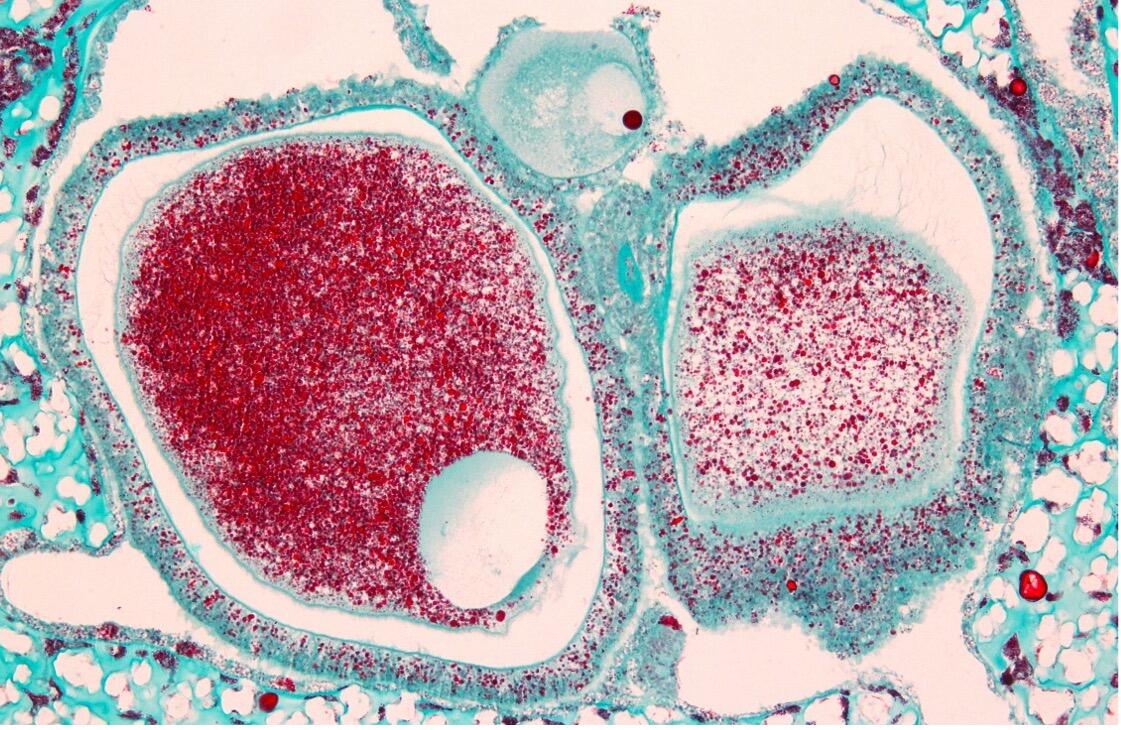
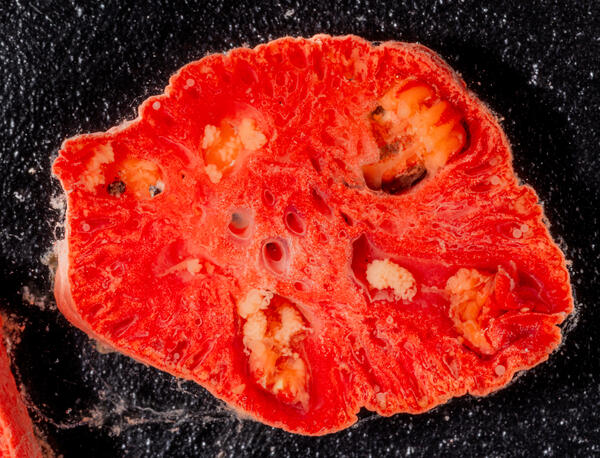
So far, we only know a little bit about reproduction of just 4% of the total species of cold-water corals out there, and much less than 1% of the cold water sponges, so any samples we gain on this cruise will be put to good use.