



Gulf Coast Restoration: Conceptual Ecological Modeling and Ecosystem Modeling Support
USGS researchers and collaborators are developing a conceptual ecological model to help managers evaluate ecosystem-wide impacts of restoration, address potential uncertainties related to restoration planning and implementation, and provide feedback to inform future restoration decisions.
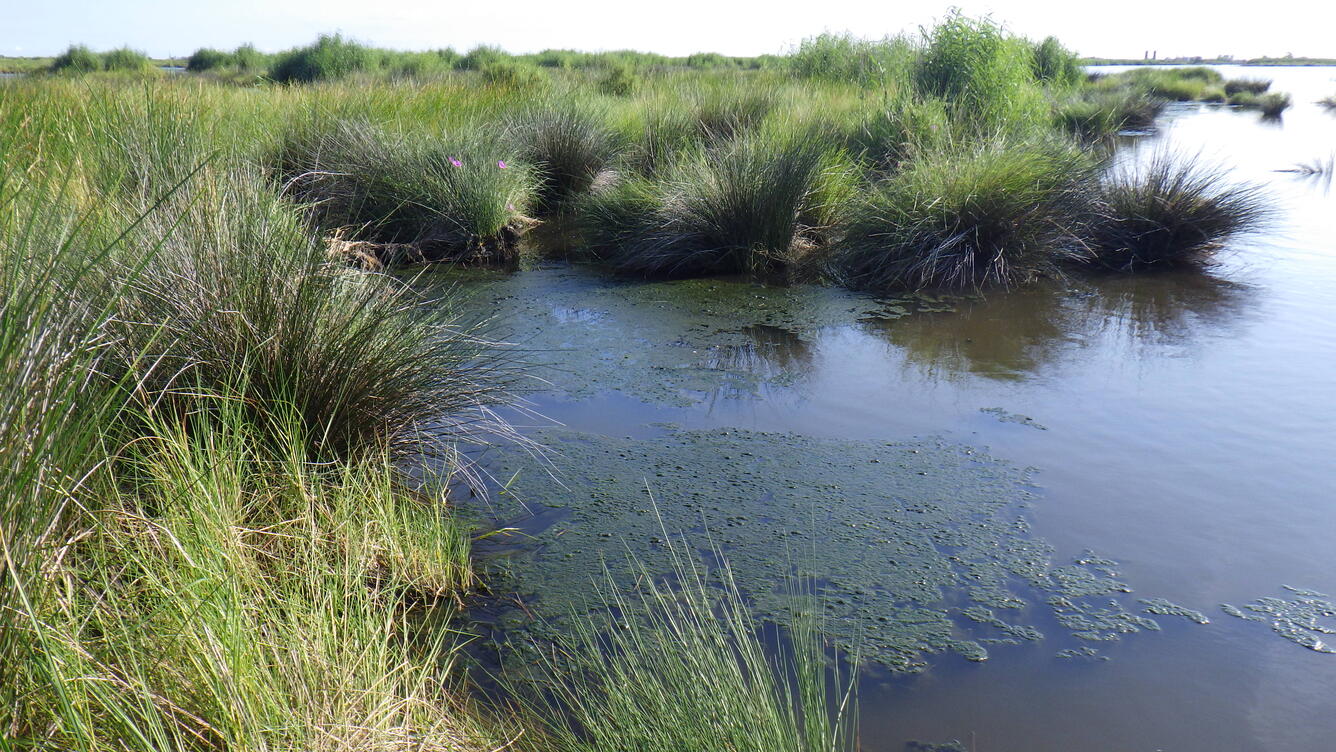
The Science Issue and Relevance: Wetland, coastal, and nearshore habitats along the Gulf Coast are undergoing major restoration efforts to recover natural resources, such as estuarine-dependent fish and invertebrates, that were injured by the 2010 Deepwater Horizon oil spill. To assess how the portfolio of restoration projects provide long-term benefits to natural resources and services impacted by the spill, a conceptual ecological model will be produced that can inform adaptive management and monitoring in Barataria Basin, a critical coastal estuary in Louisiana, that provides habitat to many ecologically and economically important species. The conceptual ecological model intends to help managers evaluate ecosystem-wide impacts of restoration, address potential uncertainties related to restoration planning and implementation, and provide feedback to inform future restoration decisions.
Methodology for Addressing the Issue: Two main tasks will be involved with the project.
Task 1: Conceptual Ecological Model Development. A conceptual ecological model will be developed to represent lower trophic levels of estuarine food webs and how they interact with habitats of Barataria Basin and provide energy to higher trophic levels, like fish, shrimps, and crabs. The conceptual ecological model will include state variables (properties that define the current condition of the system, e.g., microphytobenthos, which are microscopic organisms that live on the sediment surface and are the foundation of aquatic food webs), environmental drivers (something that can change the condition, e.g., levels of light reaching the bottom, which can be used to assess water quality), and arrows that connect them to describe the likely ecological process or response (e.g., primary productivity). The conceptual ecological model will also include restoration activities, such as marsh creation projects, as environmental drivers as they change and benefit the ecosystem.
Task 2: Support Ecosystem Modeling Planning and Implementation. Once the conceptual ecological model is finished, the developers will help guide and support the ecosystem modeling team with its integration into computer models. The USGS will participate in working sessions to assist in the assessment of model updates and output.
Future Steps: This activity will support restoration planning and the evaluation of how restoration actions benefit estuarine-dependent fish and invertebrates to better understand recovery of natural resources but also help guide future restoration decisions.
USGS researchers and collaborators are developing a conceptual ecological model to help managers evaluate ecosystem-wide impacts of restoration, address potential uncertainties related to restoration planning and implementation, and provide feedback to inform future restoration decisions.
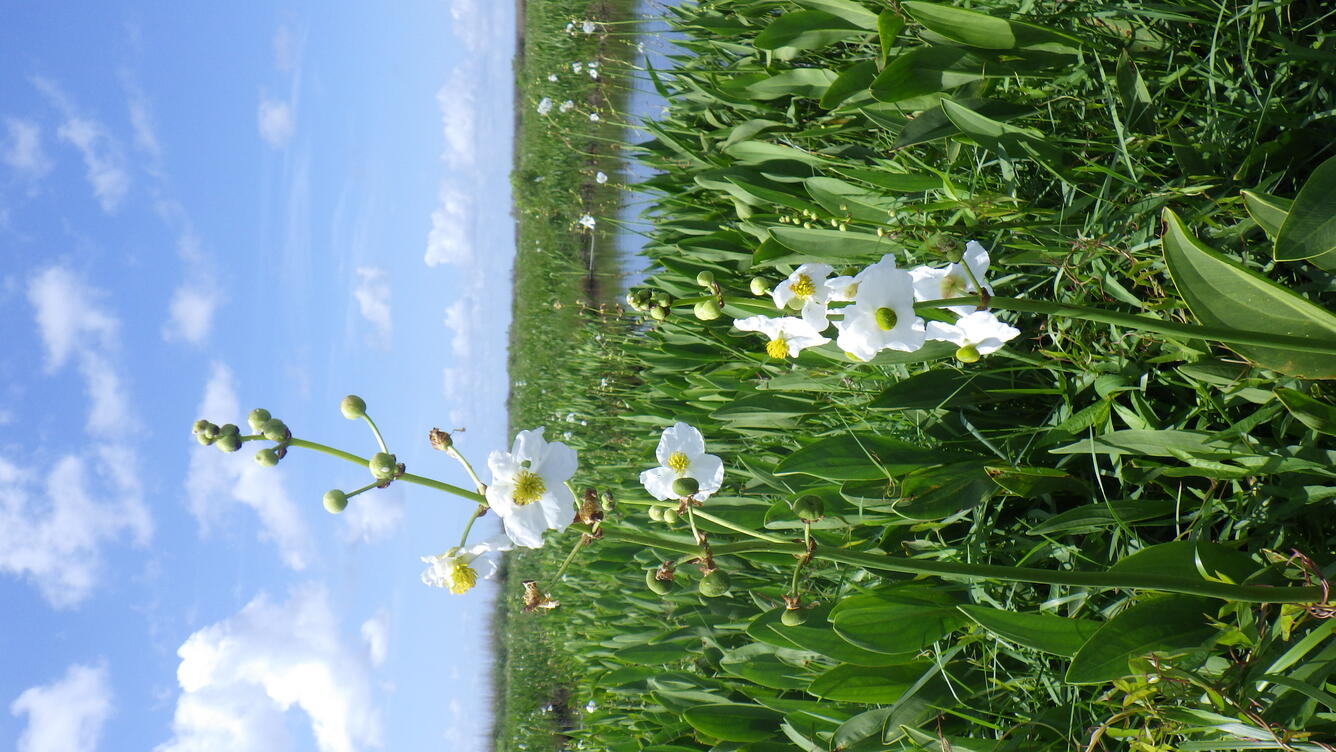
The Science Issue and Relevance: Wetland, coastal, and nearshore habitats along the Gulf Coast are undergoing major restoration efforts to recover natural resources, such as estuarine-dependent fish and invertebrates, that were injured by the 2010 Deepwater Horizon oil spill. To assess how the portfolio of restoration projects provide long-term benefits to natural resources and services impacted by the spill, a conceptual ecological model will be produced that can inform adaptive management and monitoring in Barataria Basin, a critical coastal estuary in Louisiana, that provides habitat to many ecologically and economically important species. The conceptual ecological model intends to help managers evaluate ecosystem-wide impacts of restoration, address potential uncertainties related to restoration planning and implementation, and provide feedback to inform future restoration decisions.
Methodology for Addressing the Issue: Two main tasks will be involved with the project.
Task 1: Conceptual Ecological Model Development. A conceptual ecological model will be developed to represent lower trophic levels of estuarine food webs and how they interact with habitats of Barataria Basin and provide energy to higher trophic levels, like fish, shrimps, and crabs. The conceptual ecological model will include state variables (properties that define the current condition of the system, e.g., microphytobenthos, which are microscopic organisms that live on the sediment surface and are the foundation of aquatic food webs), environmental drivers (something that can change the condition, e.g., levels of light reaching the bottom, which can be used to assess water quality), and arrows that connect them to describe the likely ecological process or response (e.g., primary productivity). The conceptual ecological model will also include restoration activities, such as marsh creation projects, as environmental drivers as they change and benefit the ecosystem.
Task 2: Support Ecosystem Modeling Planning and Implementation. Once the conceptual ecological model is finished, the developers will help guide and support the ecosystem modeling team with its integration into computer models. The USGS will participate in working sessions to assist in the assessment of model updates and output.
Future Steps: This activity will support restoration planning and the evaluation of how restoration actions benefit estuarine-dependent fish and invertebrates to better understand recovery of natural resources but also help guide future restoration decisions.