



Coastal Ecosystem Environmental Chemistry


Detailed Description
Coastal wetlands that have been damaged or destroyed can lose their ability to capture carbon dioxide and make the large quantities of carbon stored vulnerable to release into the atmosphere—contributing to climate change. Improved management of salt marshes and mangroves, leading to enhanced conservation and restoration, is therefore a crucial climate change mitigation strategy.
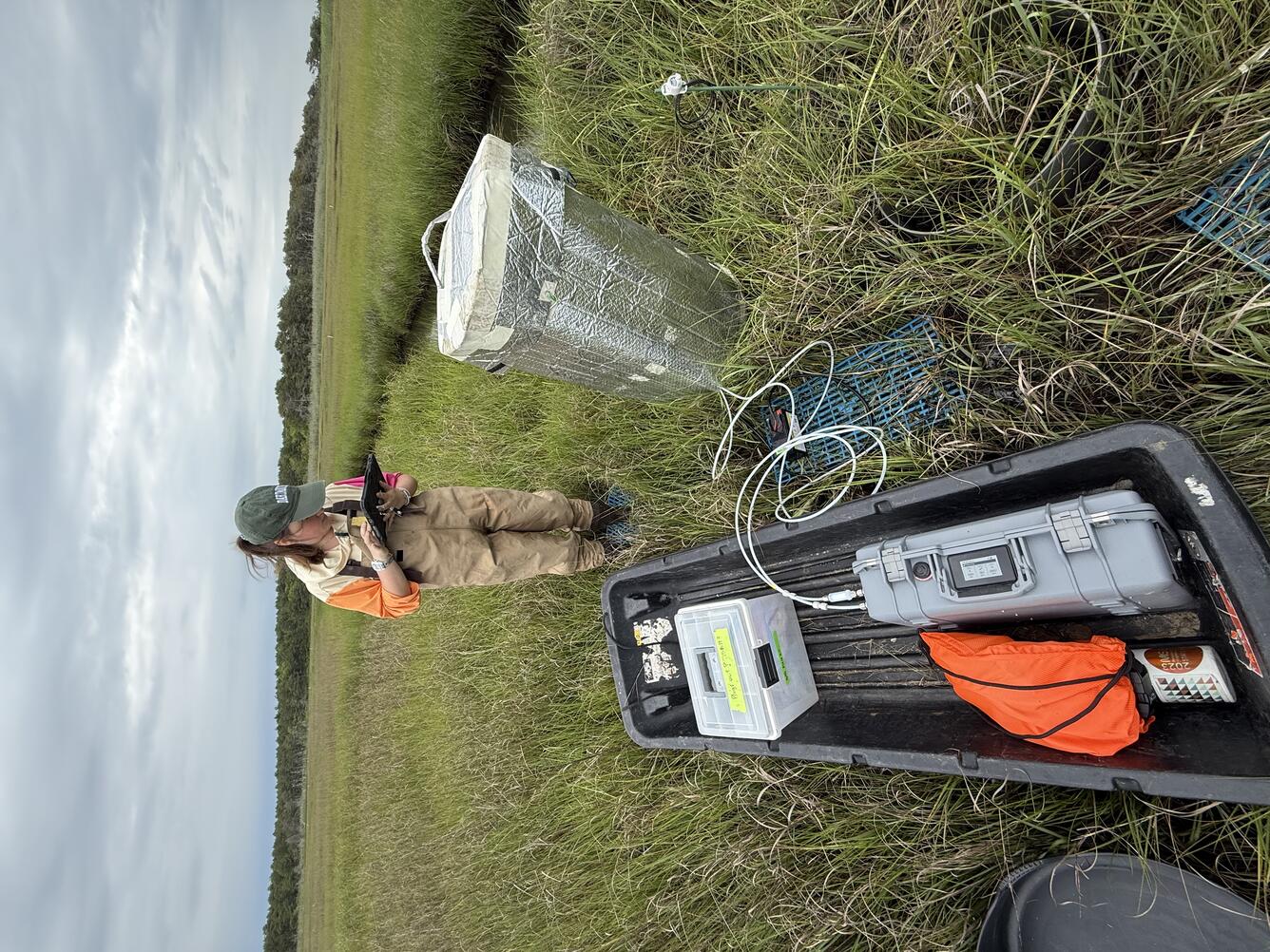
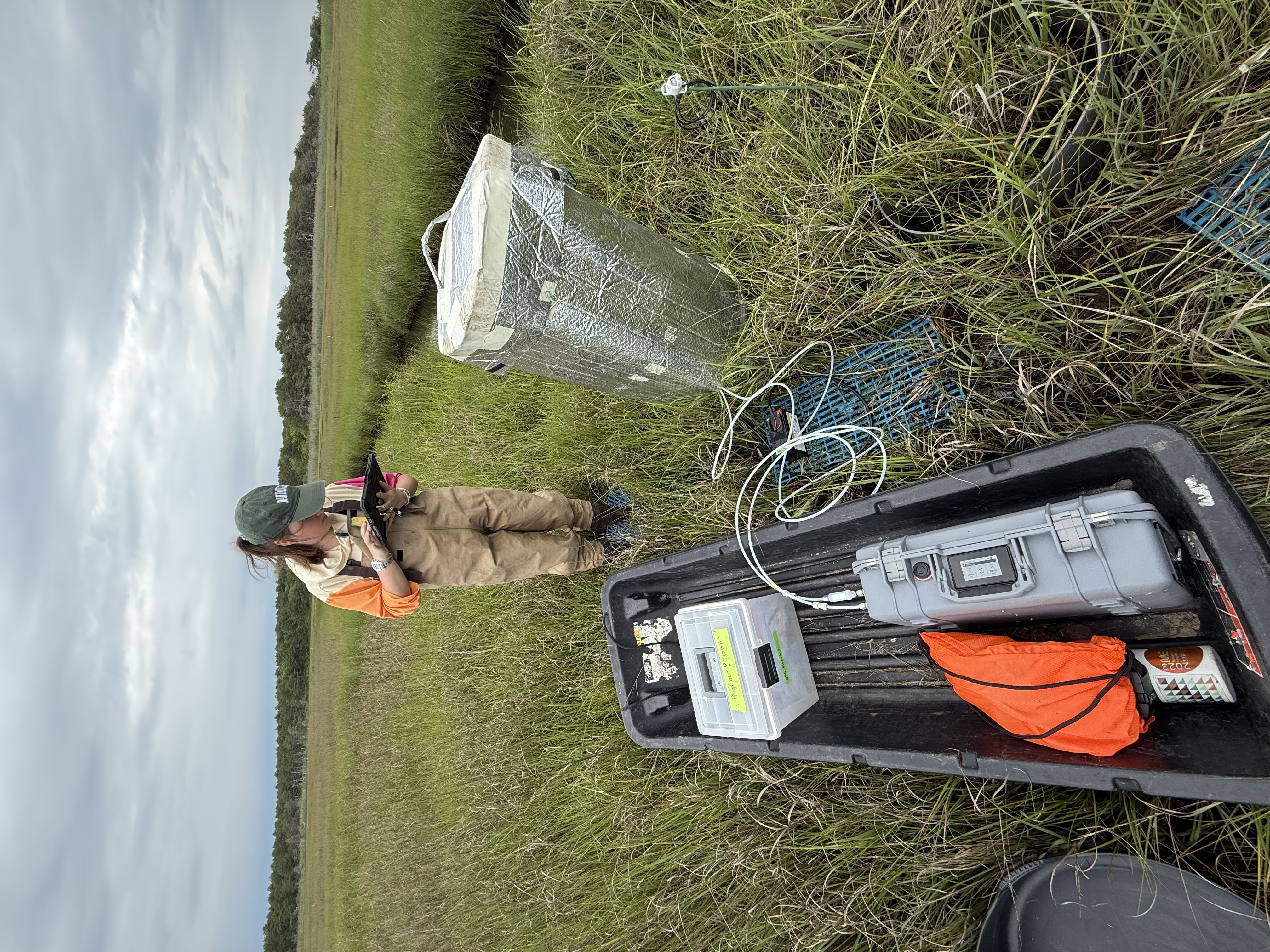
Scientists in the Coastal Ecosystem Environmental Chemistry project are dedicated to understanding carbon cycle processes in coastal wetlands. They study how human modifications to natural water systems affect wetland health and resilience, which are directly linked to a wetland’s ability to store carbon dioxide and protect coastal communities from other coastal hazards like storm surge. They also assess opportunities for ecosystem restoration to provide important benefits such as carbon capture and storage, reduced methane emissions, and increased carbon and alkalinity export to the ocean.
Persistence of these habitats in the 21st century depends on decisions made today regarding ecosystem restoration and other responses by society to sea-level-rise hazards. Federal, State, and private land management organizations can use information from this project to guide their decisions about wetland restoration and infrastructure development to ensure wetland health and resilience.
Sources/Usage
Public Domain.