



The Wisconsin Cooperative Wildlife Research Unit (est. 1971) is a partnership among the Wisconsin Department of Natural Resources, University of Wisconsin, the U.S. Geological Survey, the U.S. Fish and Wildlife Service, and the Wildlife Management Institute.
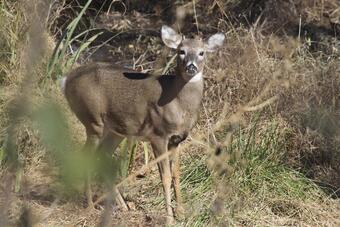
The Wisconsin Cooperative Wildlife Research Unit conducts applied research to solve wildlife‑management challenges and support state and federal agencies. Its work focuses on wildlife–habitat relationships, population ecology, and conservation of species of concern. Unit research is done on a wide variety of topics having to do with natural resource issues and conservation at the state, regional, national, or international level. State projects are developed in collaboration with the state Department of Natural Resources. Other projects are developed to meet the needs of federal partners. Unit scientists teach graduate-level classes in their areas of specialty, run seminars, and give invited lectures in a variety of classes.
The Wisconsin Cooperative Wildlife Research Unit (est. 1971) is a partnership among the Wisconsin Department of Natural Resources, University of Wisconsin, the U.S. Geological Survey, the U.S. Fish and Wildlife Service, and the Wildlife Management Institute.
The Wisconsin Cooperative Wildlife Research Unit conducts applied research to solve wildlife‑management challenges and support state and federal agencies. Its work focuses on wildlife–habitat relationships, population ecology, and conservation of species of concern. Unit research is done on a wide variety of topics having to do with natural resource issues and conservation at the state, regional, national, or international level. State projects are developed in collaboration with the state Department of Natural Resources. Other projects are developed to meet the needs of federal partners. Unit scientists teach graduate-level classes in their areas of specialty, run seminars, and give invited lectures in a variety of classes.