



Geophysical and Geological Characterization of Mineral Deposit Localization in the Colorado Mineral Belt and Surrounding Lithosphere: Metallogeny & Economic Geology
Understanding what forms mineral deposits is a critical aspect of understanding where to explore for minerals and how to most effectively utilize these natural resources. Researching why the economic metal deposits formed is a clear way to further understand domestic critical mineral deposits.
The Colorado Mineral Belt (CMB) and surrounding region hosts numerous metallic mineral deposits and prospects. These deposits formed within mineral systems associated with magmas that intruded the upper crust from the Late Cretaceous through the Miocene (and possibly as young as the Pliocene). These magmas powered hydrothermal systems that were ultimately responsible for depositing ore.
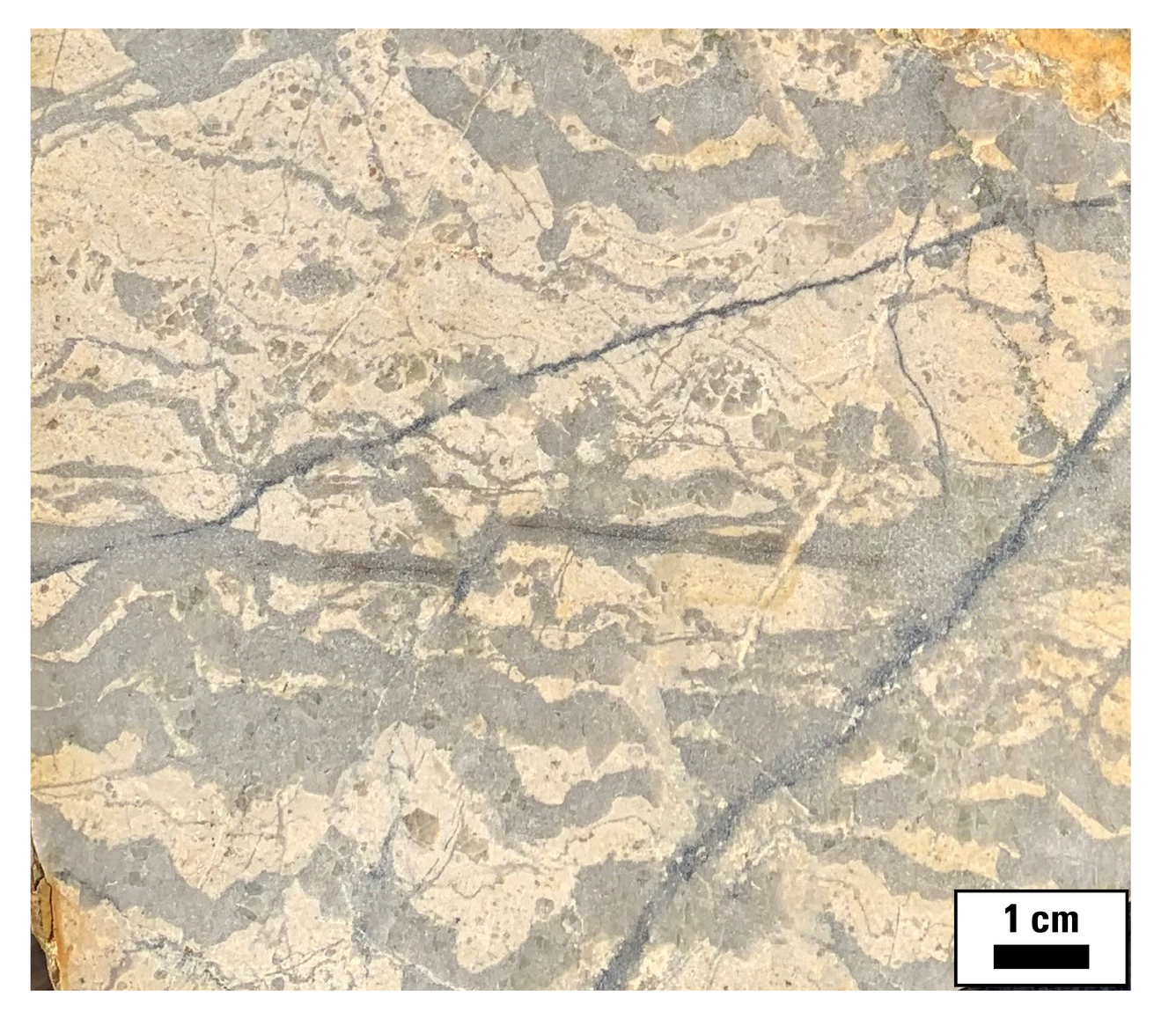
The properties of the magmas and the rocks that they intruded exert a large influence on the amount and variety of metals that are deposited as ore. However, the CMB and surrounding region experienced multiple episodes of magmatism during a period when the North American plate was affected by shifting tectonic forces and processes. Accurately linking deposits to these changing and overprinted tectonic-magmatic settings is necessary for assessing the regional distribution of mineral resources.
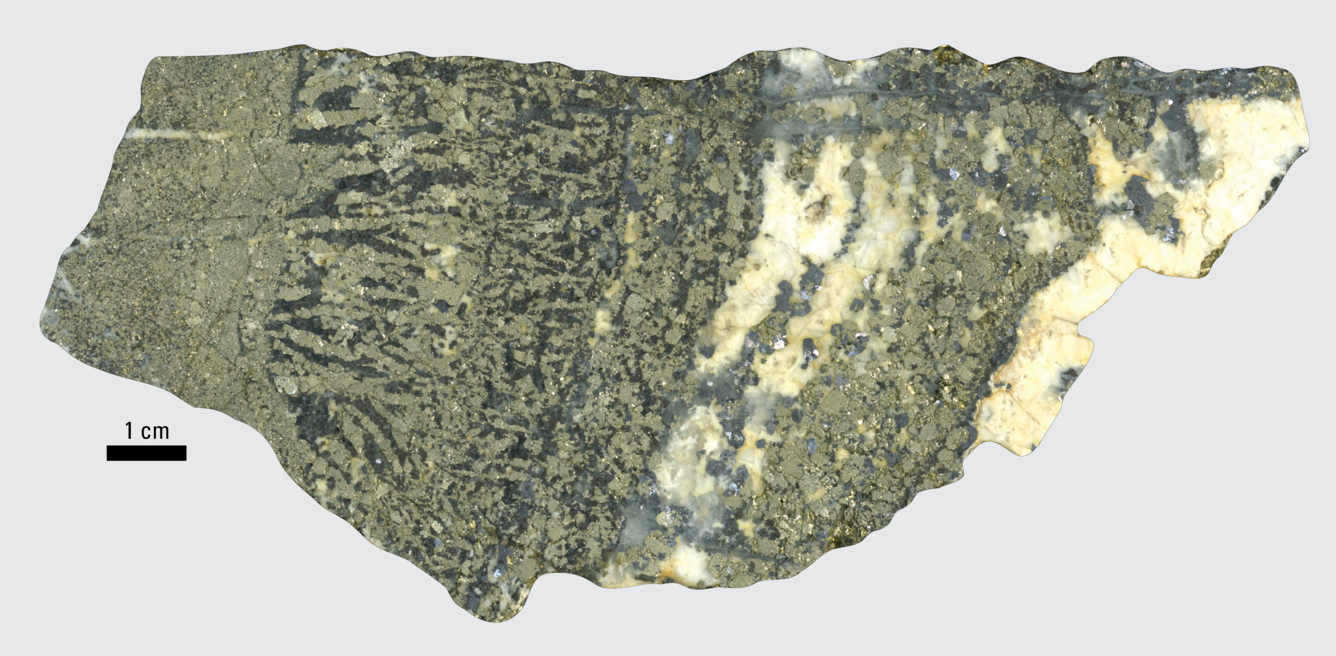
The Metallogeny and Economic Geology task is working on deposit-scale characterization to test hypotheses about the origin of the deposits and their broader mineral systems. This includes new mineralogical studies, petrographic analysis, geochemistry, and field mapping. We are also working closely with other tasks to interpret and synthesize data to construct unified, regional datasets and interpretations that can aid ongoing mineral resource assessments.
This project is a task of the Geophysical and Geological Characterization of Mineral Deposit Localization in the Colorado Mineral Belt and Surrounding Lithosphere project.

Geophysical and Geological Characterization of Mineral Deposit Localization in the Colorado Mineral Belt and Surrounding Lithosphere
Understanding what forms mineral deposits is a critical aspect of understanding where to explore for minerals and how to most effectively utilize these natural resources. Researching why the economic metal deposits formed is a clear way to further understand domestic critical mineral deposits.
The Colorado Mineral Belt (CMB) and surrounding region hosts numerous metallic mineral deposits and prospects. These deposits formed within mineral systems associated with magmas that intruded the upper crust from the Late Cretaceous through the Miocene (and possibly as young as the Pliocene). These magmas powered hydrothermal systems that were ultimately responsible for depositing ore.
The properties of the magmas and the rocks that they intruded exert a large influence on the amount and variety of metals that are deposited as ore. However, the CMB and surrounding region experienced multiple episodes of magmatism during a period when the North American plate was affected by shifting tectonic forces and processes. Accurately linking deposits to these changing and overprinted tectonic-magmatic settings is necessary for assessing the regional distribution of mineral resources.
The Metallogeny and Economic Geology task is working on deposit-scale characterization to test hypotheses about the origin of the deposits and their broader mineral systems. This includes new mineralogical studies, petrographic analysis, geochemistry, and field mapping. We are also working closely with other tasks to interpret and synthesize data to construct unified, regional datasets and interpretations that can aid ongoing mineral resource assessments.
This project is a task of the Geophysical and Geological Characterization of Mineral Deposit Localization in the Colorado Mineral Belt and Surrounding Lithosphere project.