The Value of Long-Term Data at Headwater Sites
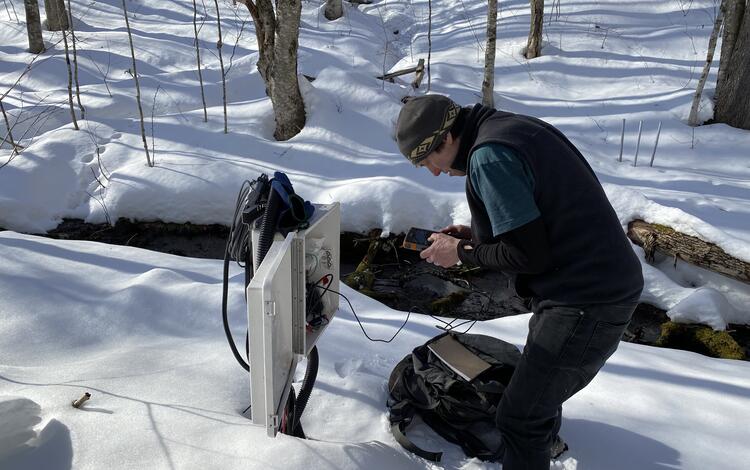
While the value of monitoring is sometimes underrecognized, according to Shanley, long-term datasets gain value each year because they track environmental changes and unexpected disturbances.
“The long-term streamflow, water quality, snow, and precipitation datasets provide immense value to those who wish to better understand environmental changes. Monitoring programs allow you to study and see how things react,” USGS hydrologist Serena Matt said. “They not only inform policy, but they also reveal when policy changes have succeeded.”
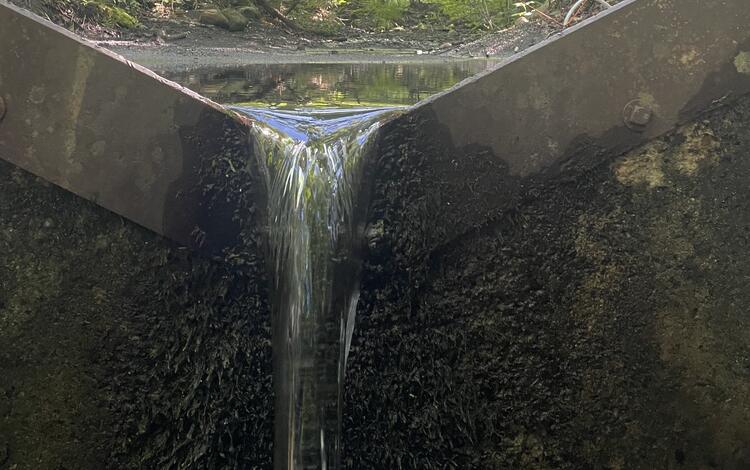
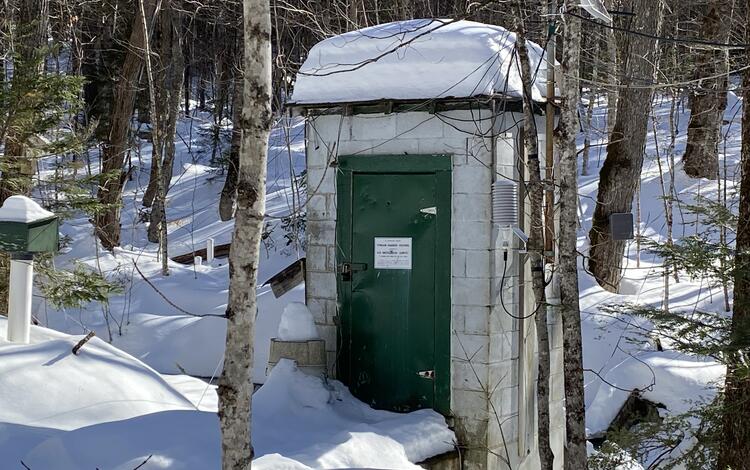
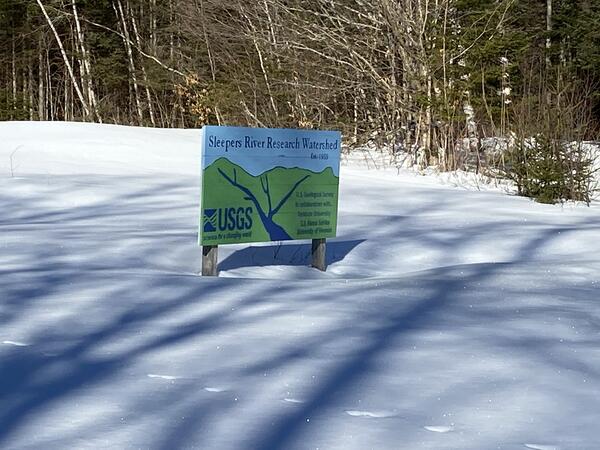
For instance, without 30-year long-term precipitation and chemistry data sets, scientists would not have measured the distinct drop of sulfate in rainwater in the SRRW as a result of the Clean Air Act Amendments of 1990. The isolated location of Sleepers, far from any acid rain source, makes it an ideal ecosystem for study. Despite being a pristine, forested area, in the early 1990s Sleepers had high levels of sulfate in its rainwater, a characteristic of acid rain formed from air pollution miles away. Yet, after the Clean Air Act Amendments were passed, sulfate levels in Sleepers precipitation and streamwater decreased sharply, greatly reducing the threat of acid rain; a direct result of the policy changes.
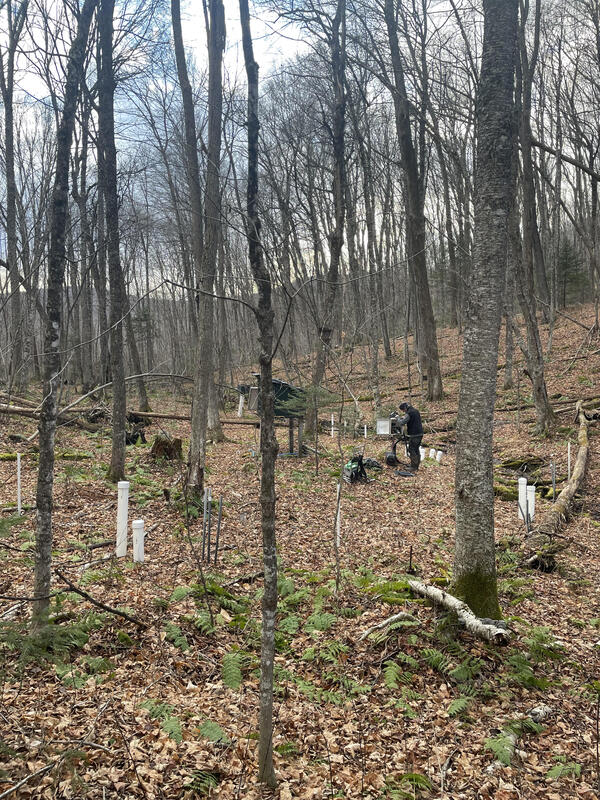
In the 1980s, scientists turned to the small watershed approach to study acid rain. In Sleepers, despite the contaminated rainfall, the streams did not become acidic because calcite in the local geology acted as a buffer against the acidification. As a result, even though acid rain funding decreased in the 1990s, U.S. Forest Service scientists based at Hubbard Brook and university researchers, maintained an interest in Sleepers research because of the area’s alkaline geology in contrast with Hubbard Brook’s acidic watershed.
“They want to see if the same processes are happening in Hubbard and in Sleepers because their geology is very different, and Sleepers represents a well-buffered watershed that allows scientists to see how environmental processes compare in different geologic settings,” explained Shanley.
Pollutant studies have shifted from acid rain to emerging contaminants of concern like PFAS and mercury at Sleepers and beyond. Studying global atmospheric contaminants like these in Sleepers is optimal because the area is undisturbed, there is no upstream contaminant source, and there is extensive background and baseline data for comparison or reference, such as 30 years of chloride data to evaluate effects and trends of road salt application. Having these long-term chemical data sets contextualizes new findings on emerging contaminants and how they interact with the environment.
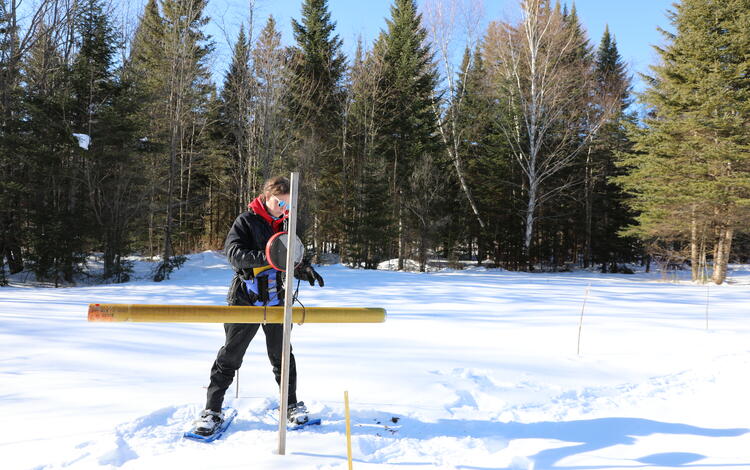
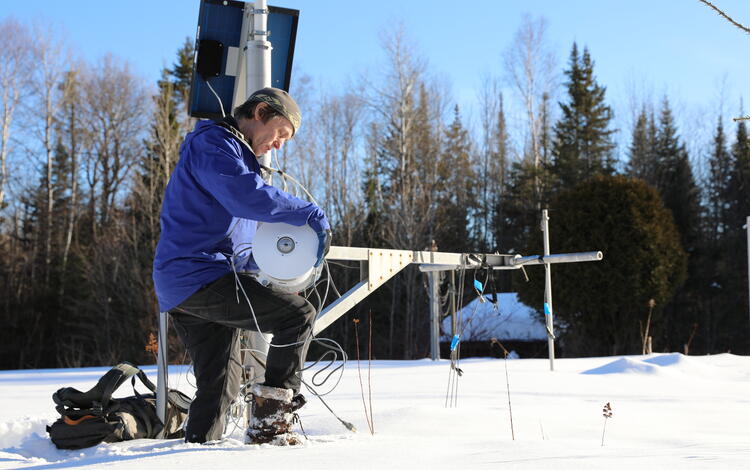
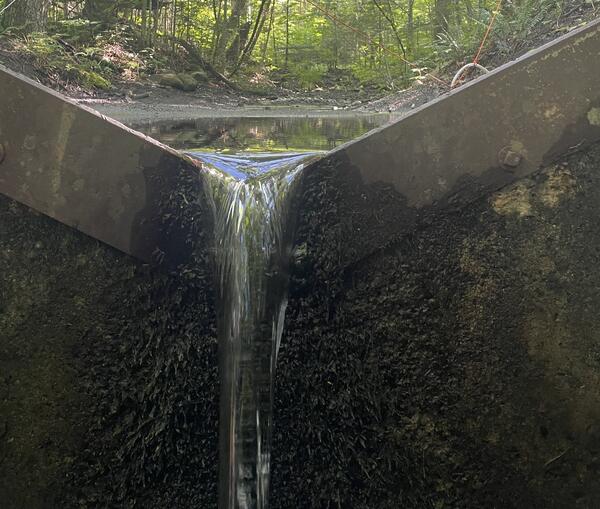
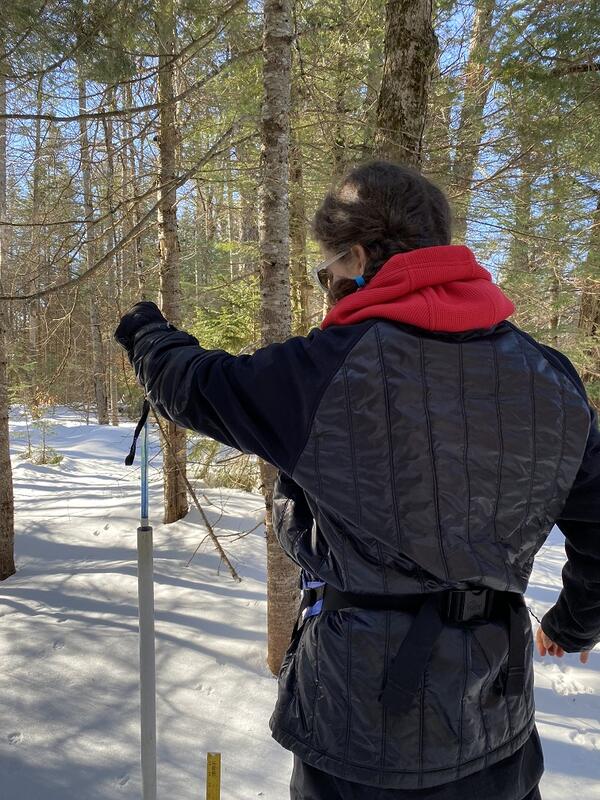
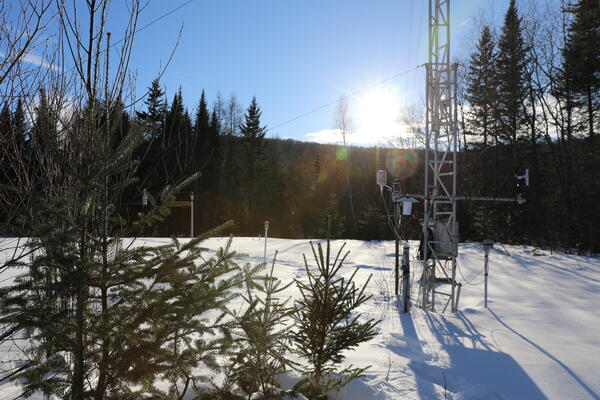
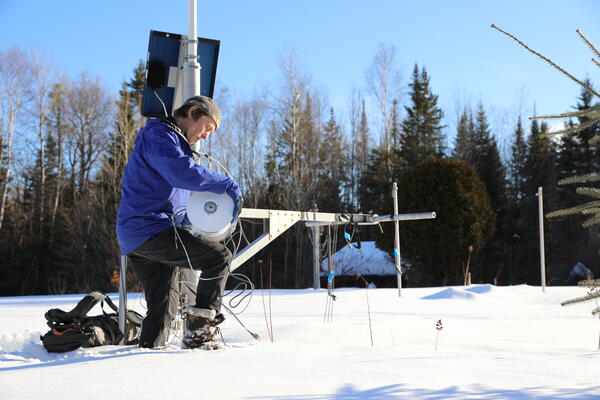
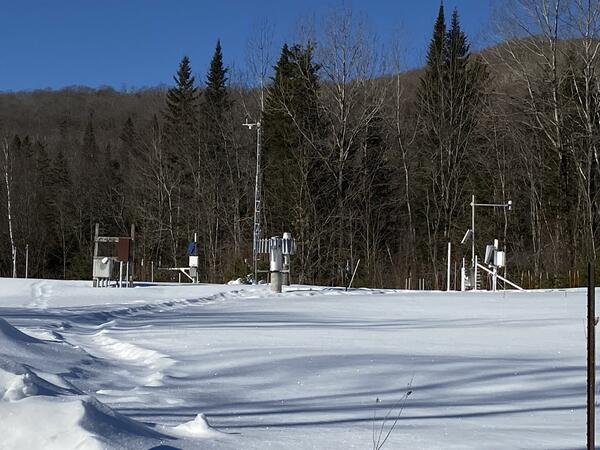
Furthermore, the long-term streamflow, precipitation, and snow records at Sleepers River provide added context to other research and are used by countless scientists and agencies. For example, the National Weather Service validates their model-based daily snow cover maps with the real-time snow data collected at Sleepers. These continuing records are also used to identify long-term patterns of drought, flooding, and snowpack, which are critical data sets for monitoring environmental changes.