



Low Streamflow in Massachusetts Affected by Climate and Human Activity
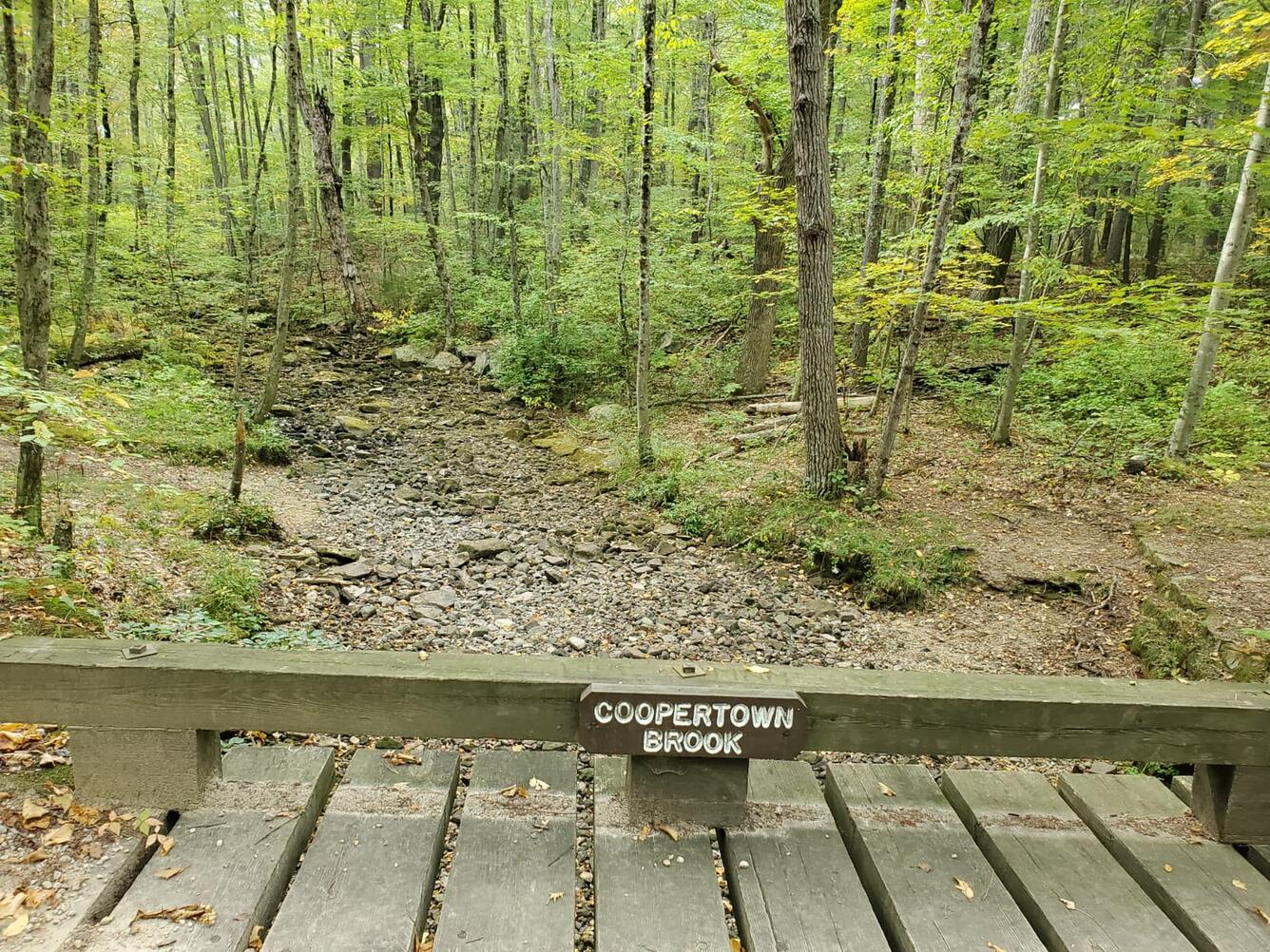
The U.S. Geological Survey (USGS) investigated possible reasons for why Massachusetts has set record low streamflows recently even though climate conditions have been generally wetter than they were decades ago. They found that the low streamflows in the state are most influenced by a combination of human causes, such as population growth, and minimal precipitation during summer months.
Higher levels of rainfall, groundwater levels, and baseflows in rural New England have been observed in the past few decades. However, at the same time, some Massachusetts basins have had record-low streamflows. To determine what is causing these atypical events, USGS analyzed possible drivers of low streamflows over nearly 80 years and sought to determine whether or not these drivers have changed since the drought of the 1960s.
“This study showed that both changing climate and the ways in which humans use land and water impact low streamflows,” said physical scientist and lead author Cathy Chamberlin.
The Process
USGS researchers first calculated six low-flow numbers from available streamflow data at 107 different streamgages between 1943 and 2022 that describe how low streamflows drop and for how long these low streamflows last. Then, they identified sites where streamflows have, and have not, decreased since the 1960s. Statistical analyses were used to identify whether climate, human impact, or watershed characteristics had the largest effect on low flows.
What USGS Found
When there was less summer precipitation and more sandy soil in a watershed, low streamflows lasted longer and the streamflows themselves were lower, according to the study, published in the Journal of American Water Resources Association. Additionally, an area with more wetlands had lower streamflows, but they did not last as long. The effect of human causes, such as population growth and urban development, caused drier streams in some cases, but wetter streams in others.
Though the study does not further investigate the causes behind this finding, the authors present some prior scientific results that could explain it, such as the different ways water and land are used in disparate watersheds. For example, in some watersheds more pavement may prevent water from entering groundwater, while in other developed watersheds, leaky pipes or sewer systems may add more water to the groundwater.
While summer precipitation is not something that can be changed, the ways that people use water and land are both things that local governments and communities have some control over.
“Our results indicate that people have the ability to affect how small amounts of rainfall translate to low streamflows,” Chamberlin said.