Taking a shot at preventing rabies transmission
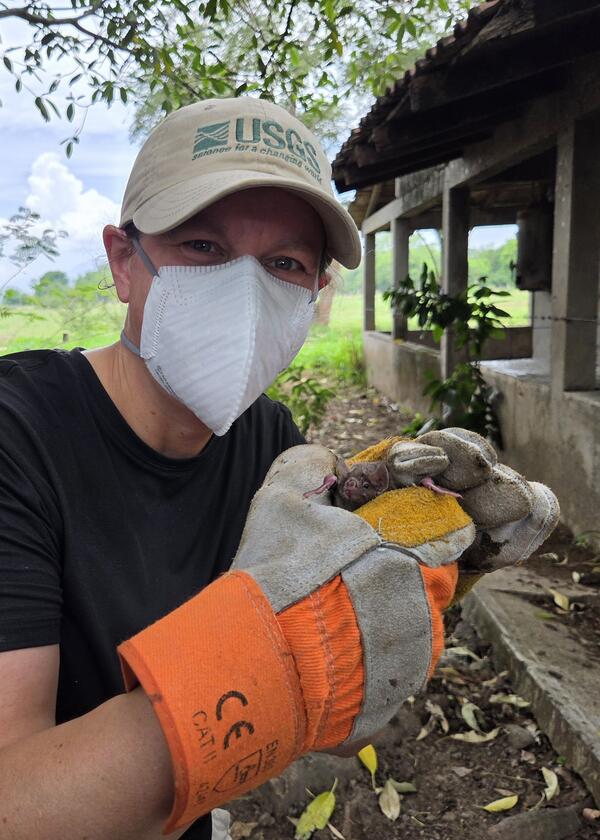
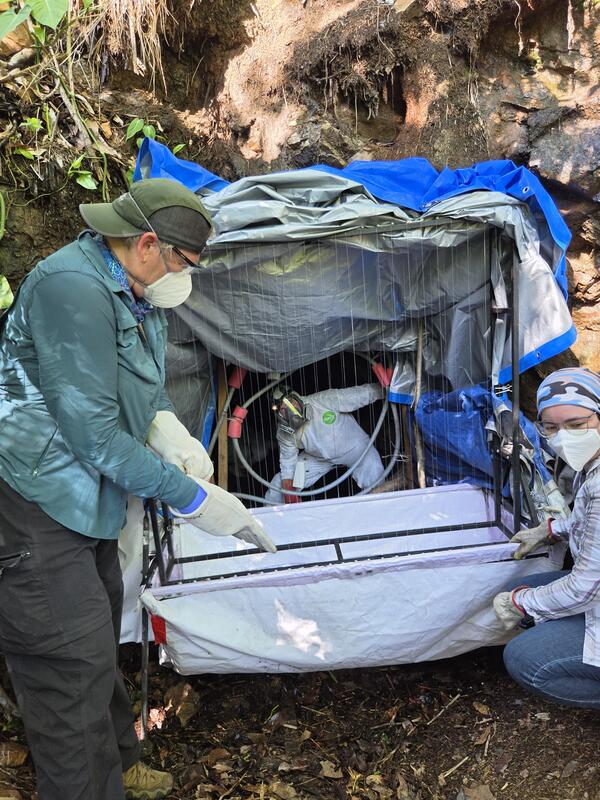
This summer, USGS scientists and collaborators from Mexico, including personnel from the Universidad de Guadalajara Centro Universitario de la Costa Sur (UdeG CUCSUR) and the State Committee for Livestock Health Protection of Jalisco, trekked through the tropical forests of Jalisco, Mexico in search of vampire bats.
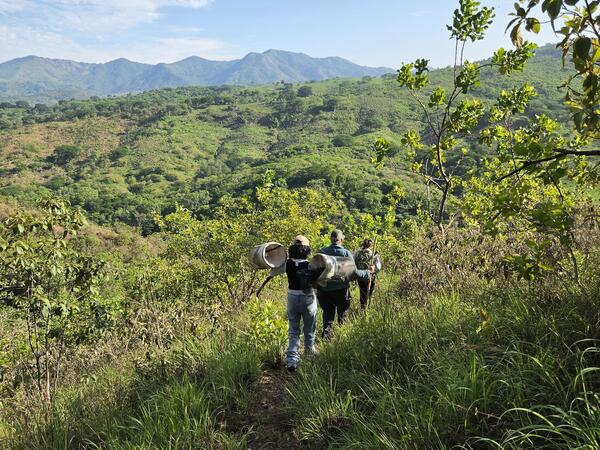
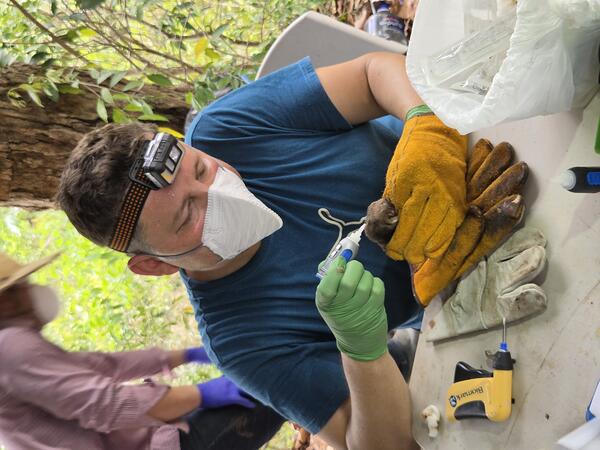
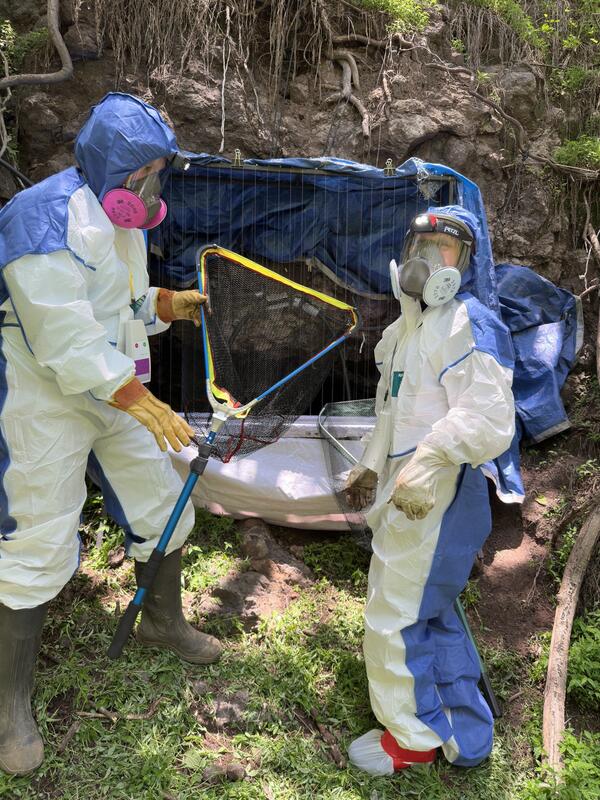
Donning N95 respirators, goggles, and full protective suits, the team visited caves, abandoned buildings, and other places where bats roost to study how the rabies vaccination affects vampire bat populations and to test non-invasive air-sampling methods for detecting the virus in bat roosts.
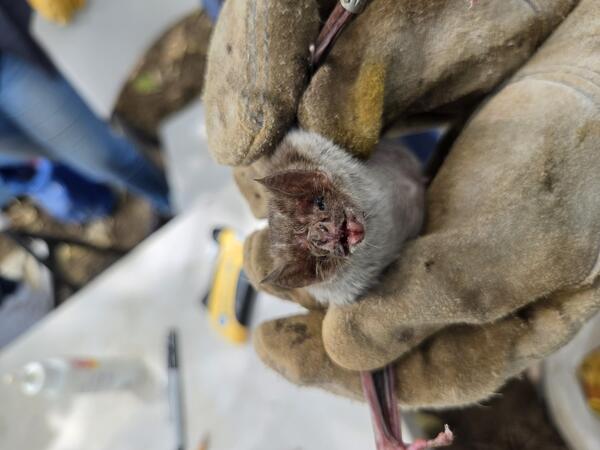
Why vampire bats?
In Latin America, vampire bats are the primary spreader of rabies, threatening people and livestock. USGS wildlife health experts are working to develop a rabies vaccine that is safe and effective for bats—testing the right dosage, delivery methods, and how well it prevents rabies transmission.
These efforts will strengthen rabies early detection and surveillance, helping protect people, livestock, and wildlife.
And because vampire bats are not the only species that carries the rabies virus, this vaccine could be used to prevent rabies transmission in other bat species beyond Latin America.