USGS Scientists Study Airborne Contaminants at Pipestone National Monument
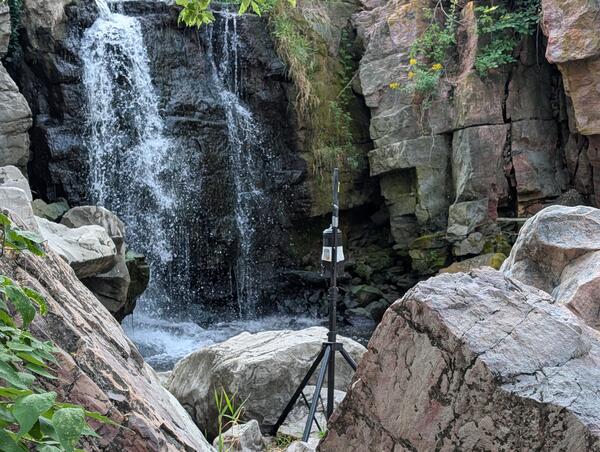
Scientists with the U.S. Geological Survey (USGS) recently completed a field study at Pipestone National Monument aimed at understanding whether contaminants found in Pipestone Creek can also become airborne in the mist generated by Winnewissa Falls.
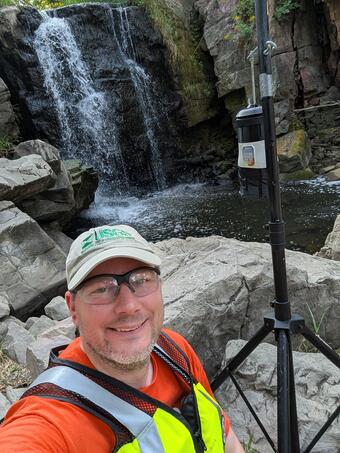
During a four-day sampling effort in early August, researchers collected air and water samples near the falls using a compact, football-sized air sampler. The study focused on determining whether pathogens and other substances present in the creek's water could be detected in airborne droplets surrounding the waterfall.
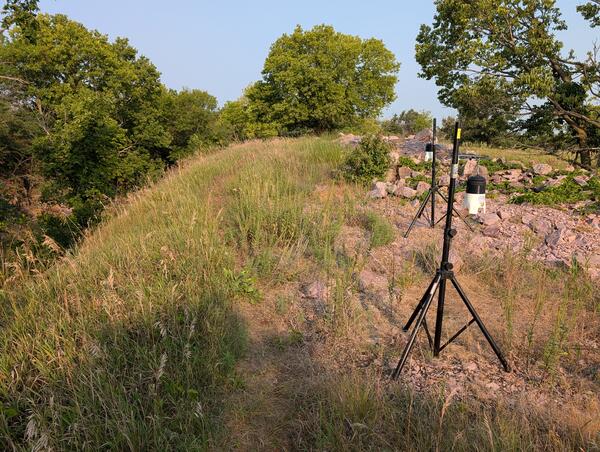
Scientists gathered a total of 32 samples, including 16 air samples and 16 water samples, during morning and afternoon collection periods. Sampling was conducted at two locations: near the base of Winnewissa Falls and at a background site approximately 475 feet upstream.
The project is part of a three-year partnership between the USGS and the National Park Service (NPS) focused on protecting water quality and public health within the monument. Previous studies by USGS researchers detected pesticides, pharmaceuticals, algal toxins, bacteria and elevated levels of E. coli in Pipestone Creek, prompting further investigation into how contaminants may move through the environment.
The latest phase of research examines whether certain microbes found in the water can become aerosolized under specific environmental conditions. Findings from the study will help park managers better understand potential visitor exposure pathways and support informed decisions about resource management and public safety.
Researchers say the work also contributes to broader scientific efforts to understand how contaminants travel between water and air ecosystems, helping protect both natural resources and visitor experiences at national parks.
Results from the study will be analyzed in the coming months and used to guide future management decisions at Pipestone National Monument.