Overview
Urban and suburban development create landscape change that typically results in the deterioration of water quality and subsequently the ecosystems in and around where the development occurs. Stream ecosystems are particularly susceptible to damage as development increases the amount of impervious cover in a watershed, resulting in drastic changes in the timing and magnitude of runoff events. Additionally, development alters the typically conservative natural ecosystems, changing the sources and mobility of nutrients, sediment, and contaminants. This change in hydrology has cascading effects as contaminant transport may increase, stream channels become unstable, habitat is degraded, and communities of aquatic organisms are harmed.
Many entities, including Northern Virginia Stream Restoration Bank (NVSRB), created by Northern Virginia Stream Restoration LLC, a unit within Wetland Studies and Solutions, Inc., a parent of Resource Protection Group, are aspiring to repair these damaged systems and restore them to more resilient and more natural systems that provide a greater level of ecosystem services through the implementation of stream restoration practices using natural channel design. Entities invest millions of dollars annually in stream-restoration efforts. While there is a growing body of scientific literature to inform the design of these practices so that maximum benefit is gained, there remains a need to rigorously quantify water-quality and ecosystem responses at the local scale and to conduct further research into the best practices to maximize these responses.
Objectives
This monitoring program seeks to measure and evaluate system-wide hydrologic, water-chemistry, and ecologic responses to enhanced stream restoration practices, with a focus on the stream environments and practices employed in Snakeden Branch and The Glade in Reston, Virginia. Specifically, this program will:
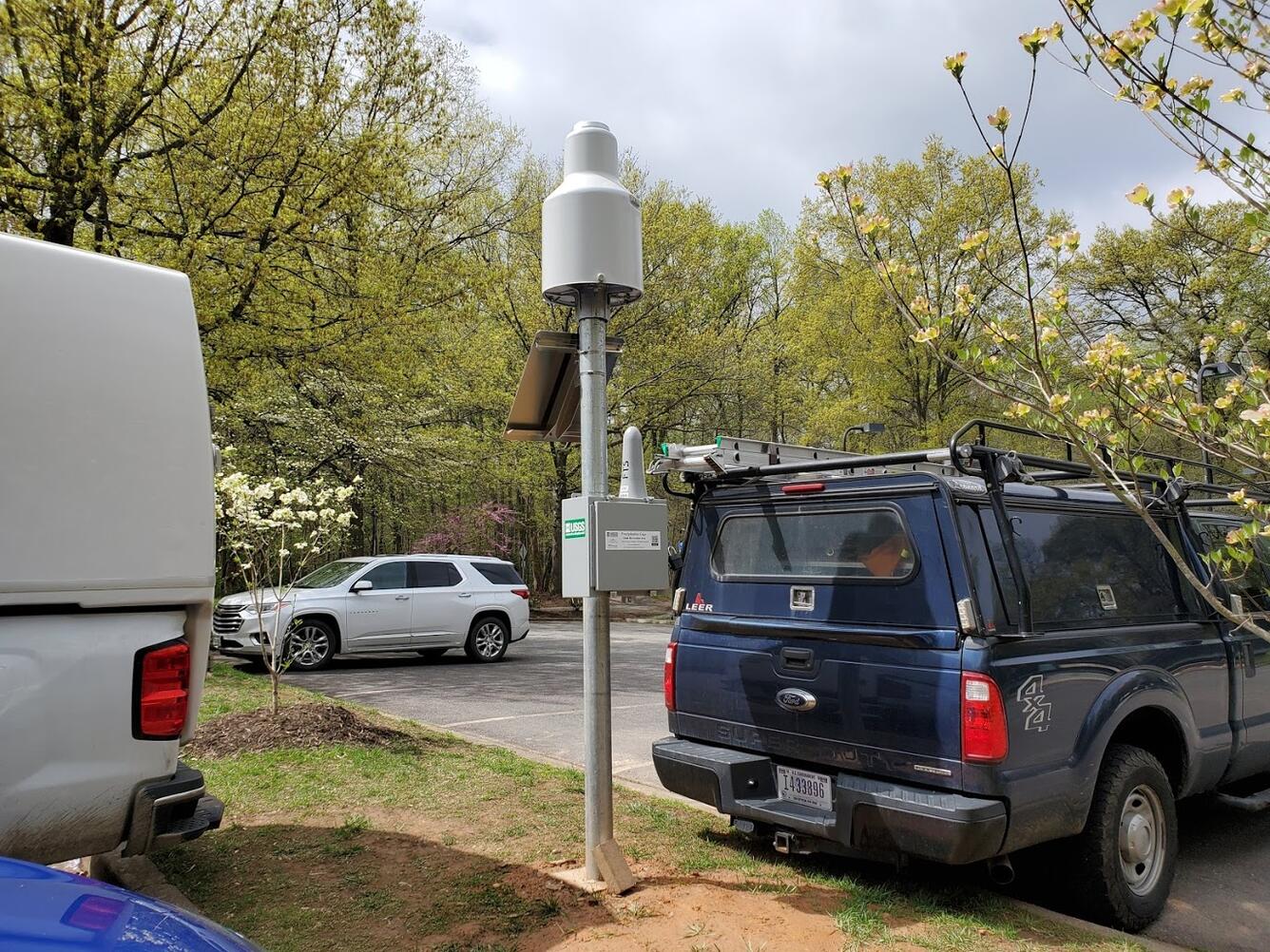
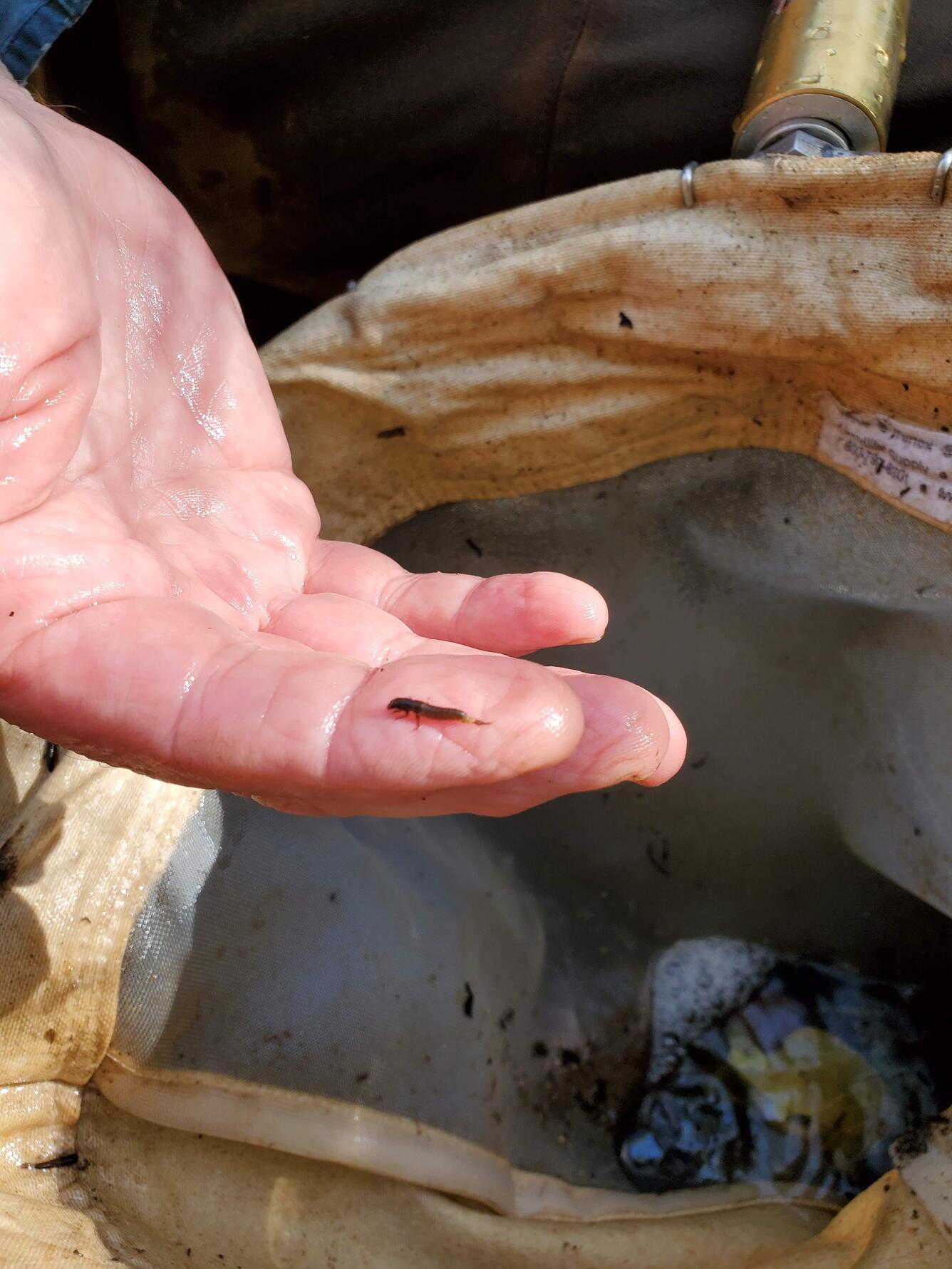
Initiate and conduct precipitation, air temperature, streamflow, water-quality, and ecological monitoring at multiple locations in the Snakeden Branch and The Glade for:
- Two years before enhanced stream restoration practices are implemented,
- Two years during implementation of enhanced stream restoration practices, and
- Two years after implementation of enhanced stream restoration practices.
Monitoring
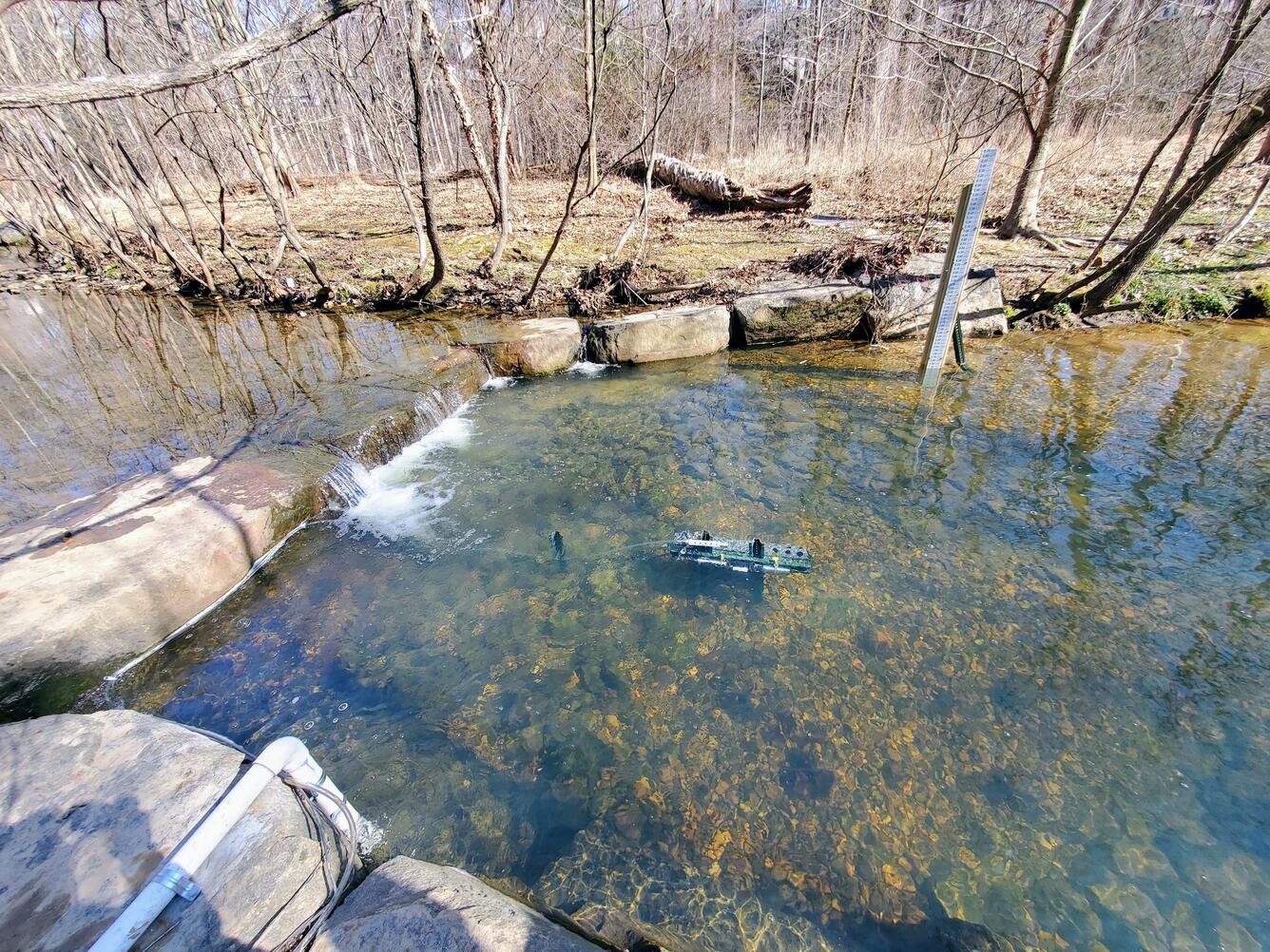
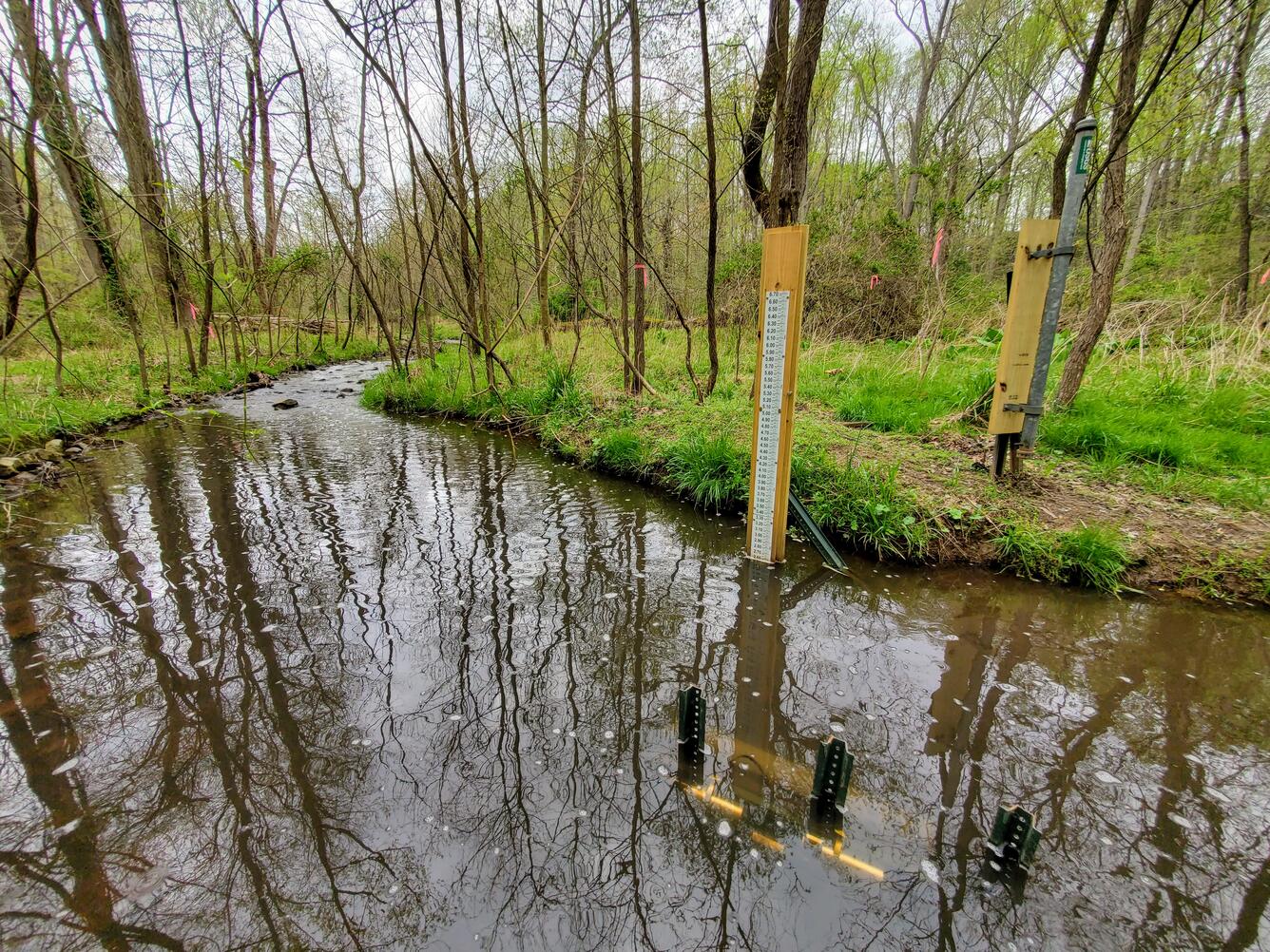
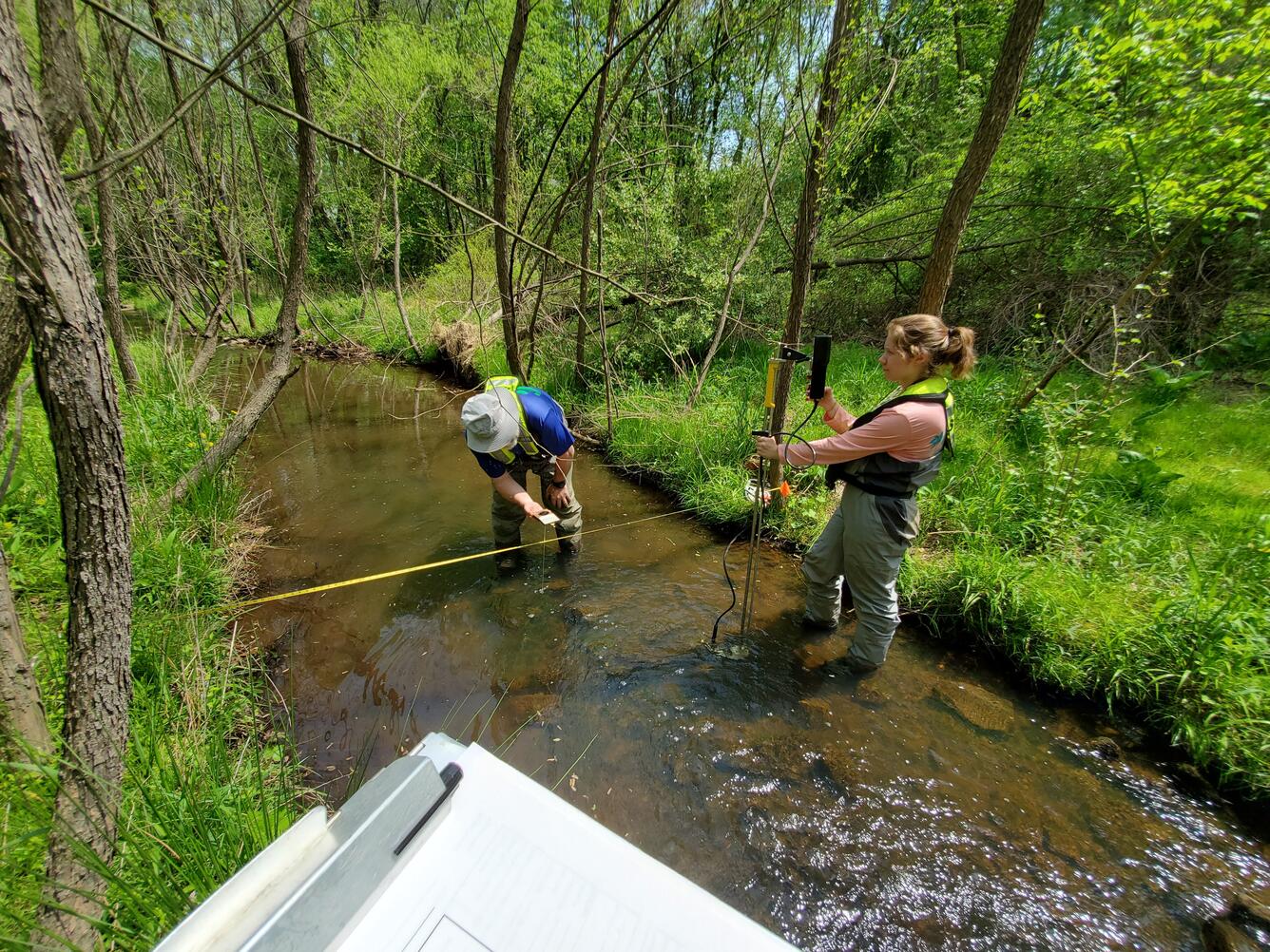
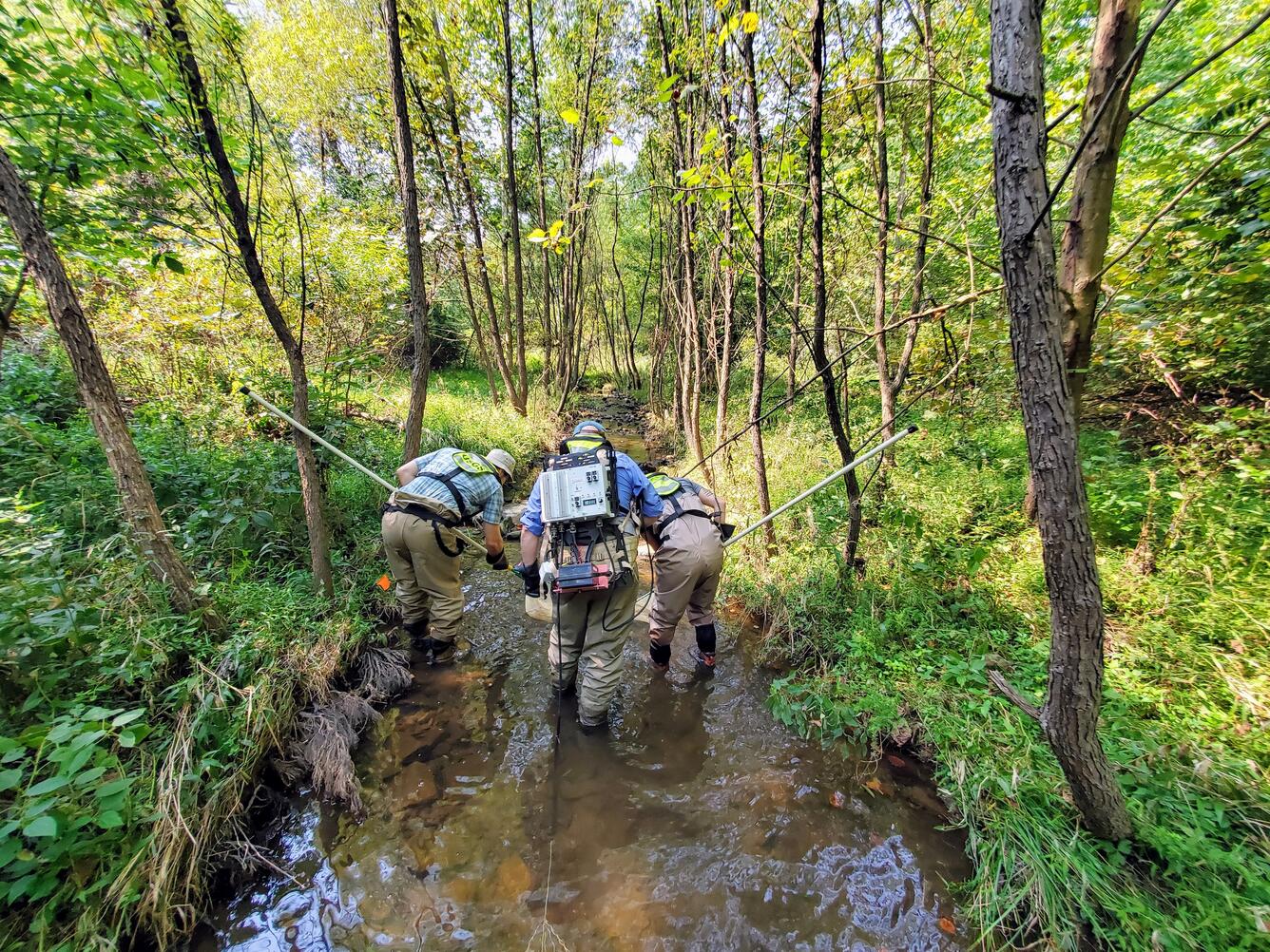
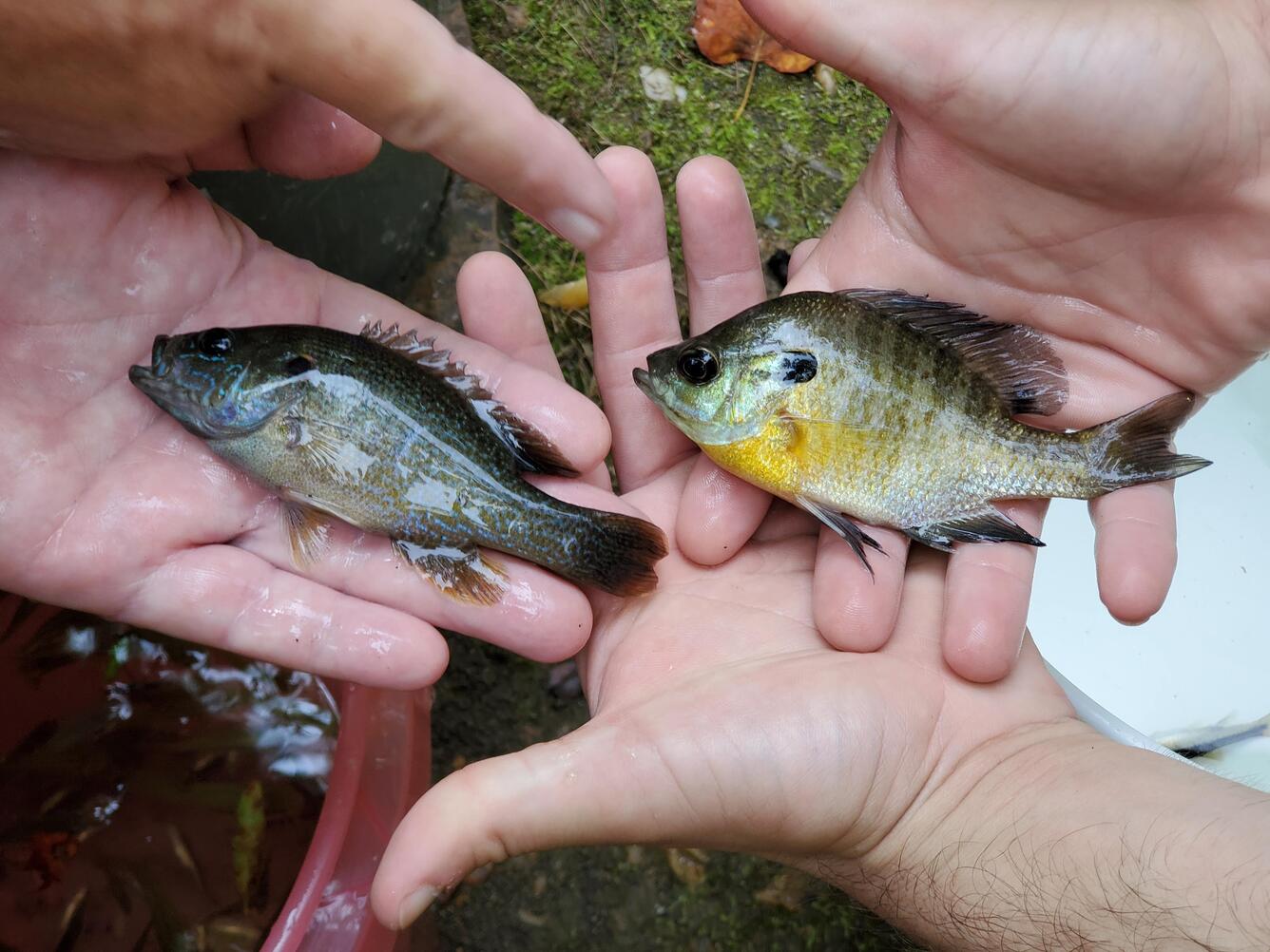
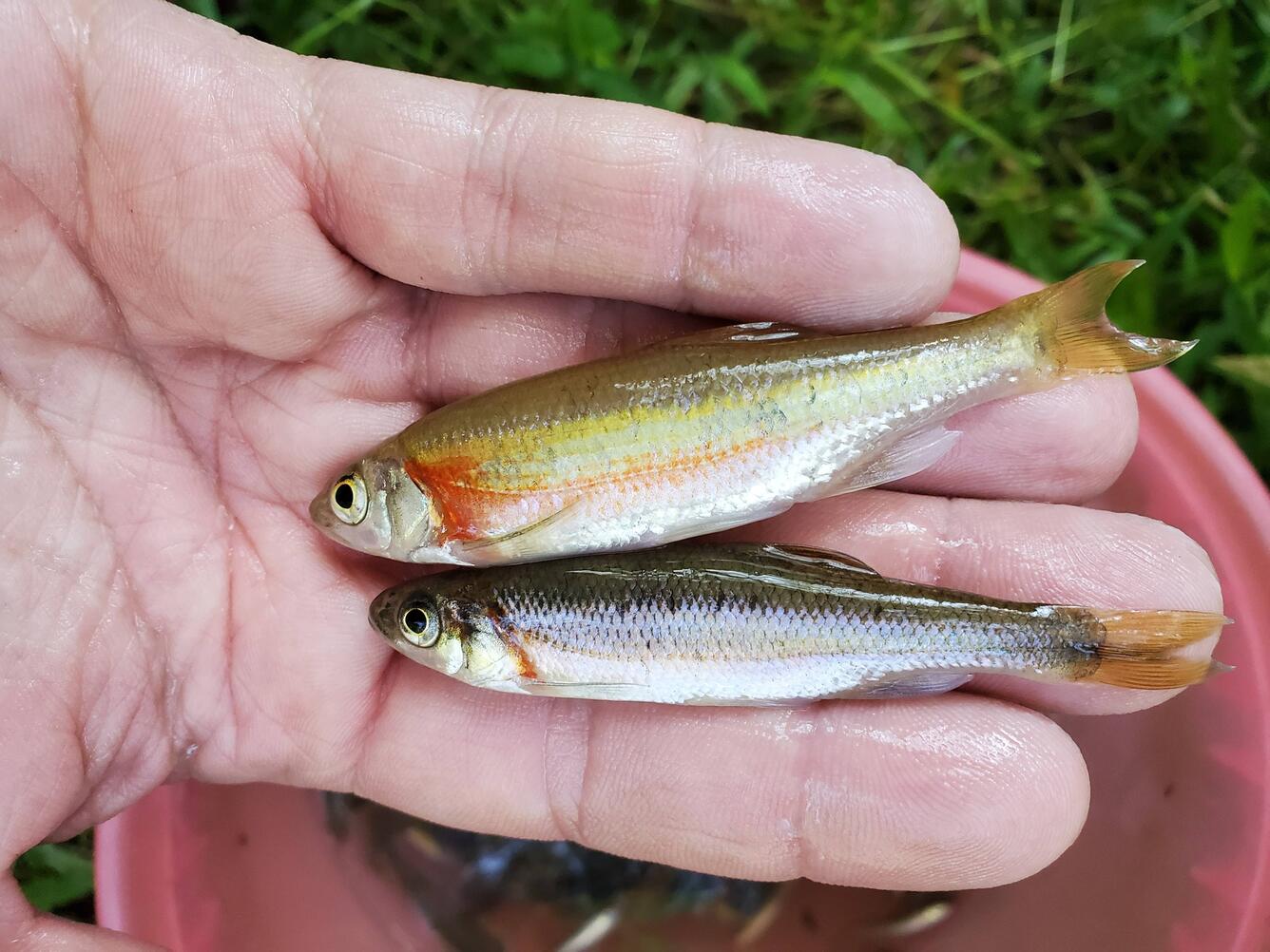
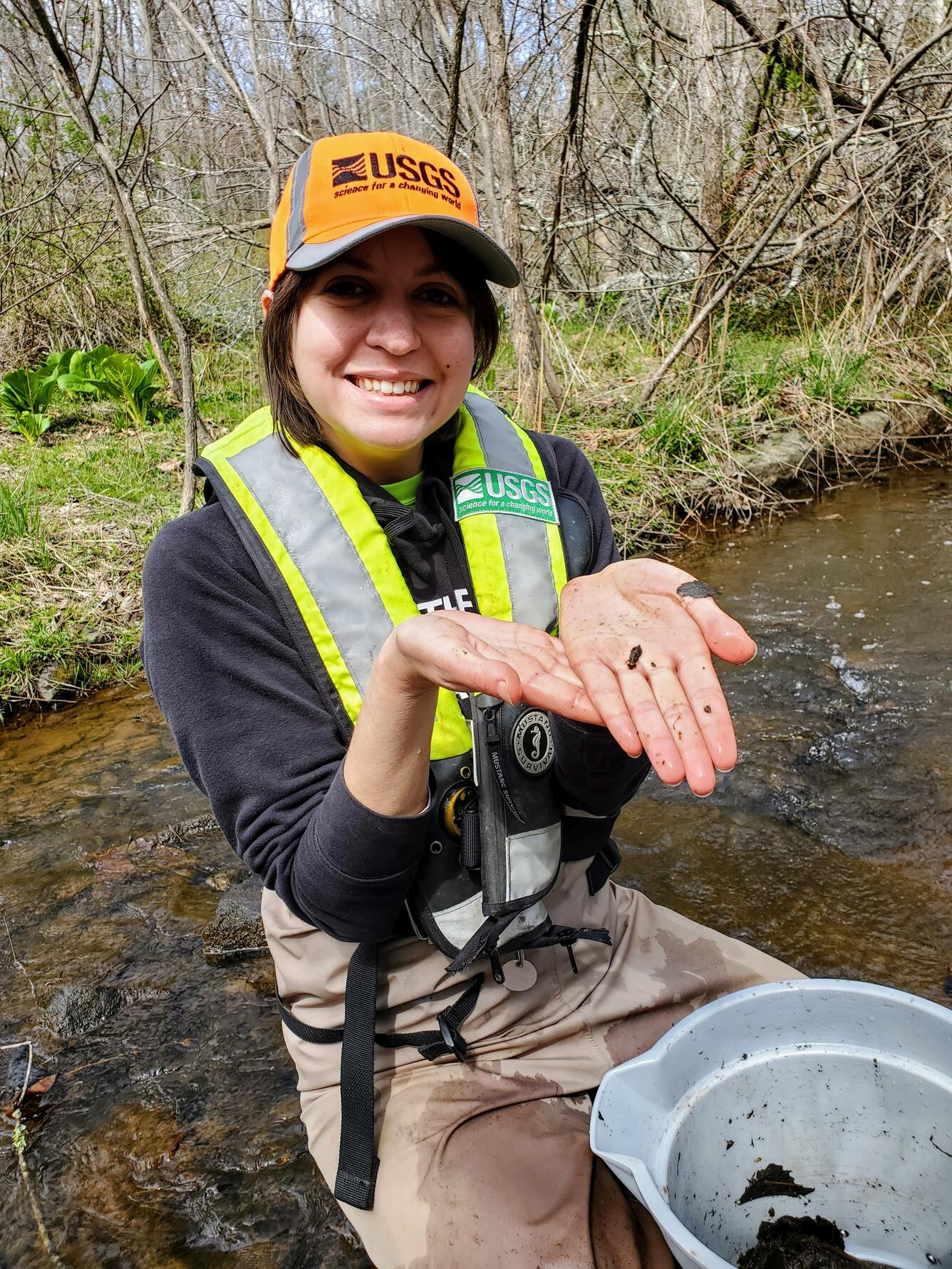
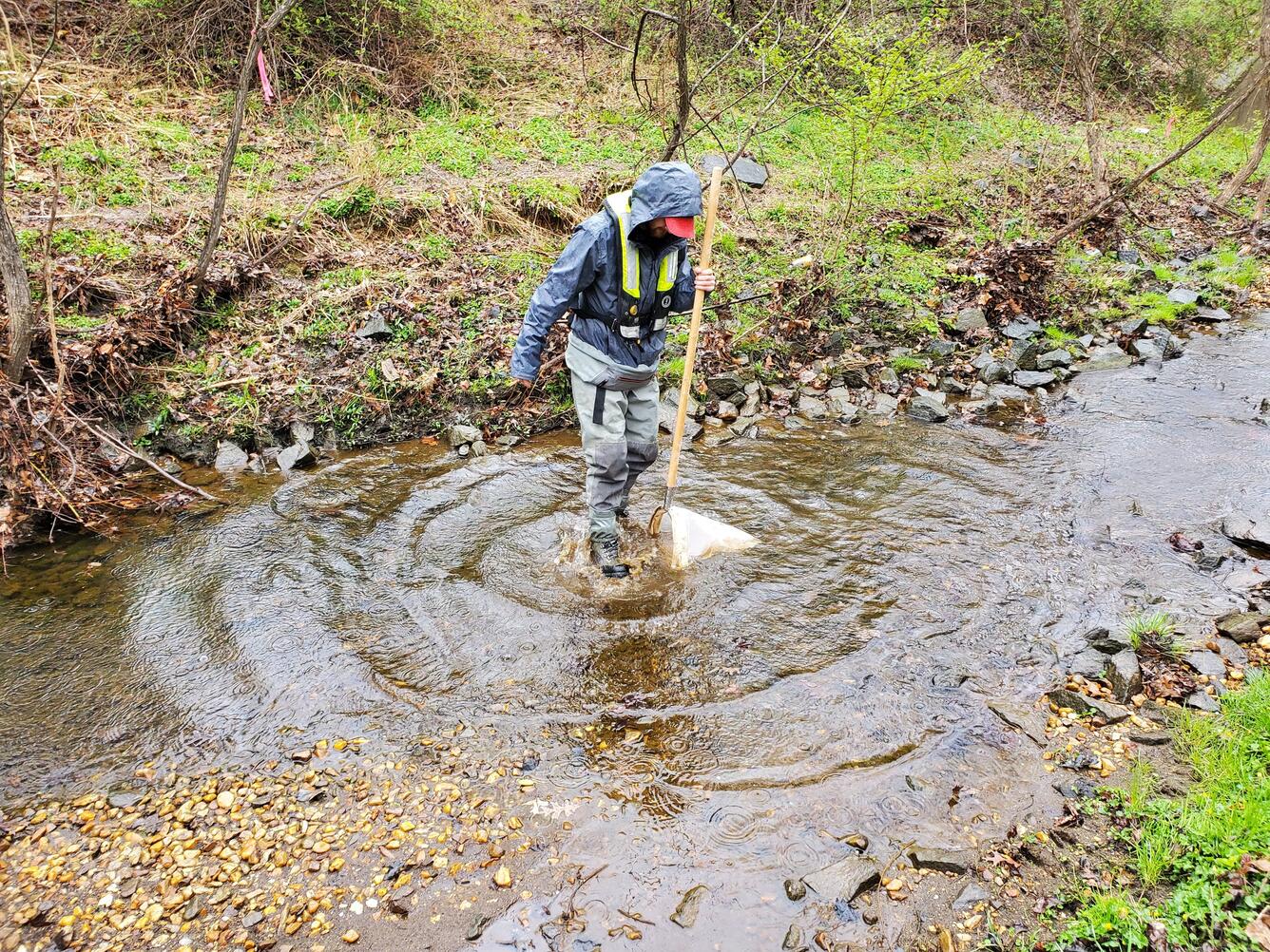
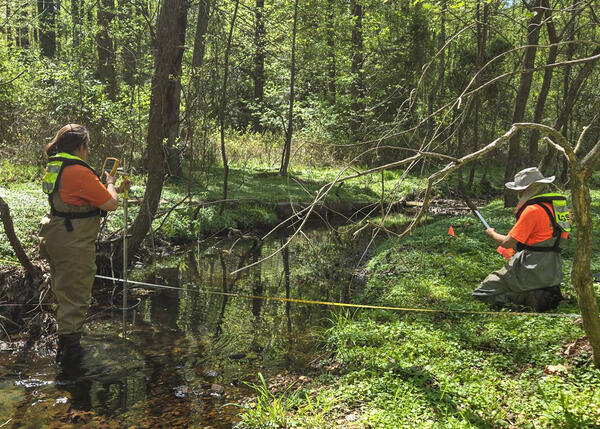
Our scientists have been undertaking fieldwork at Snakeden Branch and The Glade in Reston, Virginia to collect hydrologic, water quality, and ecological data.
Current Conditions
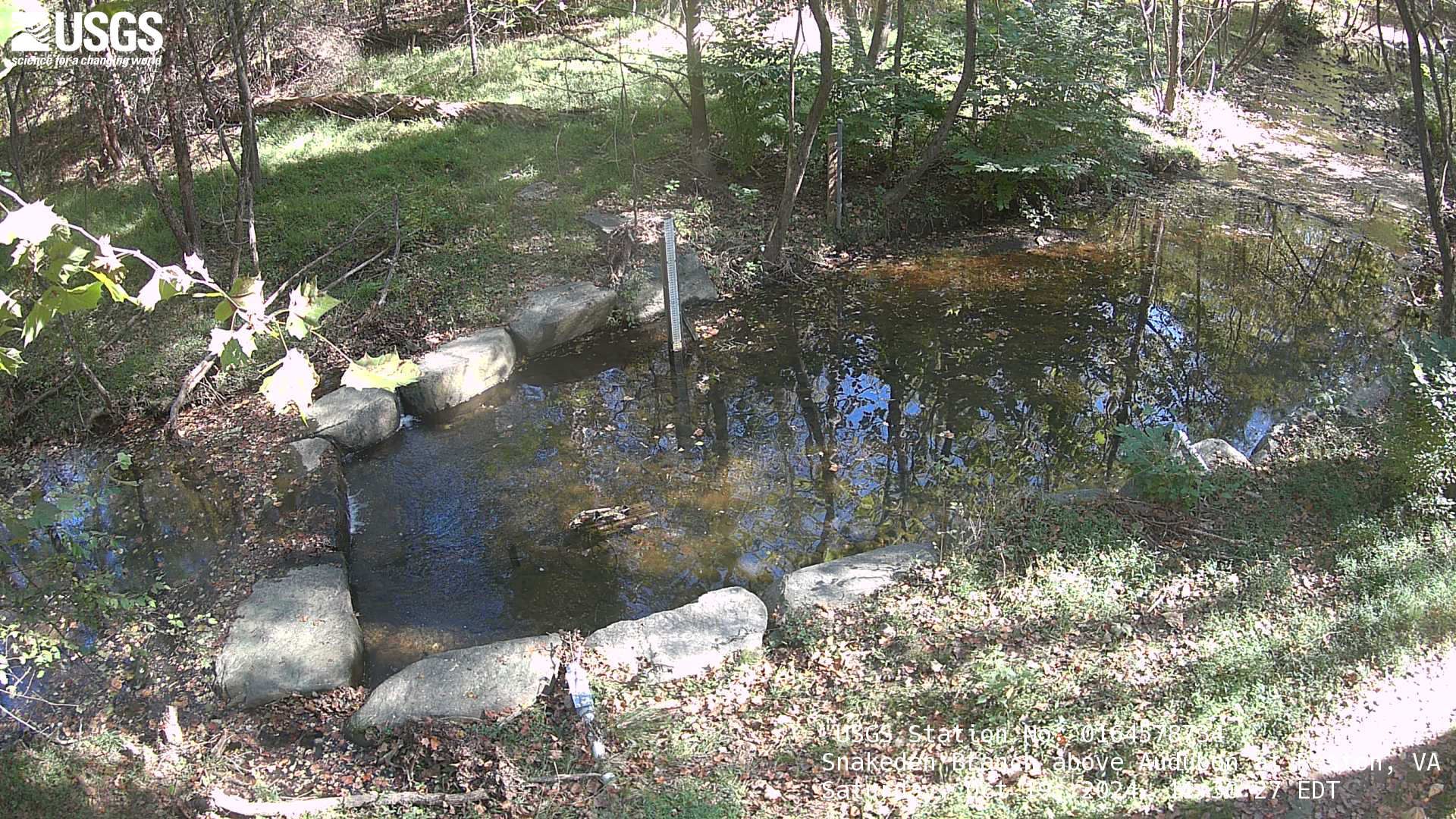
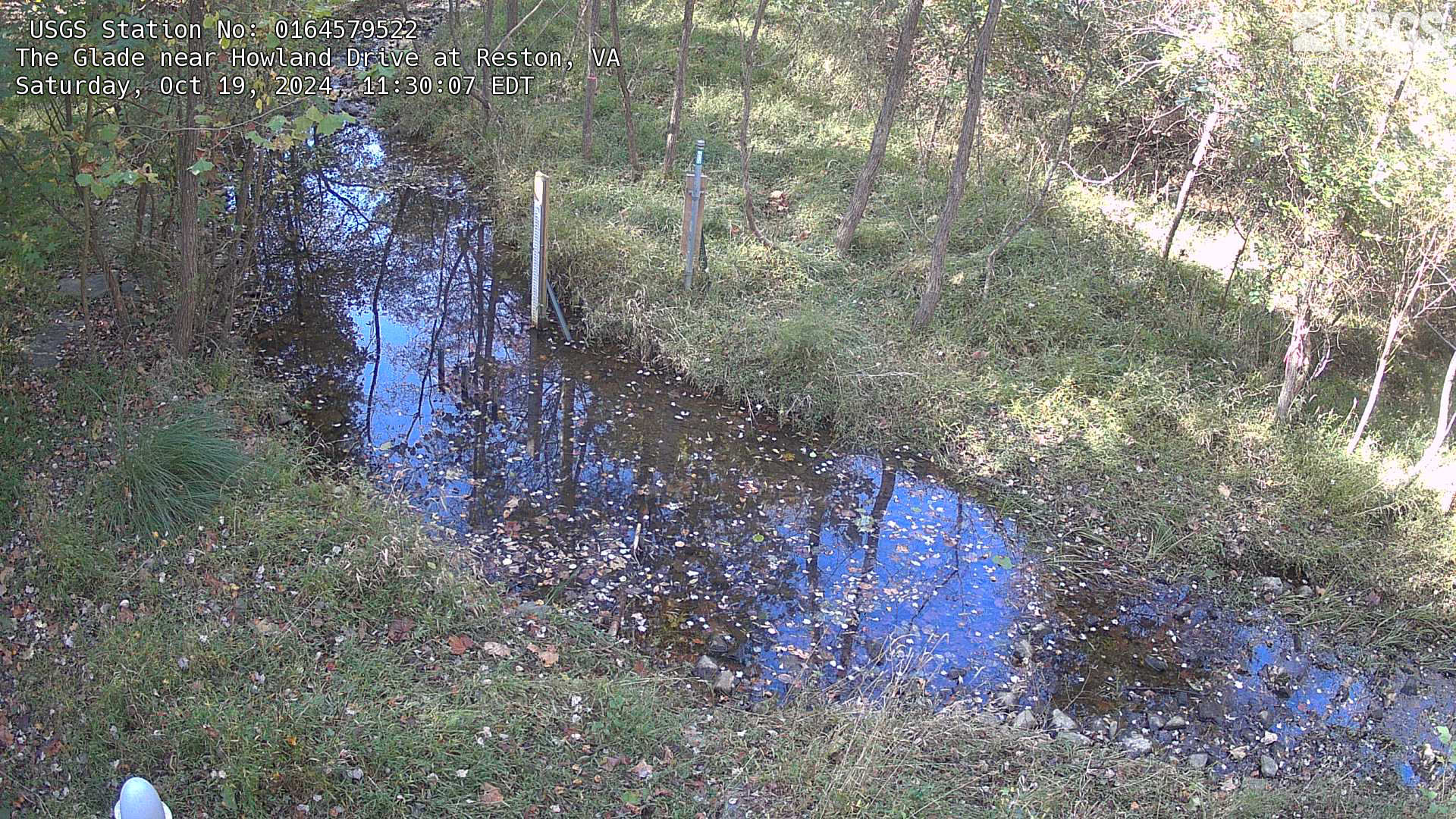
Visit the webcam sites for Snakeden and The Glade for measured parameters, previous images, and timelapse video.