



Dust from the Great Salt Lake dry lakebed: a possible health risk for communities in northern Utah
By analyzing dust samples in northern Utah, the USGS is providing crucial insights about the importance of water and lakebed management to mitigate dust pollution and protect vulnerable communities in northern Utah.
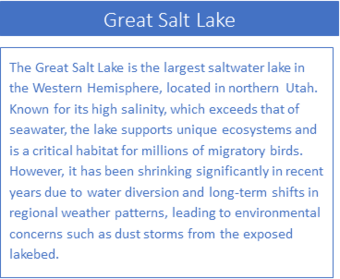
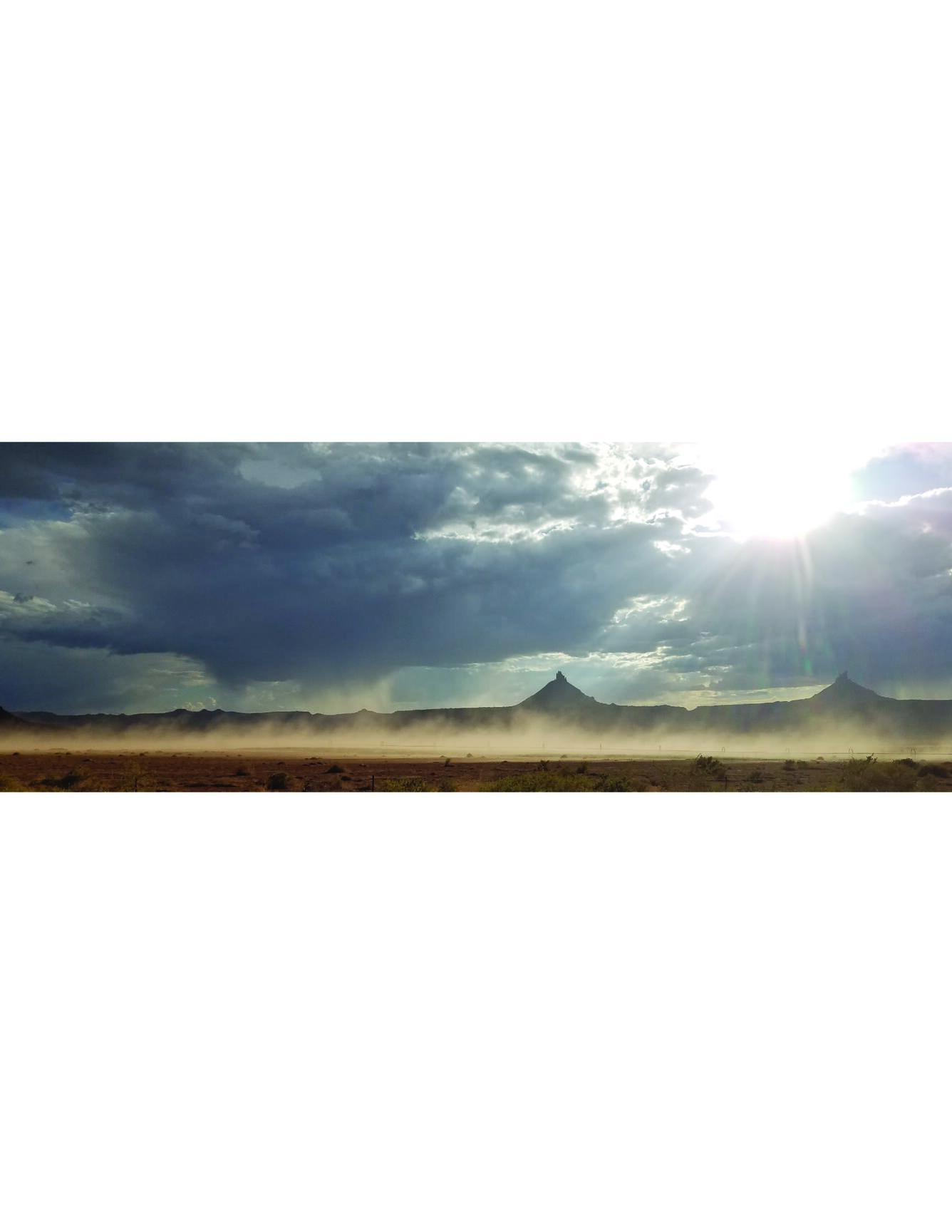
Recent research by the USGS shows that dust from the Great Salt Lake lakebed may contribute to potential health risks for children in communities of northern Utah. The dry surface of the Great Salt Lake's lakebed is made up of salt and other minerals. This exposed lakebed, particularly in Farmington and Bear River Bays, is a worry for dust pollution, because of its proximity to population centers and because of the legacy of pollution from mining, wastewater treatment discharge, agricultural outflows and other sources. Until recently, the lakebed around the Great Salt Lake was covered by water either seasonally or all year round. However, more recently, declines in inflows due to water use and drought have caused parts of the lakebed, including Farmington Bay and Bear River Bay which are the areas of the lakebed closest to population centers, to be dry more often than they are wet.
Dust can be composed of a variety of harmful substances, including heavy metals and chemical pollutants. Dust is most often considered an inhalation hazard, as inhaling a lot of dust can cause breathing problems. Another way people can be exposed is from ingestion, which can happen if dust gets on fruits or vegetables or through hand-to-mouth activities common in young children. Children are particularly vulnerable to ingestion of dust and thus dust-borne contaminants, due to their smaller body sizes and greater rates of ingestion. Exposure to heavy metals and other contaminants during their early years can lead to developmental issues and long-term health problems. By analyzing the types and levels of contaminants present in dust, researchers and public health officials can identify areas where exposure to dust may be more hazardous. This information allows for informed decisions regarding environmental management, public health interventions, and community education programs aimed at reducing exposure.
Assessing the Health Risks of Dust Ingestion
There is significant public concern about air and environmental quality in Northern Utah, particularly regarding the health effects of dust from the drying Great Salt Lake. However, the health science related to Great Salt Lake dust is still developing, and no formal evaluation of its impact on human health has been conducted due to data gaps. To address some of these concerns, researchers sampled dust at 17 sites across northern Utah with the goal of understanding the sources and potential ingestion hazards of dust in the region. The study focused on areas near the Great Salt Lakebed, particularly Farmington and Bear River Bays, and industrial zones with major earthmoving activities. Samples were tested to measure the amount of dust, the size of the dust particles, and potential associated pollutants, including harmful priority pollutant metals like arsenic, lead, and cadmium. The study looked at how dust and metal levels vary in different areas and assessed the health risks of dust ingestion for six age groups, including babies and young children up to 6 years old. The results showed that children under 6 years old are especially vulnerable to health hazards from ingesting dust, if they ingest higher than ‘normal’ amounts of soil and dust. By combining field data with geochemical analysis and health risk assessment techniques, the researchers were able to identify areas receiving more dust from the Great Salt Lake playa and highlight the areas and populations most at risk for health hazards from dust ingestion.
Science to Guide Dust-Mitigation Strategies
The results of this study underscore the importance of addressing dust pollution to protect public health, especially for young children in northern Utah. Dust emitted from the Great Salt Lake dry lakebed is likely an important contributor of priority pollutants in communities near the lake. Identifying the sources of dust pollution helps in developing strategies to mitigate dust emissions, such as increasing water levels in the Lake or implementing dust control measures. Mitigating the drying of the Great Salt Lake can have a meaningful impact on reducing dust-mediated metal exposure for children and communities.

This work has informed the Utah Department of Air Quality's plans to install additional active samplers for necessary health evaluations. The findings also support the Office of the Great Salt Lake Commissioner's efforts to restore healthy lake levels and the Utah Department of Natural Resources' management of the dry lakebed.
This study has been supported by the Utah Department of Natural Resources (Great Salt Lake Research Grants) and the U.S. Geological Survey Ecosystems Mission Area, through the Environmental Health Program (Contaminant Biology and Toxic Substances Hydrology).
Stay in Touch with the Geospatial Analysis and Applications Core Technology Team
By analyzing dust samples in northern Utah, the USGS is providing crucial insights about the importance of water and lakebed management to mitigate dust pollution and protect vulnerable communities in northern Utah.
Recent research by the USGS shows that dust from the Great Salt Lake lakebed may contribute to potential health risks for children in communities of northern Utah. The dry surface of the Great Salt Lake's lakebed is made up of salt and other minerals. This exposed lakebed, particularly in Farmington and Bear River Bays, is a worry for dust pollution, because of its proximity to population centers and because of the legacy of pollution from mining, wastewater treatment discharge, agricultural outflows and other sources. Until recently, the lakebed around the Great Salt Lake was covered by water either seasonally or all year round. However, more recently, declines in inflows due to water use and drought have caused parts of the lakebed, including Farmington Bay and Bear River Bay which are the areas of the lakebed closest to population centers, to be dry more often than they are wet.
Dust can be composed of a variety of harmful substances, including heavy metals and chemical pollutants. Dust is most often considered an inhalation hazard, as inhaling a lot of dust can cause breathing problems. Another way people can be exposed is from ingestion, which can happen if dust gets on fruits or vegetables or through hand-to-mouth activities common in young children. Children are particularly vulnerable to ingestion of dust and thus dust-borne contaminants, due to their smaller body sizes and greater rates of ingestion. Exposure to heavy metals and other contaminants during their early years can lead to developmental issues and long-term health problems. By analyzing the types and levels of contaminants present in dust, researchers and public health officials can identify areas where exposure to dust may be more hazardous. This information allows for informed decisions regarding environmental management, public health interventions, and community education programs aimed at reducing exposure.
Assessing the Health Risks of Dust Ingestion
There is significant public concern about air and environmental quality in Northern Utah, particularly regarding the health effects of dust from the drying Great Salt Lake. However, the health science related to Great Salt Lake dust is still developing, and no formal evaluation of its impact on human health has been conducted due to data gaps. To address some of these concerns, researchers sampled dust at 17 sites across northern Utah with the goal of understanding the sources and potential ingestion hazards of dust in the region. The study focused on areas near the Great Salt Lakebed, particularly Farmington and Bear River Bays, and industrial zones with major earthmoving activities. Samples were tested to measure the amount of dust, the size of the dust particles, and potential associated pollutants, including harmful priority pollutant metals like arsenic, lead, and cadmium. The study looked at how dust and metal levels vary in different areas and assessed the health risks of dust ingestion for six age groups, including babies and young children up to 6 years old. The results showed that children under 6 years old are especially vulnerable to health hazards from ingesting dust, if they ingest higher than ‘normal’ amounts of soil and dust. By combining field data with geochemical analysis and health risk assessment techniques, the researchers were able to identify areas receiving more dust from the Great Salt Lake playa and highlight the areas and populations most at risk for health hazards from dust ingestion.
Science to Guide Dust-Mitigation Strategies
The results of this study underscore the importance of addressing dust pollution to protect public health, especially for young children in northern Utah. Dust emitted from the Great Salt Lake dry lakebed is likely an important contributor of priority pollutants in communities near the lake. Identifying the sources of dust pollution helps in developing strategies to mitigate dust emissions, such as increasing water levels in the Lake or implementing dust control measures. Mitigating the drying of the Great Salt Lake can have a meaningful impact on reducing dust-mediated metal exposure for children and communities.
This work has informed the Utah Department of Air Quality's plans to install additional active samplers for necessary health evaluations. The findings also support the Office of the Great Salt Lake Commissioner's efforts to restore healthy lake levels and the Utah Department of Natural Resources' management of the dry lakebed.
This study has been supported by the Utah Department of Natural Resources (Great Salt Lake Research Grants) and the U.S. Geological Survey Ecosystems Mission Area, through the Environmental Health Program (Contaminant Biology and Toxic Substances Hydrology).