



Idaho Cooperative Fish and Wildlife Research Unit
The Idaho Cooperative Fish and Wildlife Unit (est. 1947) is a partnership among the Idaho Department of Fish and Game, University of Idaho, the U.S. Geological Survey, the U.S. Fish and Wildlife Service, and the Wildlife Management Institute.
The Idaho Cooperative Wildlife Research Unit was established at the University of Idaho on September 20, 1947, and the Idaho Cooperative Fishery Research Unit was established in 1963. The two Units were combined into the Idaho Cooperative Fish and Wildlife Research Unit in 1985. The Unit is housed in the Department of Fish and Wildlife Resources in the College of Natural Resources.
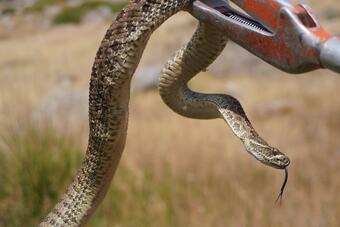
Research is primarily focused on management questions in Idaho, but other research is conducted throughout North America. Unit research is supported by State contributions and by contracts from the Idaho Department of Fish & Game, U.S. Geological Survey, Bureau of Land Management, U.S. Fish and Wildlife Service, U.S. Forest Service, Bonneville Power Administration, Northwest Power Planning Council, and other federal, state, tribal, and private organizations. In addition to research activities, Unit personnel teach graduate-level courses, serve as advisors for graduate students, and participate in a variety of professional activities. The Unit emphasizes research to:
(1) Help find solutions to problems affecting fish and wildlife resources
(2) Develop and evaluate sampling designs for monitoring fish and wildlife populations
(3) Evaluate population dynamics of recreationally harvested fish and wildlife populations
(4) Evaluate the effectiveness of efforts to recover or prevent listing of endangered species.
As part of our mission, Unit scientists teach graduate level courses, mentor graduate students, and conduct workshops for our cooperators. By combining teaching, research and technical assistance, the Idaho Cooperative Fish and Wildlife Research Unit provides students not only with an opportunity to pursue a graduate degree, but also receive unparalleled scientific training and applied work experience.
Students in the Idaho Unit Program can pursue an M.S. or Ph.D. degree through the College of Natural Resources at the University of Idaho.
The Idaho Cooperative Fish and Wildlife Unit (est. 1947) is a partnership among the Idaho Department of Fish and Game, University of Idaho, the U.S. Geological Survey, the U.S. Fish and Wildlife Service, and the Wildlife Management Institute.
The Idaho Cooperative Wildlife Research Unit was established at the University of Idaho on September 20, 1947, and the Idaho Cooperative Fishery Research Unit was established in 1963. The two Units were combined into the Idaho Cooperative Fish and Wildlife Research Unit in 1985. The Unit is housed in the Department of Fish and Wildlife Resources in the College of Natural Resources.
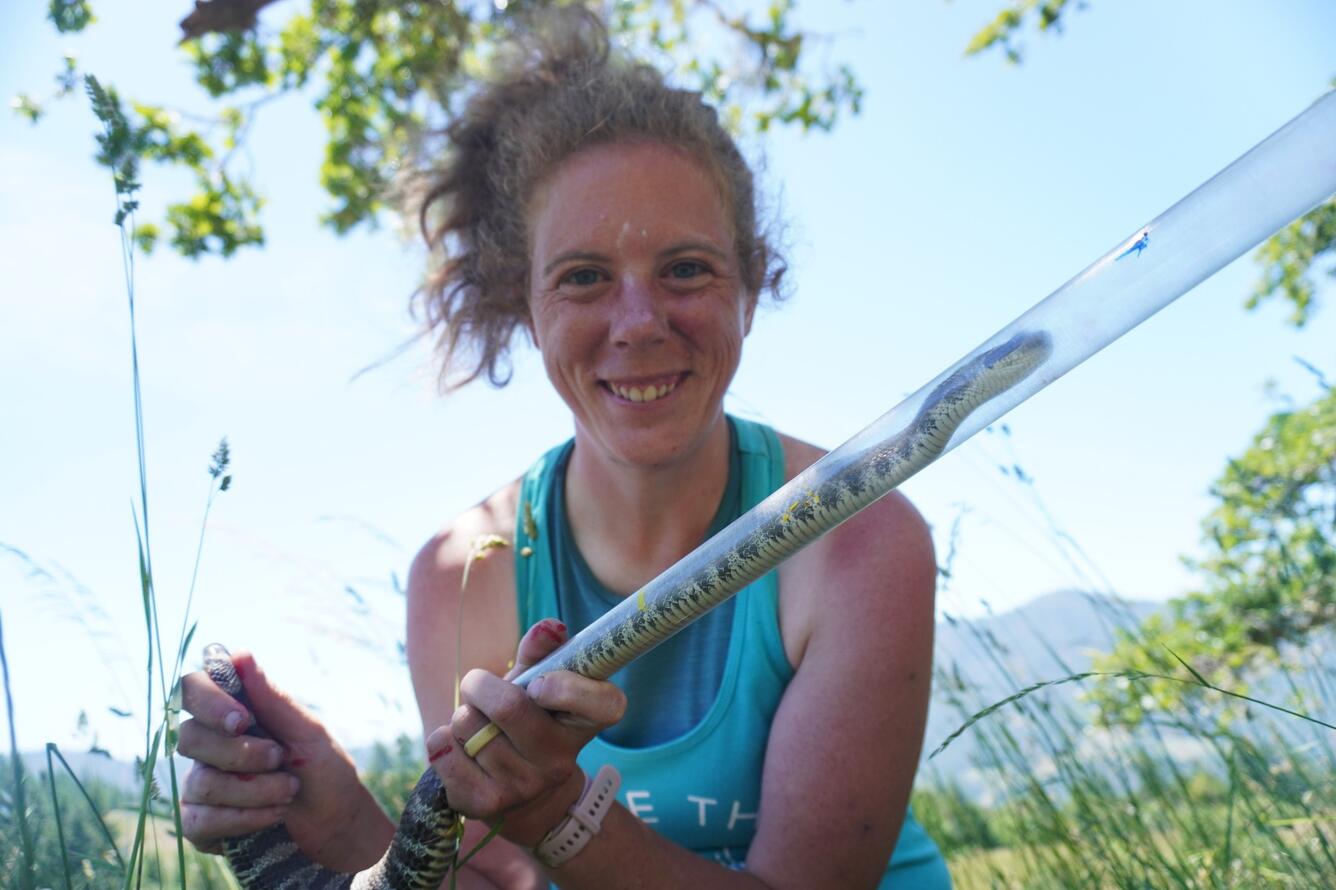
Research is primarily focused on management questions in Idaho, but other research is conducted throughout North America. Unit research is supported by State contributions and by contracts from the Idaho Department of Fish & Game, U.S. Geological Survey, Bureau of Land Management, U.S. Fish and Wildlife Service, U.S. Forest Service, Bonneville Power Administration, Northwest Power Planning Council, and other federal, state, tribal, and private organizations. In addition to research activities, Unit personnel teach graduate-level courses, serve as advisors for graduate students, and participate in a variety of professional activities. The Unit emphasizes research to:
(1) Help find solutions to problems affecting fish and wildlife resources
(2) Develop and evaluate sampling designs for monitoring fish and wildlife populations
(3) Evaluate population dynamics of recreationally harvested fish and wildlife populations
(4) Evaluate the effectiveness of efforts to recover or prevent listing of endangered species.
As part of our mission, Unit scientists teach graduate level courses, mentor graduate students, and conduct workshops for our cooperators. By combining teaching, research and technical assistance, the Idaho Cooperative Fish and Wildlife Research Unit provides students not only with an opportunity to pursue a graduate degree, but also receive unparalleled scientific training and applied work experience.
Students in the Idaho Unit Program can pursue an M.S. or Ph.D. degree through the College of Natural Resources at the University of Idaho.