



Science in Support of Energy and Minerals Development on Public Lands
America has abundant energy and natural resources, including oil, natural gas, and critical minerals. The USGS Ecosystems Mission Area supports planning, permitting, and leasing of energy and minerals by conducting research relevant to each stage of the Energy Resources Life Cycle.
Bureaus and offices in the Department of the Interior responsible for managing energy and minerals resources need relevant science, data, and mapping tools to inform their decisions and environmental reviews. USGS science products reduce the time managers need to find, evaluate, and apply the best available science to those decisions. As a result, readily available science supports efficient and effective planning, permitting, and leasing of energy and minerals.
The purpose of this page is to aggregate credible, rigorous science, data, and decision-support tools to facilitate access and use for streamlined permitting, analysis, and decision-making related to Energy and Minerals.
Science for Efficient Decision Making
Considering relevant science in decision making supports achievement of desired management outcomes, informs best management practices, and, on federal lands, is required by foundational laws such as the National Environmental Policy Act, Endangered Species Act, and Clean Air and Clean Water Acts. Environmental reviews can be expedited by proactively developing, publishing, and making readily available the science and data needed for those reviews.
Tabs below bring together core USGS Ecosystems Mission Area science and data to help managers understand and assess potential effects of energy and minerals development on resources of management interest – a required step in environmental review. In light of these assessments, science about effective avoidance and reclamation measures can then inform implementation of design features that help projects avoid and minimize adverse effects to resources of concern. Management staff can use this science with confidence to inform their planning and permitting decisions. Products highlighted below specifically investigate or synthesize science to support decision-making for energy and minerals development. Categories include:
Soils & Vegetation

- Study & Data: Oil and gas development influences potential for dust emission from the Upper Colorado River Basin, USA
- Study: Potential Effects of Energy Development on Environmental Resources of the Williston Basin in Montana, North Dakota, and South Dakota
- Data: Vegetation and soil data from reclaimed oil and gas well pads managed by the Bureau of Land Management, Carlsbad Field Office, New Mexico
- Study and Data: Vegetation cover and composition in environments surrounding uranium mines in the Grand Canyon ecosystem, Northern Arizona
- Study: Autumn olive (Elaeagnus umbellata) presence and proliferation on former surface coal mines in Eastern USA
- Annotated Bibliography: Effects of traffic on the establishment and spread of invasive annual grasses
- Annotated Bibliography: Effects of vegetation and soils surface disturbance and reclamation on invasive annual grasses
Wildlife
Birds
- Synthesis: Effects of noise from oil and gas development on raptors and songbirds
- Study: Investigating impacts of oil and gas development on greater sage-grouse
- Study & Data: Influences of potential oil and gas development and future climate on sage-grouse declines and redistribution
- Study & Data: Movements and habitat use of loons for assessment of conservation buffer zones in the Arctic Coastal Plain of northern Alaska (National Petroleum Reserve, Alaska)
- Study & Data: Prioritizing habitats based on abundance and distribution of molting waterfowl in the Teshekpuk Lake Special Area of the National Petroleum Reserve, Alaska
Mammals
- Synthesis: Effects of noise from oil and gas development on ungulates and small mammals
- Study: Distance effects of gas field infrastructure on pygmy rabbits in southwestern Wyoming
- Study: Caribou use of habitat near energy development in Arctic Alaska
- Study: Pronghorn (Antilocapra americana) population productivity, woody encroachment and oil and gas development
- Study & Data: Effects of vehicle traffic on space use and road crossings of caribou in the Arctic
Other Wildlife
- Synthesis: Potential Effects of Energy Development on Environmental Resources of the Williston Basin in Montana, North Dakota, and South Dakota
- Literature Review: Responses of vertebrate wildlife to oil and natural gas development: Patterns and frontiers
- Study: Toxicity of crude oil-derived polar unresolved complex mixtures to Pacific herring embryos
- Study: Associations between environmental pollutants and larval amphibians in wetlands contaminated by energy-related brines are potentially mediated by feeding traits
Reclamation
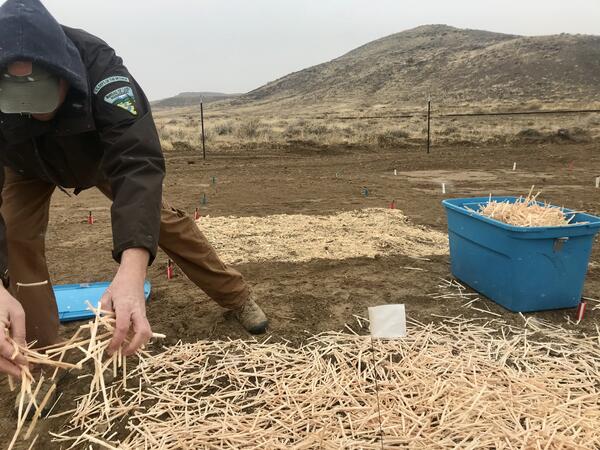
- Annotated Bibliography: Oil and Gas Reclamation Best Management Practices in the Western United States, Published from 1969 through 2020
- Annotated Bibliography: Effects of vegetation and soils surface disturbance and reclamation on invasive annual grasses
- Synthesis: Remote Sensing for Monitoring Mine Lands and Recovery Efforts
Web Tools
- Surface Disturbance Analysis and Reclamation Tracking web Tool (About page)
- WebDART: A web tool to evaluate reclamation efficacy (About page)
- Science-based Hazard Assessment and Restoration of Mined Lands: Decision Support Tool
Additional Reclamation Science
- Study: Reclamation after oil and gas development does not speed up succession or plant community recovery in big sagebrush ecosystems in Wyoming
- Study & Data: Time, climate, and soil settings set the course for reclamation outcomes following dryland energy development (Colorado Plateau)
- Study & Data: Dryland soil recovery after energy development in the Colorado Plateau
- Data: Vegetation composition, soil characteristics, horizontal mass flux, and weather data (2018-2024) from a dryland reclamation experiment at a former uranium mine in northern Arizona, USA
- Literature review: Energy development and production in the Great Plains: Implications and restoration opportunities
Additional USGS Science
Decades of science on energy and minerals can be found across USGS Mission Areas, including the Ecosystems Mission Area, the Geology, Energy and Minerals Mission Area, the Core Science Systems Mission Area, and the Water Resources Mission Area.
Alaska Petroleum Systems
Alaska Wildlife Tracking Data Collection
California Oil, Gas, and Groundwater (COGG) Program
Drought Science
Energy and Wildlife Science
Energy Production and Water Science
Energy Resources Program
Environmental Health – Energy Resources Life Cycle Team
Marine Bird Population Assessments in the Gulf
Mineral Resources Program
RAMPS: Restoration Assessment & Monitoring Program for the Southwest
Sagebrush and Sage-grouse Science
Science for Resource Managers Bibliography Search Tool
Science Syntheses for Public Lands Management
Ungulate Migrations of the West
Wyoming Landscape Conservation Initiative
America has abundant energy and natural resources, including oil, natural gas, and critical minerals. The USGS Ecosystems Mission Area supports planning, permitting, and leasing of energy and minerals by conducting research relevant to each stage of the Energy Resources Life Cycle.
Bureaus and offices in the Department of the Interior responsible for managing energy and minerals resources need relevant science, data, and mapping tools to inform their decisions and environmental reviews. USGS science products reduce the time managers need to find, evaluate, and apply the best available science to those decisions. As a result, readily available science supports efficient and effective planning, permitting, and leasing of energy and minerals.
The purpose of this page is to aggregate credible, rigorous science, data, and decision-support tools to facilitate access and use for streamlined permitting, analysis, and decision-making related to Energy and Minerals.
Science for Efficient Decision Making
Considering relevant science in decision making supports achievement of desired management outcomes, informs best management practices, and, on federal lands, is required by foundational laws such as the National Environmental Policy Act, Endangered Species Act, and Clean Air and Clean Water Acts. Environmental reviews can be expedited by proactively developing, publishing, and making readily available the science and data needed for those reviews.
Tabs below bring together core USGS Ecosystems Mission Area science and data to help managers understand and assess potential effects of energy and minerals development on resources of management interest – a required step in environmental review. In light of these assessments, science about effective avoidance and reclamation measures can then inform implementation of design features that help projects avoid and minimize adverse effects to resources of concern. Management staff can use this science with confidence to inform their planning and permitting decisions. Products highlighted below specifically investigate or synthesize science to support decision-making for energy and minerals development. Categories include:
Soils & Vegetation
- Study & Data: Oil and gas development influences potential for dust emission from the Upper Colorado River Basin, USA
- Study: Potential Effects of Energy Development on Environmental Resources of the Williston Basin in Montana, North Dakota, and South Dakota
- Data: Vegetation and soil data from reclaimed oil and gas well pads managed by the Bureau of Land Management, Carlsbad Field Office, New Mexico
- Study and Data: Vegetation cover and composition in environments surrounding uranium mines in the Grand Canyon ecosystem, Northern Arizona
- Study: Autumn olive (Elaeagnus umbellata) presence and proliferation on former surface coal mines in Eastern USA
- Annotated Bibliography: Effects of traffic on the establishment and spread of invasive annual grasses
- Annotated Bibliography: Effects of vegetation and soils surface disturbance and reclamation on invasive annual grasses
Wildlife
Birds
- Synthesis: Effects of noise from oil and gas development on raptors and songbirds
- Study: Investigating impacts of oil and gas development on greater sage-grouse
- Study & Data: Influences of potential oil and gas development and future climate on sage-grouse declines and redistribution
- Study & Data: Movements and habitat use of loons for assessment of conservation buffer zones in the Arctic Coastal Plain of northern Alaska (National Petroleum Reserve, Alaska)
- Study & Data: Prioritizing habitats based on abundance and distribution of molting waterfowl in the Teshekpuk Lake Special Area of the National Petroleum Reserve, Alaska
Mammals
- Synthesis: Effects of noise from oil and gas development on ungulates and small mammals
- Study: Distance effects of gas field infrastructure on pygmy rabbits in southwestern Wyoming
- Study: Caribou use of habitat near energy development in Arctic Alaska
- Study: Pronghorn (Antilocapra americana) population productivity, woody encroachment and oil and gas development
- Study & Data: Effects of vehicle traffic on space use and road crossings of caribou in the Arctic
Other Wildlife
- Synthesis: Potential Effects of Energy Development on Environmental Resources of the Williston Basin in Montana, North Dakota, and South Dakota
- Literature Review: Responses of vertebrate wildlife to oil and natural gas development: Patterns and frontiers
- Study: Toxicity of crude oil-derived polar unresolved complex mixtures to Pacific herring embryos
- Study: Associations between environmental pollutants and larval amphibians in wetlands contaminated by energy-related brines are potentially mediated by feeding traits
Reclamation
- Annotated Bibliography: Oil and Gas Reclamation Best Management Practices in the Western United States, Published from 1969 through 2020
- Annotated Bibliography: Effects of vegetation and soils surface disturbance and reclamation on invasive annual grasses
- Synthesis: Remote Sensing for Monitoring Mine Lands and Recovery Efforts
Web Tools
- Surface Disturbance Analysis and Reclamation Tracking web Tool (About page)
- WebDART: A web tool to evaluate reclamation efficacy (About page)
- Science-based Hazard Assessment and Restoration of Mined Lands: Decision Support Tool
Additional Reclamation Science
- Study: Reclamation after oil and gas development does not speed up succession or plant community recovery in big sagebrush ecosystems in Wyoming
- Study & Data: Time, climate, and soil settings set the course for reclamation outcomes following dryland energy development (Colorado Plateau)
- Study & Data: Dryland soil recovery after energy development in the Colorado Plateau
- Data: Vegetation composition, soil characteristics, horizontal mass flux, and weather data (2018-2024) from a dryland reclamation experiment at a former uranium mine in northern Arizona, USA
- Literature review: Energy development and production in the Great Plains: Implications and restoration opportunities
Additional USGS Science
Decades of science on energy and minerals can be found across USGS Mission Areas, including the Ecosystems Mission Area, the Geology, Energy and Minerals Mission Area, the Core Science Systems Mission Area, and the Water Resources Mission Area.