



USGS Avian Research: Collaborative Science for Bird Management and Conservation
USGS scientists lead activities that are central to bird conservation and support both wildlife and communities. Through close collaboration with conservation partners, our scientists are meeting real-world needs—from maintaining sustainable harvest opportunities to advancing species recovery efforts.
Birds are Important to People
“I caught a glimpse of happiness, and saw it was a bird on a branch, fixing to take wing.” — Richard Peck
People have enjoyed birds for millennia. Today, three in ten Americans across all regions of the U.S. engage in birdwatching. According to a U.S. Fish and Wildlife Service (USFWS) report, 96 million Americans observe, feed, or photograph birds, visit parks to view birds, or maintain bird-friendly habitat around the home for the benefit of birds. Waterfowl and game bird hunting is also enjoyed by nearly 3 million Americans. In 2022, all this bird-related activity contributed to the economy by supporting more than 1.4 million jobs and generating \$279 billion in total economic output.
From Stories to Satellites: The Evolution of Bird Science
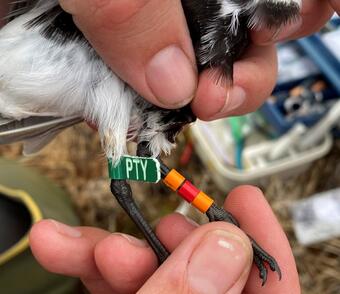
In North America, Indigenous cultures made early observations about birds, recognizing that some species travel long distances while others do not. A little over 200 years ago, John James Audubon embarked on an expedition down the Mississippi River to document hundreds of bird species, collecting specimens and creating his now famous illustrations. Then at the turn of the 20th century, ornithologists began placing metal bands around the legs of birds to track their movements. This practice proved extremely successful in illuminating the migratory paths of hundreds of species of migratory birds.
Since 1920, the USGS Bird Banding Laboratory (BBL) has continued to generate insights about birds and people’s interactions with them. The BBL provides critical support and information for harvest decisions, bird movements, and population status. Scientists are also using new techniques to study the movement and habitat needs of migratory birds. They are adapting radar and satellite systems, radio transmitters, molecular methods, and acoustic detectors to detect and track birds across time and space. In addition, citizen science projects provide invaluable data on birds. With many species of birds on the decline, all this information is essential for guiding bird conservation efforts in North America and the rest of the world.
In the 1960s, under the direction of the U.S. Congress, the USFWS created research centers tasked with conducting research to inform management of duck populations in North America. With evolving priorities of the Department of the Interior (DOI) and partners nationwide, the centers’ mission broadened to study all migratory birds in North America.
The USGS is a Leader in Migratory Bird Science
In the 1990s, the DOI moved migratory bird research centers from USFWS to the U.S. Geological Survey (USGS) to separate research activities from regulatory authority. Because migratory birds cross state and national borders, people across many governments have an interest in the fate and management of migratory birds. In the U.S., migratory birds are a Federal Trust responsibility, which means that the DOI, specifically the USFWS has a legal obligation to conserve and manage migratory bird populations and their habitats for the benefit of current and future generations. This includes monitoring bird populations, protecting and restoring habitats, regulating hunting and other uses, collaborating with states, tribes, non-governmental organizations (NGOs), and international partners, and ensuring compliance with treaties and laws.
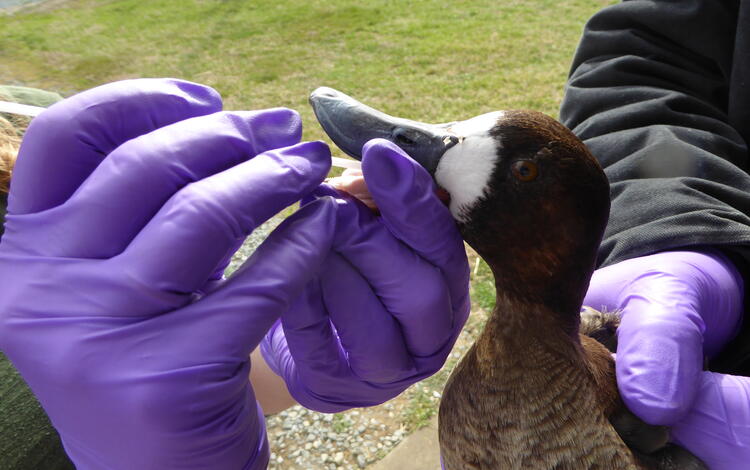
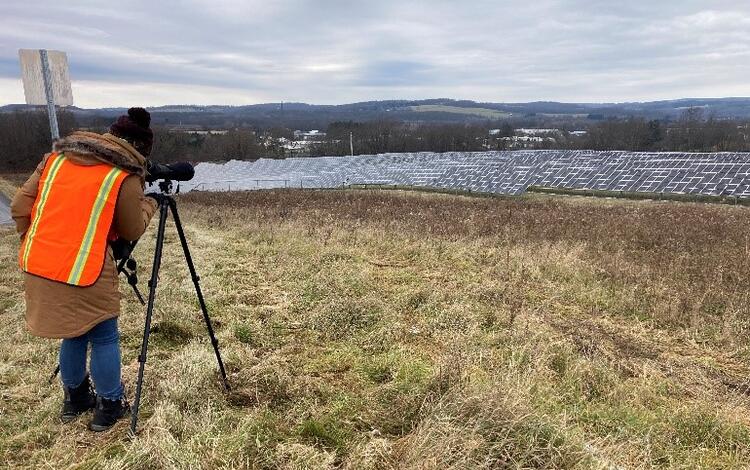
At the USGS, scientists partner with the USFWS and other partners to conduct scientific analyses and assessments on the status of bird populations, their habitat needs, and the various factors that influence their numbers and geographic distributions. Because bird populations can fluctuate over time and space, scientists conduct studies on avian population dynamics, with the BBL conducting long-term monitoring studies on bird survival, longevity, and site fidelity, and on the effects of environmental changes, habitat loss, invasive species and disease on bird populations.
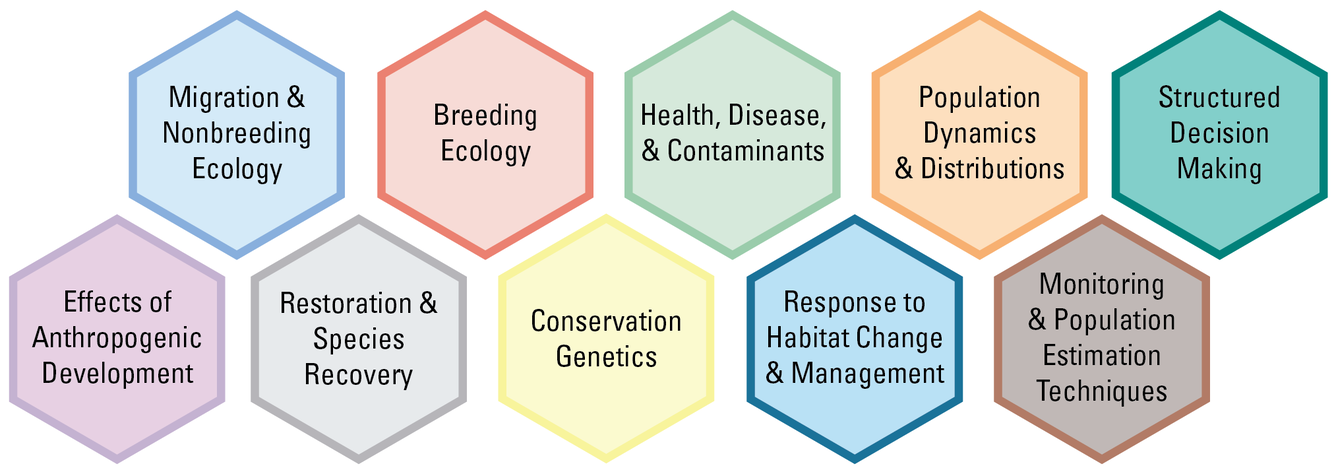
USGS Migratory Bird Science Themes

USGS Science Strengths
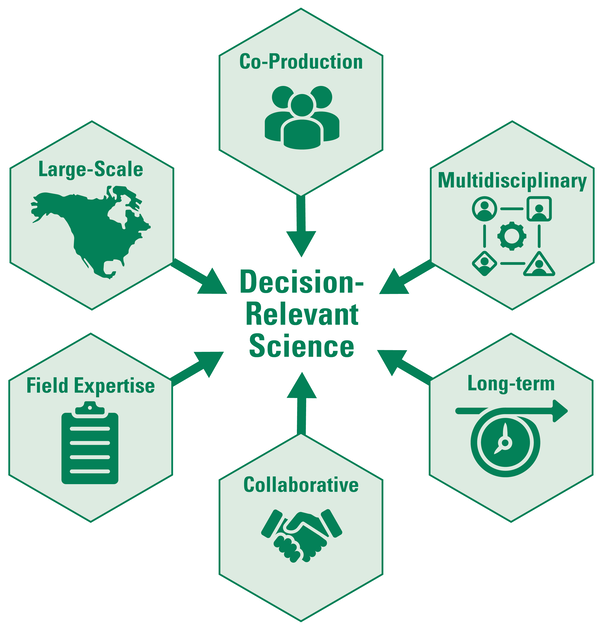
USGS science on migratory birds is focused on delivering science relevant to the difficult decisions that natural resource managers and policy makers face regarding wildlife conservation and urgent societal needs that impact birds. Over the decades, the USGS has cultivated six areas of expertise to fulfill its role as a leader in science on birds. These include:
- Providing science applicable to the large-scale at which decisions are needed;
- Working with partners to co-produce tools that work for them;
- Applying a multi-disciplinary approach that leverages the diverse areas of expertise available at the USGS, from chemistry, biology, quantitative modeling and engineering to name a few;
- Conducting long-term studies that support long-term data sets which are invaluable for determining trends and informing decisions;
- Leveraging on the ground field expertise of scientists working across all US ecosystems and geographies, and;
- A collaborative approach to share knowledge, expertise and resources across all stakeholders, with open data policies and transparent processes to ensure our work benefits all of society.
Science in Flight: Seven Ways Migratory Bird Science Serves Society
Bird science is more than a conservation tool, it’s a bridge between ecosystems and societal needs. From sustaining hunting traditions and protecting endangered species to guiding land and water management and preventing disease, these seven case studies show how bird research informs real-world decisions. Each example reveals how science leads to smarter strategies for people, wildlife, and the places we share.
Sustaining Hunting Through Science-Based Harvest Management
Water and Waterbirds in the Great Basin’s Saline Lakes
Preventing Extinction of Hawaiian Forest Birds
Genomics for Recovery of At-Risk Bird Species
Land Management Practices that Work for Birds
Forecasting Bird Populations in North America’s Flyways
Fighting Avian Diseases to Protect Birds and Agriculture
And More!
USGS scientists lead activities that are central to bird conservation and support both wildlife and communities. Through close collaboration with conservation partners, our scientists are meeting real-world needs—from maintaining sustainable harvest opportunities to advancing species recovery efforts.
Birds are Important to People
“I caught a glimpse of happiness, and saw it was a bird on a branch, fixing to take wing.” — Richard Peck
People have enjoyed birds for millennia. Today, three in ten Americans across all regions of the U.S. engage in birdwatching. According to a U.S. Fish and Wildlife Service (USFWS) report, 96 million Americans observe, feed, or photograph birds, visit parks to view birds, or maintain bird-friendly habitat around the home for the benefit of birds. Waterfowl and game bird hunting is also enjoyed by nearly 3 million Americans. In 2022, all this bird-related activity contributed to the economy by supporting more than 1.4 million jobs and generating \$279 billion in total economic output.
From Stories to Satellites: The Evolution of Bird Science
In North America, Indigenous cultures made early observations about birds, recognizing that some species travel long distances while others do not. A little over 200 years ago, John James Audubon embarked on an expedition down the Mississippi River to document hundreds of bird species, collecting specimens and creating his now famous illustrations. Then at the turn of the 20th century, ornithologists began placing metal bands around the legs of birds to track their movements. This practice proved extremely successful in illuminating the migratory paths of hundreds of species of migratory birds.
Since 1920, the USGS Bird Banding Laboratory (BBL) has continued to generate insights about birds and people’s interactions with them. The BBL provides critical support and information for harvest decisions, bird movements, and population status. Scientists are also using new techniques to study the movement and habitat needs of migratory birds. They are adapting radar and satellite systems, radio transmitters, molecular methods, and acoustic detectors to detect and track birds across time and space. In addition, citizen science projects provide invaluable data on birds. With many species of birds on the decline, all this information is essential for guiding bird conservation efforts in North America and the rest of the world.
In the 1960s, under the direction of the U.S. Congress, the USFWS created research centers tasked with conducting research to inform management of duck populations in North America. With evolving priorities of the Department of the Interior (DOI) and partners nationwide, the centers’ mission broadened to study all migratory birds in North America.
The USGS is a Leader in Migratory Bird Science
In the 1990s, the DOI moved migratory bird research centers from USFWS to the U.S. Geological Survey (USGS) to separate research activities from regulatory authority. Because migratory birds cross state and national borders, people across many governments have an interest in the fate and management of migratory birds. In the U.S., migratory birds are a Federal Trust responsibility, which means that the DOI, specifically the USFWS has a legal obligation to conserve and manage migratory bird populations and their habitats for the benefit of current and future generations. This includes monitoring bird populations, protecting and restoring habitats, regulating hunting and other uses, collaborating with states, tribes, non-governmental organizations (NGOs), and international partners, and ensuring compliance with treaties and laws.
At the USGS, scientists partner with the USFWS and other partners to conduct scientific analyses and assessments on the status of bird populations, their habitat needs, and the various factors that influence their numbers and geographic distributions. Because bird populations can fluctuate over time and space, scientists conduct studies on avian population dynamics, with the BBL conducting long-term monitoring studies on bird survival, longevity, and site fidelity, and on the effects of environmental changes, habitat loss, invasive species and disease on bird populations.
USGS Migratory Bird Science Themes
USGS Science Strengths
USGS science on migratory birds is focused on delivering science relevant to the difficult decisions that natural resource managers and policy makers face regarding wildlife conservation and urgent societal needs that impact birds. Over the decades, the USGS has cultivated six areas of expertise to fulfill its role as a leader in science on birds. These include:
- Providing science applicable to the large-scale at which decisions are needed;
- Working with partners to co-produce tools that work for them;
- Applying a multi-disciplinary approach that leverages the diverse areas of expertise available at the USGS, from chemistry, biology, quantitative modeling and engineering to name a few;
- Conducting long-term studies that support long-term data sets which are invaluable for determining trends and informing decisions;
- Leveraging on the ground field expertise of scientists working across all US ecosystems and geographies, and;
- A collaborative approach to share knowledge, expertise and resources across all stakeholders, with open data policies and transparent processes to ensure our work benefits all of society.
Science in Flight: Seven Ways Migratory Bird Science Serves Society
Bird science is more than a conservation tool, it’s a bridge between ecosystems and societal needs. From sustaining hunting traditions and protecting endangered species to guiding land and water management and preventing disease, these seven case studies show how bird research informs real-world decisions. Each example reveals how science leads to smarter strategies for people, wildlife, and the places we share.
Sustaining Hunting Through Science-Based Harvest Management
Water and Waterbirds in the Great Basin’s Saline Lakes
Preventing Extinction of Hawaiian Forest Birds
Genomics for Recovery of At-Risk Bird Species
Land Management Practices that Work for Birds
Forecasting Bird Populations in North America’s Flyways
Fighting Avian Diseases to Protect Birds and Agriculture
And More!