



Science in Flight: Seven Ways Bird Science Serves Society
Explore seven case studies highlighting how USGS bird research informs real-world decisions.
“No human ever lived in a birdless world.” — Richard Smyth
Bird science is more than a conservation tool, it’s a bridge between ecosystems and societal needs. From sustaining hunting traditions and protecting endangered species to guiding land and water management and preventing disease, these seven case studies show how bird research informs real-world decisions. Each example reveals how science leads to smarter strategies for people, wildlife, and the places we share.
1. Sustaining Hunting Through Science-Based Harvest Management
2. Water and Waterbirds in the Great Basin’s Saline Lakes
3. Preventing Extinction of Hawaiian Forest Birds
4. Genomics for Recovery of At-Risk Bird Species
5. Land Management Practices that Work for Birds
6. Forecasting Bird Populations in North America’s Flyways
7. Fighting Avian Diseases to Protect Birds and Agriculture
And More!
1. Sustaining Hunting Through Science-Based Harvest Management
During 2022, 2.8 million migratory bird hunters went on 20 million trips for hunting birds such as doves, ducks, and geese (source).
USGS scientists, in collaboration with the USFWS have developed techniques to improve efficiency in North American waterfowl management. The rigorous process uses data from the USGS Bird Banding Laboratory to help natural resource managers implement decisions that maximize hunting opportunities today and in the future. Now in its third decade of use, the success of the adaptive harvest management model has inspired other countries to use a similar process to improve their management efficiency.
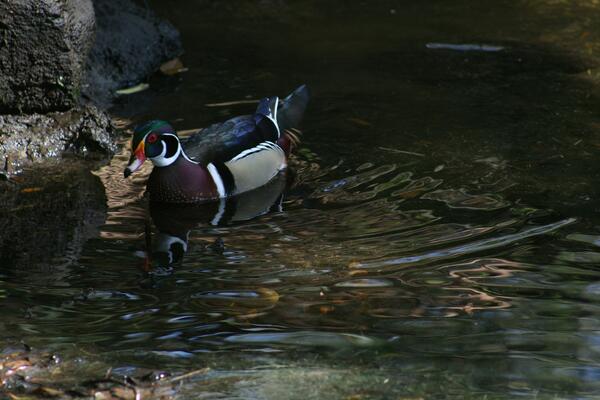
Every year, the North American Breeding Bird Survey (BBS) collects new data to track the status and trends of wild bird populations. The BBS provides the definitive record of long-term population changes for hundreds of North American bird species, allowing agencies to focus on science-driven decision-making without needing to conduct new surveys or rely on anecdotal information. BBS data are integral for monitoring populations and managing the harvest of wood ducks, one of the most popular species for hunters in the Atlantic and Mississippi flyways.
Learn More
- North American Waterfowl Management Plan
- Waterfowl Ecology in Suisun Marsh and the Pacific Flyway
- Waterfowl Research at the Alaska Science Center
- Integrating hunter dynamics and waterfowl dynamics to inform harvest management
2. Water and Waterbirds in the Great Basin's Saline Lakes
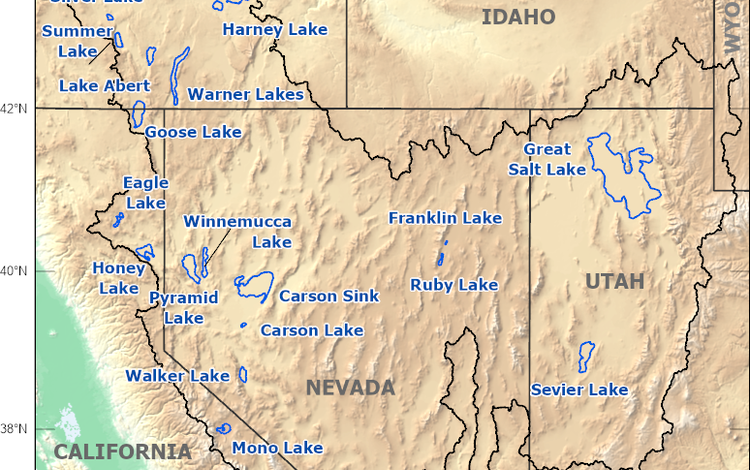
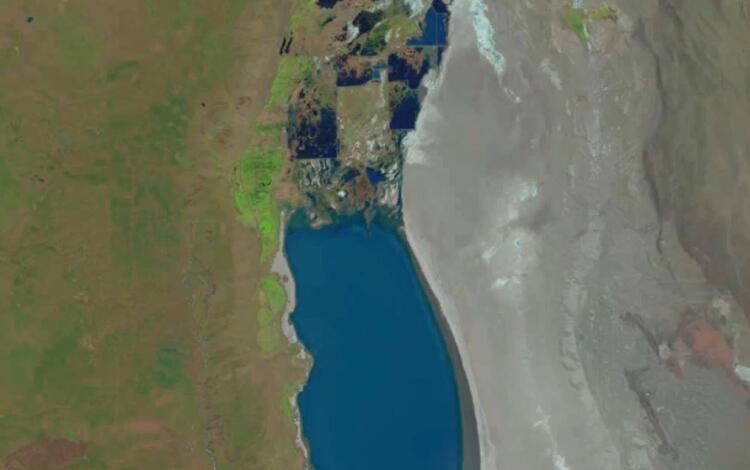
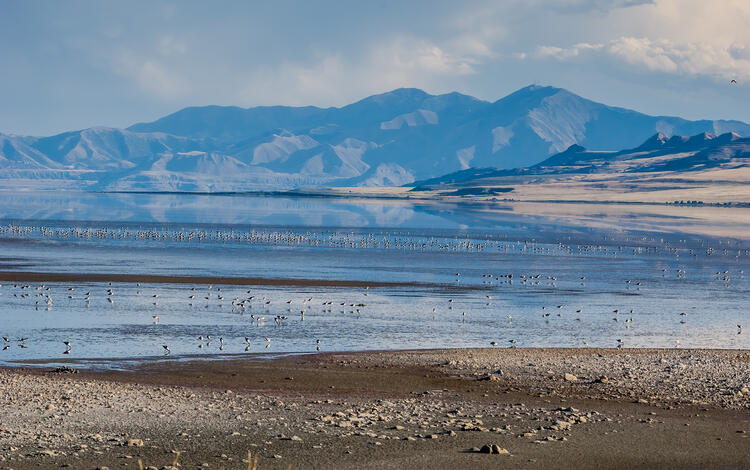
Increased water use, coupled with long-term drought conditions and a warming climate, have resulted in historic low water levels or poor quality within saline lakes ecosystems across the Great Basin in California, Nevada, Oregon, and Utah. These often-isolated water sources provide a critical network of habitats for migratory waterbirds in the Great Basin. To improve understanding of the impacts of water management decisions on migratory waterbirds, the USGS conducted a comprehensive review of the current knowledge of water availability, water quality, and waterbird prey availability in Great Basin terminal lakes. This work identified future research directions to guide partners working to manage and conserve these valuable habitats. This project on Saline Lake Ecosystems was started in 2022 following passage of the Saline Lake Ecosystems in the Great Basin States Program Act of 2022.
Learn More
- Saline Lake Ecosystems Integrated Water Availability Assessment
- Prey Availability in the Great Basin Saline Lakes System
- Waterbird Ecology and Movement in the Terminal Lakes Across the Great Basin
- Science Gaps and Research Needs for Waterbird Conservation in Great Basin Terminal Lakes
- Webinar: Saline Lake Ecosystems IWAA Spring Seminar--Project Updates and 2025 Field Season Plans
- Map of the Saline Lakes of the Great Basin Desert Area
- An Avocet's Travels: Follow an American Avocet for one year with the USGS's bird tracking data
3. Preventing the Extinction of Hawaiian Forest Birds
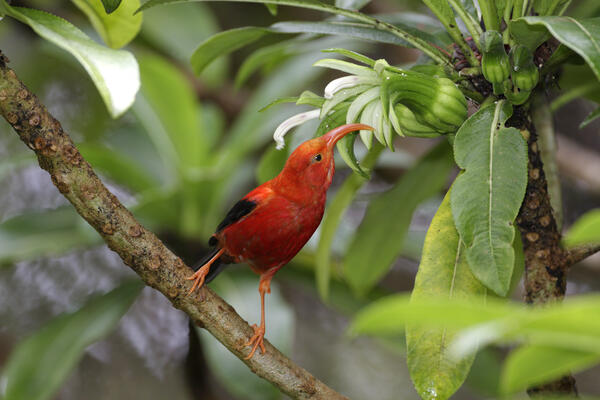
Hawaiian forest birds are among the most endangered bird species globally. Avian malaria is the main driver of population declines of endangered Hawaiian honeycreepers, a group of endemic and culturally important birds. Introduced southern house mosquitoes (Culex quinquefasciatus) host the parasite that causes avian malaria (Plasmodium relictum) and has led to rapid declines and extinction events in honeycreeper populations. Multiple species are in imminent risk of extinction on the islands of Kaua‘i and Maui. Managers from Federal, State, territorial, and private lands face considerable uncertainty on how best to use their scarce resources to reverse the birds’ rapid decline. In response, USGS researchers are providing critical data, analysis, and decision support tools to provide science-based information that managers can act on.
USGS led a Structured Decision Making (SDM) workshop that identified key threats and an estimate of the likelihood of success of different conservation actions. This work led to the establishment of a captive population of two species, which has prevented the complete extinction of one of the species (‘Akikiki). Another SDM effort focused on four Hawaiian forest birds evaluated multiple strategies for preventing their extinction – this effort set the foundation for the Department of Interior’s Hawaiian Forest Bird Conservation Keystone Initiative and the Department of the Interior’s Strategy for Preventing the Extinction of Hawaiian Forest Birds. USGS is also providing managers with tools and information needed to assess the efficacy of mosquito control measures that are being implemented to combat avian malaria.
Learn More
- U.S. Geological Survey and U.S. Fish and Wildlife Service: A Conservation Orchestra for the Melodies of Hakalau Forests
- Pacific Island Bird Survey Design and Data Analysis
- Conservation Ecology of Hawaiian Forest Birds
4. Genomics for Recovery of At-Risk Bird Species
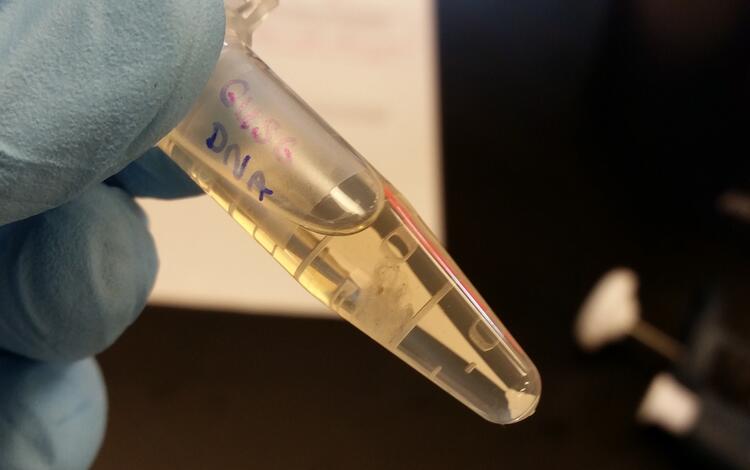
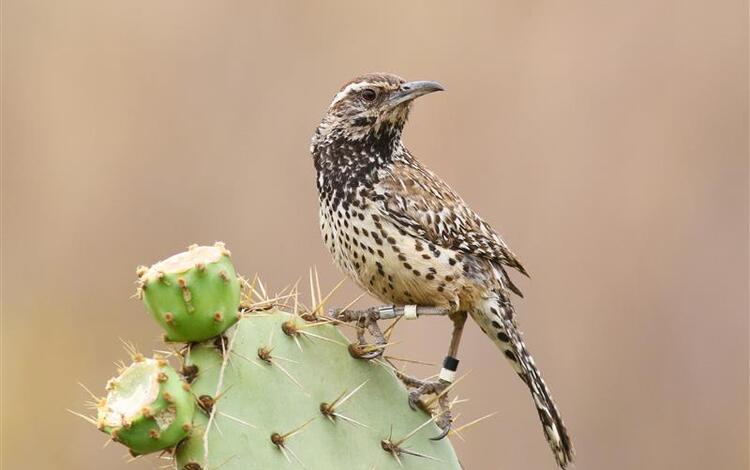
USGS scientists are using genetic research to improve the chances of recovery of birds species that are in decline. Some examples include research on the Golden Eagle, Greater Sage-Grouse, Lesser Prairie-Chicken, California Gnatcatcher, Coastal Cactus Wren, Least Bell’s Vireo, and Light Footed and California Ridgway’s Rails. The information they gather is helping wildlife agencies make better decisions about how to recover these birds. For example, the research helps:
- Understand how bird populations are genetically related to inform how they should be managed,
- Evaluate and enhance movement corridors,
- Assess fitness impacts of genetic diversity and identify populations that could benefit from restoration, and
- Choose the best sources for breeding and releasing birds into the wild
With these insights, agencies can focus their efforts and funding on actions that will make the biggest difference in helping these bird species recover.
Learn More
- Development of a Genetic Resource for the Management and Conservation of Golden Eagles
- Development and Application of Genomic Resources for the Greater Sage-Grouse
- Genetic structure and diversity in wild populations of the Light-footed Ridgway’s Rail
- Synthesis of Sage-Grouse Genetic Information to Support Conservation and Land Management Actions
- Molecular Ecology Lab (MEL)
- Discordance Between Taxonomy and Population Genomic Data: An Avian Example Relevant to the United States Endangered Species Act

5. Land Management Practices that Work for Birds
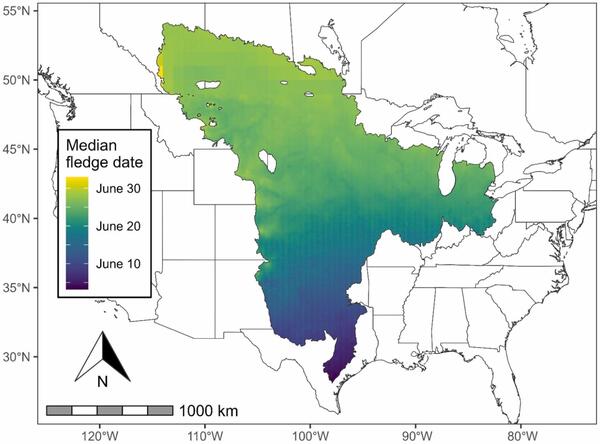
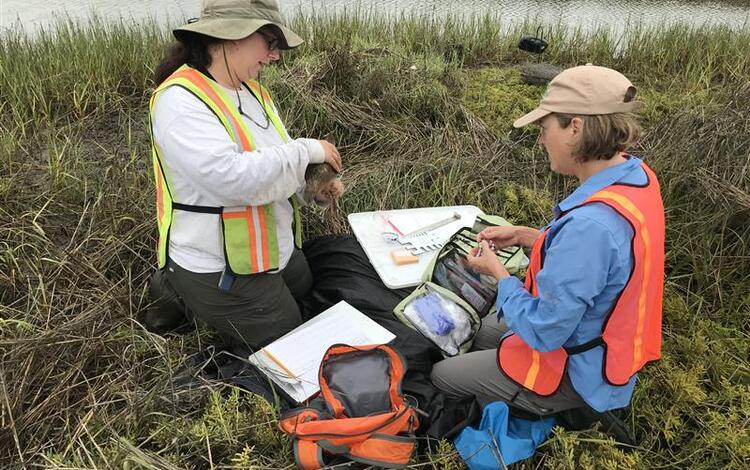
In the Midwest and the Great Plains, millions of hectares of grasslands are used for farming and ranching. These grasslands are also nesting grounds for dozens of species of grassland birds. Ranching activities such as grazing, haying, burning grasslands have a direct impact on birds during their nesting season – nest survival is key for recovering populations of grassland birds that have declined in the past 50 years. Landowners may be able to avoid harming bird nests by adjusting the timing of their activities on the land. The USGS is informing the timing of grazing and haying of grasslands to maximize landowner flexibility and success of birds. New research provides information for 38 species of grassland birds to better inform the timing of these activities to avoid disrupting the nesting activities of these grassland bird species.
Along the Gulf Coast, efforts are underway to restore beaches and barrier islands for the coastal bird species that rely on undisturbed coastal habitats and abundant prey for their nesting success. USGS scientists are engaging with local partners to survey birds to determine breeding bird response to various activities aimed at protecting and recovering coastal bird populations.
Learn More
- The Effects of Management Practices on Grassland Birds
- Evaluating Efficacy of Stewardship Actions for Vulnerable Gulf of America Coastal Birds Through Co-Production Between Scientists and Resource Managers
- Monitoring Effects of Barrier Island Restoration on Piping Plovers in Louisiana
6. Forecasting Bird Populations in North America’s Flyways
Alaska is an international crossroads of migratory bird flyways, with millions of birds from Asia and North America breeding in Alaska each summer. For this reason, USGS scientists have conducted research on many waterfowl species since the 1970s. Their research informs management of avian disease outbreaks, important breeding habitats, and use of the ocean environment. The North Pacific Pelagic Seabird Database (NPPSD) contains data which is useful for addressing a variety of bird management questions and provides a better understanding of bird distribution, abundance, trophic relationships, and threats to bird populations.
Learn More
- Assessing trade-offs in developing a landscape-scale nest monitoring programme for a threatened shorebird
- Greater Sage-Grouse Population Monitoring Framework
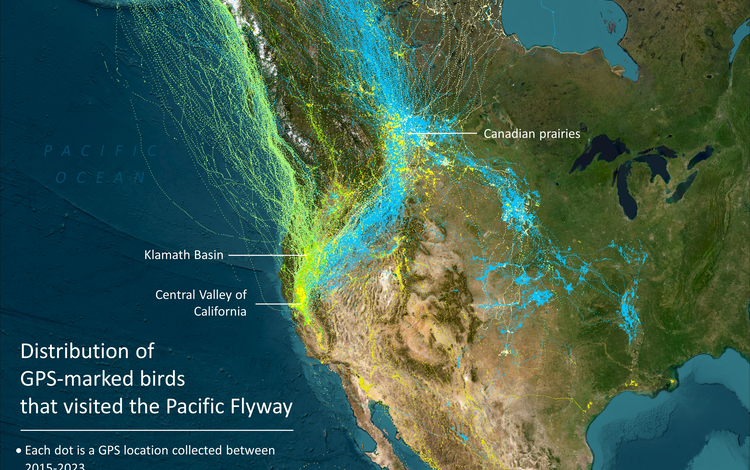
- Distribution of GPS-marked birds that visited the Pacific Flyway
- Geographic coverage of the transect samples in North Pacific Pelagic Seabird Database (NPPSD)

7. Fighting Avian Diseases to Protect Birds and Agriculture
USGS conducts extensive research on disease in fish and wildlife and has a disease diagnostic center informing bird and public health.
USGS research on avian influenza is important to understand the impacts and transmission of the disease. Researchers study multiple aspects of avian influenza viruses in wild birds as well as their implications for commercial agriculture with a special emphasis on poultry.
Protecting California Condor against H5N1 highly pathogenic avian influenza
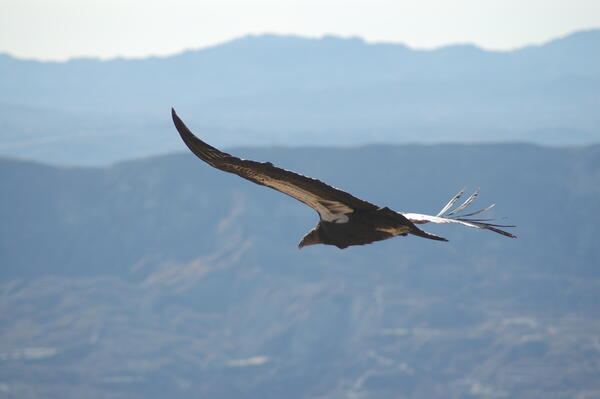
The USGS and partners collaborated on an award-winning project led by USDA, and USFWS to test a vaccine in California Condor – a critically endangered species. The vaccine was originally developed to protect poultry from the H5N1 highly pathogenic avian influenza (HPAI) virus. In 2023, the virus killed at least 21 California condors – nearly 20% of the individuals in the Arizona population. Given the world population of roughly 550 birds at the time of the outbreak, the H5N1 HPAI virus threatened to spread quickly, potentially pushing the species to extinction. This was the first use in the U.S.A. of a HPAI vaccine in anything other than poultry and the first scientific trial anywhere designed to try and protect a wild bird species from HPAI. Results were sufficiently promising that a vaccination program was initiated for condors to minimize deaths, improve management, and potentially support the recovery of this critically endangered species.
Learn More
- Fish and Wildlife Disease: Avian Disease
- Avian Influenza Research
- Avian Influenza Surveillance
- U.S. Geological Survey science strategy to address highly pathogenic avian influenza and its effects on wildlife health 2025–29
And More!
USGS Science on Migratory Birds Informs Habitat Management Decisions
- Strategic habitat management
- Energy development: Renewables-Wildlife Solutions Initiative
- Water resource use
- Evaluation of conservation programs
- Management of agricultural and working lands for win-win outcomes
- Developing tools for public and private working grassland and forest management
- Developing innovative tools for understanding changing species needs and distributions
Explore seven case studies highlighting how USGS bird research informs real-world decisions.
“No human ever lived in a birdless world.” — Richard Smyth
Bird science is more than a conservation tool, it’s a bridge between ecosystems and societal needs. From sustaining hunting traditions and protecting endangered species to guiding land and water management and preventing disease, these seven case studies show how bird research informs real-world decisions. Each example reveals how science leads to smarter strategies for people, wildlife, and the places we share.
1. Sustaining Hunting Through Science-Based Harvest Management
2. Water and Waterbirds in the Great Basin’s Saline Lakes
3. Preventing Extinction of Hawaiian Forest Birds
4. Genomics for Recovery of At-Risk Bird Species
5. Land Management Practices that Work for Birds
6. Forecasting Bird Populations in North America’s Flyways
7. Fighting Avian Diseases to Protect Birds and Agriculture
And More!
1. Sustaining Hunting Through Science-Based Harvest Management
During 2022, 2.8 million migratory bird hunters went on 20 million trips for hunting birds such as doves, ducks, and geese (source).
USGS scientists, in collaboration with the USFWS have developed techniques to improve efficiency in North American waterfowl management. The rigorous process uses data from the USGS Bird Banding Laboratory to help natural resource managers implement decisions that maximize hunting opportunities today and in the future. Now in its third decade of use, the success of the adaptive harvest management model has inspired other countries to use a similar process to improve their management efficiency.
Every year, the North American Breeding Bird Survey (BBS) collects new data to track the status and trends of wild bird populations. The BBS provides the definitive record of long-term population changes for hundreds of North American bird species, allowing agencies to focus on science-driven decision-making without needing to conduct new surveys or rely on anecdotal information. BBS data are integral for monitoring populations and managing the harvest of wood ducks, one of the most popular species for hunters in the Atlantic and Mississippi flyways.
Learn More
- North American Waterfowl Management Plan
- Waterfowl Ecology in Suisun Marsh and the Pacific Flyway
- Waterfowl Research at the Alaska Science Center
- Integrating hunter dynamics and waterfowl dynamics to inform harvest management
2. Water and Waterbirds in the Great Basin's Saline Lakes
Increased water use, coupled with long-term drought conditions and a warming climate, have resulted in historic low water levels or poor quality within saline lakes ecosystems across the Great Basin in California, Nevada, Oregon, and Utah. These often-isolated water sources provide a critical network of habitats for migratory waterbirds in the Great Basin. To improve understanding of the impacts of water management decisions on migratory waterbirds, the USGS conducted a comprehensive review of the current knowledge of water availability, water quality, and waterbird prey availability in Great Basin terminal lakes. This work identified future research directions to guide partners working to manage and conserve these valuable habitats. This project on Saline Lake Ecosystems was started in 2022 following passage of the Saline Lake Ecosystems in the Great Basin States Program Act of 2022.
Learn More
- Saline Lake Ecosystems Integrated Water Availability Assessment
- Prey Availability in the Great Basin Saline Lakes System
- Waterbird Ecology and Movement in the Terminal Lakes Across the Great Basin
- Science Gaps and Research Needs for Waterbird Conservation in Great Basin Terminal Lakes
- Webinar: Saline Lake Ecosystems IWAA Spring Seminar--Project Updates and 2025 Field Season Plans
- Map of the Saline Lakes of the Great Basin Desert Area
- An Avocet's Travels: Follow an American Avocet for one year with the USGS's bird tracking data
3. Preventing the Extinction of Hawaiian Forest Birds
Hawaiian forest birds are among the most endangered bird species globally. Avian malaria is the main driver of population declines of endangered Hawaiian honeycreepers, a group of endemic and culturally important birds. Introduced southern house mosquitoes (Culex quinquefasciatus) host the parasite that causes avian malaria (Plasmodium relictum) and has led to rapid declines and extinction events in honeycreeper populations. Multiple species are in imminent risk of extinction on the islands of Kaua‘i and Maui. Managers from Federal, State, territorial, and private lands face considerable uncertainty on how best to use their scarce resources to reverse the birds’ rapid decline. In response, USGS researchers are providing critical data, analysis, and decision support tools to provide science-based information that managers can act on.
USGS led a Structured Decision Making (SDM) workshop that identified key threats and an estimate of the likelihood of success of different conservation actions. This work led to the establishment of a captive population of two species, which has prevented the complete extinction of one of the species (‘Akikiki). Another SDM effort focused on four Hawaiian forest birds evaluated multiple strategies for preventing their extinction – this effort set the foundation for the Department of Interior’s Hawaiian Forest Bird Conservation Keystone Initiative and the Department of the Interior’s Strategy for Preventing the Extinction of Hawaiian Forest Birds. USGS is also providing managers with tools and information needed to assess the efficacy of mosquito control measures that are being implemented to combat avian malaria.
Learn More
- U.S. Geological Survey and U.S. Fish and Wildlife Service: A Conservation Orchestra for the Melodies of Hakalau Forests
- Pacific Island Bird Survey Design and Data Analysis
- Conservation Ecology of Hawaiian Forest Birds
4. Genomics for Recovery of At-Risk Bird Species
USGS scientists are using genetic research to improve the chances of recovery of birds species that are in decline. Some examples include research on the Golden Eagle, Greater Sage-Grouse, Lesser Prairie-Chicken, California Gnatcatcher, Coastal Cactus Wren, Least Bell’s Vireo, and Light Footed and California Ridgway’s Rails. The information they gather is helping wildlife agencies make better decisions about how to recover these birds. For example, the research helps:
- Understand how bird populations are genetically related to inform how they should be managed,
- Evaluate and enhance movement corridors,
- Assess fitness impacts of genetic diversity and identify populations that could benefit from restoration, and
- Choose the best sources for breeding and releasing birds into the wild
With these insights, agencies can focus their efforts and funding on actions that will make the biggest difference in helping these bird species recover.
Learn More
- Development of a Genetic Resource for the Management and Conservation of Golden Eagles
- Development and Application of Genomic Resources for the Greater Sage-Grouse
- Genetic structure and diversity in wild populations of the Light-footed Ridgway’s Rail
- Synthesis of Sage-Grouse Genetic Information to Support Conservation and Land Management Actions
- Molecular Ecology Lab (MEL)
- Discordance Between Taxonomy and Population Genomic Data: An Avian Example Relevant to the United States Endangered Species Act
5. Land Management Practices that Work for Birds
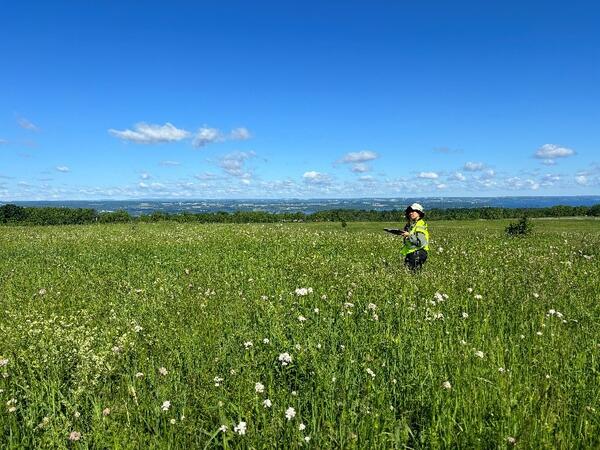
In the Midwest and the Great Plains, millions of hectares of grasslands are used for farming and ranching. These grasslands are also nesting grounds for dozens of species of grassland birds. Ranching activities such as grazing, haying, burning grasslands have a direct impact on birds during their nesting season – nest survival is key for recovering populations of grassland birds that have declined in the past 50 years. Landowners may be able to avoid harming bird nests by adjusting the timing of their activities on the land. The USGS is informing the timing of grazing and haying of grasslands to maximize landowner flexibility and success of birds. New research provides information for 38 species of grassland birds to better inform the timing of these activities to avoid disrupting the nesting activities of these grassland bird species.
Along the Gulf Coast, efforts are underway to restore beaches and barrier islands for the coastal bird species that rely on undisturbed coastal habitats and abundant prey for their nesting success. USGS scientists are engaging with local partners to survey birds to determine breeding bird response to various activities aimed at protecting and recovering coastal bird populations.
Learn More
- The Effects of Management Practices on Grassland Birds
- Evaluating Efficacy of Stewardship Actions for Vulnerable Gulf of America Coastal Birds Through Co-Production Between Scientists and Resource Managers
- Monitoring Effects of Barrier Island Restoration on Piping Plovers in Louisiana
6. Forecasting Bird Populations in North America’s Flyways
Alaska is an international crossroads of migratory bird flyways, with millions of birds from Asia and North America breeding in Alaska each summer. For this reason, USGS scientists have conducted research on many waterfowl species since the 1970s. Their research informs management of avian disease outbreaks, important breeding habitats, and use of the ocean environment. The North Pacific Pelagic Seabird Database (NPPSD) contains data which is useful for addressing a variety of bird management questions and provides a better understanding of bird distribution, abundance, trophic relationships, and threats to bird populations.
Learn More
- Assessing trade-offs in developing a landscape-scale nest monitoring programme for a threatened shorebird
- Greater Sage-Grouse Population Monitoring Framework
- Distribution of GPS-marked birds that visited the Pacific Flyway
- Geographic coverage of the transect samples in North Pacific Pelagic Seabird Database (NPPSD)
7. Fighting Avian Diseases to Protect Birds and Agriculture
USGS conducts extensive research on disease in fish and wildlife and has a disease diagnostic center informing bird and public health.
USGS research on avian influenza is important to understand the impacts and transmission of the disease. Researchers study multiple aspects of avian influenza viruses in wild birds as well as their implications for commercial agriculture with a special emphasis on poultry.
Protecting California Condor against H5N1 highly pathogenic avian influenza
The USGS and partners collaborated on an award-winning project led by USDA, and USFWS to test a vaccine in California Condor – a critically endangered species. The vaccine was originally developed to protect poultry from the H5N1 highly pathogenic avian influenza (HPAI) virus. In 2023, the virus killed at least 21 California condors – nearly 20% of the individuals in the Arizona population. Given the world population of roughly 550 birds at the time of the outbreak, the H5N1 HPAI virus threatened to spread quickly, potentially pushing the species to extinction. This was the first use in the U.S.A. of a HPAI vaccine in anything other than poultry and the first scientific trial anywhere designed to try and protect a wild bird species from HPAI. Results were sufficiently promising that a vaccination program was initiated for condors to minimize deaths, improve management, and potentially support the recovery of this critically endangered species.
Learn More
- Fish and Wildlife Disease: Avian Disease
- Avian Influenza Research
- Avian Influenza Surveillance
- U.S. Geological Survey science strategy to address highly pathogenic avian influenza and its effects on wildlife health 2025–29
And More!
USGS Science on Migratory Birds Informs Habitat Management Decisions
- Strategic habitat management
- Energy development: Renewables-Wildlife Solutions Initiative
- Water resource use
- Evaluation of conservation programs
- Management of agricultural and working lands for win-win outcomes
- Developing tools for public and private working grassland and forest management
- Developing innovative tools for understanding changing species needs and distributions