



2025 in Review: The Saline Lake Ecosystems Integrated Water Availability Assessment
Update for the Saline Lake Ecosystems Integrated Water Availability Assessment project to summarize progress in calendar year 2025 highlighting extensive data collection and preliminary analysis efforts across multiple scientific themes.
Science Products
The Saline Lake Ecosystems Integrated Water Availability Assessment Team has collected a substantial amount of data on invertebrates, water quality, water quantity, remote sensing, and bird movement. In 2025, we released provisional data collected at some of our water-quality sites and American avocet location data. We plan to release additional datasets in 2026 followed by the final datasets and integrated synthesis report.
Data
This page is hosted by the USGS ScienceBase, a Trusted Data Repository.
Continuous water-quality monitoring
As of 2025 we have six continuous water-quality monitoring sites. The links below are to the provisional data which are delivered through the USGS Water Data For the Nation (WDFN).
- Lake Abert, Oregon
- Malheur Lake, Oregon
- Summer Lake, Oregon
- Summer Lake Wildlife Area – NE Gold Pond, Oregon
- Summer Lake Wildlife Area – Bullgate Impoundment, Oregon
- Bear River Refuge, Utah
Time-series photos
Upcoming data releases
- Water chemistry (version 1), which will include discrete water quality data
- Topobathymetry data for terminal lakes of the Great Basin
- Additional American avocet location data
- Pharalope location data
In case you missed it
Synthesizing ecological and hydrological science gaps and research needs for waterbird conservation in Great Basin terminal lakes
Terminal lakes—such as the Great Salt Lake-- have no outlet to an external body of water and are unique environments important for waterbirds and other wildlife. These lakes are declining in the U.S. and around the world due to human water demands, drought, and climate change. USGS researchers reviewed the state of research for terminal lakes in the Great Basin, which supports millions of waterbirds annually, to prioritize ecological and hydrological information needs. Key research priorities identified include migratory connectivity, waterbird prey availability, and water availability. The researchers found that information on links between water availability, water quality, and food webs are also lacking. This review will guide the USGS Saline Lake Ecosystems Integrated Water Availability Assessment in efforts to advance understanding of how the Great Basin terminal lakes function as an inter-related system and support conservation efforts.
The journal article, "Imperiled Great Basin terminal lakes: Synthesizing ecological and hydrological science gaps and research needs for waterbird conservation" was published in the February 2025 volume of the journal BioScience.
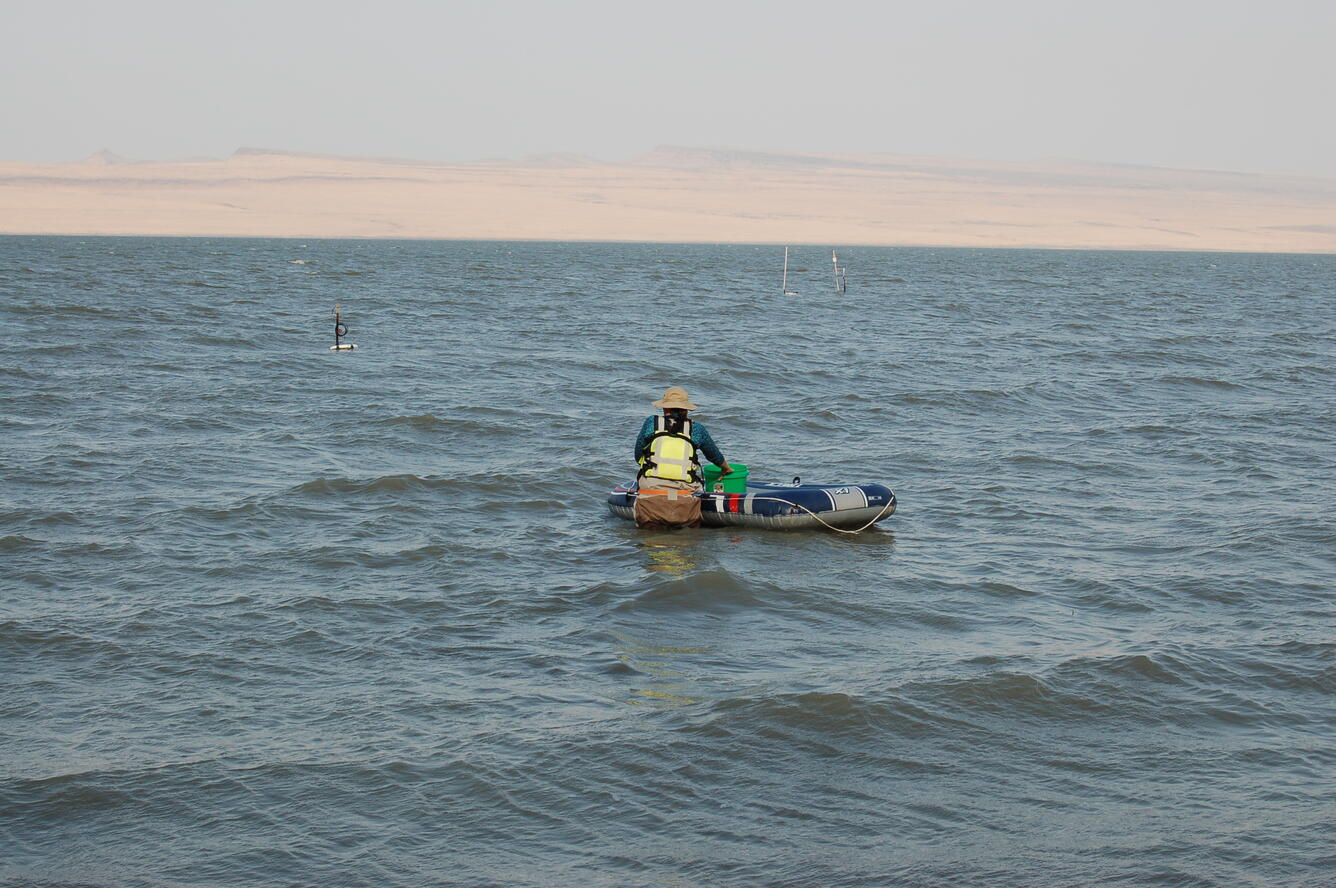
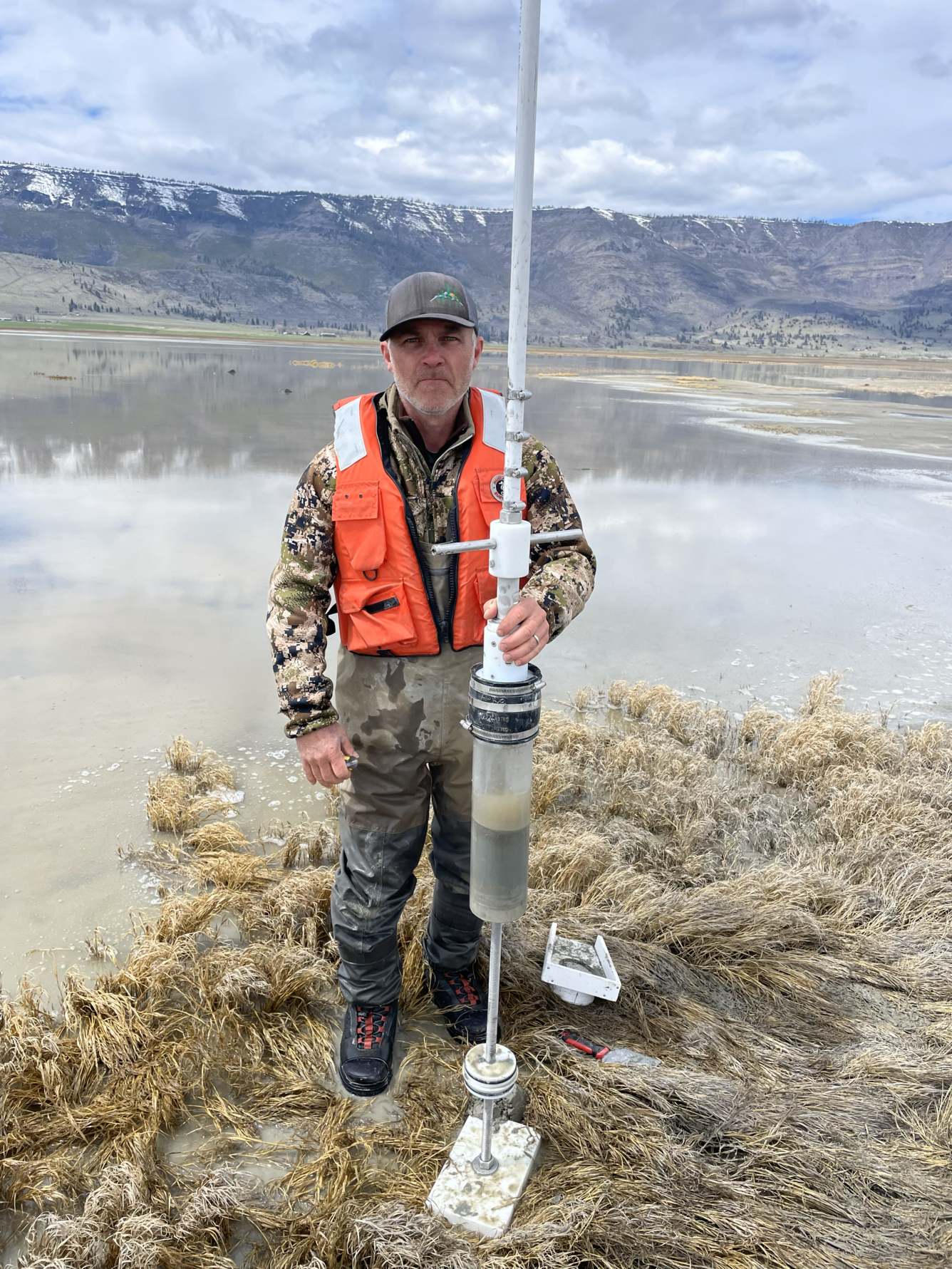
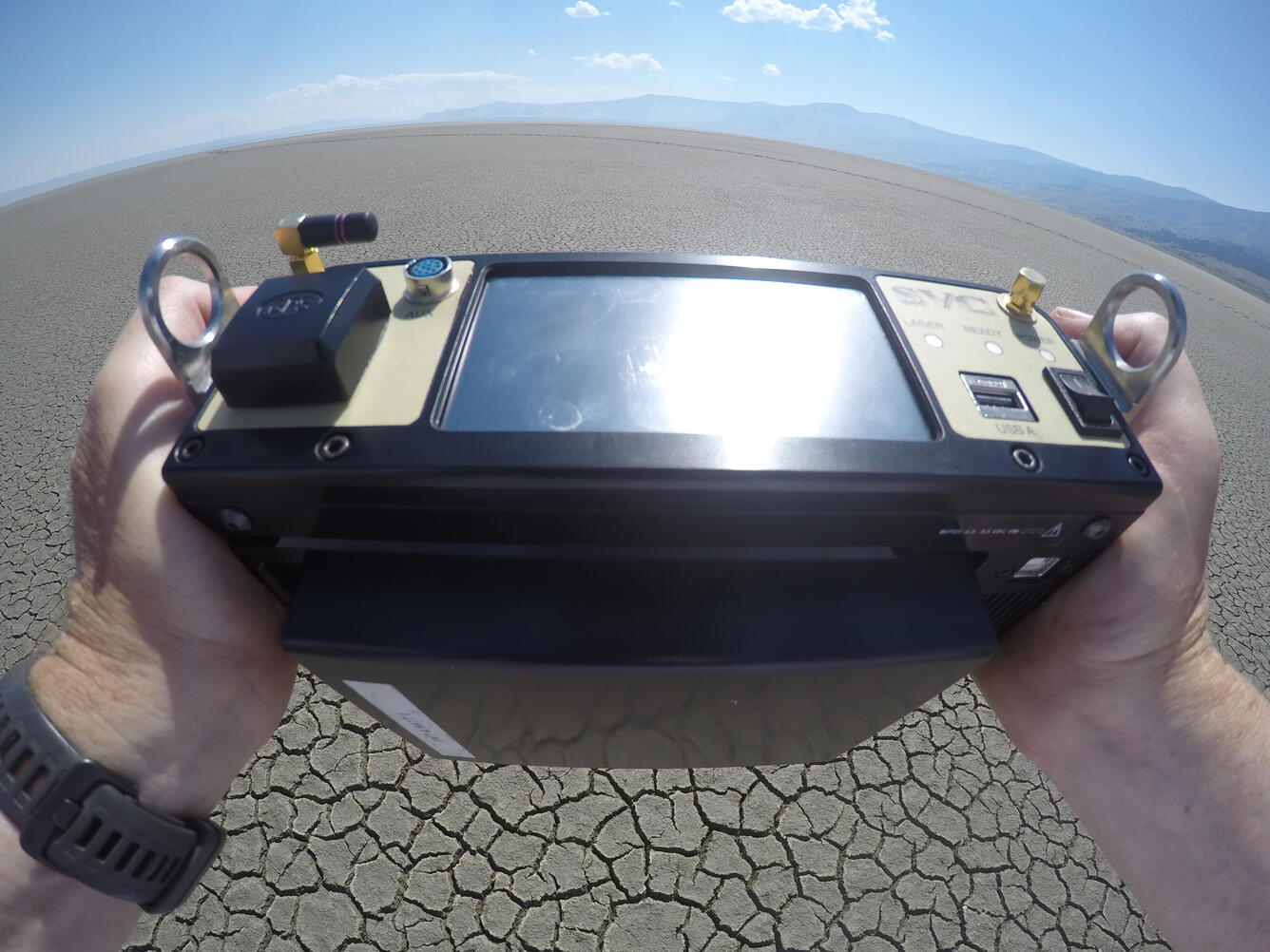
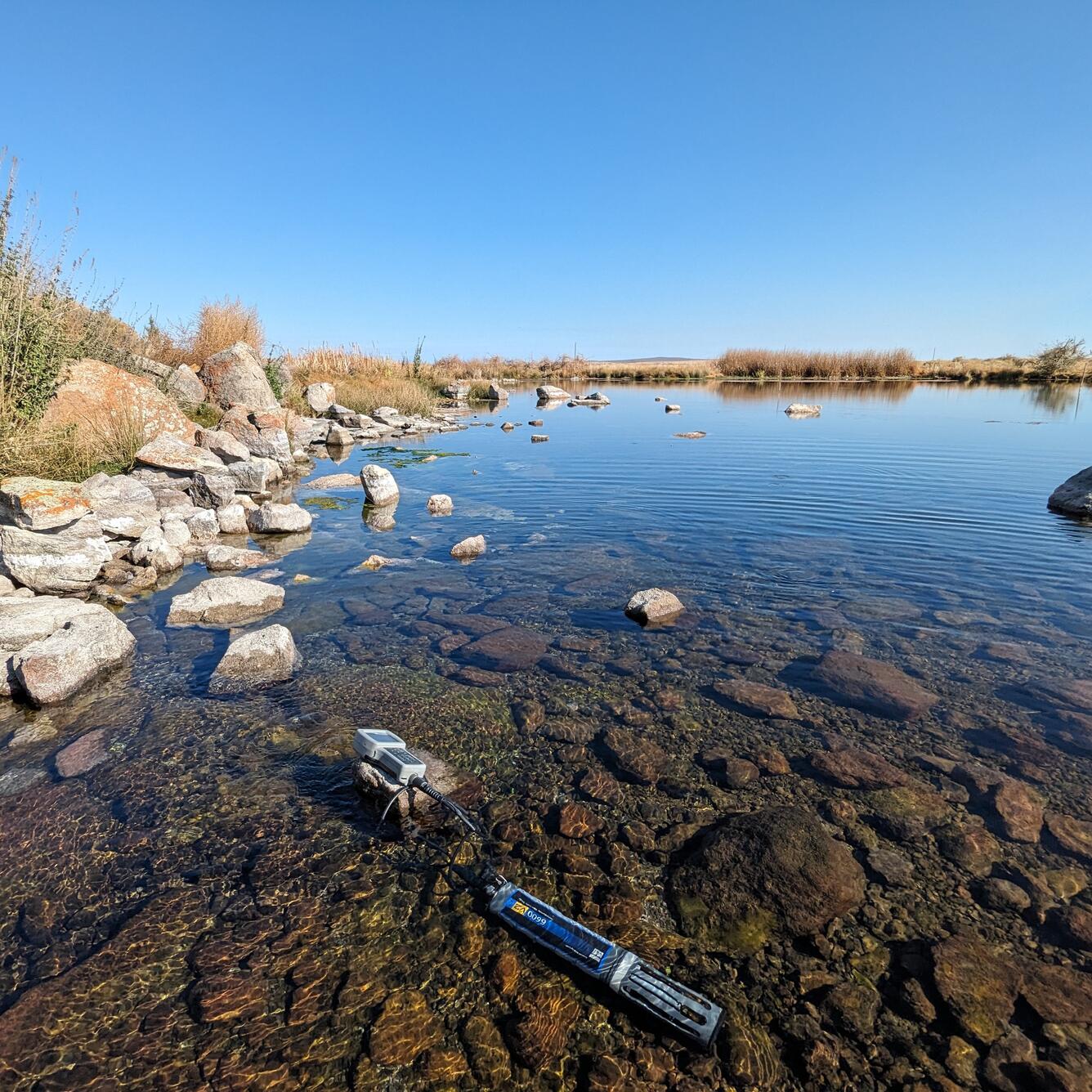

2025 Field Work
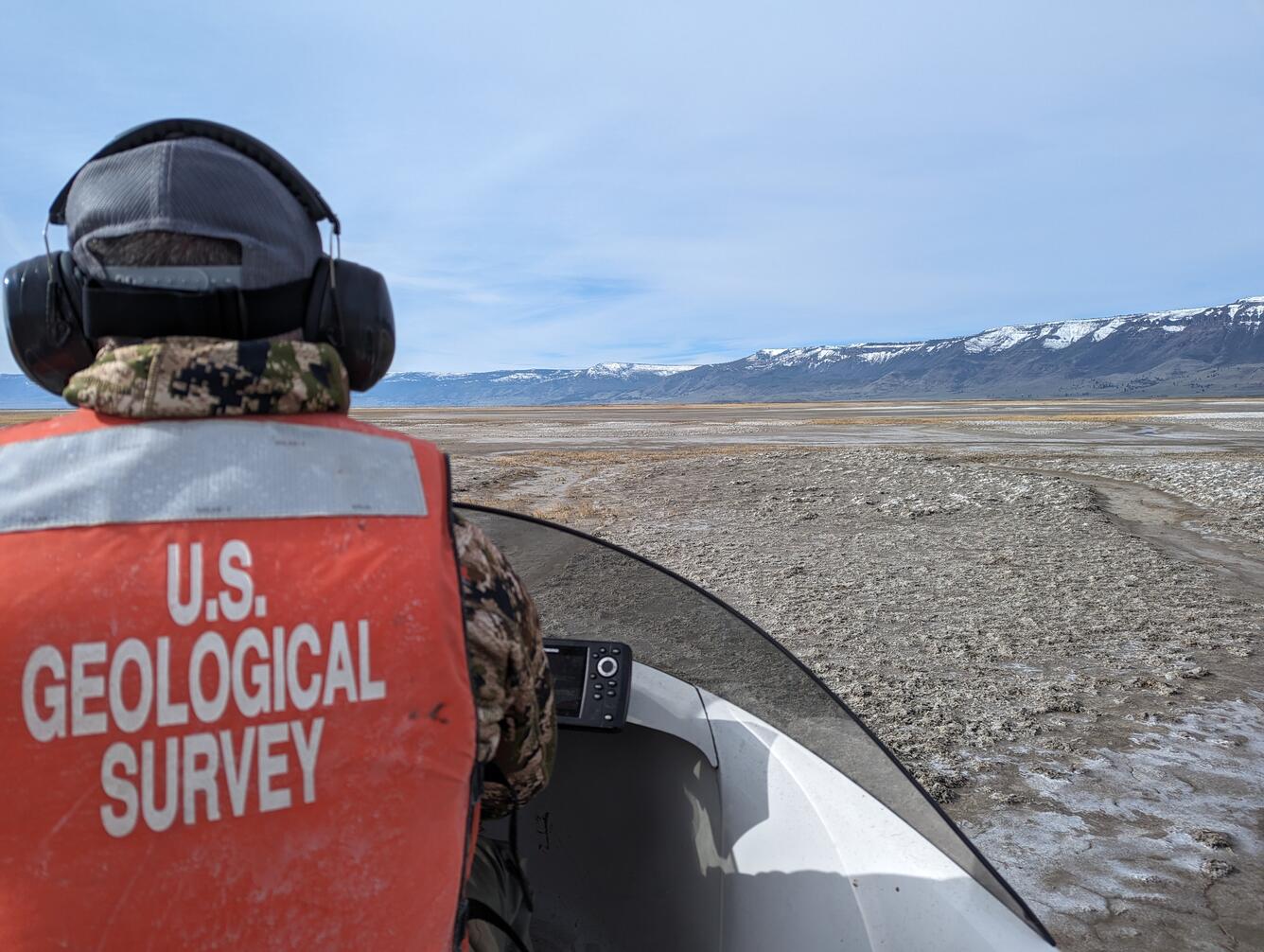
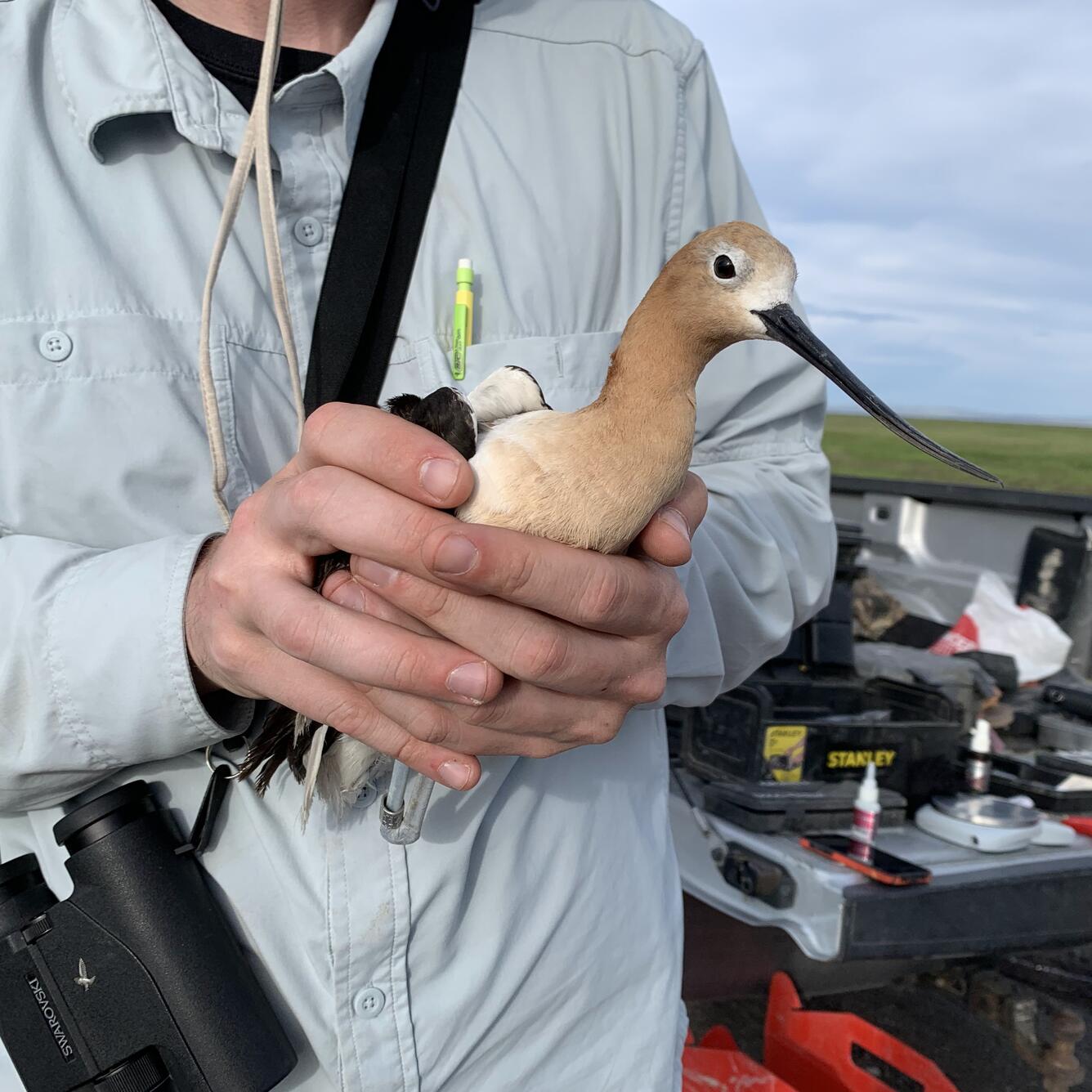
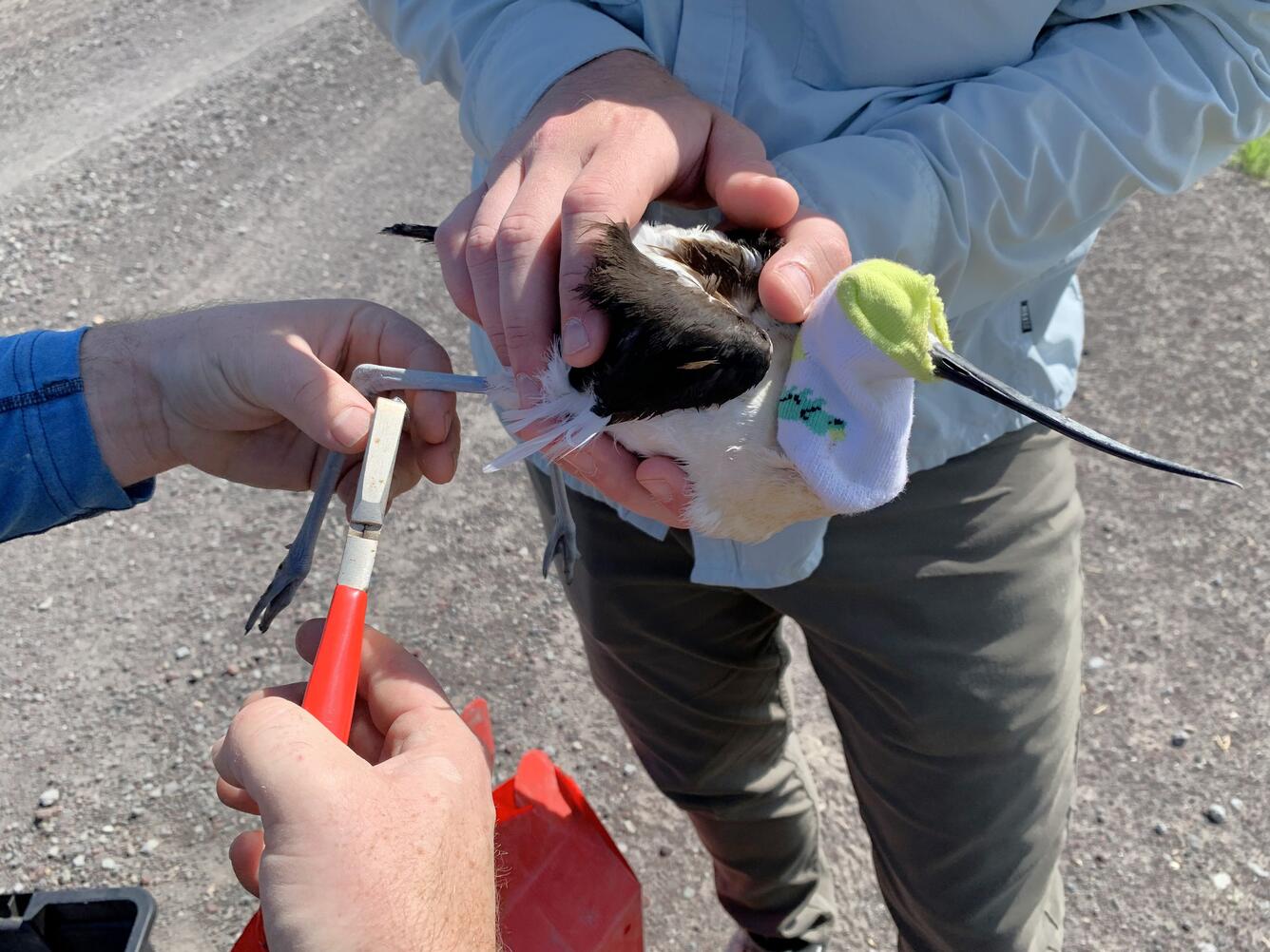
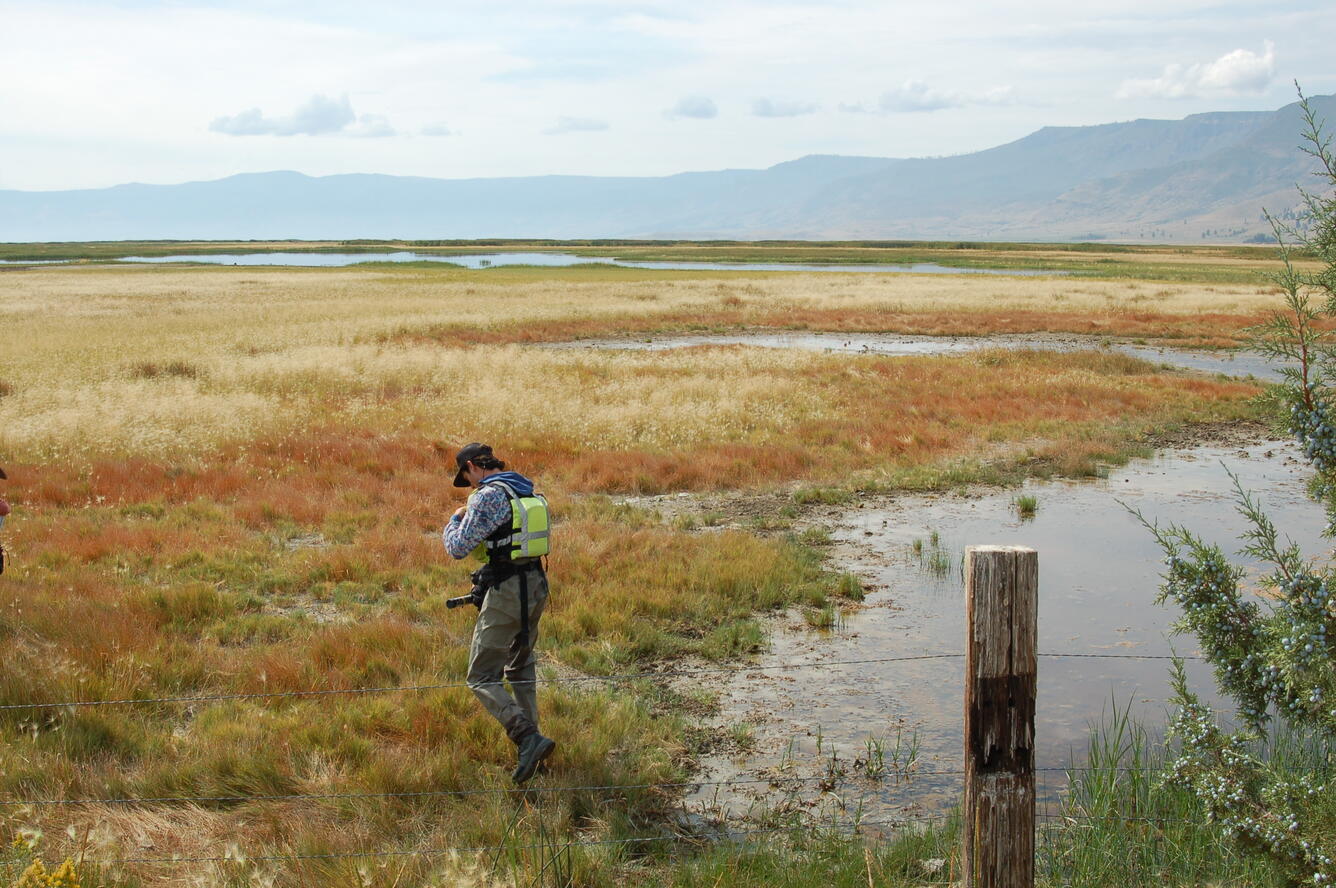
The Team collected a second year of samples during the 2025 field season – March through September – for the Congressionally authorized project. They are currently processing those samples and analyzing the data.
Here are some highlights from the field:
- The Aquatic Food Resource Team collected five months of samples at Summer Lake, Lake Abert, Carson Lake, and Stillwater National Wildlife Refuge; while our collaborators collected samples at Mono Lake and Great Salt Lake.
- The Water Quality Team collected 898 instantaneous sonde measurements across the Great Basin terminal lakes in partnership with our collaborators. They collected 243 water samples to support water-quality analyses. The team installed continuous monitors in Lake Abert, Summer Lake, Malheur Lake, Carson Drain - which leads to Carson Lake, and Stillwater National Wildlife Refuge. The team added wind and depth data collection at the continuous monitoring locations.
- The Water Quantity Team, in collaboration with the Water Quality Team, collected over 500 instantaneous readings measuring inflows to Lake Abert. These data will be used to map Lake Abert hydrology. The Team also collected 37 water samples for isotopic analysis and analyzed 17 of those samples for radon, which is used to determine the age of the groundwater entering the lake. They also expanded the monthly discrete flow measurement network to include three new sites.
- The Bird Movement Team continued collection of American avocet telemetry data, logging over 260,000 locations from 50 individual birds. This year, individual birds were tracked from southern California to the Salton Sea and Colorado River Delta, south to coastal Mexico and the Gulf of California. One bird was tracked at the Texas Gulf Coast! The Team also incorporated several thousand additional location data points from over 10 species whose telemetry were collected by collaborators tracking birds that use the Great Basin terminal lakes.
- The Remote Sensing Team continued to collect reflectance and related data to calibrate shoreline feature detection from satellite imagery. This shoreline mapping product is known as dynamic surface water extent – or DSWE, pronounced dee-swee.
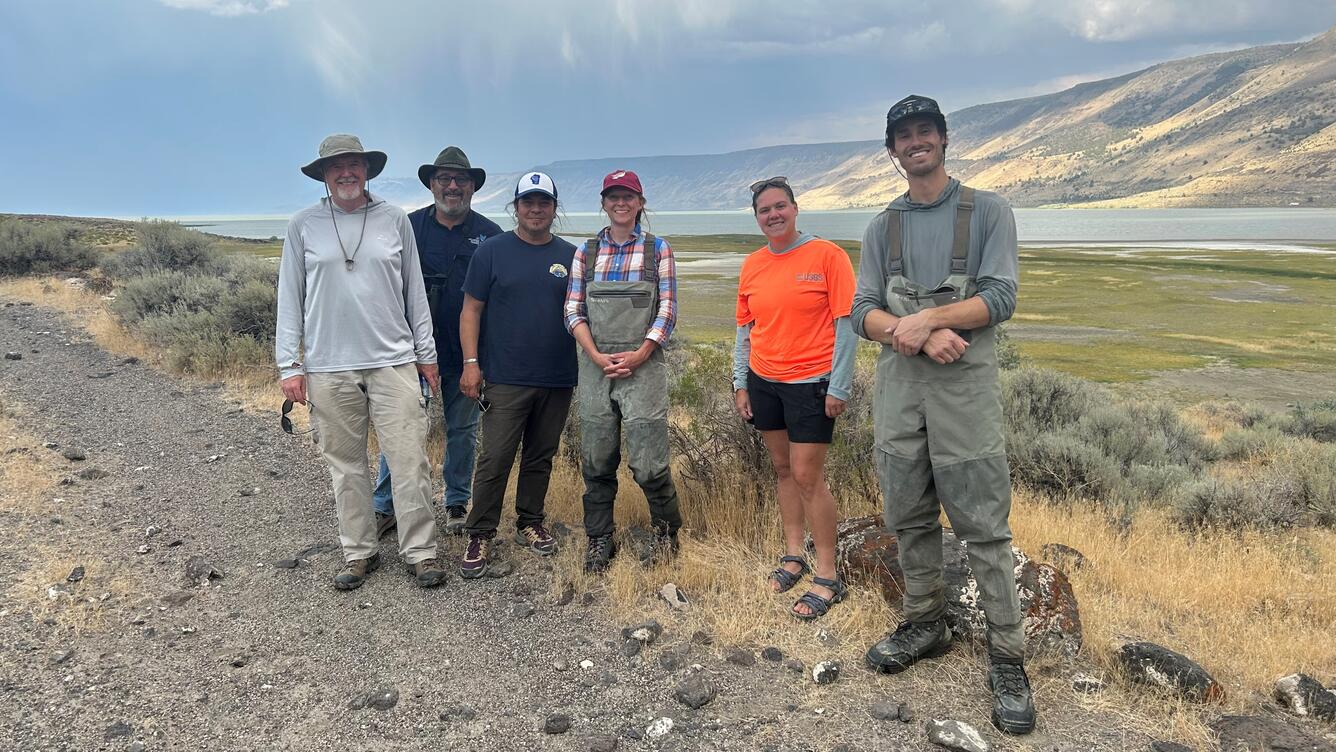
August 2025 Field Week
In late August, the Team held a cross-project field week along the shores of Summer Lake and Lake Abert in southeast Oregon. The week brought together lead scientists and field crews from across the project in one location to collect data from several science themes in the same waterbodies at the same time, and to share observations and ideas. Scientists shared expertise, discussed priority science questions, and collaborated across disciplines. The Team also brainstormed how information from each theme will combine to address the Project’s central question: How do Great Basin terminal lakes function as an inter-related system that supports waterbirds and the habitats they rely on?
The Team ended the week with a community meet-and-greet and potluck dinner, where we shared on our field adventures, and answered questions about the Project, the science, and ourselves. It was a wonderful opportunity to exchange ideas and knowledge, and to connect in person!

Staffing changes
This year included a change in project management with the retirement of Allison Shipp in March. Dr. Jessica Driscoll, Program Officer with the Rocky Mountain Regional Director’s Office, has been the deputy project manager since 2024 and is now the main point of contact for the project.
Dr. Cory Overton took the reins from Dr. Mike Casazza on January 1, 2025 to lead the Bird Movement Team and then passed on the bird movement leadership to Dr. Josh Ackerman on January 1, 2026. Dr. Ackerman is a wetland and waterfowl ecologist at the USGS Western Ecological Research Center, took over leadership of the Bird Movement team in 2026. We are excited to welcome Josh and continue the Saline Lake Ecosystems waterbird work!