
Michael J Koontz (Former Employee)
Science and Products
Non-USGS Publications**
Koontz, M.J., North, M.P., Werner, C.M., Fick, S.E. & Latimer, A.M. (2020). Local forest structure variability increases resilience to wildfire in dry western U.S. coniferous forests. Ecology Letters, 23, 483–494.
Balch, J.K., Abatzoglou, J.T.*, Joseph, M.B.*, Koontz, M.J.*, Mahood, A.L.*, McGlinchy, J.*, et al. (2022). Warming weakens the night-time barrier to global fire. Nature, 602, 442–448. *Equally-contributing 2nd authors
Parks, S.A., Holsinger, L.M., Koontz, M.J., Collins, L., Whitman, E., Parisien, M.-A., et al. (2019). Giving ecological meaning to satellite-derived fire severity metrics across North American forests. Remote Sensing, 11, 1735.
Koontz, M.J., Latimer, A.M., Mortenson, L.A., Fettig, C.J. & North, M.P. (2021). Cross-scale interaction of host tree size and climatic water deficit governs bark beetle-induced tree mortality. Nature Communications, 12, 129–141.
Mahood, A.L., Koontz, M.J. & Balch, J.K. (2023). Fuel connectivity, burn severity, and seed bank survivorship drive ecosystem transformation in a semiarid shrubland. Ecology, 104, e3968.
Iglesias, V., Braswell, A.E., Rossi, M.W., Joseph, M.B., McShane, C., Cattau, M., et al. (2021). Risky development: Increasing exposure to natural hazards in the United States. Earth’s Future, n/a, e2020EF001795.
Koontz, M.J., Scholl, V.M., Spiers, A.I., Cattau, M.E., Adler, J., McGlinchy, J., et al. (2022). Democratizing macroecology: Integrating unoccupied aerial systems with the National Ecological Observatory Network. Ecosphere, 13, e4206.
**Disclaimer: The views expressed in Non-USGS publications are those of the author and do not represent the views of the USGS, Department of the Interior, or the U.S. Government.
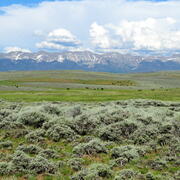
Shrubland, Alpine and Grassland Ecology (SAGE) Wildlife Research Group
The SAGE Wildlife Research Group consists of a large team of research scientists with an interest in conservation and management of wildlife and their ecosystems. Broadly, research involves understanding animal-habitat relationships, with an emphasis on conservation ecology and population demography, and a focus on shrubland, alpine, and grassland ecosystems. We are addressing the effects of...
Science and Products
Non-USGS Publications**
Koontz, M.J., North, M.P., Werner, C.M., Fick, S.E. & Latimer, A.M. (2020). Local forest structure variability increases resilience to wildfire in dry western U.S. coniferous forests. Ecology Letters, 23, 483–494.
Balch, J.K., Abatzoglou, J.T.*, Joseph, M.B.*, Koontz, M.J.*, Mahood, A.L.*, McGlinchy, J.*, et al. (2022). Warming weakens the night-time barrier to global fire. Nature, 602, 442–448. *Equally-contributing 2nd authors
Parks, S.A., Holsinger, L.M., Koontz, M.J., Collins, L., Whitman, E., Parisien, M.-A., et al. (2019). Giving ecological meaning to satellite-derived fire severity metrics across North American forests. Remote Sensing, 11, 1735.
Koontz, M.J., Latimer, A.M., Mortenson, L.A., Fettig, C.J. & North, M.P. (2021). Cross-scale interaction of host tree size and climatic water deficit governs bark beetle-induced tree mortality. Nature Communications, 12, 129–141.
Mahood, A.L., Koontz, M.J. & Balch, J.K. (2023). Fuel connectivity, burn severity, and seed bank survivorship drive ecosystem transformation in a semiarid shrubland. Ecology, 104, e3968.
Iglesias, V., Braswell, A.E., Rossi, M.W., Joseph, M.B., McShane, C., Cattau, M., et al. (2021). Risky development: Increasing exposure to natural hazards in the United States. Earth’s Future, n/a, e2020EF001795.
Koontz, M.J., Scholl, V.M., Spiers, A.I., Cattau, M.E., Adler, J., McGlinchy, J., et al. (2022). Democratizing macroecology: Integrating unoccupied aerial systems with the National Ecological Observatory Network. Ecosphere, 13, e4206.
**Disclaimer: The views expressed in Non-USGS publications are those of the author and do not represent the views of the USGS, Department of the Interior, or the U.S. Government.
Shrubland, Alpine and Grassland Ecology (SAGE) Wildlife Research Group
The SAGE Wildlife Research Group consists of a large team of research scientists with an interest in conservation and management of wildlife and their ecosystems. Broadly, research involves understanding animal-habitat relationships, with an emphasis on conservation ecology and population demography, and a focus on shrubland, alpine, and grassland ecosystems. We are addressing the effects of...
*Disclaimer: Listing outside positions with professional scientific organizations on this Staff Profile are for informational purposes only and do not constitute an endorsement of those professional scientific organizations or their activities by the USGS, Department of the Interior, or U.S. Government