



Social and economic analysis research in support of public safety, outdoor recreation, and economic growth
FORT researchers provide sound science to support the Department of the Interior in its efforts to reduce the risks wildfires pose to people and property, expand outdoor recreation and tourism opportunities, and promote economic decision making in public lands management.
This research is developed in partnership with resource managers from local, State, Federal and Tribal governments, industry, and nongovernmental organizations, empowering local and rural communities to make decisions for themselves using high-quality data and smart tools.
Assessing and reducing wildfire risks to public safety and security
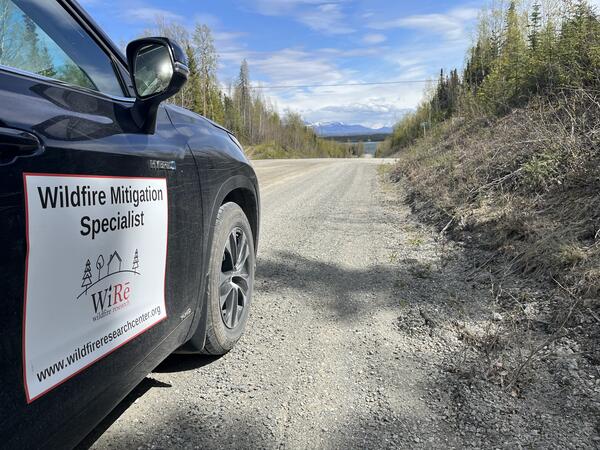
FORT researchers have spent over a decade participating on the Wildfire Research (WiRē) Team, an interagency partnership that works closely with wildfire mitigation and education organizations to support the development of local, evidence-based wildfire programs that are tailored to the needs of individual communities. WiRē researchers assist local practitioners in the collection, analysis, and reporting of parcel-level wildfire risk and social data for all private parcels in a community. This data can help communities develop customized, effective plans for reducing wildfire risks to individuals and their properties.
In 2024, WiRē won the CO-LABS Governor’s Awards for High Impact Research: Pathfinding Partnership Award for their support of evidence-based community wildfire education to help communities live with wildfire. Currently, their Living with Wildfire series contains reports from over 20 different communities they have worked with over the years, and many communities have published additional reports to highlight their work with WiRē on other platforms.
City of Santa Fe and WiRē - StoryMap
Genesee County and WiRē - Website
Routt County and WiRē - Website
USGS scientists are also working with the Department of Defense (DoD) Environmental Security Technology Certification Program (ESTCP) to develop advanced tools for assessing fire risks and predicting future fire behavior. Natural hazards like wildfire have the potential to disrupt military operations on DoD-managed lands through loss of infrastructure, and reduced water and air quality. Thus, DoD needs strong science to help land managers plan for and respond to future wildfires. FORT projects to support this effort include:
- Assessing the feasibility of using remotely sensed data sources in fire behavior models
- Evaluating fire behavior and effects models across DoD landscapes
- Demonstrating improved fire risk assessment approaches on DoD landscapes
Supporting outdoor recreation and tourism
DOI manages 480 million acres of public lands that attract over 565 million visitors every year, generating \$1.2 trillion in economic output. FORT economists and social scientists work on a variety of projects that help DOI determine the value of outdoor recreation and tourism to the American public. Their research directly supports natural resource managers in expanding recreation opportunities across the United States. Keep reading to learn more about ongoing projects at our center.
FORT scientists provide essential science to land management agencies in support of visitor use monitoring and management. For example, FORT social scientists and developers partnered with the Bureau of Land Management to create an online application to collect geospatial data from the public about locations they use or value within public lands. With this information, land managers can determine which locations within their management area should be prioritized for maintenance or restoration.
In addition, FORT scientists help land managers quantify the impacts of environmental conditions like air quality on visitation and define best practices to make trails operational and sustainable into the future. Finally, a new report highlights the best practices for estimating visitation on public lands. This report is intended to support the implementation of provisions in the EXPLORE Act related to recreation visitation data, as well as provide opportunities to enhance visitation estimation and coordination across federal agencies.
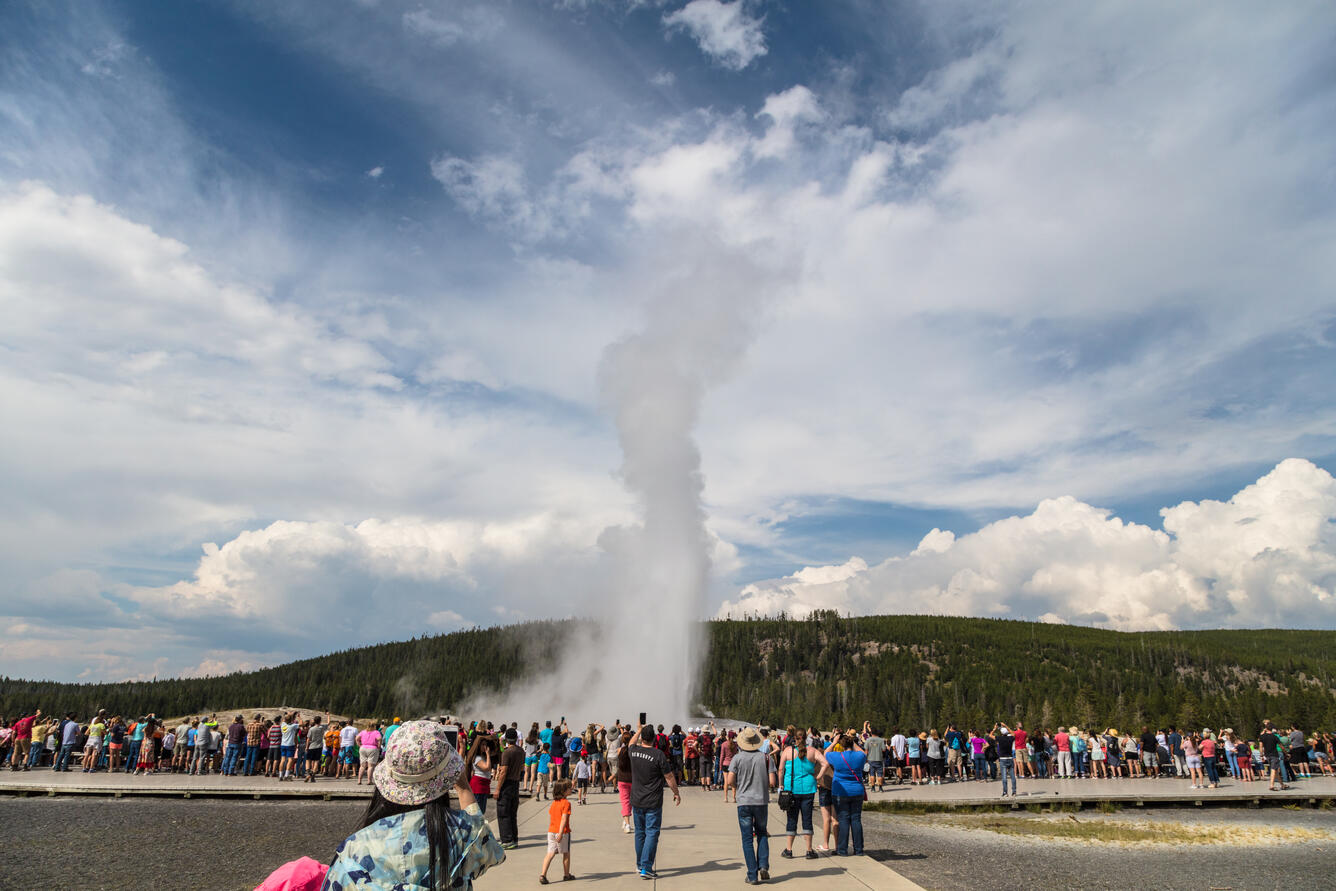
FORT scientists can help resource managers estimate the overall economic benefits generated by outdoor recreation activities, such as national park trips, wildlife viewing, and salmon fishing. People spend quite a bit of money to participate in outdoor recreation, as evidenced by their spending on things like travel, entrance fees, fishing licenses, and equipment rentals. Sometimes people are also willing to pay more for an experience than the amount they actually pay. Using economic methods, FORT scientists can help resource managers estimate the entire range of benefits of outdoor recreation.
For example, in a study published earlier this year, FORT scientists found that Yellowstone and Grand Teton National Park visitors interested in wildlife viewing generated almost \$581 million net economic value per year. The same study examined how small increases in fees, which could be put towards wildlife conservation, would be expected to impact national park visitation and revenues. This type of information can help managers weigh the potential tradeoffs surrounding the many decisions they have to make.
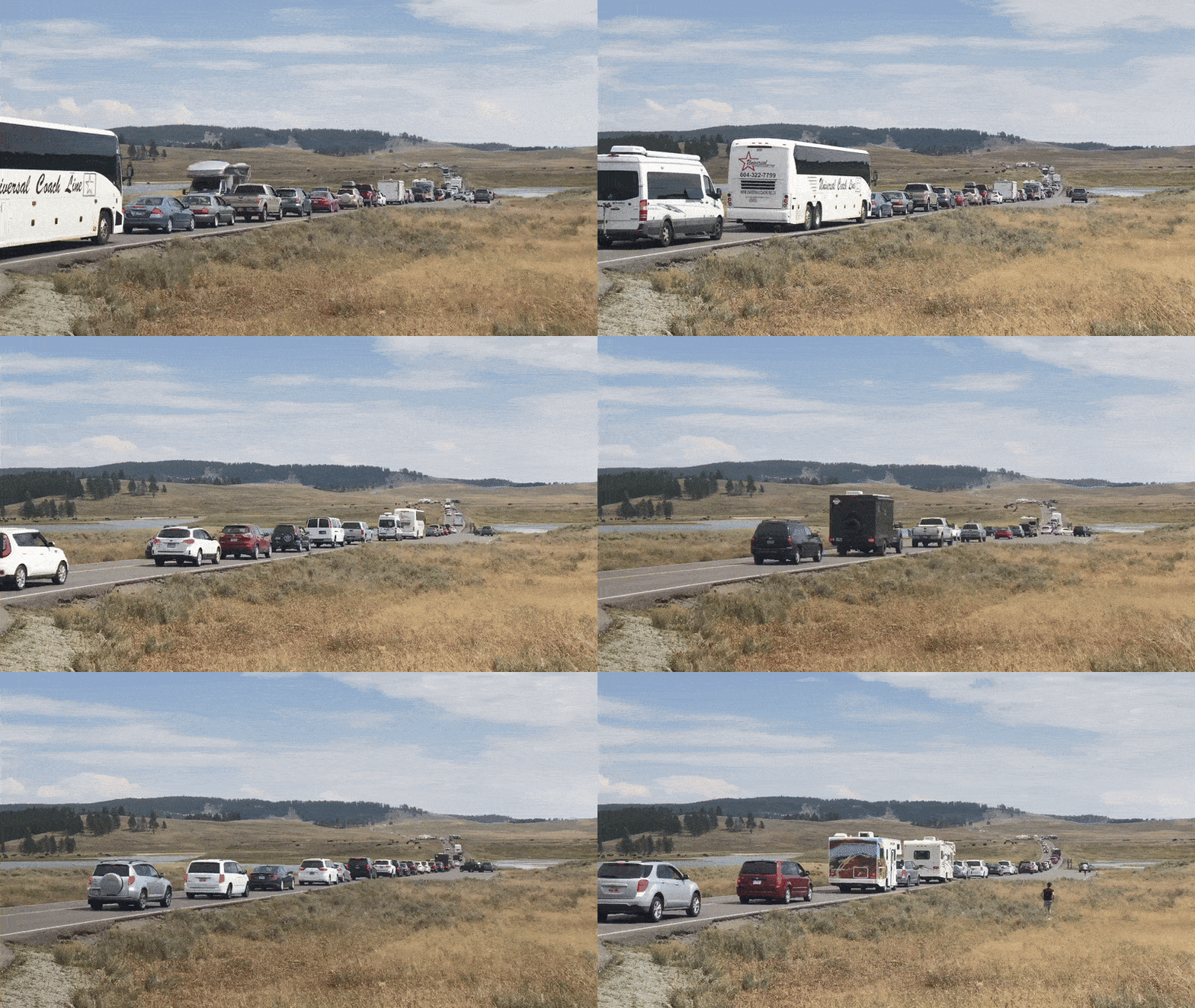
Background: Cars line up to view bison in Yellowstone National Park.
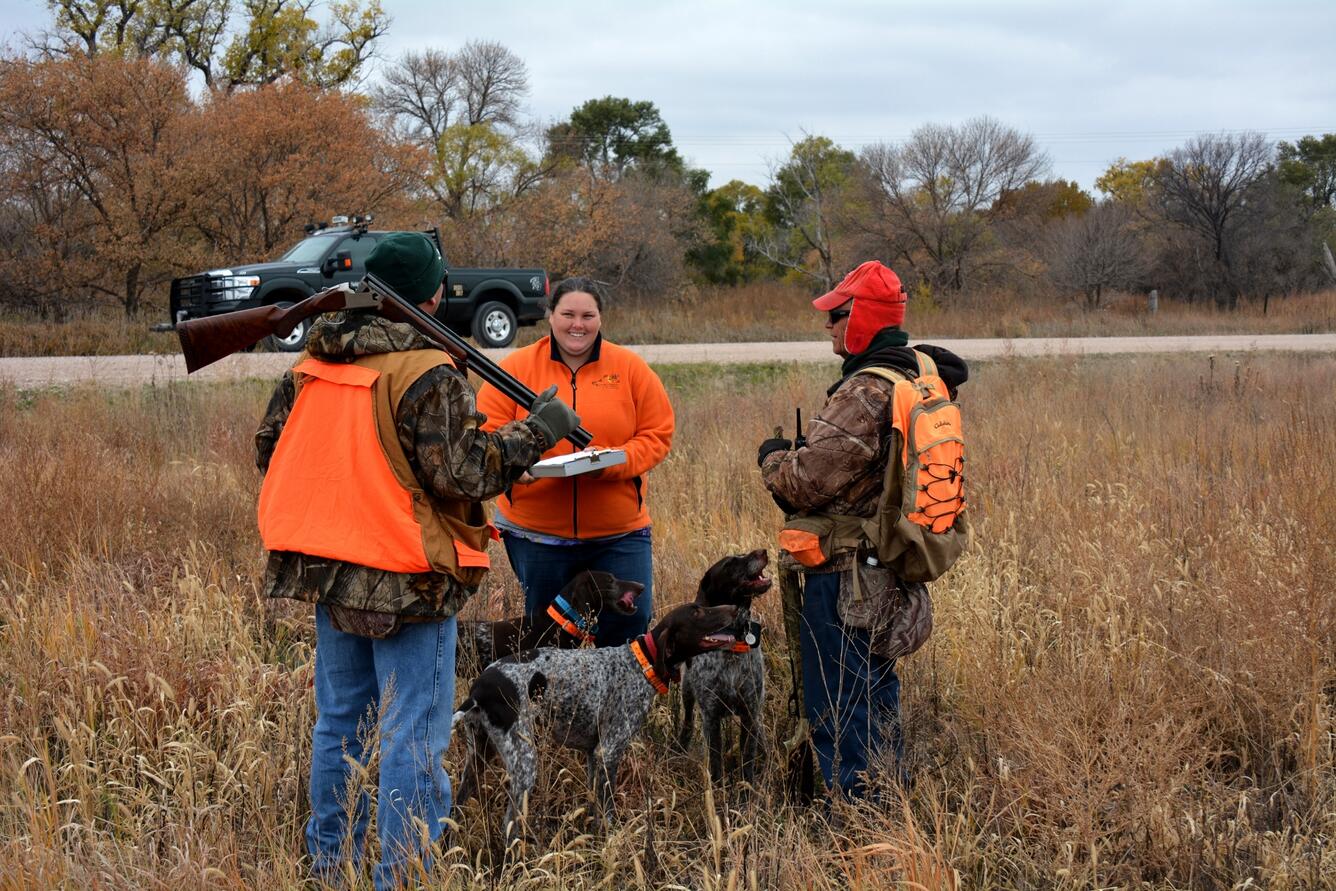
FORT scientists support expanded hunting and fishing opportunities through a variety of studies that explore human interactions with fish and wildlife. For example, researchers have investigated the preferences and behaviors of waterfowl hunters and the perceived constraints to participating in wildlife-related recreation like hunting, and have completed many other social science studies to inform the North American Waterfowl Management Plan.
They also provide guidance and science support to Tribes, Federal agencies, and State agencies that are actively managing the spread of Chronic Wasting Disease (CWD), a fatal disease affecting many important game species across the United States.
Informing cost-effective public lands management
Federal land managers are accountable to the public for how they use public resources and for the outcomes of management decisions. FORT economists evaluate how investments and management decisions affect individuals, local communities, and society as a whole.
Currently, they are working with partners to determine the economic impacts of public lands management, including economic assessments of addressing invasive grasses and the costs of land treatments on public lands. Information from these studies can help managers estimate the benefits of land management to businesses and communities and determine the most cost-effective land management methods for their management area.
Additional Social and Economic Analysis Science at FORT
Many FORT research projects are interdisciplinary. On the pages below, you can learn more about additional social and economic analysis research from FORT, including science for management of healthy fish and wildlife populations, science for wildfire risk reduction, and science for invasive species management.
All FORT research on Social and Economic Analysis
FORT research on Fish and Wildlife
FORT research on Invasive Species
FORT research on Land Management

Identifying Chains of Consequences and Interventions for Post-fire Hazards and Impacts to Resources and Ecosystems

Economics of Wildland Fire

The Wildfire Research (WiRē) Team

Human Dimensions of Resource Management

Feasibility of Remote Sensing Data Sets for Evaluation of Next Generation Fire Behavior Models

Values Mapping for Planning in Regional Ecosystems (VaMPIRE)

Invasive species science in support of public safety, America’s natural resources, and economic growth

Demonstrating Improved Risk Assessment Approaches on Department of Defense (DoD) Landscapes

Fire Behavior and Effects Model Evaluation and Demonstration across Innovation Landscapes.

Wildlife Economics

Economics of Outdoor Recreation

Economic Impacts of Public Lands Management
FORT researchers provide sound science to support the Department of the Interior in its efforts to reduce the risks wildfires pose to people and property, expand outdoor recreation and tourism opportunities, and promote economic decision making in public lands management.
This research is developed in partnership with resource managers from local, State, Federal and Tribal governments, industry, and nongovernmental organizations, empowering local and rural communities to make decisions for themselves using high-quality data and smart tools.
Assessing and reducing wildfire risks to public safety and security
FORT researchers have spent over a decade participating on the Wildfire Research (WiRē) Team, an interagency partnership that works closely with wildfire mitigation and education organizations to support the development of local, evidence-based wildfire programs that are tailored to the needs of individual communities. WiRē researchers assist local practitioners in the collection, analysis, and reporting of parcel-level wildfire risk and social data for all private parcels in a community. This data can help communities develop customized, effective plans for reducing wildfire risks to individuals and their properties.
In 2024, WiRē won the CO-LABS Governor’s Awards for High Impact Research: Pathfinding Partnership Award for their support of evidence-based community wildfire education to help communities live with wildfire. Currently, their Living with Wildfire series contains reports from over 20 different communities they have worked with over the years, and many communities have published additional reports to highlight their work with WiRē on other platforms.
City of Santa Fe and WiRē - StoryMap
Genesee County and WiRē - Website
Routt County and WiRē - Website
USGS scientists are also working with the Department of Defense (DoD) Environmental Security Technology Certification Program (ESTCP) to develop advanced tools for assessing fire risks and predicting future fire behavior. Natural hazards like wildfire have the potential to disrupt military operations on DoD-managed lands through loss of infrastructure, and reduced water and air quality. Thus, DoD needs strong science to help land managers plan for and respond to future wildfires. FORT projects to support this effort include:
- Assessing the feasibility of using remotely sensed data sources in fire behavior models
- Evaluating fire behavior and effects models across DoD landscapes
- Demonstrating improved fire risk assessment approaches on DoD landscapes
Supporting outdoor recreation and tourism
DOI manages 480 million acres of public lands that attract over 565 million visitors every year, generating \$1.2 trillion in economic output. FORT economists and social scientists work on a variety of projects that help DOI determine the value of outdoor recreation and tourism to the American public. Their research directly supports natural resource managers in expanding recreation opportunities across the United States. Keep reading to learn more about ongoing projects at our center.
FORT scientists provide essential science to land management agencies in support of visitor use monitoring and management. For example, FORT social scientists and developers partnered with the Bureau of Land Management to create an online application to collect geospatial data from the public about locations they use or value within public lands. With this information, land managers can determine which locations within their management area should be prioritized for maintenance or restoration.
In addition, FORT scientists help land managers quantify the impacts of environmental conditions like air quality on visitation and define best practices to make trails operational and sustainable into the future. Finally, a new report highlights the best practices for estimating visitation on public lands. This report is intended to support the implementation of provisions in the EXPLORE Act related to recreation visitation data, as well as provide opportunities to enhance visitation estimation and coordination across federal agencies.
FORT scientists can help resource managers estimate the overall economic benefits generated by outdoor recreation activities, such as national park trips, wildlife viewing, and salmon fishing. People spend quite a bit of money to participate in outdoor recreation, as evidenced by their spending on things like travel, entrance fees, fishing licenses, and equipment rentals. Sometimes people are also willing to pay more for an experience than the amount they actually pay. Using economic methods, FORT scientists can help resource managers estimate the entire range of benefits of outdoor recreation.
For example, in a study published earlier this year, FORT scientists found that Yellowstone and Grand Teton National Park visitors interested in wildlife viewing generated almost \$581 million net economic value per year. The same study examined how small increases in fees, which could be put towards wildlife conservation, would be expected to impact national park visitation and revenues. This type of information can help managers weigh the potential tradeoffs surrounding the many decisions they have to make.
Background: Cars line up to view bison in Yellowstone National Park.
FORT scientists support expanded hunting and fishing opportunities through a variety of studies that explore human interactions with fish and wildlife. For example, researchers have investigated the preferences and behaviors of waterfowl hunters and the perceived constraints to participating in wildlife-related recreation like hunting, and have completed many other social science studies to inform the North American Waterfowl Management Plan.
They also provide guidance and science support to Tribes, Federal agencies, and State agencies that are actively managing the spread of Chronic Wasting Disease (CWD), a fatal disease affecting many important game species across the United States.
Informing cost-effective public lands management
Federal land managers are accountable to the public for how they use public resources and for the outcomes of management decisions. FORT economists evaluate how investments and management decisions affect individuals, local communities, and society as a whole.
Currently, they are working with partners to determine the economic impacts of public lands management, including economic assessments of addressing invasive grasses and the costs of land treatments on public lands. Information from these studies can help managers estimate the benefits of land management to businesses and communities and determine the most cost-effective land management methods for their management area.
Additional Social and Economic Analysis Science at FORT
Many FORT research projects are interdisciplinary. On the pages below, you can learn more about additional social and economic analysis research from FORT, including science for management of healthy fish and wildlife populations, science for wildfire risk reduction, and science for invasive species management.
All FORT research on Social and Economic Analysis
FORT research on Fish and Wildlife
FORT research on Invasive Species
FORT research on Land Management
Identifying Chains of Consequences and Interventions for Post-fire Hazards and Impacts to Resources and Ecosystems
Economics of Wildland Fire
The Wildfire Research (WiRē) Team
Human Dimensions of Resource Management
Feasibility of Remote Sensing Data Sets for Evaluation of Next Generation Fire Behavior Models
Values Mapping for Planning in Regional Ecosystems (VaMPIRE)
Invasive species science in support of public safety, America’s natural resources, and economic growth
Demonstrating Improved Risk Assessment Approaches on Department of Defense (DoD) Landscapes
Fire Behavior and Effects Model Evaluation and Demonstration across Innovation Landscapes.
Wildlife Economics
Economics of Outdoor Recreation