



Biological microbes such as Fecal Indicator Bacteria (FIB)—including Escherichia coli (E. coli)—along with pathogens like Cryptosporidium, and microbial signatures used in Microbial Source Tracking (MST), are receiving heightened attention from the public, environmental agencies, and water-resource managers. These indicators help identify potential contamination sources, assess recreational water quality, and evaluate risks to both human health and aquatic ecosystems.
The New Jersey Water Science Center (NJWSC) conducts a wide range of investigations that examine the occurrence, distribution, and environmental drivers of these biological factors. Through targeted sampling, laboratory analysis, and collaboration with State, Federal, and local partners, NJWSC works to better understand how microbial contaminants move through watersheds, how they affect water quality, and how they may influence the use of water resources for recreation, drinking-water supply, and ecological protection.
NJWSC’s capabilities and ongoing or recent projects related to biological studies include a wide range of monitoring, analytical, and research activities designed to better understand the sources, behavior, and environmental implications of microbial contaminants in New Jersey’s waters. These efforts support local, State, and Federal partners in their decision making and managing aquatic resources.
NJWSC’s capabilities and ongoing or recent projects related to biological studies include:
Monitoring and assessment of Fecal Indicator Bacteria in rivers, streams, lakes, and estuarine environments.
Detection and quantification of Cryptosporidium and other protozoan pathogens in surface water.
Implementation of Microbial Source Tracking to distinguish between human, wildlife, agricultural, and other sources of contamination.
Development of new tools and approaches for evaluating microbial water-quality trends.
Collaboration with partners to assess implications for public health, water treatment, and ecosystem management.
For more information related to NJWSC’s ongoing work see links below

Biological Studies in New Jersey
-
Cryptosporidium Synoptic Study of the Raritan River Basin
The USGS New Jersey Water Science Center is partnering with New Jersey American Water (NJAW) on a project in the Raritan River Basin Study area to investigate the potential sources of Cryptosporidium in the Raritan River Basin.
-

Microbial Source Tracking in the Lower Passaic River Basin Study Area, New Jersey
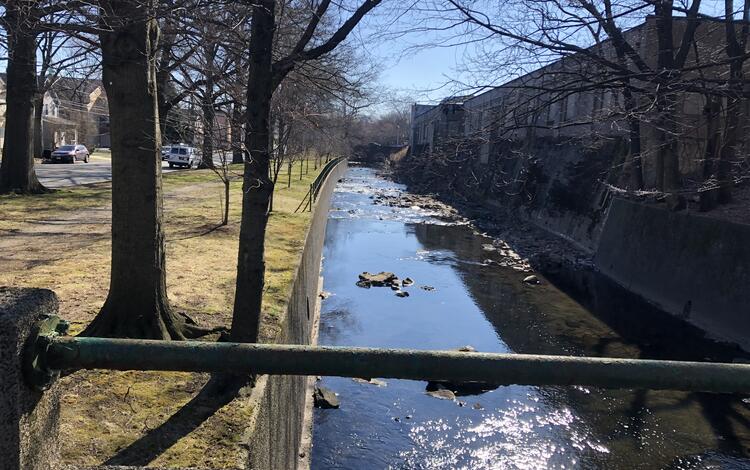
The USGS NJWSC is collaborating with the Passaic Valley Sewerage Commission (PVSC) on an Urban Waters Federal Partnership project in the Lower Passaic River basin to investigate the occurrence and potential sources of E. coli fecal indicator bacteria.
-
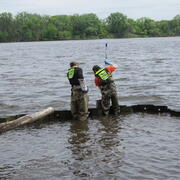
Novel Bacterial Monitoring of Urbanized Waterways in the Lower Delaware River and Passaic River Basins.
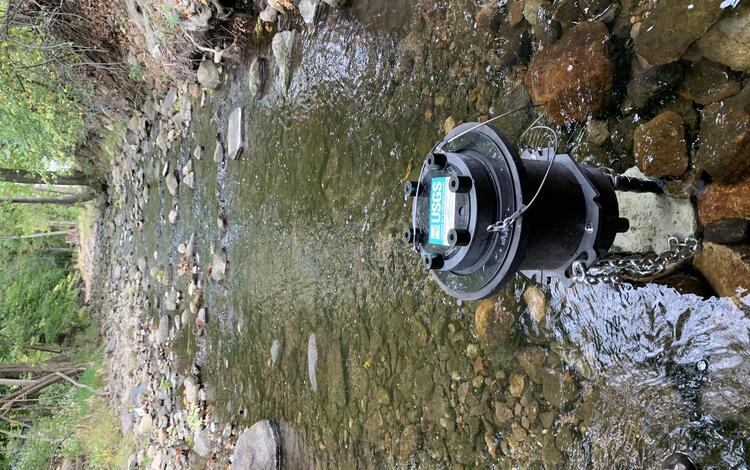
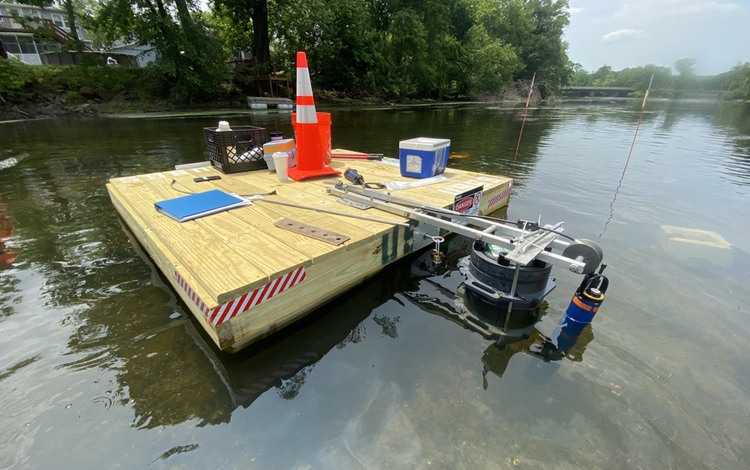
As part of the Urban Water Federal Partnership, the U.S. Geological Survey (USGS) New Jersey Water Science Center (NJWSC) is currently assessing the use of innovative, near real-time bacteria monitoring technology to provide rapid results on bacteria concentrations to water regulators. Traditional methods of collecting and quantifying fecal indicator bacteria (FIB) is labor intensive, expensive...
Cryptosporidium Synoptic Study of the Raritan River Basin
Microbial Source Tracking in the Lower Passaic River Basin Study Area, New Jersey
Novel Bacterial Monitoring of Urbanized Waterways in the Lower Delaware River and Passaic River Basins.
Biological microbes such as Fecal Indicator Bacteria (FIB)—including Escherichia coli (E. coli)—along with pathogens like Cryptosporidium, and microbial signatures used in Microbial Source Tracking (MST), are receiving heightened attention from the public, environmental agencies, and water-resource managers. These indicators help identify potential contamination sources, assess recreational water quality, and evaluate risks to both human health and aquatic ecosystems.
The New Jersey Water Science Center (NJWSC) conducts a wide range of investigations that examine the occurrence, distribution, and environmental drivers of these biological factors. Through targeted sampling, laboratory analysis, and collaboration with State, Federal, and local partners, NJWSC works to better understand how microbial contaminants move through watersheds, how they affect water quality, and how they may influence the use of water resources for recreation, drinking-water supply, and ecological protection.
NJWSC’s capabilities and ongoing or recent projects related to biological studies include a wide range of monitoring, analytical, and research activities designed to better understand the sources, behavior, and environmental implications of microbial contaminants in New Jersey’s waters. These efforts support local, State, and Federal partners in their decision making and managing aquatic resources.
NJWSC’s capabilities and ongoing or recent projects related to biological studies include:
Monitoring and assessment of Fecal Indicator Bacteria in rivers, streams, lakes, and estuarine environments.
Detection and quantification of Cryptosporidium and other protozoan pathogens in surface water.
Implementation of Microbial Source Tracking to distinguish between human, wildlife, agricultural, and other sources of contamination.
Development of new tools and approaches for evaluating microbial water-quality trends.
Collaboration with partners to assess implications for public health, water treatment, and ecosystem management.
For more information related to NJWSC’s ongoing work see links below
Biological Studies in New Jersey
-
-
Cryptosporidium Synoptic Study of the Raritan River Basin
The USGS New Jersey Water Science Center is partnering with New Jersey American Water (NJAW) on a project in the Raritan River Basin Study area to investigate the potential sources of Cryptosporidium in the Raritan River Basin.
-
-
Microbial Source Tracking in the Lower Passaic River Basin Study Area, New Jersey
The USGS NJWSC is collaborating with the Passaic Valley Sewerage Commission (PVSC) on an Urban Waters Federal Partnership project in the Lower Passaic River basin to investigate the occurrence and potential sources of E. coli fecal indicator bacteria.
-
-
Novel Bacterial Monitoring of Urbanized Waterways in the Lower Delaware River and Passaic River Basins.
As part of the Urban Water Federal Partnership, the U.S. Geological Survey (USGS) New Jersey Water Science Center (NJWSC) is currently assessing the use of innovative, near real-time bacteria monitoring technology to provide rapid results on bacteria concentrations to water regulators. Traditional methods of collecting and quantifying fecal indicator bacteria (FIB) is labor intensive, expensive...
Cryptosporidium Synoptic Study of the Raritan River Basin
Microbial Source Tracking in the Lower Passaic River Basin Study Area, New Jersey