About
About the Core Research Center.
About the Core Research Center
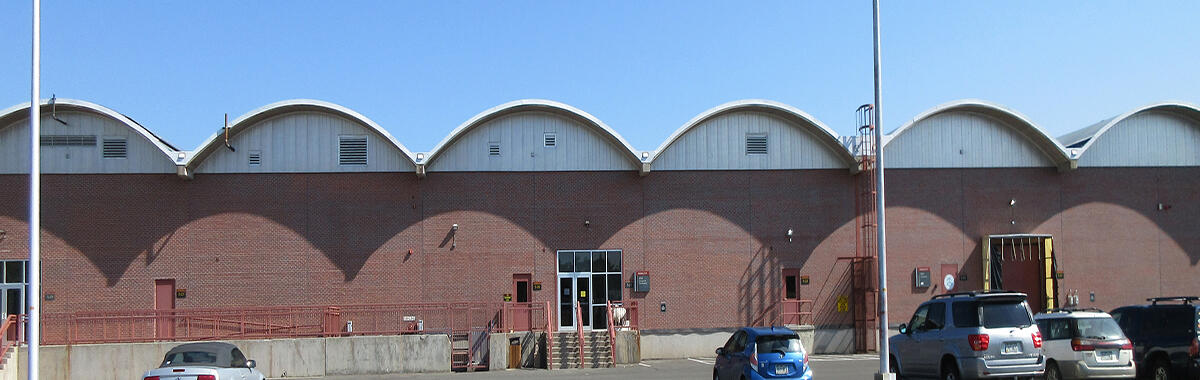
In 1974 the U.S. Geological Survey (USGS), in cooperation with the Rocky Mountain Association of geologists, established a permanent free-access core repository in Denver: and thus our collection was born. The Core Research Center is part of the National Geological and Geophysical Data Preservation Program.
The purpose of the Center is to rescue rock cores threatened with destruction or disposal, process and store them in an efficient manner, and make them available for observation and sampling by all interested parties. The Center has cultivated a high degree of trust and integrity with its donors and users.
The Core Research Center is a part of the USGS National Geological and Geophysical Data Preservation Program.
What's in the Center?
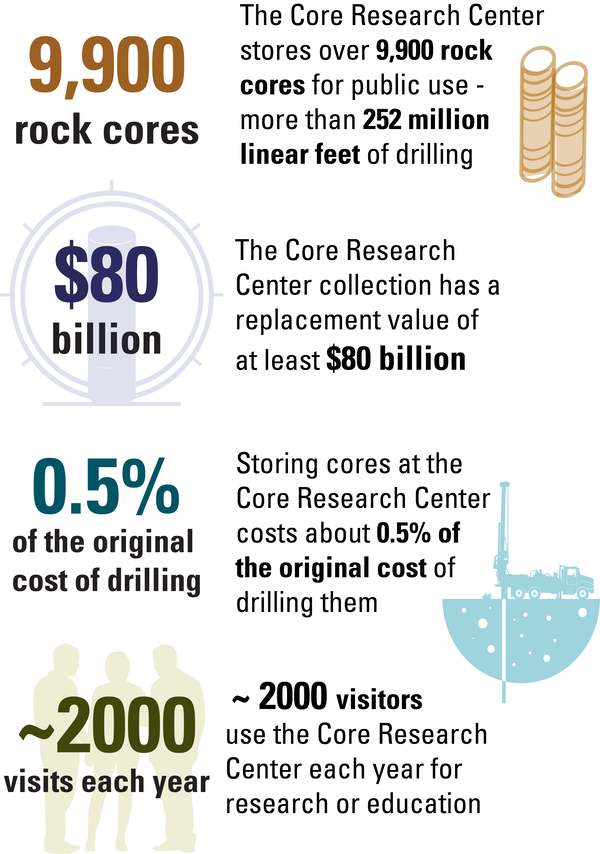
The Center is one of the largest and most varied public core repositories in the country. It is home to more than 9,900 rock cores and 53,000 cuttings from 36 states, which represent more than 252 million linear feet of drilling. The Center also maintains thousands of thin sections, photos, and documents related to cores and cuttings, including cross sections, core descriptions and other analysis performed by previous users of the collection.
What’s a core?
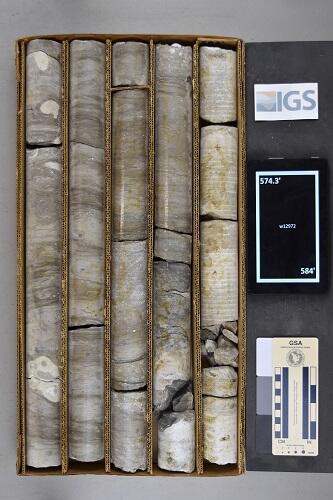
Cores are long cylinders of rock that are extracted from below the ground by a hollow drill. They show the rock, layer by layer, as it exists hundreds or thousands of feet underground. Scientists measure and take samples from cores to understand properties of the rock at different depths.
What’s a cutting?
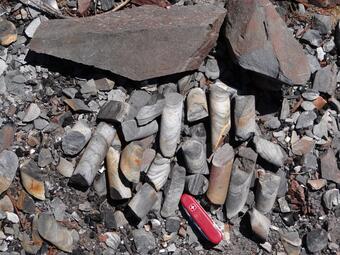
Cuttings are small chips and fragments of rock that come out of a borehole as it’s being drilled. Cuttings don’t provide as much detail as cores but still provide valuable information about rock that lies deep below the ground.
A Valuable Service
Cores are expensive and labor-intensive to collect. The estimated replacement cost of this collection is estimated to be more than 80 billion dollars.
Conservative estimates indicate that storing cores at the Center costs about 0.5% of the original cost of drilling them – and only 0.05% of what it would cost to drill the cores today. This means that the cost of preserving a core at the Center, where it is available for reserach and educational use, won't equal what it cost to drill it for at least 200 years!
These samples help scientists in industry, government and academia answer pressing geological questions with everyday impacts such as:
- Where are usable energy and mineral resources?
- What is the risk of natural hazards like earthquakes and volcanoes? How often have these hazards occurred in the past, and what happened to life on earth when they did?
- How does groundwater move below the Earth’s surface, and what does that mean for water availability?
- How has the Earth’s temperature and sea level changed in the past, and how did it affect life’s ability to survive and thrive?
Visit us!
The Core Research Center provides research services and public tours. To schedule an appointment or tour, please reach out to crc@usgs.gov. We are open Monday through Friday and closed on all Federal holidays.