



GeoHEALTH - USGS Newsletter - Issue August 2025

Beneath the Surface: Exploring PFAS and Drinking Water on French Island, Wisconsin
The growing concern of finding per- and polyfluoroalkyl substances (PFAS) in drinking water has led USGS scientists to conduct more comprehensive analyses that encompass an extensive list of compounds that can be found in drinking water. These analyses will develop a more complete drinking water contaminant list that managers can use to make more informed public health decisions.

Oil and Gas Wastewater Exposure Pathways: What We Know and What Remains Unanswered
Produced water is a complex waste byproduct from oil and gas development that can be repurposed for beneficial uses. Understanding its applications, how it moves through the environment, and its potential effects on human health is essential. USGS researchers, in collaboration with Health Effects Institute (HEI) Energy, reviewed and analyzed existing literature to identify knowledge gaps about...

Understanding the Dynamics of Per- and Polyfluoroalkyl Substances (PFAS): Insights from USGS Research
The USGS Environmental Health (EH) Program research where per- and polyfluoroalkyl substances PFAS are found, how they move and change in the environment, how they might affect both ecosystems and human health, and ways to reduce their impact. The three teams focusing on these issues within the EH Program include: 1) the PFAS Integrated Science Team, 2) the PFAS Core Technology Team, and 3) the...
Environmental Health Program's One Health Approach
Recognizes the interdependence of plant, animal, and human health, and the health of the ecosystems that they share.
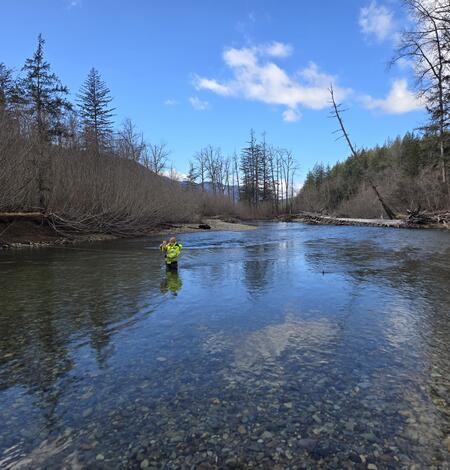
Beyond the Usual Suspects: A Comprehensive Look at Agricultural Stream Contaminants
Clean water is essential for both environmental health and human safety, but many everyday products and activities can contribute to water pollution including contaminants such as microplastics, harmful chemicals such as pharmaceuticals and pesticides, and antibiotic resistance genes. A recent USGS study in Iowa investigated pollutants in streams, including stream sediment and biota, to determine...
Leading the Way: Specialized Laboratory Contributions to Environmental Health
The Environmental Health Program features a Unified Core Technology Team comprised of multiple laboratories with specialized expertise that support the overall program research assessing actual and perceived risks from environmental contaminants and pathogens. Individual Core Technology Teams work closely with the Integrated Science Teams to ensure current and emerging techniques are being used to...
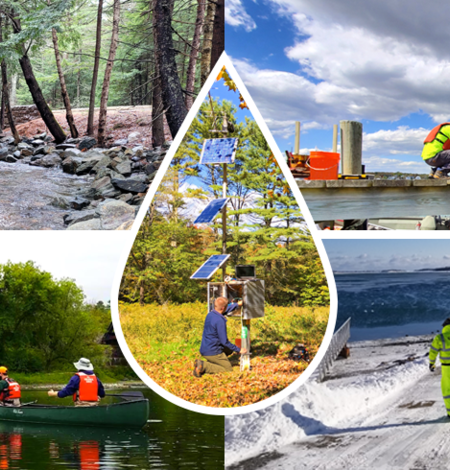
USGS Environmental Health Program: Integrating Science for Public Health and Resource Management
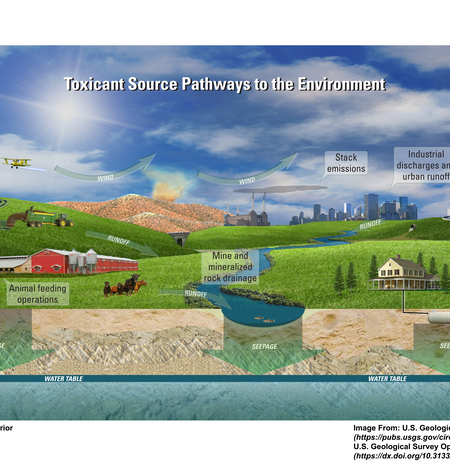
The USGS Environmental Health Program seeks to understand how environmental factors, especially contaminants and pathogens, influence human health and ecosystems. It focuses on studying the distribution and effects of toxic substances, environmental stressors, and their pathways. The program prioritizes collaboration with State, Federal and local governments; Tribes; non-government organizations...

Powering Progress: How Science Can Fuel the Energy Resources Life Cycle
Energy is essential to modern life, and accessing it involves a complex lifecycle, from resource discovery to extraction, use, and eventual remediation and reclamation. The USGS Ecosystems Mission Area supports this process by conducting research and providing scientific insights to guide decision-making at each stage. By collaborating with resource management agencies and stakeholders, we analyze...
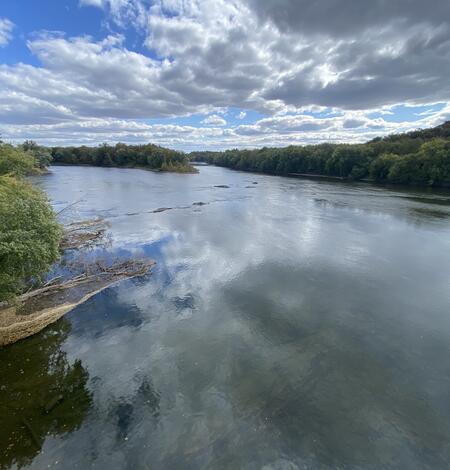
Navigating PFAS Contamination: Insights from the USGS Potomac River Watershed Study
The Potomac River is a major watershed in the eastern United States that serves as a crucial water supply for millions of people. USGS researchers conducted a comprehensive investigation to identify the contributions of municipal and industrial wastewater treatment plant effluent to the levels of per-and polyfluoroalkyl substances (PFAS) in the Potomac River. This study included measuring PFAS...

GeoHEALTH - USGS Newsletter - Issue April 2025
The GeoHEALTH–USGS Newsletter—published since 2004 by the USGS Environmental Health Program—provides information on new USGS science activities pertinent to safeguarding the health of fish, wildlife, domesticated animals, livestock, and people from environmental exposures to contaminants and pathogens.