



Fisheries of the Aleutian Arc and Alaska: Their Importance, Challenges, and the Role of Exploration
A USGS-led expedition in the Aleutian Arc off Alaska will provide critical information on energy resources, underwater earthquakes and other hazards, seafloor habitats, and biological resources, including key fisheries, as well as potential seabed minerals.
The Aleutian Arc, a remote chain of volcanic islands stretching from the Alaska Peninsula to international waters, harbors some of the ocean’s most diverse yet largely unknown marine ecosystems. Our USGS-led expedition mission on board the R/V Atlantis and exploring these depths with the human-occupied vehicle (HOV) Alvin was not a small task. The waters were rough with near-freezing temperatures, the currents unpredictable, and the extreme pressure and complete darkness made navigation and sampling difficult. Yet the rewards were priceless!
Image: The U.S. Navy's human-occupied vehicle (HOV) Alvin (operated by the Woods Hole Oceanographic Institution)
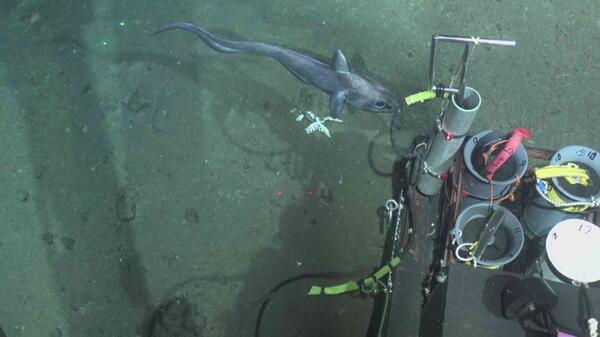
As Alvin drops thousands of meters into the Aleutian slopes, it may encounter deep trenches, canyons, gas seeps, and hydrothermal vents; these environments create highly specialized habitats. This complex underwater landscape supports fish species with remarkable adaptations that allow them to survive in these extreme environments. Each dive was an opportunity to observe them and other creatures in their natural habitat, capturing high-resolution imagery while recording critical environmental parameters like temperature, salinity, and depth. At the same time, crucial information was collected about the seafloor and its resources, from energy deposits and mineral potential to key fisheries, habitats, and even the risks of underwater earthquakes. Now, the next challenge is just beginning: analyzing the vast amount of information collected, which will bring us closer to understanding this unexplored world—and the insights gained will be essential for both advancing science and protecting these fragile ecosystems for the future.
Fish Species in the Aleutian Arc and Alaska
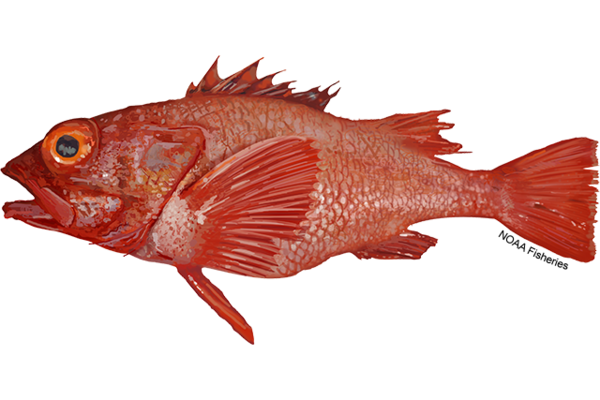
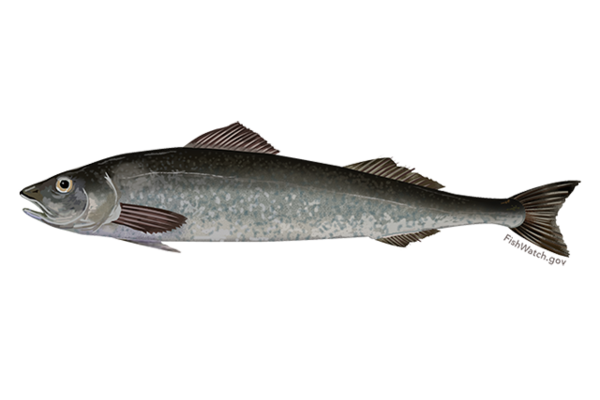
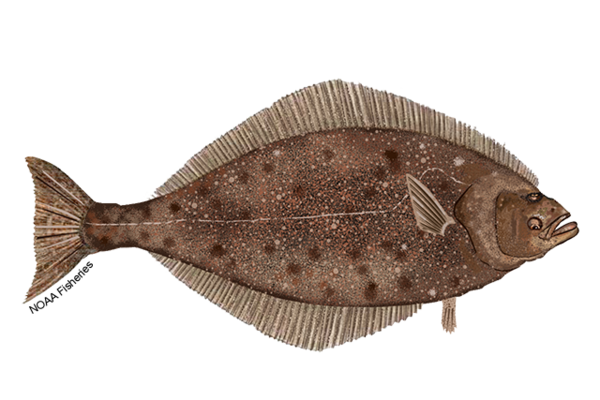
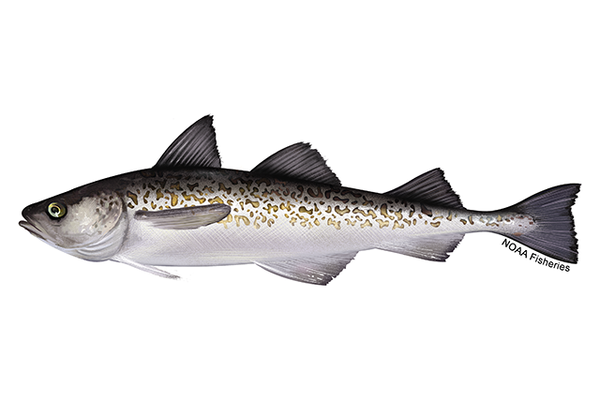
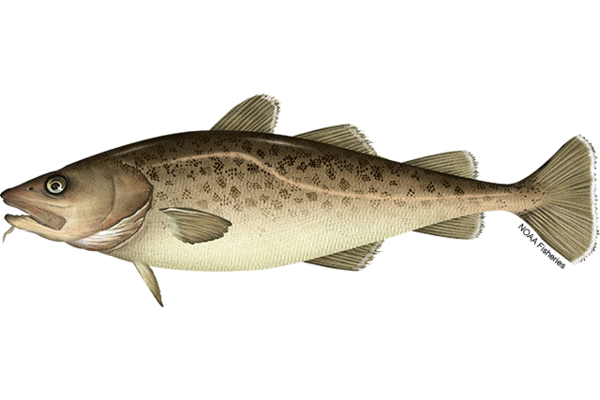
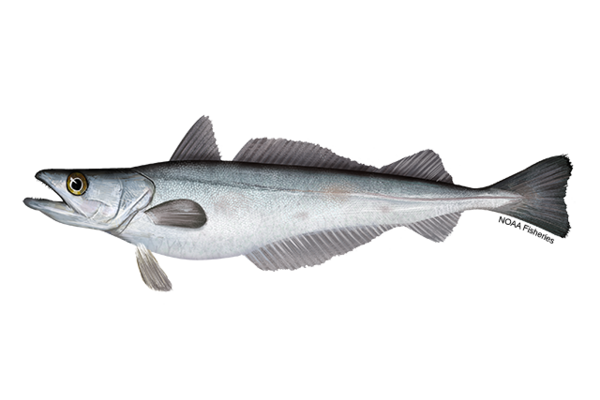
Among the many species that thrive in these waters are fish, such as the Pacific Cod, the Alaska Pollock, Pacific Halibut, and the Pacific rockfishes, which are foundational to the United States’ bioeconomy. These commercially important species are vital not only for their economic value but also for their role in sustaining Alaska Natives and local communities. Subsistence fishing remains critical for the cultural and economic well-being of over 100,000 rural Alaskans, while sport fishing, both in saltwater and freshwater, continues to be an essential activity in the state.
Image: Young of the year Alaska (Walleye) Pollock
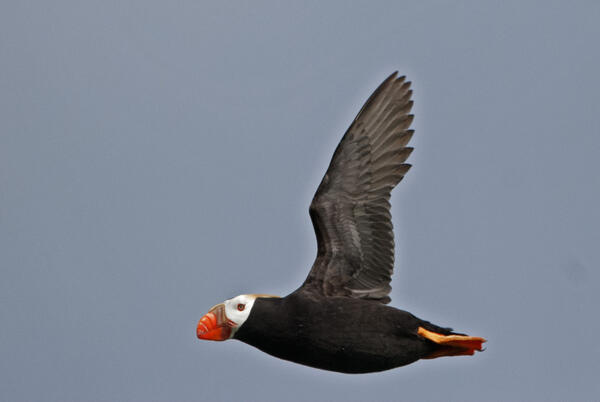
Fishes are more than just a vital part of the global seafood industry; they play a crucial role in maintaining the ecological balance of the region. As predators and prey, they contribute to the stability of marine food webs, supporting a variety of invertebrates, other fish, seabirds, and marine mammals. Despite the economic and ecological importance of fish in the Aleutian Arc and Alaskan waters, several challenges threaten these fisheries and the communities that depend on them. Rising ocean temperatures, shifts in ocean currents, and increased ocean acidification are disrupting the habitats of key fish species. Changes in water temperatures are causing some species to move to cooler waters, which can lead to lower catch rates of commercial species for local fishermen and increased fuel costs as they have to travel farther and deeper to catch them. Unsustainable fishing practices, including illegal fishing and methods such as bottom trawling, can exacerbate this issue and put additional strain on already vulnerable populations.
Why Exploration and Research Matter
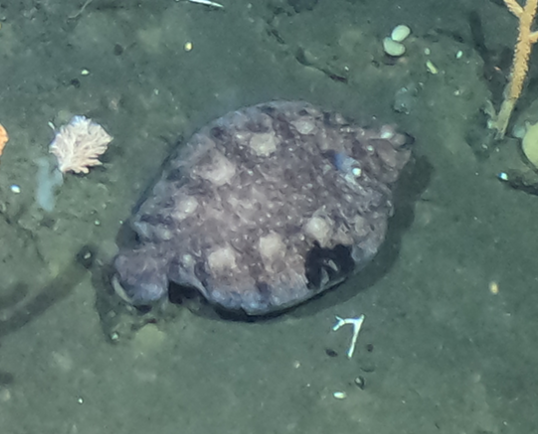
This expedition will enhance our understanding of Aleutian Arc fish populations and the ecosystems in which they live. Essential biological, geological, and chemical data about deepwater resources in the Aleutian Islands will be shared with federal and state partners, Tribal and local communities, and private industry. Scientists, local communities, government agencies, and the fishing industry can work together to address the challenges facing Aleutian and Alaskan fisheries. This includes informing fishery management practices that support local and national food security and developing and implementing sustainable fishing practices that balance the economic needs of the fishing industry and local communities and the health of the marine environment to ensure these resources are available for future generations.
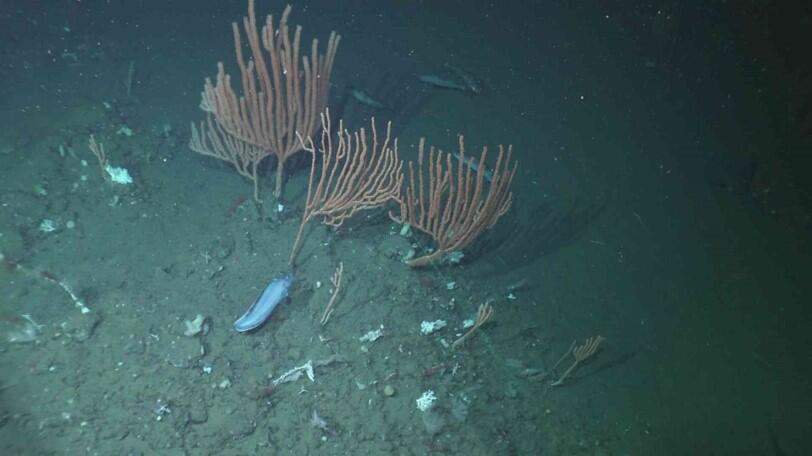
Fishes in the Aleutian Arc
References
Phillips, E. M., Malick, M. J., Gauthier, S., Haltuch, M. A., Hunsicker, M. E., Parker-Stetter, S. L., & Thomas, R. E. 2023. The influence of temperature on Pacific hake co-occurrence with euphausiids in the California Current Ecosystem. Fisheries Oceanography, 32(3), 267-279. https://doi.org/10.1111/fog.12628.
Priede, I. G., & Jamieson, A. J. (2025). Backward swimming in elongated-bodied abyssal demersal fishes: Synaphobranchidae, Macrouridae, and Ophidiidae. Journal of Fish Biology, 107(1), 52–62. https://doi.org/10.1111/jfb.16049.