



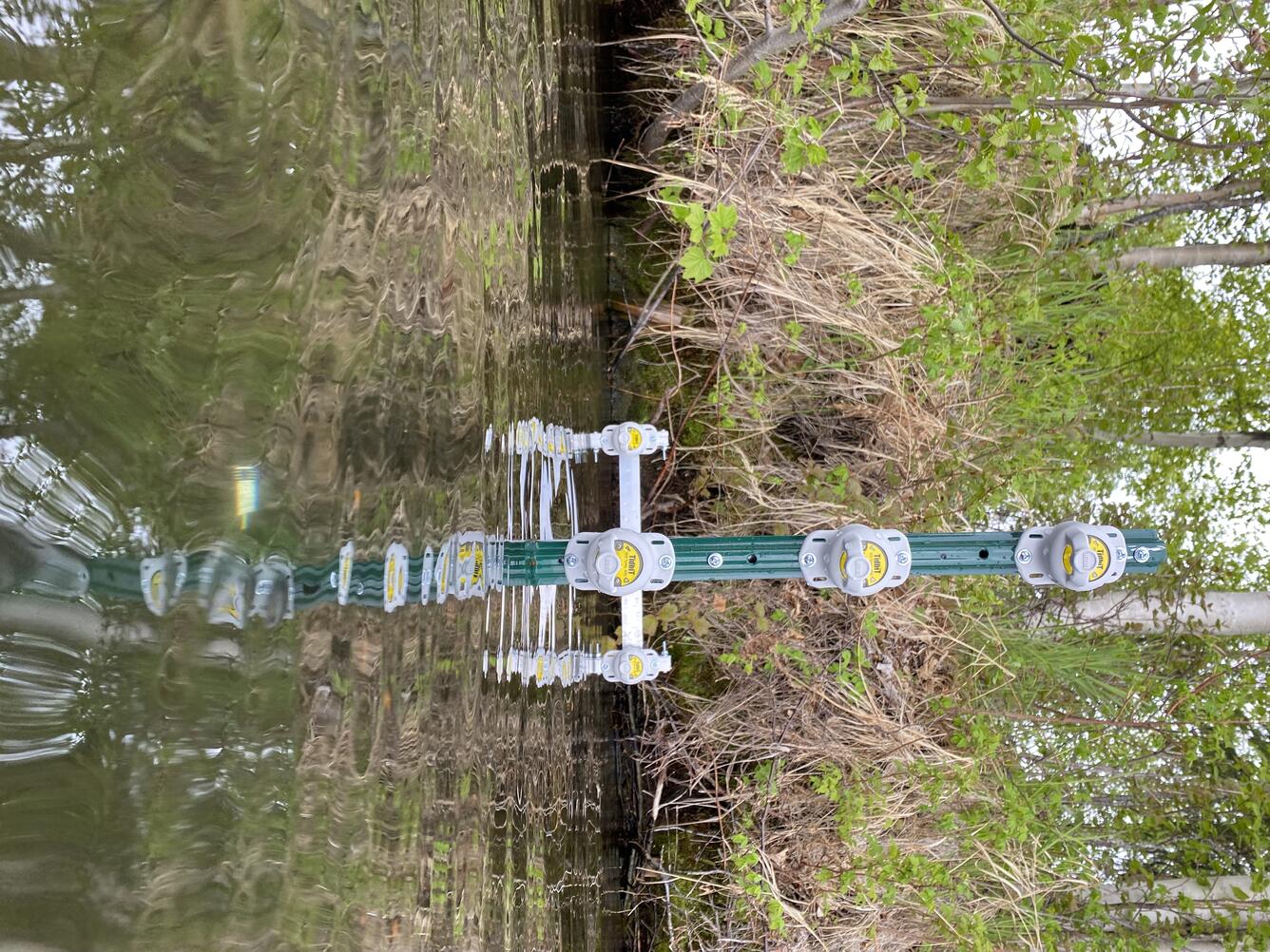
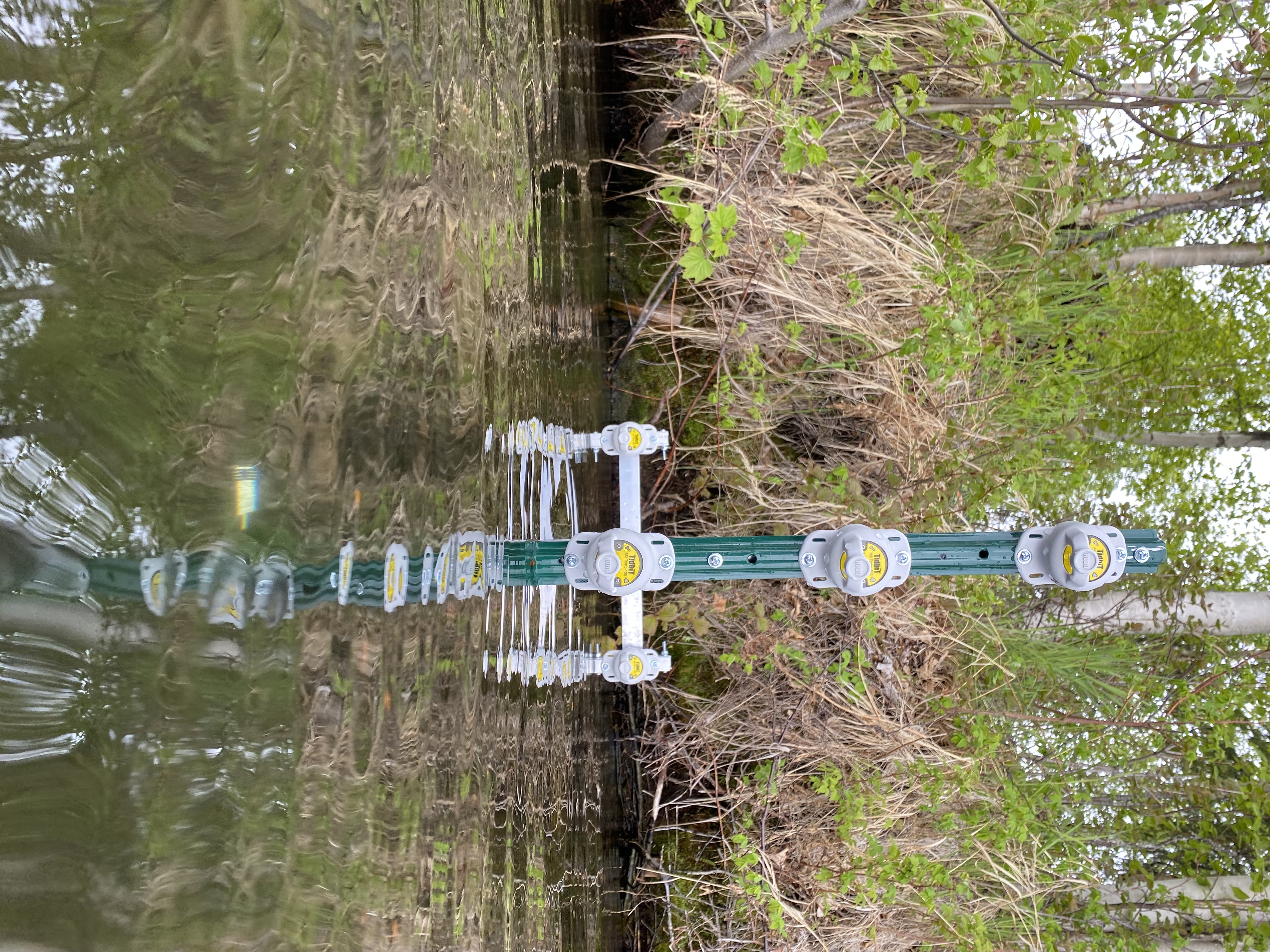
USGS researchers deploy a wake detection array at Big Lake, Alaska


Detailed Description
USGS researchers at the Alaska Cooperative Fish and Wildlife Research Unit are working with the Alaska Department of Fish and Game, the U.S. Fish and Wildlife Service and private landowners to implement a successful cost-share program for restoring and stabilizing eroding shorelines. Shoreline erosion takes away agricultural land, commercial property, and home yards, and is of high concern to these landowners. This cost-share incentivizes landowners to put in stabilizing landscaping that helps provide salmon habitat, such as tree roots, instead of large rocks. But participants in the cost-share were worried about an increase in boat wakes near their property on Big Lake, Alaska, due to a rise in popularity of watersports on the lake. At the Alaska Cooperative Fish and Wildlife Research Unit, we recruited a Master's student in Fisheries at the University of Alaska Fairbanks to demonstrate the extent of erosion, the impact of boat wakes, and the influence of any erosion on salmon spawning habitat. Our results show that erosion is currently minimal at cost-share sites on the lake, and that boat wakes are less dramatic than many landowners had worried. We also used new technologies--drones--to identify Sockeye Salmon spawning in the lake. These results may assist the state and federal agencies with working with future landowners through the cost-share program, with management of boat wake regulations on lakes throughout Alaska, and with conserving the Sockeye Salmon fishery around Wasilla, Alaska.
Sources/Usage
Public Domain.
Alaska Cooperative Fish and Wildlife Research Unit