



In this image, Cathedral Spires can be seen shrouded in fog from Tunnel View in Yosemite National Park. From left to right, the peaks are known as Lower Cathedral Rock, Middle Cathedral Rock, and Higher Cathedral Rock. They are composed of granite and are part of the Sierra Nevada batholith. Like the rest of Yosemite Valley, they were carved by glaciers.
Alex Demas (Former Employee)
Science and Products
Filter Total Items: 845
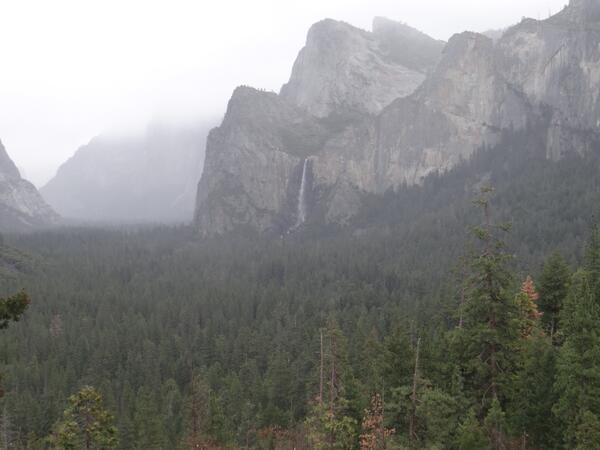
Cathedral Spires in Fog
In this image, Cathedral Spires can be seen shrouded in fog from Tunnel View in Yosemite National Park. From left to right, the peaks are known as Lower Cathedral Rock, Middle Cathedral Rock, and Higher Cathedral Rock. They are composed of granite and are part of the Sierra Nevada batholith. Like the rest of Yosemite Valley, they were carved by glaciers.
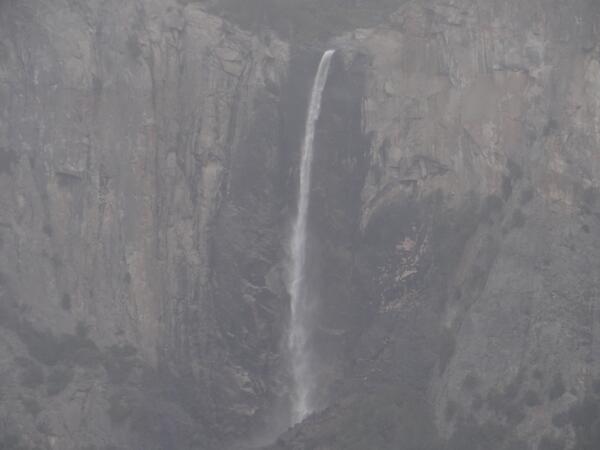
Detail of Bridalveil Fall from Tunnel View
In this image, Bridalveil Fall can be seen in detail from Tunnel View in Yosemite National Park. The waterfall is 617 ft (188 m) in height and is one of the most well-known of Yosemite National Park's waterfalls.
In this image, Bridalveil Fall can be seen in detail from Tunnel View in Yosemite National Park. The waterfall is 617 ft (188 m) in height and is one of the most well-known of Yosemite National Park's waterfalls.
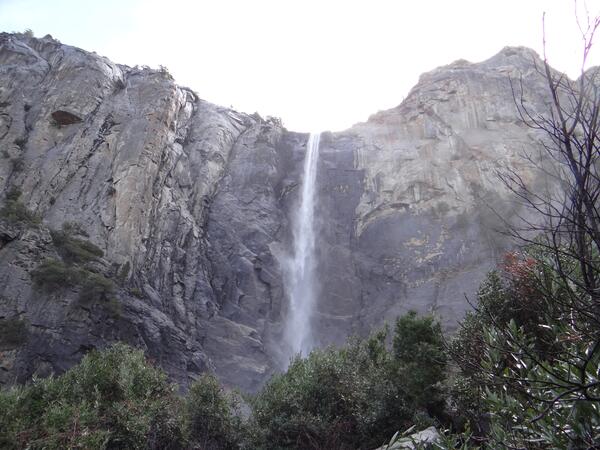
Base of Bridalveil Fall
In this image, Bridalveil Fall can be seen from its base in Yosemite National Park. The waterfall is 617 ft (188 m) in height and is one of the most well-known of Yosemite National Park's waterfalls.
In this image, Bridalveil Fall can be seen from its base in Yosemite National Park. The waterfall is 617 ft (188 m) in height and is one of the most well-known of Yosemite National Park's waterfalls.
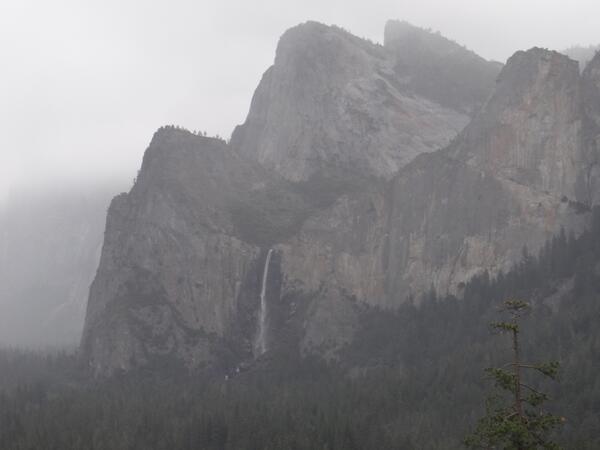
Bridalveil Fall in Fog
In this image, Bridalveil Fall can be seen shrouded in fog from Tunnel View in Yosemite National Park. The waterfall is 617 ft (188 m) in height and is one of the most well-known of Yosemite National Park's waterfalls.
In this image, Bridalveil Fall can be seen shrouded in fog from Tunnel View in Yosemite National Park. The waterfall is 617 ft (188 m) in height and is one of the most well-known of Yosemite National Park's waterfalls.
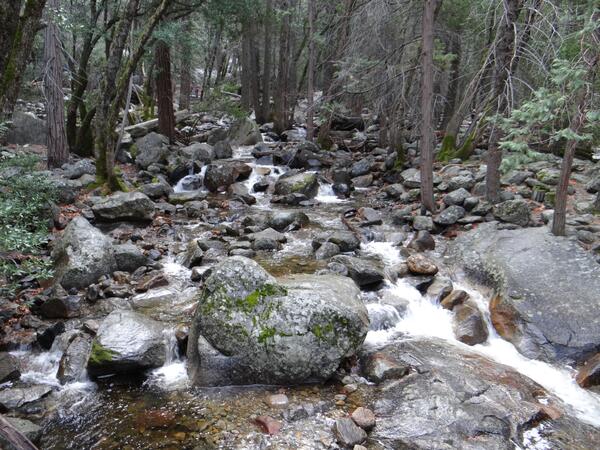
Bridalveil Creek
In this image, Bridalveil Creek is seen flowing just beneath the base of Bridalveil Fall. The waterfall is 617 ft (188 m) in height and is one of the most well-known of Yosemite National Park's waterfalls.
In this image, Bridalveil Creek is seen flowing just beneath the base of Bridalveil Fall. The waterfall is 617 ft (188 m) in height and is one of the most well-known of Yosemite National Park's waterfalls.

Yosemite Falls-All Three Sections
In this image, all three sections of Yosemite Falls can be seen. Yosemite Falls is the highest measured waterfall in North America at 2,425 ft (739 m) in height. Yosemite Falls is one of the most famous waterfalls within Yosemite National Park.
In this image, all three sections of Yosemite Falls can be seen. Yosemite Falls is the highest measured waterfall in North America at 2,425 ft (739 m) in height. Yosemite Falls is one of the most famous waterfalls within Yosemite National Park.
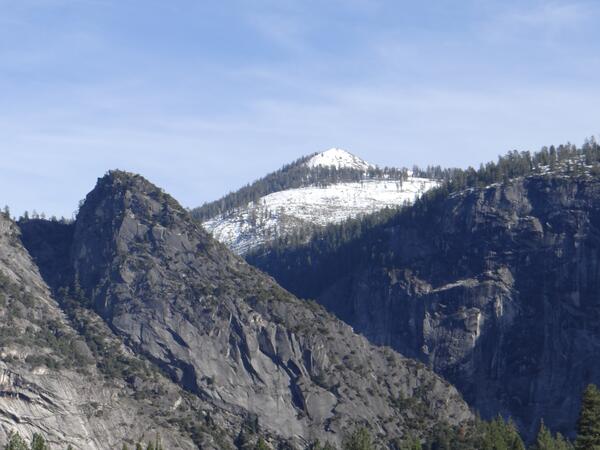
Grizzly Peak
In this image, Grizzly Peak may be seen in detail from Yosemite Valley Floor within Yosemite National Park.
In this image, Grizzly Peak may be seen in detail from Yosemite Valley Floor within Yosemite National Park.
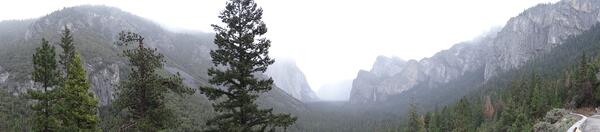
Yosemite Valley in Fog Panorama
In this image, Yosemite Valley may be seen shrouded in fog from Tunnel View. Yosemite Valley is a glacially carved valley located within Yosemite National Park. It is part of the Sierra Nevada batholith and is largely composed of granite.
In this image, Yosemite Valley may be seen shrouded in fog from Tunnel View. Yosemite Valley is a glacially carved valley located within Yosemite National Park. It is part of the Sierra Nevada batholith and is largely composed of granite.
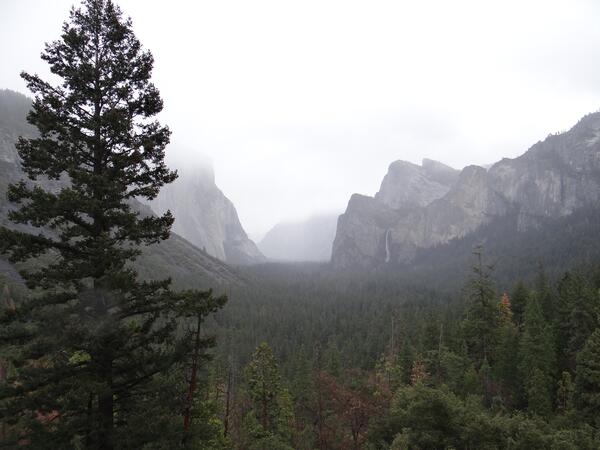
Yosemite Valley in Fog
In this image, Yosemite Valley may be seen shrouded in fog from Tunnel View. Yosemite Valley is a glacially carved valley located within Yosemite National Park. It is part of the Sierra Nevada batholith and is largely composed of granite.
In this image, Yosemite Valley may be seen shrouded in fog from Tunnel View. Yosemite Valley is a glacially carved valley located within Yosemite National Park. It is part of the Sierra Nevada batholith and is largely composed of granite.
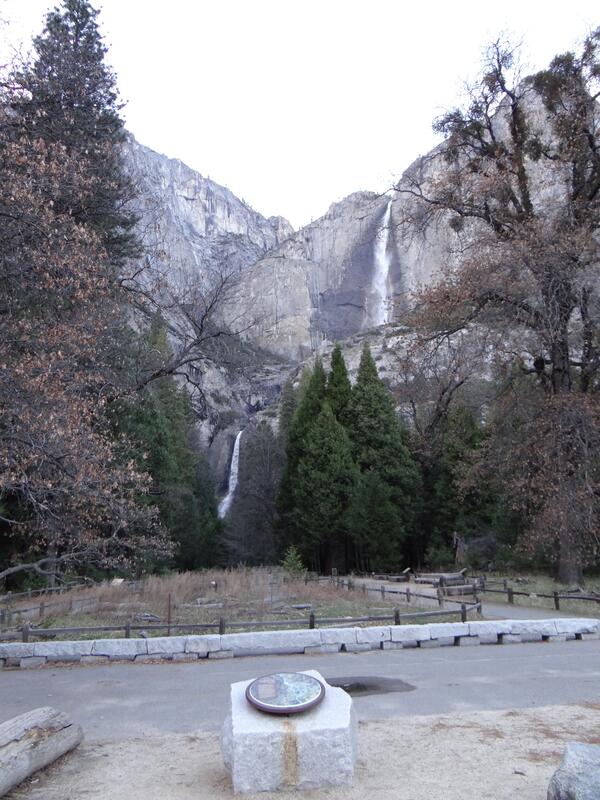
Base of Yosemite Falls
In this image, Yosemite Falls may be seen from its base. Yosemite Falls is the tallest waterfall in North America. It is about 2,425 ft (739 m) high. Yosemite Falls is one of the most famous waterfalls within Yosemite National Park.
In this image, Yosemite Falls may be seen from its base. Yosemite Falls is the tallest waterfall in North America. It is about 2,425 ft (739 m) high. Yosemite Falls is one of the most famous waterfalls within Yosemite National Park.
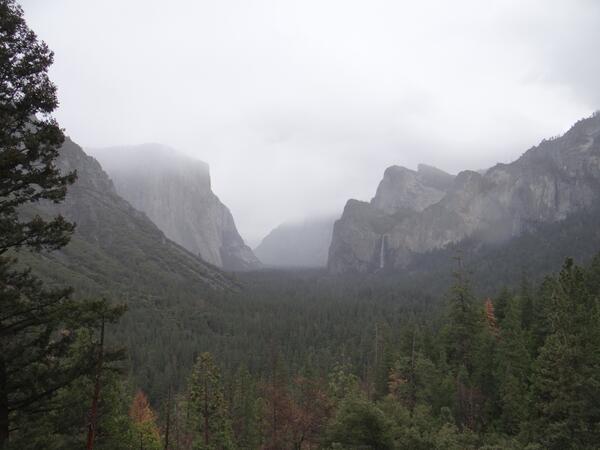
Yosemite Valley in Fog
In this image, Yosemite Valley may be seen shrouded in fog from Tunnel View. Yosemite Valley is a glacially carved valley located within Yosemite National Park. It is part of the Sierra Nevada batholith and is largely composed of granite.
In this image, Yosemite Valley may be seen shrouded in fog from Tunnel View. Yosemite Valley is a glacially carved valley located within Yosemite National Park. It is part of the Sierra Nevada batholith and is largely composed of granite.
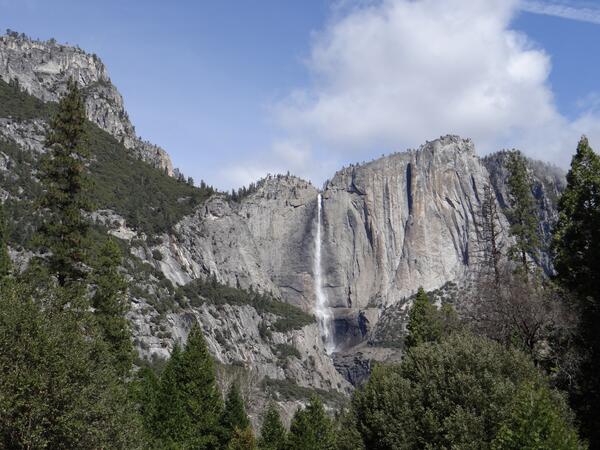
Upper Yosemite Falls
In this image, Upper Yosemite Falls may be seen. Upper Yosemite Falls is the highest of the three sectiosn of Yosemite Falls. It is about 1,430 ft (440 m) high. Yosemite Falls is one of the most famous waterfalls within Yosemite National Park.
In this image, Upper Yosemite Falls may be seen. Upper Yosemite Falls is the highest of the three sectiosn of Yosemite Falls. It is about 1,430 ft (440 m) high. Yosemite Falls is one of the most famous waterfalls within Yosemite National Park.
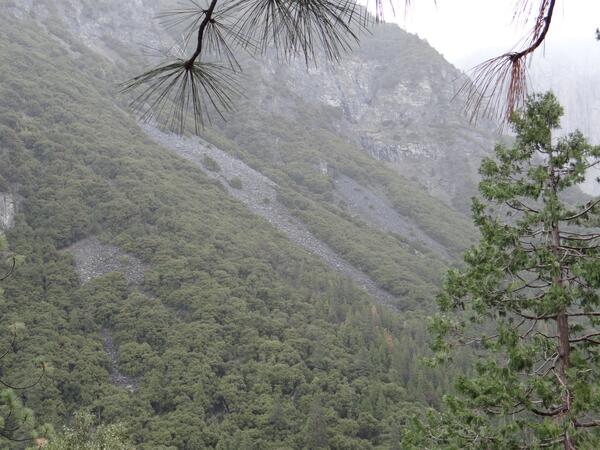
Talus Flows in Yosemite Valley
Through breaks in the trees, talus deposits may be seen along the valley walls of Yosemite Valley. Talus deposits, also known as scree, are collections of broken rock fragments that have accumulated over time as rock weathers and breaks off from the cliffs above. This process can occur via various mechanisms, including ice, topographic stress, and plants.
Through breaks in the trees, talus deposits may be seen along the valley walls of Yosemite Valley. Talus deposits, also known as scree, are collections of broken rock fragments that have accumulated over time as rock weathers and breaks off from the cliffs above. This process can occur via various mechanisms, including ice, topographic stress, and plants.
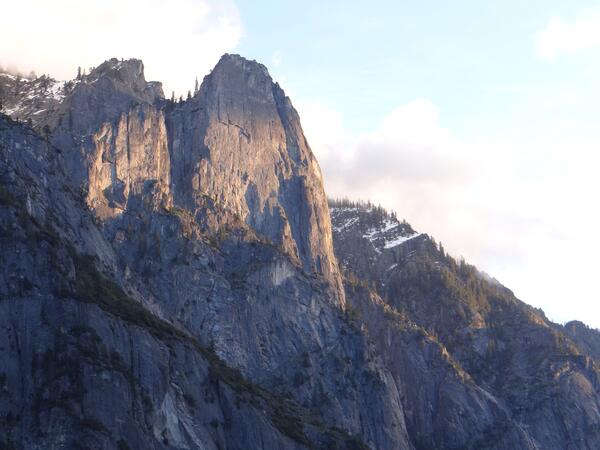
Sunset on Moran Point
In this image, sunset may be seen on Moran Point in Yosemite Valley within Yosemite National Park.
In this image, sunset may be seen on Moran Point in Yosemite Valley within Yosemite National Park.

Moon over Half Dome Panorama
In this image, the Moon may be seen in panorama rising over Half Dome. Half Dome is a granite dome, rising about 4,737 ft (1,444 m) above the surrounding valley. It is part of the Sierra Nevada batholith and is one of Yosemite National Park's most famous features.
In this image, the Moon may be seen in panorama rising over Half Dome. Half Dome is a granite dome, rising about 4,737 ft (1,444 m) above the surrounding valley. It is part of the Sierra Nevada batholith and is one of Yosemite National Park's most famous features.

Moon over Half Dome Detail
In this image, the Moon may be seen in detail rising over Half Dome. Half Dome is a granite dome, rising about 4,737 ft (1,444 m) above the surrounding valley. It is part of the Sierra Nevada batholith and is one of Yosemite National Park's most famous features.
In this image, the Moon may be seen in detail rising over Half Dome. Half Dome is a granite dome, rising about 4,737 ft (1,444 m) above the surrounding valley. It is part of the Sierra Nevada batholith and is one of Yosemite National Park's most famous features.

Moon over Half Dome
In this image, the Moon may be seen rising over Half Dome. Half Dome is a granite dome, rising about 4,737 ft (1,444 m) above the surrounding valley. It is part of the Sierra Nevada batholith and is one of Yosemite National Park's most famous features.
In this image, the Moon may be seen rising over Half Dome. Half Dome is a granite dome, rising about 4,737 ft (1,444 m) above the surrounding valley. It is part of the Sierra Nevada batholith and is one of Yosemite National Park's most famous features.
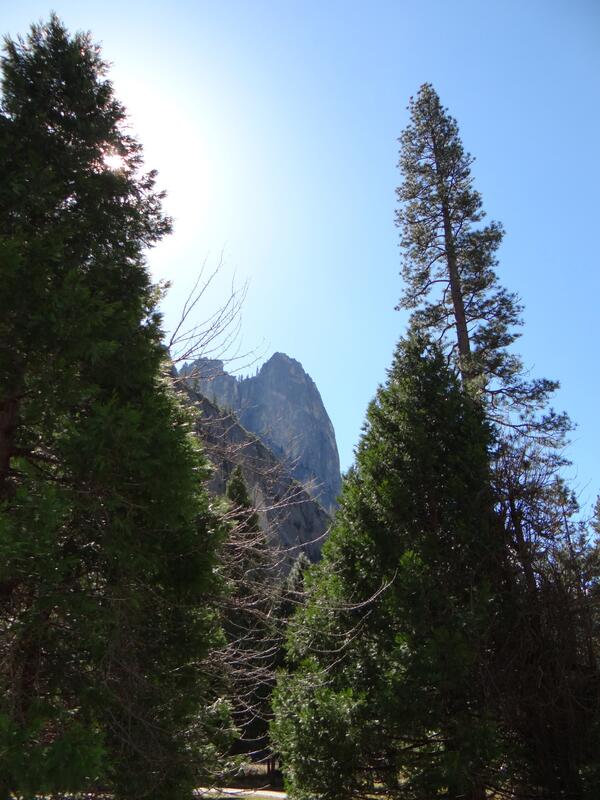
Leaning Tower in Yosemite Valley
In this image, the Leaning Tower formation may be seen from Yosemite Valley Floor within Yosemite National Park.
In this image, the Leaning Tower formation may be seen from Yosemite Valley Floor within Yosemite National Park.
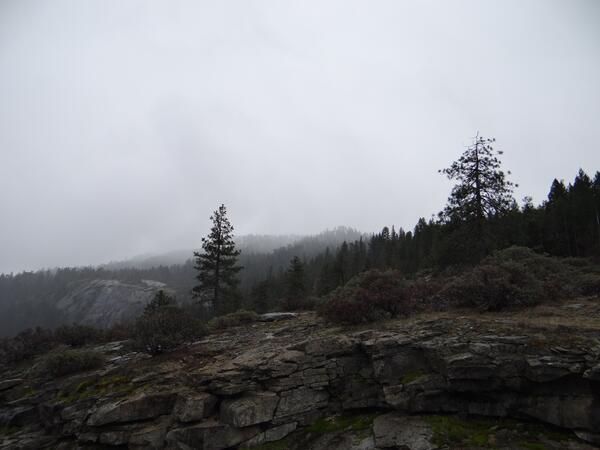
Yosemite National Park
In this image, Inspiration Point may be seen shrouded in fog. Inspiration Point lies just outside the entrance to Yosemite Valley within Yosemite National Park.
In this image, Inspiration Point may be seen shrouded in fog. Inspiration Point lies just outside the entrance to Yosemite Valley within Yosemite National Park.
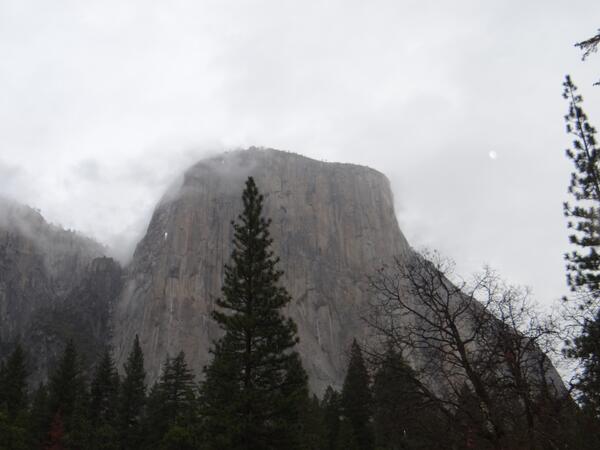
El Capitan
In this image, the south side of El Capitan may be seen as fog clears around it. El Capitan is a granite monolith that rises about 3,000 ft (900 m) from the valley floor and is one of Yosemite National Park's most famous landmarks.
In this image, the south side of El Capitan may be seen as fog clears around it. El Capitan is a granite monolith that rises about 3,000 ft (900 m) from the valley floor and is one of Yosemite National Park's most famous landmarks.

Mercury and Global Change
An interview with USGS scientist David Krabbenhoft about an article he co-authored in Science about global change's effects on mercury around the world.
An interview with USGS scientist David Krabbenhoft about an article he co-authored in Science about global change's effects on mercury around the world.
Science and Products
Filter Total Items: 845
Cathedral Spires in Fog
In this image, Cathedral Spires can be seen shrouded in fog from Tunnel View in Yosemite National Park. From left to right, the peaks are known as Lower Cathedral Rock, Middle Cathedral Rock, and Higher Cathedral Rock. They are composed of granite and are part of the Sierra Nevada batholith. Like the rest of Yosemite Valley, they were carved by glaciers.
In this image, Cathedral Spires can be seen shrouded in fog from Tunnel View in Yosemite National Park. From left to right, the peaks are known as Lower Cathedral Rock, Middle Cathedral Rock, and Higher Cathedral Rock. They are composed of granite and are part of the Sierra Nevada batholith. Like the rest of Yosemite Valley, they were carved by glaciers.
Detail of Bridalveil Fall from Tunnel View
In this image, Bridalveil Fall can be seen in detail from Tunnel View in Yosemite National Park. The waterfall is 617 ft (188 m) in height and is one of the most well-known of Yosemite National Park's waterfalls.
In this image, Bridalveil Fall can be seen in detail from Tunnel View in Yosemite National Park. The waterfall is 617 ft (188 m) in height and is one of the most well-known of Yosemite National Park's waterfalls.
Base of Bridalveil Fall
In this image, Bridalveil Fall can be seen from its base in Yosemite National Park. The waterfall is 617 ft (188 m) in height and is one of the most well-known of Yosemite National Park's waterfalls.
In this image, Bridalveil Fall can be seen from its base in Yosemite National Park. The waterfall is 617 ft (188 m) in height and is one of the most well-known of Yosemite National Park's waterfalls.
Bridalveil Fall in Fog
In this image, Bridalveil Fall can be seen shrouded in fog from Tunnel View in Yosemite National Park. The waterfall is 617 ft (188 m) in height and is one of the most well-known of Yosemite National Park's waterfalls.
In this image, Bridalveil Fall can be seen shrouded in fog from Tunnel View in Yosemite National Park. The waterfall is 617 ft (188 m) in height and is one of the most well-known of Yosemite National Park's waterfalls.
Bridalveil Creek
In this image, Bridalveil Creek is seen flowing just beneath the base of Bridalveil Fall. The waterfall is 617 ft (188 m) in height and is one of the most well-known of Yosemite National Park's waterfalls.
In this image, Bridalveil Creek is seen flowing just beneath the base of Bridalveil Fall. The waterfall is 617 ft (188 m) in height and is one of the most well-known of Yosemite National Park's waterfalls.
Yosemite Falls-All Three Sections
In this image, all three sections of Yosemite Falls can be seen. Yosemite Falls is the highest measured waterfall in North America at 2,425 ft (739 m) in height. Yosemite Falls is one of the most famous waterfalls within Yosemite National Park.
In this image, all three sections of Yosemite Falls can be seen. Yosemite Falls is the highest measured waterfall in North America at 2,425 ft (739 m) in height. Yosemite Falls is one of the most famous waterfalls within Yosemite National Park.
Grizzly Peak
In this image, Grizzly Peak may be seen in detail from Yosemite Valley Floor within Yosemite National Park.
In this image, Grizzly Peak may be seen in detail from Yosemite Valley Floor within Yosemite National Park.
Yosemite Valley in Fog Panorama
In this image, Yosemite Valley may be seen shrouded in fog from Tunnel View. Yosemite Valley is a glacially carved valley located within Yosemite National Park. It is part of the Sierra Nevada batholith and is largely composed of granite.
In this image, Yosemite Valley may be seen shrouded in fog from Tunnel View. Yosemite Valley is a glacially carved valley located within Yosemite National Park. It is part of the Sierra Nevada batholith and is largely composed of granite.
Yosemite Valley in Fog
In this image, Yosemite Valley may be seen shrouded in fog from Tunnel View. Yosemite Valley is a glacially carved valley located within Yosemite National Park. It is part of the Sierra Nevada batholith and is largely composed of granite.
In this image, Yosemite Valley may be seen shrouded in fog from Tunnel View. Yosemite Valley is a glacially carved valley located within Yosemite National Park. It is part of the Sierra Nevada batholith and is largely composed of granite.
Base of Yosemite Falls
In this image, Yosemite Falls may be seen from its base. Yosemite Falls is the tallest waterfall in North America. It is about 2,425 ft (739 m) high. Yosemite Falls is one of the most famous waterfalls within Yosemite National Park.
In this image, Yosemite Falls may be seen from its base. Yosemite Falls is the tallest waterfall in North America. It is about 2,425 ft (739 m) high. Yosemite Falls is one of the most famous waterfalls within Yosemite National Park.
Yosemite Valley in Fog
In this image, Yosemite Valley may be seen shrouded in fog from Tunnel View. Yosemite Valley is a glacially carved valley located within Yosemite National Park. It is part of the Sierra Nevada batholith and is largely composed of granite.
In this image, Yosemite Valley may be seen shrouded in fog from Tunnel View. Yosemite Valley is a glacially carved valley located within Yosemite National Park. It is part of the Sierra Nevada batholith and is largely composed of granite.
Upper Yosemite Falls
In this image, Upper Yosemite Falls may be seen. Upper Yosemite Falls is the highest of the three sectiosn of Yosemite Falls. It is about 1,430 ft (440 m) high. Yosemite Falls is one of the most famous waterfalls within Yosemite National Park.
In this image, Upper Yosemite Falls may be seen. Upper Yosemite Falls is the highest of the three sectiosn of Yosemite Falls. It is about 1,430 ft (440 m) high. Yosemite Falls is one of the most famous waterfalls within Yosemite National Park.
Talus Flows in Yosemite Valley
Through breaks in the trees, talus deposits may be seen along the valley walls of Yosemite Valley. Talus deposits, also known as scree, are collections of broken rock fragments that have accumulated over time as rock weathers and breaks off from the cliffs above. This process can occur via various mechanisms, including ice, topographic stress, and plants.
Through breaks in the trees, talus deposits may be seen along the valley walls of Yosemite Valley. Talus deposits, also known as scree, are collections of broken rock fragments that have accumulated over time as rock weathers and breaks off from the cliffs above. This process can occur via various mechanisms, including ice, topographic stress, and plants.
Sunset on Moran Point
In this image, sunset may be seen on Moran Point in Yosemite Valley within Yosemite National Park.
In this image, sunset may be seen on Moran Point in Yosemite Valley within Yosemite National Park.
Moon over Half Dome Panorama
In this image, the Moon may be seen in panorama rising over Half Dome. Half Dome is a granite dome, rising about 4,737 ft (1,444 m) above the surrounding valley. It is part of the Sierra Nevada batholith and is one of Yosemite National Park's most famous features.
In this image, the Moon may be seen in panorama rising over Half Dome. Half Dome is a granite dome, rising about 4,737 ft (1,444 m) above the surrounding valley. It is part of the Sierra Nevada batholith and is one of Yosemite National Park's most famous features.
Moon over Half Dome Detail
In this image, the Moon may be seen in detail rising over Half Dome. Half Dome is a granite dome, rising about 4,737 ft (1,444 m) above the surrounding valley. It is part of the Sierra Nevada batholith and is one of Yosemite National Park's most famous features.
In this image, the Moon may be seen in detail rising over Half Dome. Half Dome is a granite dome, rising about 4,737 ft (1,444 m) above the surrounding valley. It is part of the Sierra Nevada batholith and is one of Yosemite National Park's most famous features.
Moon over Half Dome
In this image, the Moon may be seen rising over Half Dome. Half Dome is a granite dome, rising about 4,737 ft (1,444 m) above the surrounding valley. It is part of the Sierra Nevada batholith and is one of Yosemite National Park's most famous features.
In this image, the Moon may be seen rising over Half Dome. Half Dome is a granite dome, rising about 4,737 ft (1,444 m) above the surrounding valley. It is part of the Sierra Nevada batholith and is one of Yosemite National Park's most famous features.
Leaning Tower in Yosemite Valley
In this image, the Leaning Tower formation may be seen from Yosemite Valley Floor within Yosemite National Park.
In this image, the Leaning Tower formation may be seen from Yosemite Valley Floor within Yosemite National Park.
Yosemite National Park
In this image, Inspiration Point may be seen shrouded in fog. Inspiration Point lies just outside the entrance to Yosemite Valley within Yosemite National Park.
In this image, Inspiration Point may be seen shrouded in fog. Inspiration Point lies just outside the entrance to Yosemite Valley within Yosemite National Park.
El Capitan
In this image, the south side of El Capitan may be seen as fog clears around it. El Capitan is a granite monolith that rises about 3,000 ft (900 m) from the valley floor and is one of Yosemite National Park's most famous landmarks.
In this image, the south side of El Capitan may be seen as fog clears around it. El Capitan is a granite monolith that rises about 3,000 ft (900 m) from the valley floor and is one of Yosemite National Park's most famous landmarks.
Mercury and Global Change
An interview with USGS scientist David Krabbenhoft about an article he co-authored in Science about global change's effects on mercury around the world.
An interview with USGS scientist David Krabbenhoft about an article he co-authored in Science about global change's effects on mercury around the world.