



Hiking trails on Theodore Roosevelt Island, in Washington, DC.
Alex Demas (Former Employee)
Science and Products
Filter Total Items: 845
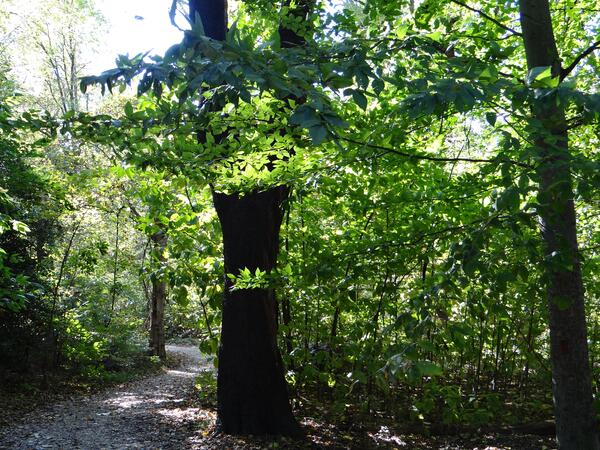
Hiking Trails on Theodore Roosevelt Island
Hiking trails on Theodore Roosevelt Island, in Washington, DC.
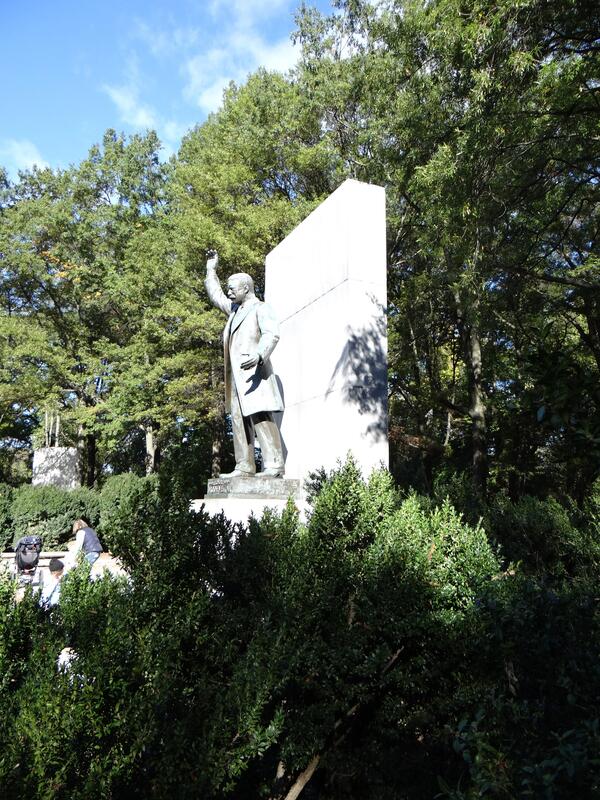
Theodore Roosevelt Statue
A statue of Theodore Roosevelt on Theodore Roosevelt Island.
A statue of Theodore Roosevelt on Theodore Roosevelt Island.
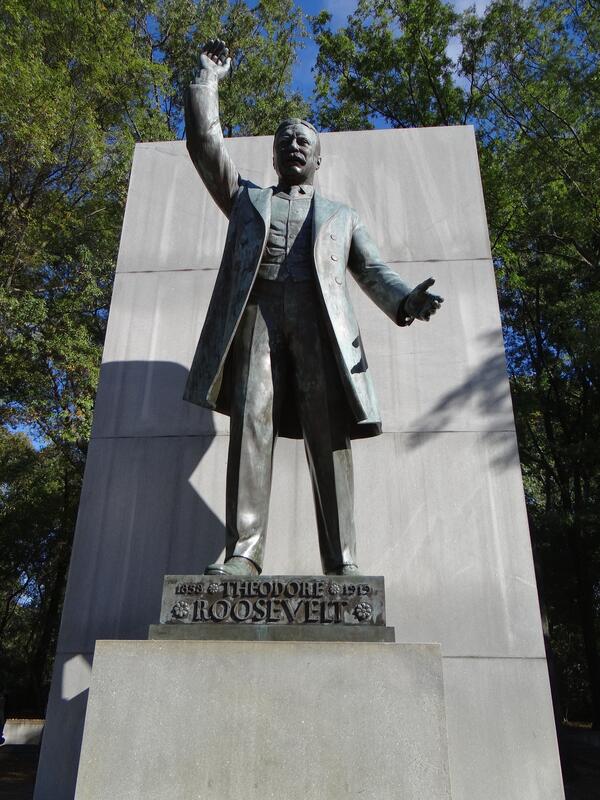
Theodore Roosevelt Statue
A statue of Theodore Roosevelt on Theodore Roosevelt Island.
A statue of Theodore Roosevelt on Theodore Roosevelt Island.
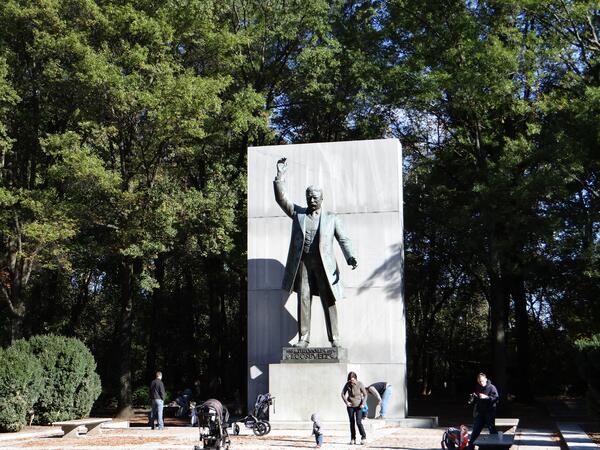
Theodore Roosevelt Statue
A statue of Theodore Roosevelt on Theodore Roosevelt Island.
A statue of Theodore Roosevelt on Theodore Roosevelt Island.
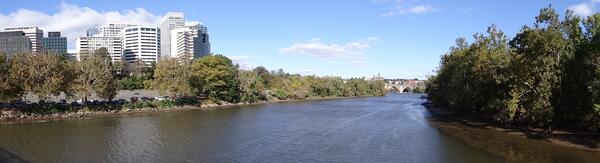
Panorama of the Potomac River
A panorama of the Potomac River at Rosslyn, Virginia. On the right can be seen the Theodore Roosevelt Island of Washington, DC. On the left are the office buildings in Rosslyn.
A panorama of the Potomac River at Rosslyn, Virginia. On the right can be seen the Theodore Roosevelt Island of Washington, DC. On the left are the office buildings in Rosslyn.
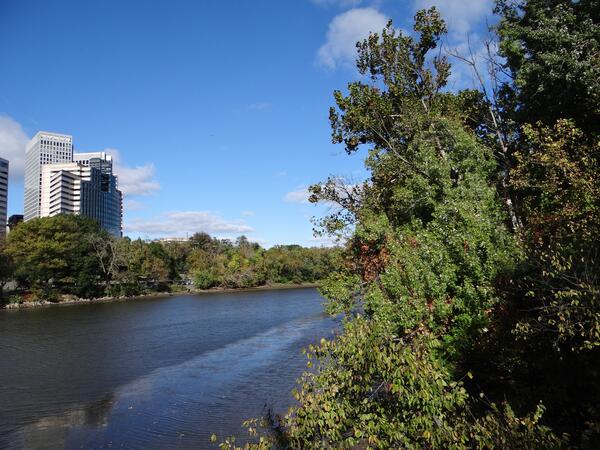
Rosslyn and the Potomac
A view of Rosslyn, VA, and the Potomac River from Theodore Roosevelt Island in Washington, DC.
A view of Rosslyn, VA, and the Potomac River from Theodore Roosevelt Island in Washington, DC.
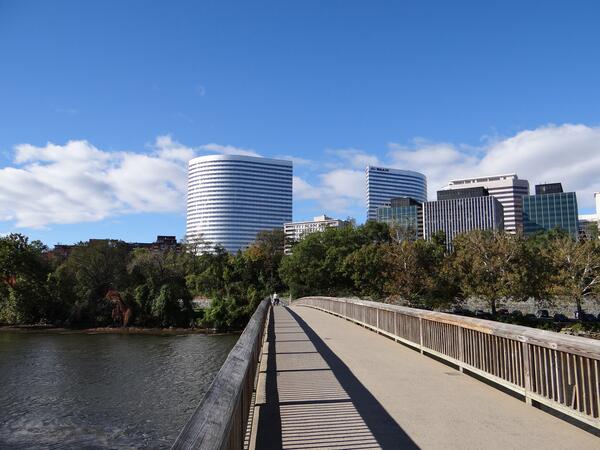
Rosslyn from Theodore Roosevelt Island
A view of Rosslyn, VA, from the footbridge that connects Theodore Roosevelt Island to the Commonwealth of Virginia.
A view of Rosslyn, VA, from the footbridge that connects Theodore Roosevelt Island to the Commonwealth of Virginia.
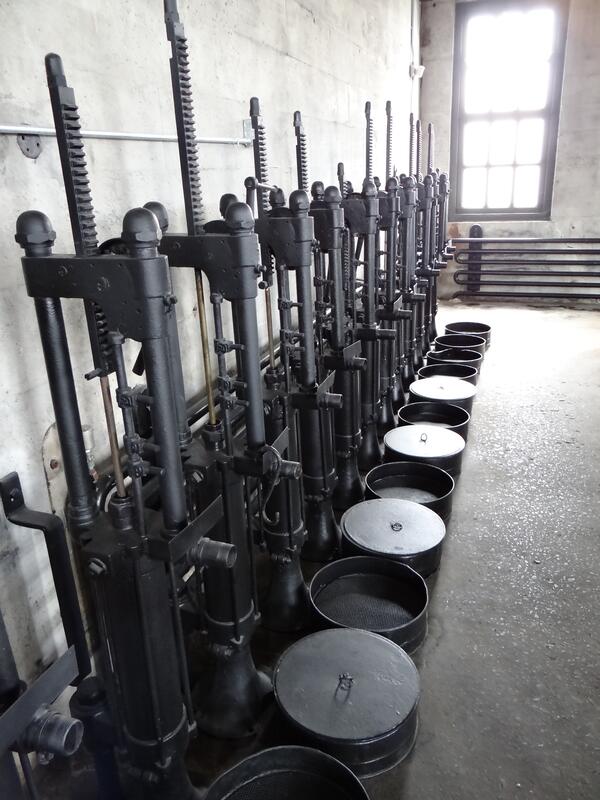
Petroleum Access Wells
Petroleum was refined onsite to differing levels depending on what its purpose was. Differing petroleums were stored in wells like these for ease of access.
Petroleum was refined onsite to differing levels depending on what its purpose was. Differing petroleums were stored in wells like these for ease of access.

Petroleum Access Wells
Petroleum was refined onsite to differing levels depending on what its purpose was. Differing petroleums were stored in wells like these for ease of access.
Petroleum was refined onsite to differing levels depending on what its purpose was. Differing petroleums were stored in wells like these for ease of access.
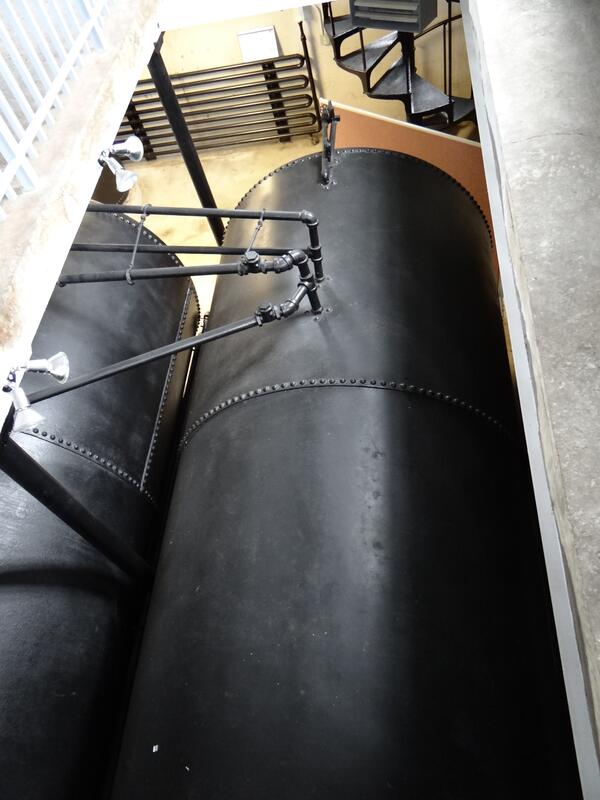
Petroleum Tank
Petroleum first saw widespread use in the transporation industry as a lubricant. It was refined into various products depending on which part of the engine they were meant to lubricate. Once transported by tanker car, it was stored in large tanks such as this one.
Petroleum first saw widespread use in the transporation industry as a lubricant. It was refined into various products depending on which part of the engine they were meant to lubricate. Once transported by tanker car, it was stored in large tanks such as this one.
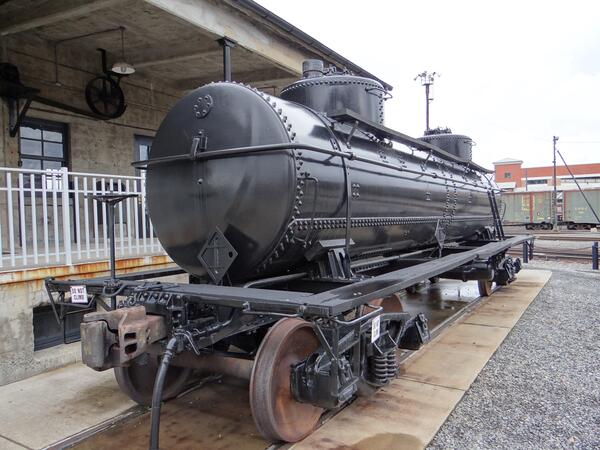
Petroleum Car
Petroleum first saw widespread use in the transporation industry as a lubricant. It was refined into various products depending on which part of the engine they were meant to lubricate. It was transported in tanker cars like this one.
Petroleum first saw widespread use in the transporation industry as a lubricant. It was refined into various products depending on which part of the engine they were meant to lubricate. It was transported in tanker cars like this one.
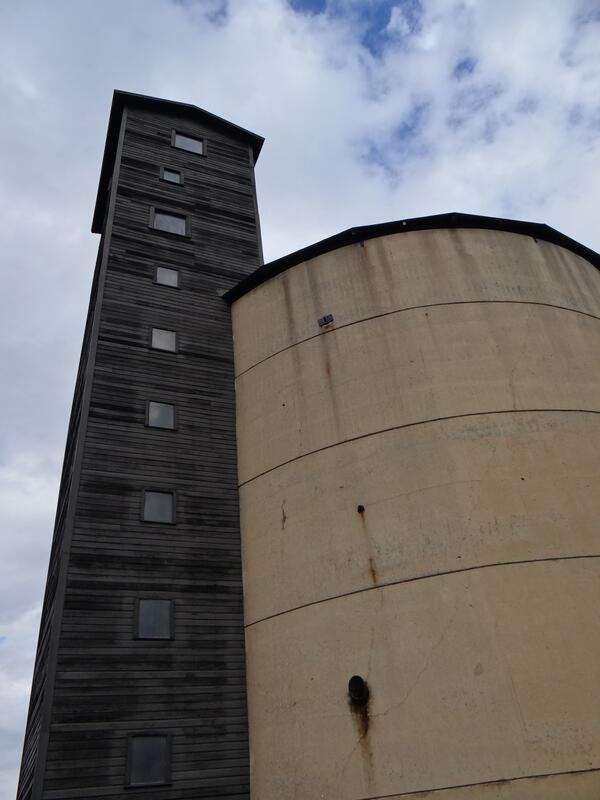
Sand Storage
A sand storage silo at Steamtown National Historic Site. Sand was stored in a dome on top of the engine and, as the train traveled the tracks, the sand would be sprinkled down pipes to land on the tracks in front of the wheels. This would aid the wheels in gripping the tracks, especially when the rails were wet.
A sand storage silo at Steamtown National Historic Site. Sand was stored in a dome on top of the engine and, as the train traveled the tracks, the sand would be sprinkled down pipes to land on the tracks in front of the wheels. This would aid the wheels in gripping the tracks, especially when the rails were wet.
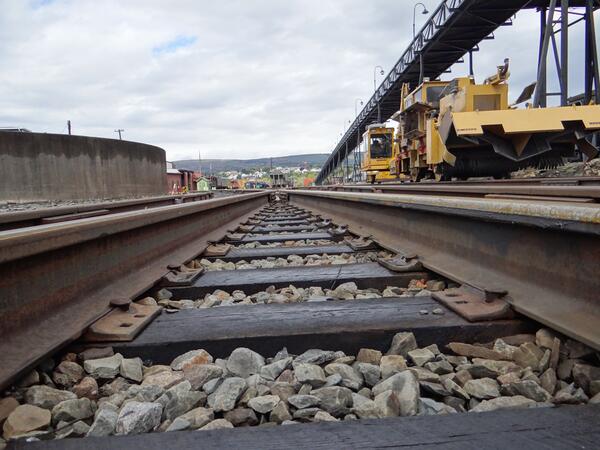
Railroad Tracks
Railroad tracks at Steamtown National Historic Site. Originally, rails were made of iron, but as steel production became more efficient, steel replaced it and is still used today.
Railroad tracks at Steamtown National Historic Site. Originally, rails were made of iron, but as steel production became more efficient, steel replaced it and is still used today.
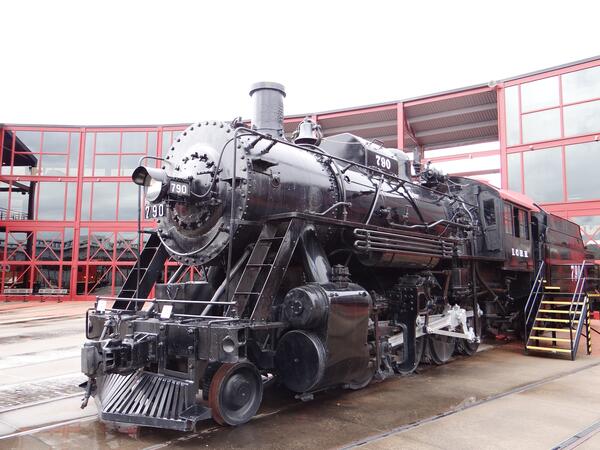
Steam Engine at Steamtown
A steam engine at the Steamtown National Historic Site. Steam engines demonstrated one of the first comprehensive intersections of energy, mineral, and water resources. Steam engines required coal for fuel to boil water to make steam, as well as iron and steel for the casings and sand for traction on the rails.
A steam engine at the Steamtown National Historic Site. Steam engines demonstrated one of the first comprehensive intersections of energy, mineral, and water resources. Steam engines required coal for fuel to boil water to make steam, as well as iron and steel for the casings and sand for traction on the rails.

Railroad Tracks
Railroad tracks at Steamtown National Historic Site. Originally, rails were made of iron, but as steel production became more efficient, steel replaced it and is still used today.
Railroad tracks at Steamtown National Historic Site. Originally, rails were made of iron, but as steel production became more efficient, steel replaced it and is still used today.
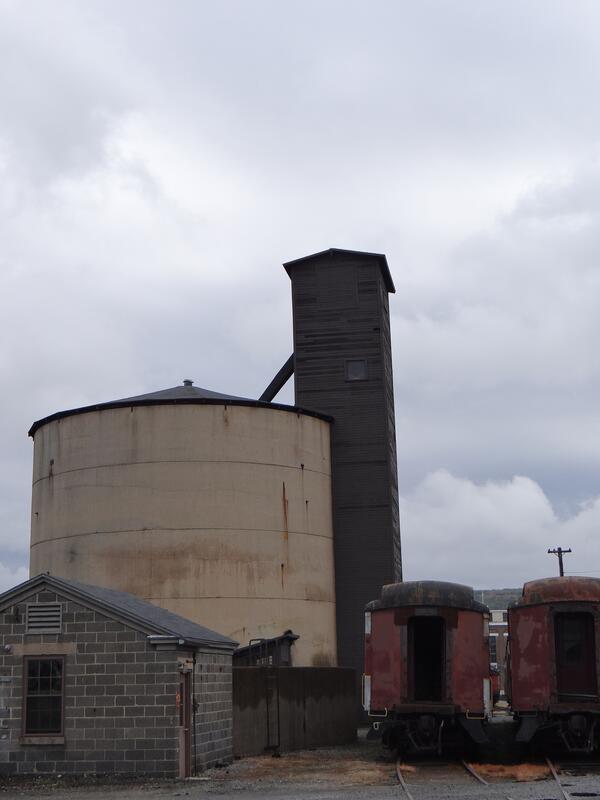
Sand Storage
A sand storage silo at Steamtown National Historic Site. Sand was stored in a dome on top of the engine and, as the train traveled the tracks, the sand would be sprinkled down pipes to land on the tracks in front of the wheels. This would aid the wheels in gripping the tracks, especially when the rails were wet.
A sand storage silo at Steamtown National Historic Site. Sand was stored in a dome on top of the engine and, as the train traveled the tracks, the sand would be sprinkled down pipes to land on the tracks in front of the wheels. This would aid the wheels in gripping the tracks, especially when the rails were wet.
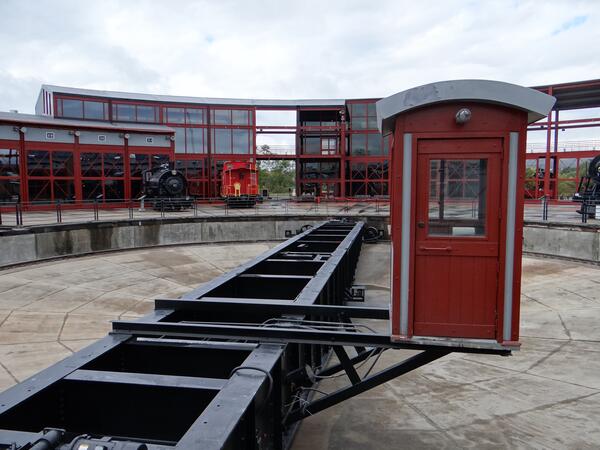
Locomotive Turntable
A locomotive turntable. These were used to move trains from track to track.
A locomotive turntable. These were used to move trains from track to track.
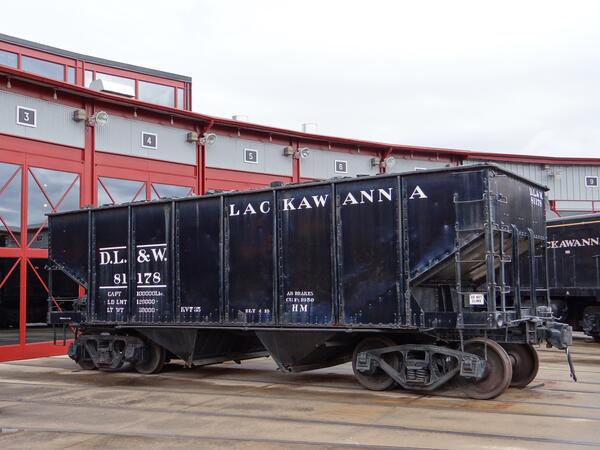
Coal Car
Coal was essential to the operation of the larger steam engines. Coal burns at extremely hot temperatures and burns for a long time, making it an ideal fuel for converting water into steam.
Coal was essential to the operation of the larger steam engines. Coal burns at extremely hot temperatures and burns for a long time, making it an ideal fuel for converting water into steam.
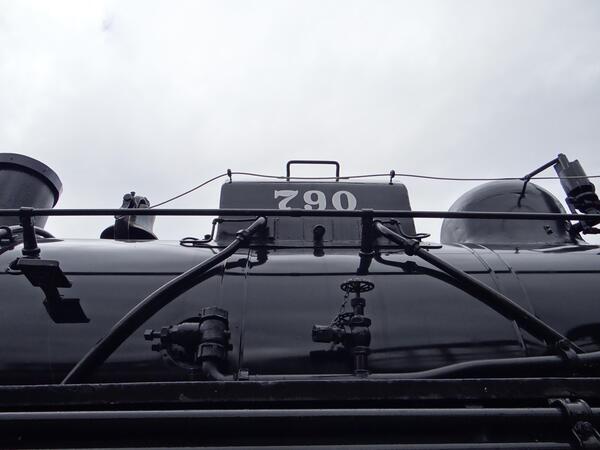
Sand Dome on a Steam Engine
Steam engines used high-grade silica sand for traction on the rails. Sand was stored in a dome on top of the engine and, as the train traveled the tracks, the sand would be sprinkled down pipes to land on the tracks in front of the wheels. This would aid the wheels in gripping the tracks, especially when the rails were wet.
Steam engines used high-grade silica sand for traction on the rails. Sand was stored in a dome on top of the engine and, as the train traveled the tracks, the sand would be sprinkled down pipes to land on the tracks in front of the wheels. This would aid the wheels in gripping the tracks, especially when the rails were wet.
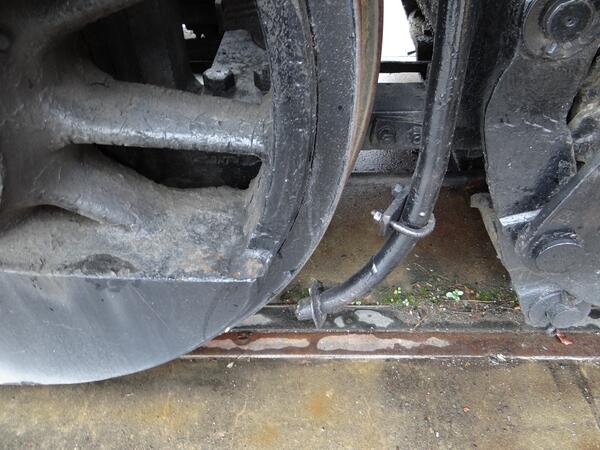
Sand for Traction
Steam engines used high-grade silica sand for traction on the rails. Sand was stored in a dome on top of the engine and, as the train traveled the tracks, the sand would be sprinkled down pipes to land on the tracks in front of the wheels. This would aid the wheels in gripping the tracks, especially when the rails were wet.
Steam engines used high-grade silica sand for traction on the rails. Sand was stored in a dome on top of the engine and, as the train traveled the tracks, the sand would be sprinkled down pipes to land on the tracks in front of the wheels. This would aid the wheels in gripping the tracks, especially when the rails were wet.

Meadow on Lower Culp's Hill
A meadow on Lower Culp's Hill, one of the battle sites at Gettysburg Battlefield.
A meadow on Lower Culp's Hill, one of the battle sites at Gettysburg Battlefield.
Science and Products
Filter Total Items: 845
Hiking Trails on Theodore Roosevelt Island
Hiking trails on Theodore Roosevelt Island, in Washington, DC.
Hiking trails on Theodore Roosevelt Island, in Washington, DC.
Theodore Roosevelt Statue
A statue of Theodore Roosevelt on Theodore Roosevelt Island.
A statue of Theodore Roosevelt on Theodore Roosevelt Island.
Theodore Roosevelt Statue
A statue of Theodore Roosevelt on Theodore Roosevelt Island.
A statue of Theodore Roosevelt on Theodore Roosevelt Island.
Theodore Roosevelt Statue
A statue of Theodore Roosevelt on Theodore Roosevelt Island.
A statue of Theodore Roosevelt on Theodore Roosevelt Island.
Panorama of the Potomac River
A panorama of the Potomac River at Rosslyn, Virginia. On the right can be seen the Theodore Roosevelt Island of Washington, DC. On the left are the office buildings in Rosslyn.
A panorama of the Potomac River at Rosslyn, Virginia. On the right can be seen the Theodore Roosevelt Island of Washington, DC. On the left are the office buildings in Rosslyn.
Rosslyn and the Potomac
A view of Rosslyn, VA, and the Potomac River from Theodore Roosevelt Island in Washington, DC.
A view of Rosslyn, VA, and the Potomac River from Theodore Roosevelt Island in Washington, DC.
Rosslyn from Theodore Roosevelt Island
A view of Rosslyn, VA, from the footbridge that connects Theodore Roosevelt Island to the Commonwealth of Virginia.
A view of Rosslyn, VA, from the footbridge that connects Theodore Roosevelt Island to the Commonwealth of Virginia.
Petroleum Access Wells
Petroleum was refined onsite to differing levels depending on what its purpose was. Differing petroleums were stored in wells like these for ease of access.
Petroleum was refined onsite to differing levels depending on what its purpose was. Differing petroleums were stored in wells like these for ease of access.
Petroleum Access Wells
Petroleum was refined onsite to differing levels depending on what its purpose was. Differing petroleums were stored in wells like these for ease of access.
Petroleum was refined onsite to differing levels depending on what its purpose was. Differing petroleums were stored in wells like these for ease of access.
Petroleum Tank
Petroleum first saw widespread use in the transporation industry as a lubricant. It was refined into various products depending on which part of the engine they were meant to lubricate. Once transported by tanker car, it was stored in large tanks such as this one.
Petroleum first saw widespread use in the transporation industry as a lubricant. It was refined into various products depending on which part of the engine they were meant to lubricate. Once transported by tanker car, it was stored in large tanks such as this one.
Petroleum Car
Petroleum first saw widespread use in the transporation industry as a lubricant. It was refined into various products depending on which part of the engine they were meant to lubricate. It was transported in tanker cars like this one.
Petroleum first saw widespread use in the transporation industry as a lubricant. It was refined into various products depending on which part of the engine they were meant to lubricate. It was transported in tanker cars like this one.
Sand Storage
A sand storage silo at Steamtown National Historic Site. Sand was stored in a dome on top of the engine and, as the train traveled the tracks, the sand would be sprinkled down pipes to land on the tracks in front of the wheels. This would aid the wheels in gripping the tracks, especially when the rails were wet.
A sand storage silo at Steamtown National Historic Site. Sand was stored in a dome on top of the engine and, as the train traveled the tracks, the sand would be sprinkled down pipes to land on the tracks in front of the wheels. This would aid the wheels in gripping the tracks, especially when the rails were wet.
Railroad Tracks
Railroad tracks at Steamtown National Historic Site. Originally, rails were made of iron, but as steel production became more efficient, steel replaced it and is still used today.
Railroad tracks at Steamtown National Historic Site. Originally, rails were made of iron, but as steel production became more efficient, steel replaced it and is still used today.
Steam Engine at Steamtown
A steam engine at the Steamtown National Historic Site. Steam engines demonstrated one of the first comprehensive intersections of energy, mineral, and water resources. Steam engines required coal for fuel to boil water to make steam, as well as iron and steel for the casings and sand for traction on the rails.
A steam engine at the Steamtown National Historic Site. Steam engines demonstrated one of the first comprehensive intersections of energy, mineral, and water resources. Steam engines required coal for fuel to boil water to make steam, as well as iron and steel for the casings and sand for traction on the rails.
Railroad Tracks
Railroad tracks at Steamtown National Historic Site. Originally, rails were made of iron, but as steel production became more efficient, steel replaced it and is still used today.
Railroad tracks at Steamtown National Historic Site. Originally, rails were made of iron, but as steel production became more efficient, steel replaced it and is still used today.
Sand Storage
A sand storage silo at Steamtown National Historic Site. Sand was stored in a dome on top of the engine and, as the train traveled the tracks, the sand would be sprinkled down pipes to land on the tracks in front of the wheels. This would aid the wheels in gripping the tracks, especially when the rails were wet.
A sand storage silo at Steamtown National Historic Site. Sand was stored in a dome on top of the engine and, as the train traveled the tracks, the sand would be sprinkled down pipes to land on the tracks in front of the wheels. This would aid the wheels in gripping the tracks, especially when the rails were wet.
Locomotive Turntable
A locomotive turntable. These were used to move trains from track to track.
A locomotive turntable. These were used to move trains from track to track.
Coal Car
Coal was essential to the operation of the larger steam engines. Coal burns at extremely hot temperatures and burns for a long time, making it an ideal fuel for converting water into steam.
Coal was essential to the operation of the larger steam engines. Coal burns at extremely hot temperatures and burns for a long time, making it an ideal fuel for converting water into steam.
Sand Dome on a Steam Engine
Steam engines used high-grade silica sand for traction on the rails. Sand was stored in a dome on top of the engine and, as the train traveled the tracks, the sand would be sprinkled down pipes to land on the tracks in front of the wheels. This would aid the wheels in gripping the tracks, especially when the rails were wet.
Steam engines used high-grade silica sand for traction on the rails. Sand was stored in a dome on top of the engine and, as the train traveled the tracks, the sand would be sprinkled down pipes to land on the tracks in front of the wheels. This would aid the wheels in gripping the tracks, especially when the rails were wet.
Sand for Traction
Steam engines used high-grade silica sand for traction on the rails. Sand was stored in a dome on top of the engine and, as the train traveled the tracks, the sand would be sprinkled down pipes to land on the tracks in front of the wheels. This would aid the wheels in gripping the tracks, especially when the rails were wet.
Steam engines used high-grade silica sand for traction on the rails. Sand was stored in a dome on top of the engine and, as the train traveled the tracks, the sand would be sprinkled down pipes to land on the tracks in front of the wheels. This would aid the wheels in gripping the tracks, especially when the rails were wet.
Meadow on Lower Culp's Hill
A meadow on Lower Culp's Hill, one of the battle sites at Gettysburg Battlefield.
A meadow on Lower Culp's Hill, one of the battle sites at Gettysburg Battlefield.