



USGS Eastern Ecological Science Center at the 2026 Society of Environmental Toxicology and Chemistry North America Meeting
USGS Eastern Ecological Science Center (EESC) scientists and collaborators are presenting findings from hazard and risk studies at the Society of Environmental Toxicology and Chemistry (SETAC) North America 47th Annual Meeting in Montreal, Quebec, Canada from November 2-5, 2026.
Introduction
SETAC is a not-for-profit, global professional association for environmental professionals with a primary objective to advance environmental science and management. Conference organizers expect that participants at the 2026 meeting will provide more than 1,000 presentations across 80 oral platform sessions and daily poster sessions. SETAC is a unique opportunity for EESC scientists not only to share and update knowledge on the latest developments in environmental science, toxicology and chemistry, but also to foster relationships with counterparts from various sectors (academia, business, government and non-governmental organizations) who are in the field.
EESC’s long history of trailblazing research in the field of wildlife toxicology makes the SETAC annual meeting an important venue to communicate USGS science. This sharing provides partners from federal, state, and local organizations and the public with the understanding, tools, and data they need to study contaminants in the environment, and supports a range of decisions that identify, mitigate, or prevent related hazards. For the 2026 meeting, EESC scientists have coauthored posters and presentations within the following SETAC tracks: wildlife toxicology, ecology and stress response; engineering, remediation and restoration; chemistry and exposure assessment; and environmental (human and ecological) risk assessment. Explore offerings from our team on each day of the meeting below.
USGS EESC Posters and Oral Presentations

Tuesday, November 3
Developing a Conterminous U.S. 6PPD-Quinone Sources Heat Index
- Oral Presentation: November 3, 2026, 10:45 AM – 11:00 AM (Room 517a)
- EESC Contact: Stephanie Gordon
USGS developed geospatial tools to identify priority watersheds at risk from sources of 6PPD-quinone (6PPDQ), a tire-derived chemical linked to urban runoff syndrome in salmon and trout. By summarizing national datasets—such as traffic counts, tire-handling facilities, and basin runoff—and applying expert-driven weights, USGS has mapped potential “hot spots” across millions of catchments. Ongoing efforts are refining these heat indices with improved data, field validation, and fish vulnerability information. Attendees will discover how these tools can guide targeted sampling and inform risk assessments for aquatic species across the nation.
Session information: From Tread to Watershed: How Tire Wear Particles and Chemicals Affect Aquatic and Terrestrial Ecosystems
Wednesday, November 4
- Poster: November 4, 2026, 9:15 AM - 5:30 PM (Exhibition Hall)
- EESC Contact: Barnett Rattner
USGS and partners are advancing the science of avian chemical exposure assessment by tackling the limitations of current models, which often oversimplify bird biology and behavior. This collaborative research integrates species-specific traits, ecological data, and behavioral plasticity to improve predictions of exposure and risk. By addressing critical gaps between model estimates and field observations, researchers are developing next-generation tools that more accurately reflect avian diversity and ecological complexity. Attendees will gain insights into innovative approaches and practical solutions for avian risk assessment.
Session information: Knowledge Gaps, Research Needs and Ecological Considerations to Improve Avian Exposure Assessments
- Oral Presentation: November 4, 2026, 1:45 PM – 2:00 PM (Room 514abc)
- EESC Contact: Natalie Karouna-Renier
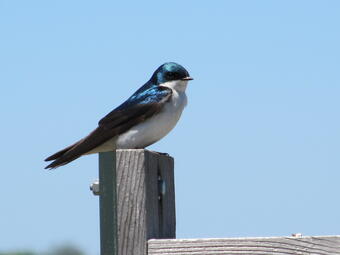
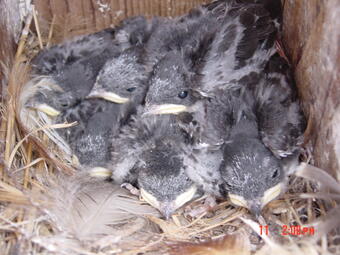
By analyzing spatial and temporal patterns using public Great Lakes Restoration Initiative project data and biomarker responses, USGS and partners demonstrated that contaminated sediment remediation is significantly associated with improved biological outcomes in tree swallow nestlings. This work also identifies themes to refine data tracking and accountability, helping guide future Great Lakes restoration investments and coordination among partners. Attendees will gain actionable insights into how remediation translates to measurable ecological benefits, beneficial for those engaged in Great Lakes restoration and environmental impact assessment.
Session information: Case Studies and Approaches to Assessing Damages and Restoration from Oil and Chemical Releases
- Oral Presentation: November 4, 2026, 2:45 PM – 3:00 PM (Room 515abc)
- EESC Contact: Natalie Karouna-Renier
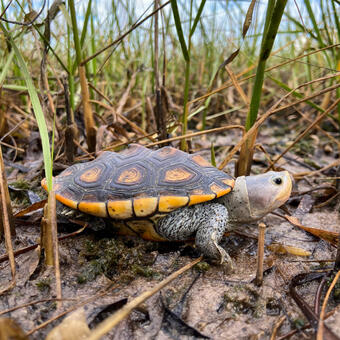
USGS and partners are conducting groundbreaking research on PFAS contamination in diamondback terrapins, analyzing blood samples from populations across New York, New Jersey, Delaware, Maryland, and North Carolina. By measuring PFAS concentrations and assessing immune, metabolic, and organ health biomarkers, this study revealed regional differences in exposure and identified potential links between PFAS and terrapin health. These results provide actionable data for state wildlife agencies to guide management and conservation strategies for terrapin populations and other wildlife that may be exposed to PFAS in estuarine habitats.
Session information: Cold-blooded in the Face of Pollution: Understanding and Mitigating Threats to Amphibians and Reptiles
Thursday, November 5
- Poster: November 5, 2026, 9:15 AM - 5:30 PM (Exhibition Hall)
- EESC Contact: Barnett Rattner
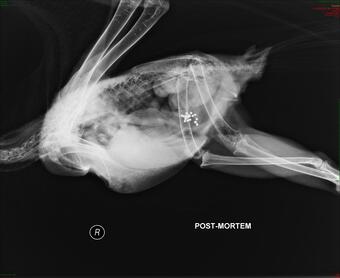
USGS and U.S. Fish and Wildlife Service continue efforts to evaluate the potential hazards and risks of candidate shot (combinations of various metals, plastics and other materials) [JM1] [2] used in waterfowl hunting. By developing and potentially revising ecotoxicological testing and approval guidelines for alternatives to lead shot, this research evaluates the safety of substitute shot materials for birds, other wildlife, and habitats in the U.S. This research addresses emerging concerns—such as copper hazards to aquatic invertebrates—and explores options for harmonizing evaluation processes across jurisdictions. Attendees will gain practical insights into the science and policy behind non-lead ammunition for hunting waterfowl.
Session information: Wildlife Toxicology: Evaluating Exposure and Potential Effects of Emerging and Legacy Contaminants

- Poster: November 5, 2026, 9:15 AM - 5:30 PM (Exhibition Hall)
- EESC Contact: Natalie Karouna-Renier
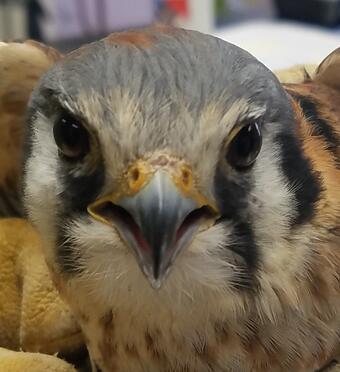
USGS and partners are investigating how PFAS mixtures associated with firefighting foams move through avian food webs and are transferred from adult American kestrels to their offspring. This research examines PFAS accumulation, maternal transfer, and potential effects on thyroid hormones and immune function across life stages. These results aid ecological risk assessments and help resource managers prioritize monitoring, remediation, and restoration actions at PFAS-contaminated sites, particularly those associated with military and firefighting activities.
Session information: Bidirectional Framework: Evaluating Exposure to Contaminants in Birds in Lab and Wildlife Studies
- Poster: November 5, 2026, 9:15 AM - 5:30 PM (Exhibition Hall)
- EESC Contact: Natalie Karouna-Renier
USGS and partners are evaluating how PFAS mixtures found at military sites affect reproduction and population persistence in American kestrels. Attendees will learn how researchers translated changes in hatching success into population-level extinction risk, providing a more direct and ecologically relevant benchmark for risk assessment. This work helps managers better evaluate PFAS risks to wildlife and supports decision-making at contaminated sites.
Session information: Late-Breaking Science: Wildlife Toxicology, Ecology and Stress Response
Developing a Focused 6PPD-Quinone Sources Heat Index for the Chesapeake Bay Watershed
- Poster: November 5, 2026, 9:15 AM - 5:30 PM (Exhibition Hall)
- EESC Contact: Stephanie Gordon
USGS has refined [JM3] [GS4] the 6PPD-quinone (6PPDQ) sources heat index in the Chesapeake Bay watershed by integrating high-resolution environmental, road, and traffic data, along with new insights on tire wear particle drivers. This improved approach enables more precise identification of contamination “hot spots” and supports the development of predictive models for monthly 6PPDQ presence—and potentially concentrations—in streams at the small watershed scale (1:100k). [JM5] [GS6] Attendees will learn how these advancements can inform targeted monitoring, risk assessment, and management strategies for aquatic ecosystems.
- Oral Presentation: November 5, 2026, 10:00 AM - 10:20 AM (Room 515abc)
- EESC Contact: Natalie Karouna-Renier
Using both field studies of tree swallows and laboratory studies with Japanese quail embryos, USGS and partners are uncovering what happens to PFAS precursor compounds once they enter birds and food webs. Attendees will learn how PFAS can be transformed into more persistent and bioaccumulative compounds, helping explain why wildlife often carries a different PFAS signature than its environment. This research will improve ecological risk assessments by addressing a major uncertainty in PFAS exposure pathways.
Session information: Bidirectional Framework: Evaluating Exposure to Contaminants in Birds in Lab and Wildlife Studies
These projects were funded by the U.S. Geological Survey through the Environmental Health Program of the Ecosystem Mission Area.