



FORT Science in Action 2026, Part 3: Science informing the management of invasive reptiles in the Everglades
Invasive reptiles in the Greater Everglades, like the Burmese python and Argentine black and white tegu, are threatening ecosystems and pose a major challenge to long-term, costly restoration work in the region. USGS is leading science to improve understanding of these species and how to effectively management them.
Improving invasive tegu trapping
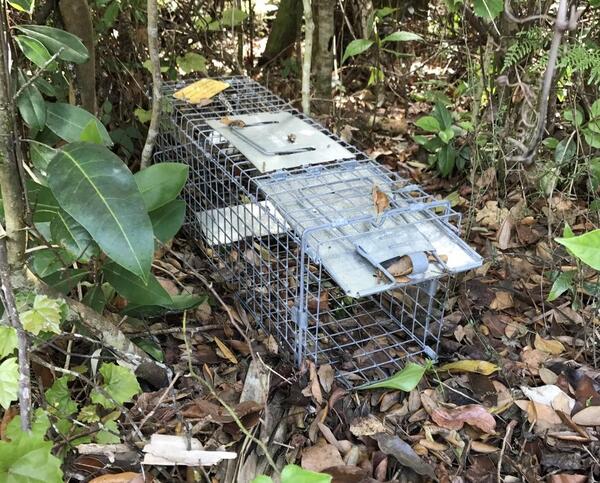
Baited traps are one of the more effective tools for tegu management and removal, but increasing trap efficiency could improve rapid response to new invasions. USGS FORT researchers teamed up with National Park Service (NPS) biologists who regularly trap tegus throughout the Greater Everglades to test the efficacy of baited trap methods. Traditionally, traps are baited with a single egg. In 2023 and 2024, USGS FORT and NPS scientists tested whether decoy eggs or multiple real eggs produced similar or increased capture rates. In a new publication, researchers present the results of this study. Their findings are clear: traps baited with three real eggs increased tegu trap rate, without trapping more non-target species.
Building a knowledge base for invasive reptile managers
Ongoing research on the biology of both Burmese pythons and tegus in the Everglades provides a foundation for effective management planning. Studies published in the past year specifically added to our current understanding of these invasive reptiles’ reproductive biology and interactions with native species:
- Seasonality of reproductive hormones – Researchers found that key reproductive hormones surged in males right before the winter breeding period, as days were getting shorter and temperatures cooler. With this improved understanding of the timing of reproductive activation in male pythons, managers may be able to develop more targeted control methods.
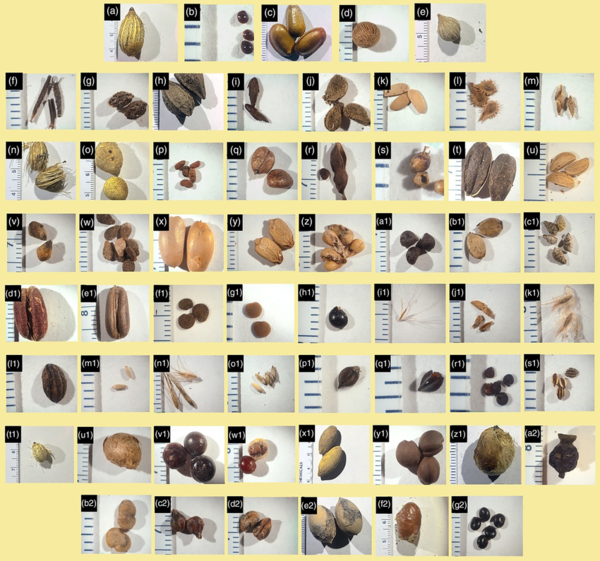
- Potential influence on native seed dispersal – Researchers found 60 different native and invasive plant species seeds in the gut contents of pythons and tegus in the Greater Everglades, suggesting that these invasive reptiles may be influencing seed dispersal in their new environments. This phenomenon could have far-reaching consequences, including greater dispersal of plant species to new environments, or reduced dispersal of plant species through the consumption of native seed dispersers.
More FORT Science in Action
This September, FORT is highlighting how our science projects support sound decision-making. Each day, we will highlight a new project and its applications. To see more, follow the tabs below.
FORT Science in Action, Part 2
FORT Science in Action, Part 4
Related
Invasive Burmese python research in the Greater Everglades
Early detection and rapid response tools for invasive tegu lizards
Related
Invasive Burmese python research in the Greater Everglades