



Research to support conservation of America’s national mammal, the bison
Once numbering in the tens of millions, plains bison (Bison bison bison) were nearly driven to extinction with only a few hundred individuals remaining by the late 19th century. Plains bison have since recovered to approximately 20,000 animals managed in conservation herds throughout North America, yet substantial challenges to their recovery remain.
The Department of the Interior (DOI) stewards approximately 11,000 bison in 18 conservation herds across 12 states. Management of these herds has historically varied across bureaus and conservation units. Adopting a national perspective on bison conservation was identified as a priority in the 2008 DOI Bison Conservation Initiative (BCI).
In support of this initiative, FORT researchers provide science expertise to interagency teams focused on the conservation and stewardship of bison on lands managed by the DOI. They also complete projects on the foraging ecology of bison in specific management areas, to assist resource managers with local decision making. Together, these projects deliver critical science for management of free-roaming bison, ensuring the long-term health of bison populations and public lands in America.
Bison Metapopulation Strategy
Genetic diversity allows wildlife populations to adapt to changing environments, including coping with new diseases and extreme weather conditions. When bison populations rapidly declined in the 1800s, the genetic diversity of populations also plummeted, reducing their adaptive potential. This loss, coupled with the fact that most DOI herds are relatively small and isolated from each other with no opportunity for natural gene flow, raises concerns about maintaining genetic diversity in bison over the long term.
The concept of metapopulation management as a potential tool to maximize the conservation of genetic diversity among DOI herds was first described in the 2008 BCI. Human-assisted translocations of bison can establish gene flow between populations, creating a single metapopulation and minimizing loss of genetic diversity, both within and across individual herds. This concept was specifically encouraged in the 2010 DOI Bison Conservation Genetics Workshop report, and in the 2020 BCI, the DOI re-affirmed its commitment to conserving bison as native, North American wildlife.
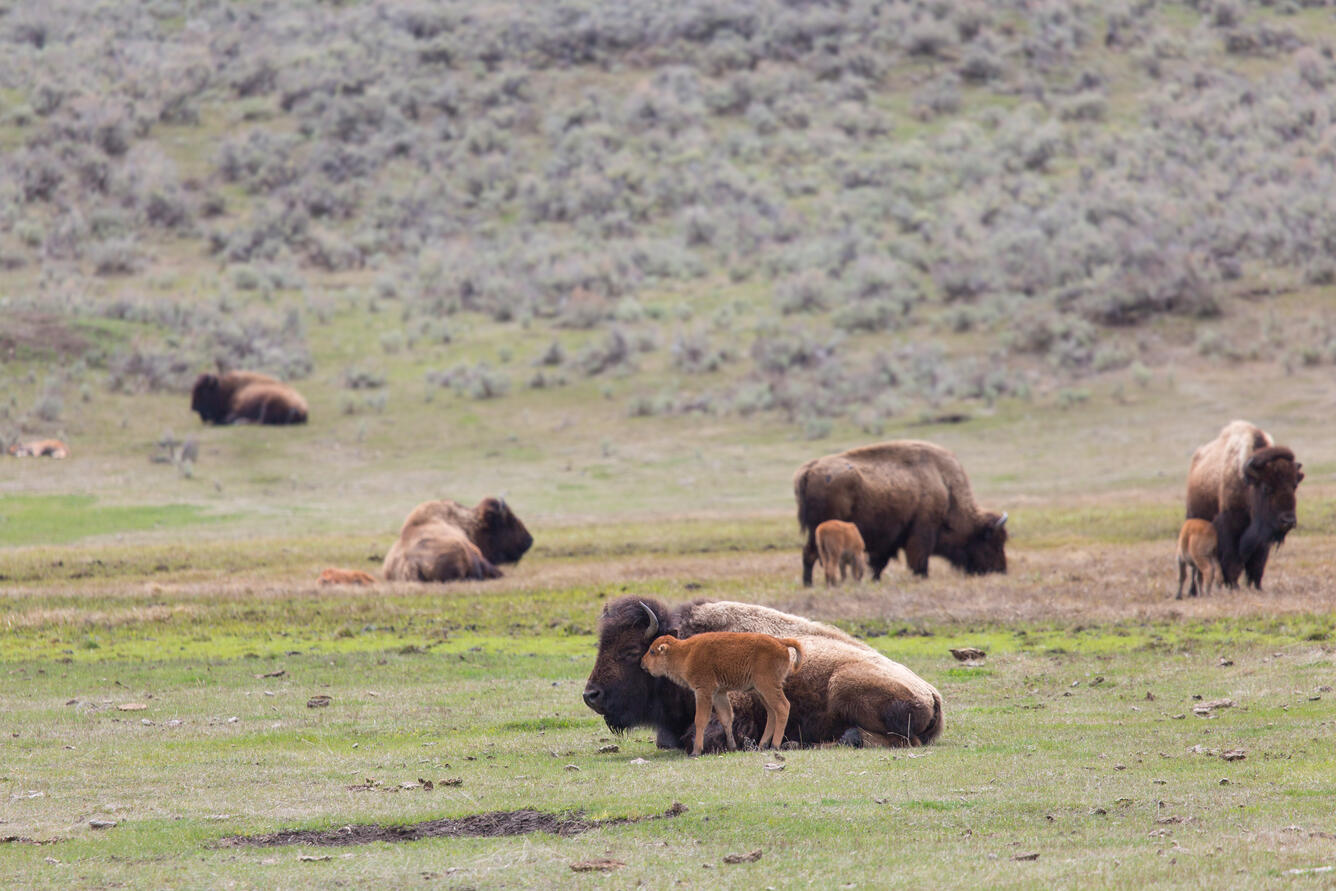
The Bison Metapopulation Strategy establishes a science-based framework for a nationally coordinated strategy for bison managed by the DOI, to support the genetic conservation goals outlined in the 2020 BCI. It is a decision-making framework that guides managers through the process of determining when and how to consider bison translocations, while also considering cattle introgression and bison health.
The USGS-hosted DOI Bison Metapopulation Dashboard supports the DOI agencies in their implementation of the Metapopulation Strategy. This comprehensive database, data visualization, and analysis tool stores individual- and herd-level bison data, including information on demographics, measures of genetic diversity, cattle introgression, translocation history, and the status of known federally regulated diseases in each herd. These data can support analyses that help inform when, how many, and where bison could be moved to maximize levels of genetic diversity within herds and across the metapopulation.
Bison Feeding Ecology in National Parks
Feeding patterns of free-ranging bison can have major implications for resource managers. As voracious herbivores, bison can alter native habitat, outcompete livestock for food, and damage agricultural croplands. Predicting how bison influence vegetation and ecosystem processes requires an understanding of their grazing distribution across time and space. For years, FORT researchers have been partnering with other agencies, organizations, and landowners to study the effects of bison grazing in public lands like the Great Sand Dunes National Park. However, most of our understanding of bison foraging ecology has been focused on broad scales, using GPS-tracking collars that typically collect animal locations at hourly or longer intervals.
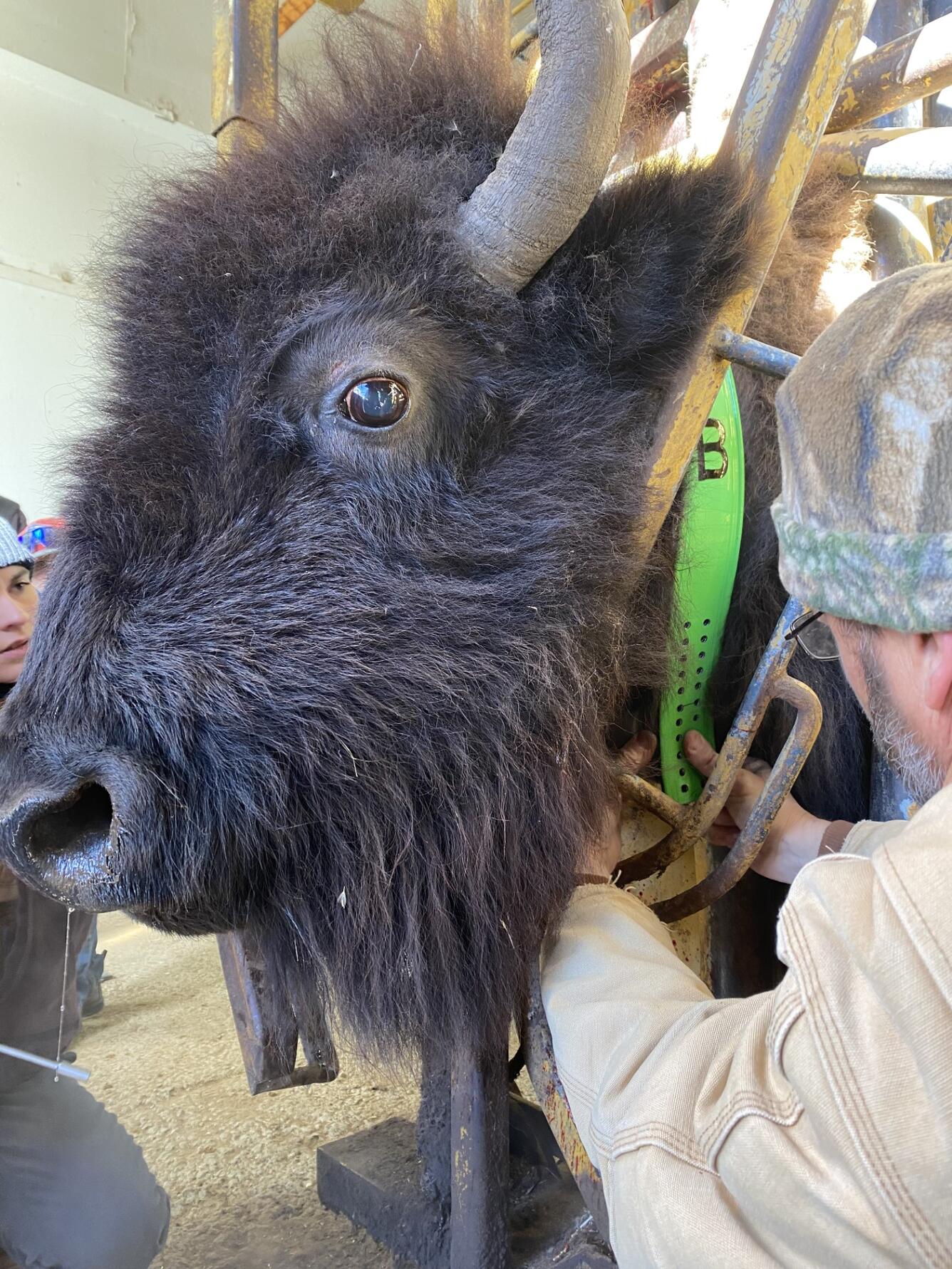
Recent advances in GPS-tracking technologies and battery life now make it possible to quantify bison movement and grazing distribution at sub-daily and even sub-hourly time scales, and to evaluate where bison graze. Quantifying time spent grazing and not grazing in preferred forage patches, and movement patterns among these patches, can provide insights into the effects of grazing on vegetation and ecosystem processes. Furthermore, these data could potentially provide insight into the quality of different habitats for wild ruminants.
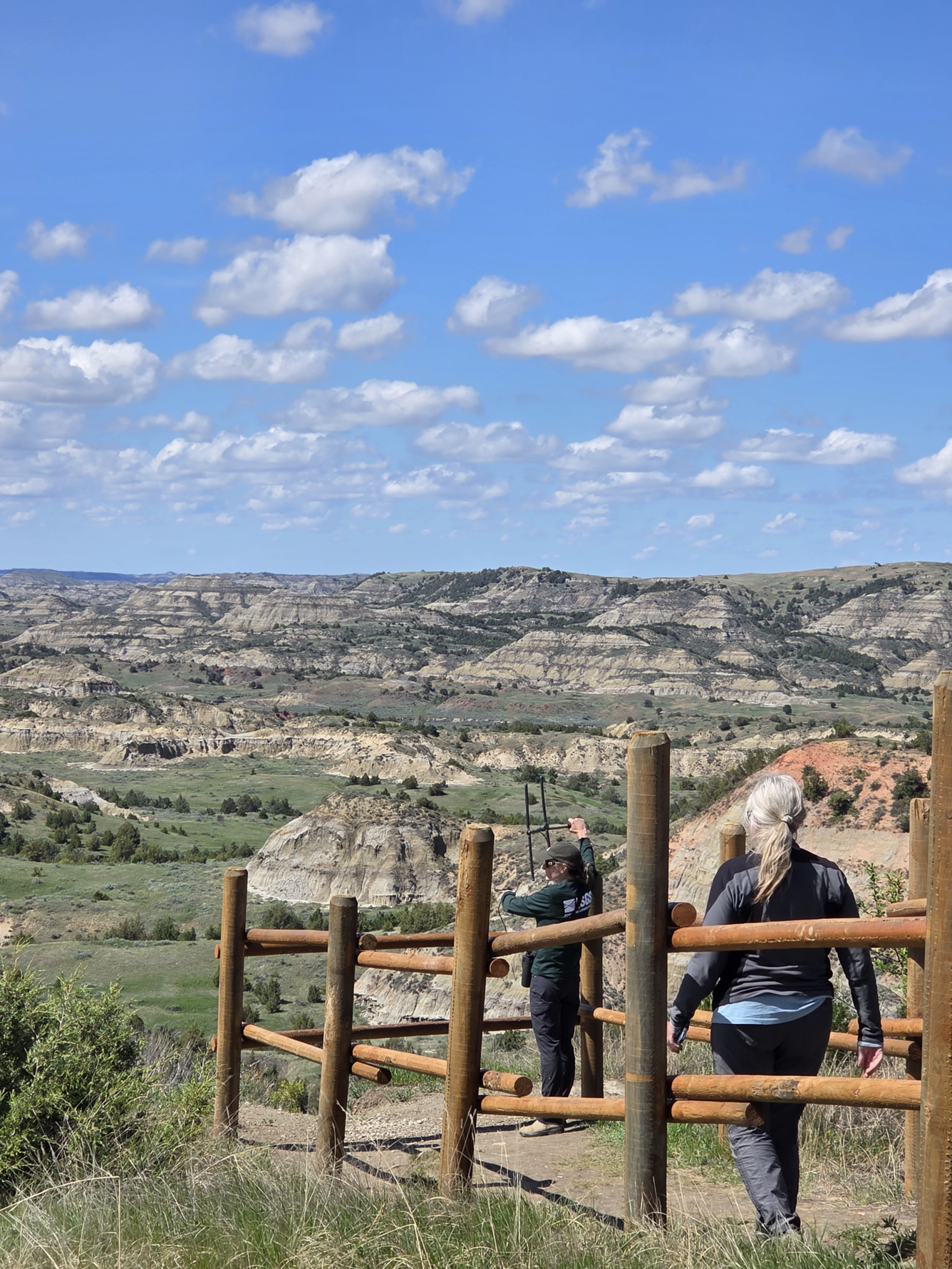
FORT researchers are currently quantifying the foraging ecology of bison in Grand Canyon National Park, the Medano-Zapata Ranch/Great Sand Dunes National Park, and Theodore Roosevelt National Park. They seek to better understand:
- The interactions of bison and the different types of grazing patches across the three parks;
- Bison curation and potential maintenance of grazing patches;
- The effects of grazing on biodiversity (such as birds, insects, butterflies, bees, and more);
- And the spatial diversity and characteristics of grazing patches found in these distinct ecosystems.
Shared Stewardship Strategy
In 2024, the Bison Working Group – an interagency collaboration between bison managers and researchers at five DOI agencies, including USGS – coproduced a Shared Stewardship Strategy with representatives from eight Tribal nations. This strategy, in support of the 2020 BCI, outlines a collective vision and guiding strategies for restoration of healthy, wild bison herds across America. In support of these goals, the authors detail multiple potential pathways to advance shared stewardship of bison, highlighting successful projects throughout.
Once numbering in the tens of millions, plains bison (Bison bison bison) were nearly driven to extinction with only a few hundred individuals remaining by the late 19th century. Plains bison have since recovered to approximately 20,000 animals managed in conservation herds throughout North America, yet substantial challenges to their recovery remain.
The Department of the Interior (DOI) stewards approximately 11,000 bison in 18 conservation herds across 12 states. Management of these herds has historically varied across bureaus and conservation units. Adopting a national perspective on bison conservation was identified as a priority in the 2008 DOI Bison Conservation Initiative (BCI).
In support of this initiative, FORT researchers provide science expertise to interagency teams focused on the conservation and stewardship of bison on lands managed by the DOI. They also complete projects on the foraging ecology of bison in specific management areas, to assist resource managers with local decision making. Together, these projects deliver critical science for management of free-roaming bison, ensuring the long-term health of bison populations and public lands in America.
Bison Metapopulation Strategy
Genetic diversity allows wildlife populations to adapt to changing environments, including coping with new diseases and extreme weather conditions. When bison populations rapidly declined in the 1800s, the genetic diversity of populations also plummeted, reducing their adaptive potential. This loss, coupled with the fact that most DOI herds are relatively small and isolated from each other with no opportunity for natural gene flow, raises concerns about maintaining genetic diversity in bison over the long term.
The concept of metapopulation management as a potential tool to maximize the conservation of genetic diversity among DOI herds was first described in the 2008 BCI. Human-assisted translocations of bison can establish gene flow between populations, creating a single metapopulation and minimizing loss of genetic diversity, both within and across individual herds. This concept was specifically encouraged in the 2010 DOI Bison Conservation Genetics Workshop report, and in the 2020 BCI, the DOI re-affirmed its commitment to conserving bison as native, North American wildlife.
The Bison Metapopulation Strategy establishes a science-based framework for a nationally coordinated strategy for bison managed by the DOI, to support the genetic conservation goals outlined in the 2020 BCI. It is a decision-making framework that guides managers through the process of determining when and how to consider bison translocations, while also considering cattle introgression and bison health.
The USGS-hosted DOI Bison Metapopulation Dashboard supports the DOI agencies in their implementation of the Metapopulation Strategy. This comprehensive database, data visualization, and analysis tool stores individual- and herd-level bison data, including information on demographics, measures of genetic diversity, cattle introgression, translocation history, and the status of known federally regulated diseases in each herd. These data can support analyses that help inform when, how many, and where bison could be moved to maximize levels of genetic diversity within herds and across the metapopulation.
Bison Feeding Ecology in National Parks
Feeding patterns of free-ranging bison can have major implications for resource managers. As voracious herbivores, bison can alter native habitat, outcompete livestock for food, and damage agricultural croplands. Predicting how bison influence vegetation and ecosystem processes requires an understanding of their grazing distribution across time and space. For years, FORT researchers have been partnering with other agencies, organizations, and landowners to study the effects of bison grazing in public lands like the Great Sand Dunes National Park. However, most of our understanding of bison foraging ecology has been focused on broad scales, using GPS-tracking collars that typically collect animal locations at hourly or longer intervals.
Recent advances in GPS-tracking technologies and battery life now make it possible to quantify bison movement and grazing distribution at sub-daily and even sub-hourly time scales, and to evaluate where bison graze. Quantifying time spent grazing and not grazing in preferred forage patches, and movement patterns among these patches, can provide insights into the effects of grazing on vegetation and ecosystem processes. Furthermore, these data could potentially provide insight into the quality of different habitats for wild ruminants.
FORT researchers are currently quantifying the foraging ecology of bison in Grand Canyon National Park, the Medano-Zapata Ranch/Great Sand Dunes National Park, and Theodore Roosevelt National Park. They seek to better understand:
- The interactions of bison and the different types of grazing patches across the three parks;
- Bison curation and potential maintenance of grazing patches;
- The effects of grazing on biodiversity (such as birds, insects, butterflies, bees, and more);
- And the spatial diversity and characteristics of grazing patches found in these distinct ecosystems.
Shared Stewardship Strategy
In 2024, the Bison Working Group – an interagency collaboration between bison managers and researchers at five DOI agencies, including USGS – coproduced a Shared Stewardship Strategy with representatives from eight Tribal nations. This strategy, in support of the 2020 BCI, outlines a collective vision and guiding strategies for restoration of healthy, wild bison herds across America. In support of these goals, the authors detail multiple potential pathways to advance shared stewardship of bison, highlighting successful projects throughout.