



AquaDePTH: Merging Aquatic Disease Surveillance Data into One Useful Tool
The U.S. Geological Survey (USGS) is developing the Aquatic Disease and Pathogen Repository (AquaDePTH) to track, evaluate, and ultimately predict aquatic disease outbreaks across the nation.
The Aquatic Disease and Pathogen Repository, or AquaDePTH, is a public-facing interface that consolidates data to show the distribution of aquatic pathogens and diseases across the nation.
The Need for AquaDePTH: The Need for Collaboration
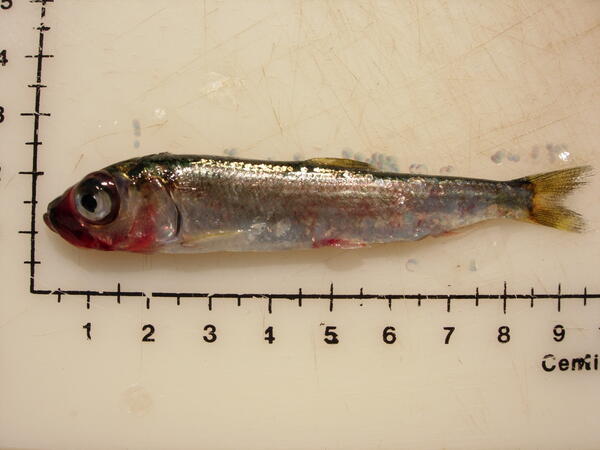
Infectious disease poses a significant threat to commercially important and ecologically relevant fish and other aquatic animals. Federal entities, state agencies and universities invest millions of dollars annually to monitor and control diseases in aquatic animals, including finfish and invertebrates. These efforts are critical for protecting ecosystems, supporting aquaculture, and maintaining compliance with international trade regulations.
However, these entities often conduct their work in isolation: performing their own sampling and analysis and housing their data internally. No robust infrastructure has existed to facilitate the tracking and sharing of this surveillance data on regional and national scales. AquaDePTH seeks to fill this void.
A Collaborative Effort
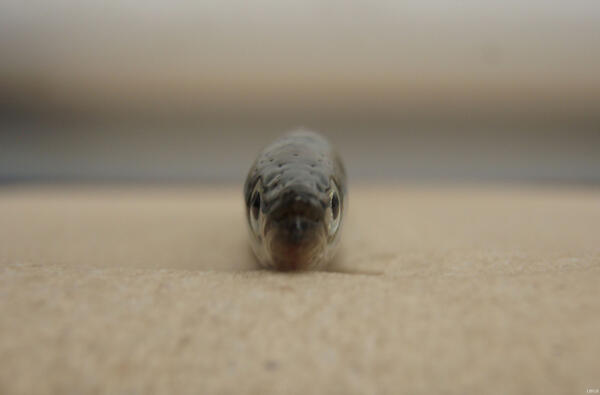
The development of AquaDePTH involves input from numerous partners via workgroups. This project is being led by three U.S. Geological Survey (USGS) centers, bringing together a wealth of aquatic science expertise:
Wetland and Aquatic Research Center in Gainesville, FL
Western Fisheries Research Center in Seattle, WA
Eastern Ecological Science Center in Kearneysville, WV
Partnerships are a core component of AquaDePTH’s development. The USGS has developed partner workgroups to corral the data and ensure the system is designed to fit the diverse needs of aquatic animal health scientists and managers across the nation.
Data Collection and Sharing
Datasets for AquaDePTH are being sourced from numerous partners. USGS will curate existing and newly acquired aquatic pathogen data in a single, sharable resource. Further, AquaDePTH aims to interoperate with individual pathogen databases, facilitating broad, synchronous data utilization across many systems.
Building on Established Frameworks
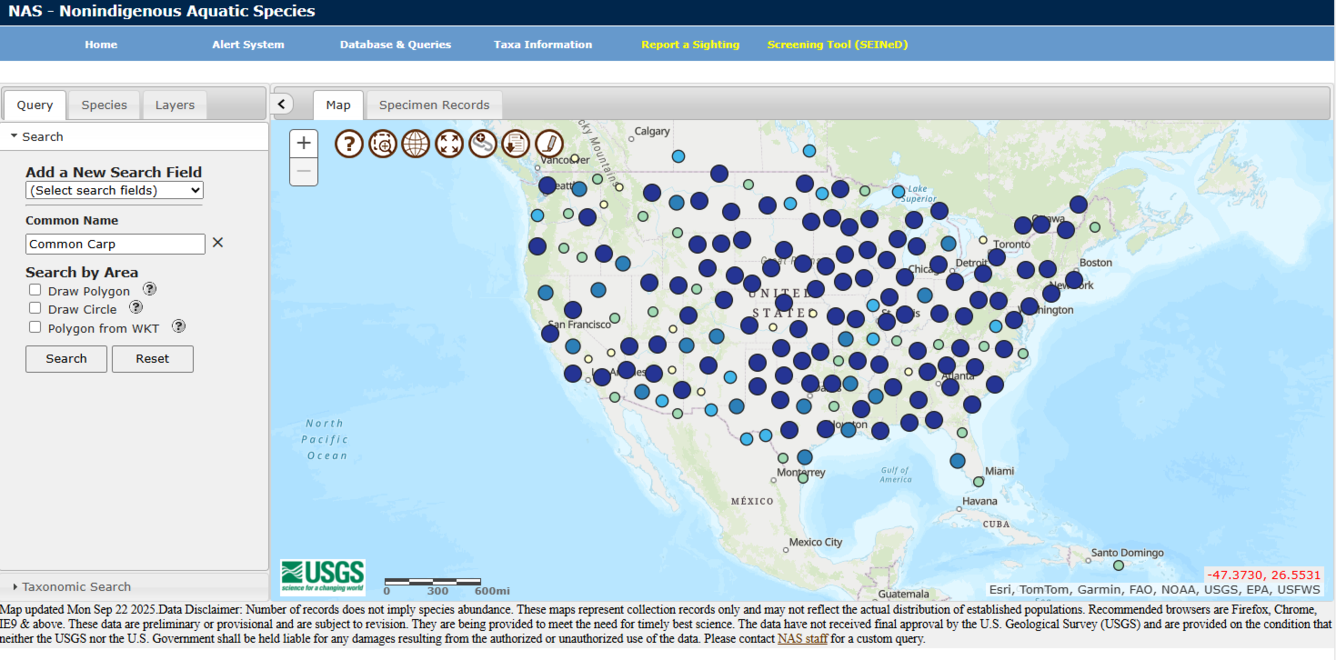
AquaDePTH expands on the foundational work of the USGS Nonindigenous Aquatic Species (NAS) database, a long-standing data repository that supplies managers and researchers with tools to track and evaluate the spread of aquatic invasive species. By leveraging the NAS framework, AquaDePTH will curate spatially-referenced, biogeographic accounts of priority diseases and pathogens, essential for nation-wide disease tracking. Also, with AquaDePTH built on the NAS platform, aquatic disease and invasive species data can be evaluated together, expanding our understanding of how diseases may hitchhike on invasives and spread across the landscape.

A Comprehensive Data Portal
One of the standout features of AquaDePTH will be its online portal. Users will be able to conduct custom data queries, generate distribution maps, and obtain data summaries through an intuitive data dashboard. This functionality will increase transparency and facilitate wider access to essential information regarding aquatic diseases and pathogens.
To Infinity and Beyond!
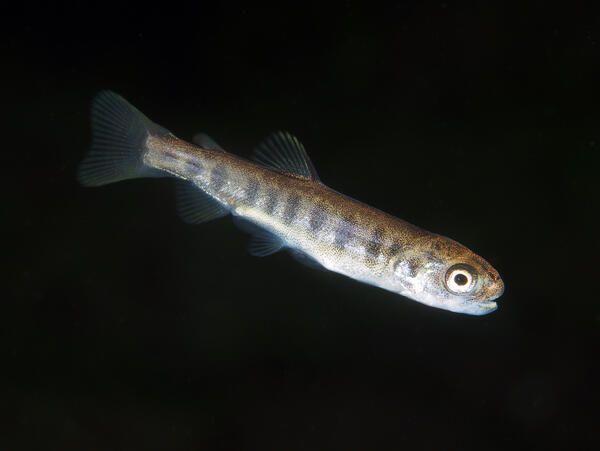
Ultimately, AquaDepth will help scientists and managers align their disease surveillance efforts, evaluate trends in fish kills and pathogen occurrences, and develop models to predict future disease outbreaks. With this tool, managers will have greater control over the fate our fish and other aquatic resources!
Related

AquaDePTH-Aquatic Disease and Pathogen Repository
Related