



Oregon Waters: Summer 2026
Greetings, partners and friends of the Oregon Water Science Center,
Please read the updates we’ve curated for you in our Summer 2026 newsletter. In this issue, you’ll find a message from our director highlighting 2026 changes and accomplishments, along with highlighted project updates, data, publications, and photos.
-
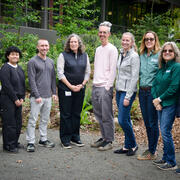
Message from the Director - Oregon Water Science Center, Summer 2026 Message from the Director - Oregon Water Science Center, Summer 2026
Updates from the Center Director, Joanna Thamke.
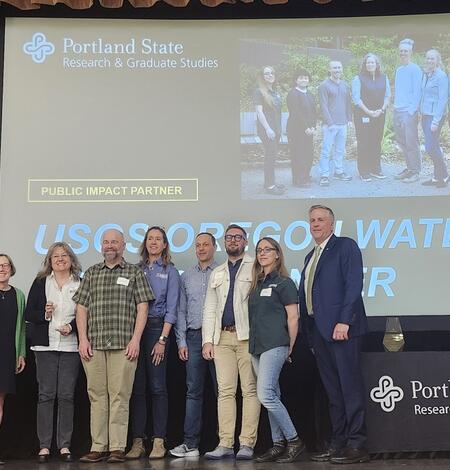
The Oregon Water Science Center receives Portland State University’s 2026 Public Impact Partner Award
Learn more about the award and the USGS-Portland State Partnership.
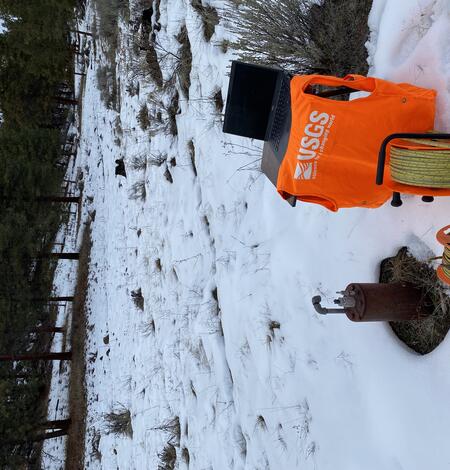
Updates to the Upper Klamath and Harney Basin interactive data mappers
The Upper Klamath Basin and Harney Basin interactive web maps have been updated with additional well sites and recent groundwater level field measurements collected during 2025-26 site visits.
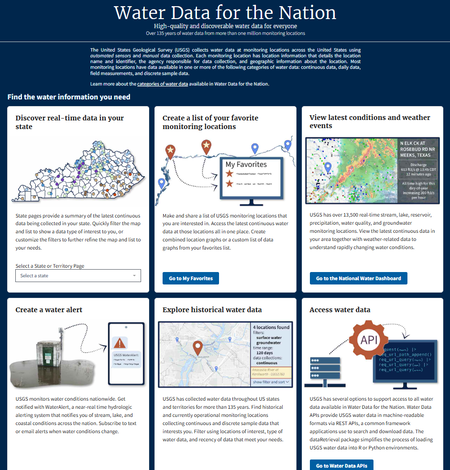
Water data delivery changes and new features: real-time data, APIs, interactive maps, charts, and tables
Important changes to how USGS water data will be delivered as we modernize our water data storage and delivery systems.
We contributed to two new publications since our last edition:
-
Lost in translation: Reconciling different streamflow permanence data products Lost in translation: Reconciling different streamflow permanence data products
The objective of this study is to provide a framework to reconcile streamflow permanence products that provide information on whether a stream is perennial or nonperennial. Accurate classification of streams as perennial or nonperennial is important for a variety of land and water resource management decisions. However, resource managers are challenged with how to reconcile different...
-
Post-wildfire water quality and aquatic ecosystem response in the U.S. Pacific Northwest: science and monitoring gaps Post-wildfire water quality and aquatic ecosystem response in the U.S. Pacific Northwest: science and monitoring gaps
An increase in the occurrence of large, high severity wildfires in the western Pacific Northwest (PNW), USA, has created an urgent need for science to better inform forest management and policy decisions to maintain source water quality in the region. The western PNW faces similar challenges to other regions with shifting wildfire regimes and large population centers reliant on surface...
Project updates:
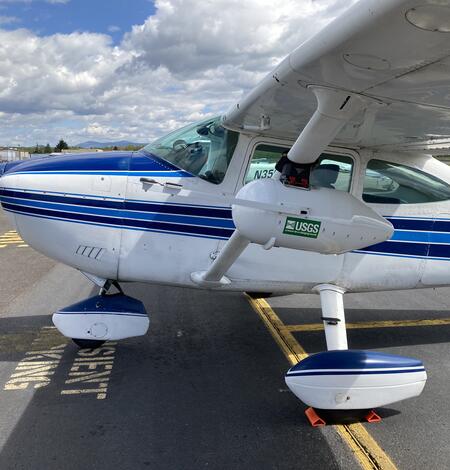
Aircraft equiped with USGS camera pod
A contracted aircraft equipped with a USGS camera pod containing multispectral, thermal, and high-resolution red-green-blue cameras. April 26 - May 1, 2026, ORWSC conducted an airborne and field campaign to map the Clackamas, Molalla, and North Santiam Rivers. This work supports multiple projects as part of the Willamette Integrated Water Science (IWS) program. Remote sensing flights from a…
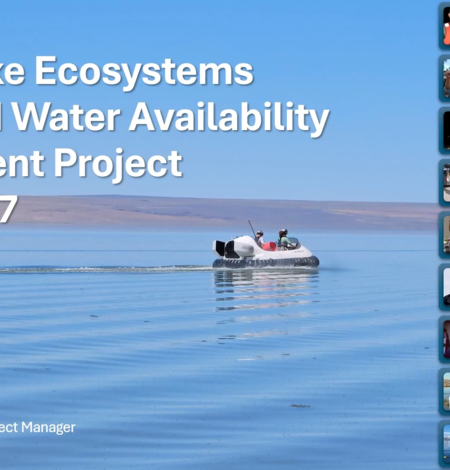
Saline Lake Ecosystems IWAA Spring Seminar: Project Updates and 2026 Field Season Plans
This video presents the Spring 2026 Saline Lake Ecosystems Integrated Water Availability Assessment Spring Seminar by the U.S. Geological Survey (USGS). Narrated by Lisa Hoaks, the seminar provides project updates, summer 2026 field season plans, and recently published products. Science and program experts contributed to the content for the five key pillars: Waterbird Movement, Waterbird Prey…
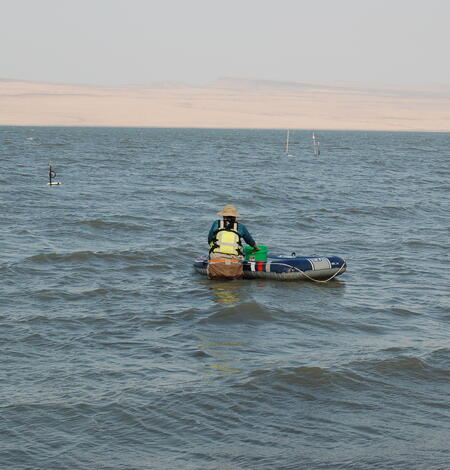
Continuous water quality datasets
View continuous datasets collected by the Saline Lake Ecosystems Integrated Water Availability Assessment Water Quality Team. During the 2024 and 2025 field seasons, the Water Quality Team collected 63 datasets at saline lakes across the Great Basin. Each dataset is a single parameter recorded continuously during the field season - April through October - or until the lake levels became too...