



Ecosystem Restoration
Ecosystem Restoration
Filter Total Items: 115

Using simulation models to project and evaluate post-fire success in restoring sage-grouse habitat over large landscapes
Wildfires are increasingly destroying wildlife habitat in sagebrush ( Artemisia species) ecosystems, and managers need approaches to scope the pace and degree to which post-fire restoration actions can re-create habitat in dynamic landscapes. Sagebrush recovery takes a long time, and it can be difficult to anticipate restoration outcomes over large, diverse landscapes that have experienced decades...

Simulating the influence of sagebrush restoration on post-fire sage-grouse population recovery
Increased wildfire-induced loss of sagebrush in North American shrublands are outpacing natural recovery and leading to substantial habitat loss for sagebrush-obligate species like sage-grouse. Transplanting sagebrush ( Artemisia species) is a possible strategy for revegetating burned areas, but little is known about sage-grouse or other wildlife responses to restoration strategies.

The Effect of Pre-Emergent Herbicides on Soil in The Sagebrush Steppe
We are studying how herbicides sprayed onto soil to prevent the establishment of exotic annual grasses such as cheatgrass may impact the health, growth resources and microbiota of soils in sagebrush-steppe, where herbicide use is an important and common tool. Our findings will help make herbicide applications more successful.

Longevity of Herbicides Targeting Exotic Annual Grasses in Sagebrush-Steppe Soils
Pre-emergent herbicides applied to soil are a primary tool for reducing exotic annual grasses, such as cheatgrass, in sagebrush steppe rangelands. Effective herbicide application can allow existing perennials to grow and spread to outcompete cheatgrass, preventing reinvasion, but most perennials are slow-growing and require more years of relief from annual-grass competition than standard...

Vegetation and Fuel Responses to Linear Fuel-Break Treatments in and around Burned Sagebrush Steppe
After the Soda Wildfire burned nearly 280,000 acres of public and private land in southwest Idaho, the Bureau of Land Management’s (BLM) Emergency and Rehabilitation and Stabilization program (ESR) applied herbicide and seeding treatments to prevent exotic annual grass invasion and restore native vegetation. To reduce the threat of future wildfire, the BLM also constructed a network of linear...

Grazing Effects on the Annual Grass Fire-Cycle after Post Fire Management
In order to break the annual grass fire-cycle in the sagebrush steppe, land managers use pre-emergent herbicides to reduce annual grass populations and seeding to increase fire-tolerant perennials. These tools must be applied to the same soils in ways that are not counterproductive, and their application must therefore be staggered in time, which we refer to as layering. Livestock grazing can also...

Systematic Review and Analysis of Seeding and Herbicide Treatment in the Sagebrush Steppe
Seeding and herbicide treatments are a key aspect of the strategy used to break the annual grass-fire cycle in sagebrush steppe. However, past studies report considerable variability in the effectiveness of seeding and herbicide treatments. To generate a more consistent interpretation of post-fire herbicide and seeding effects, we are compiling, reviewing, and synthesizing findings from past...

Mangrove Science Network
The Mangrove Science Network is a collaboration of USGS scientists focused on working with natural resource managers to develop and conduct research whose findings will support and evaluate decisions made in mangrove management and restoration.

Informing seed transfer guidelines and native plant materials development
As restoration needs for natural landscapes grow due to higher frequency and/or intensity disturbances, pressure from invasive species, and impacts resulting from changing climates, considerable time and resources are being invested to guide the development and deployment of native plant materials (NPMs). Across lower elevations of the Colorado Plateau, a region composed primarily of public land...
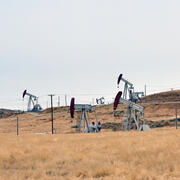
Science in Support of Energy and Minerals Development on Public Lands
America has abundant energy and natural resources, including oil, natural gas, and critical minerals. The USGS Ecosystems Mission Area supports planning, permitting, and leasing of energy and minerals by conducting research relevant to each stage of the Energy Resources Life Cycle. Bureaus and offices in the Department of the Interior responsible for managing energy and minerals resources need...

Grand Canyon Monitoring and Research Projects
The Grand Canyon Monitoring and Research Center currently functions under a Triennial Work Plan (TWP) which is thoroughly reviewed and vetted both internally within the Center and through the GCDAMP Technical Work Group (TWG) and the Adaptive Management Work Group (AMWG). These advisory panels have been a part of the Glen Canyon Dam adaptive management process since the inception of the GCDAMP...

Social and Economic Analyses
USGS economists and social scientists conduct economic and social science research in the context of natural resource management to deliver information used by resource managers to maximize and sustain economic and social benefits from natural resources to the American public.