



A small creek drains into the Potomac River in Piscataway Park, south of the District of Columbia.
Alex Demas (Former Employee)
Science and Products
Filter Total Items: 845
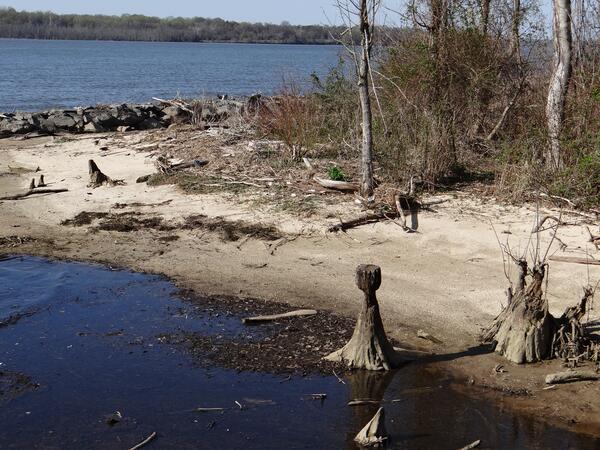
River and Creek
A small creek drains into the Potomac River in Piscataway Park, south of the District of Columbia.
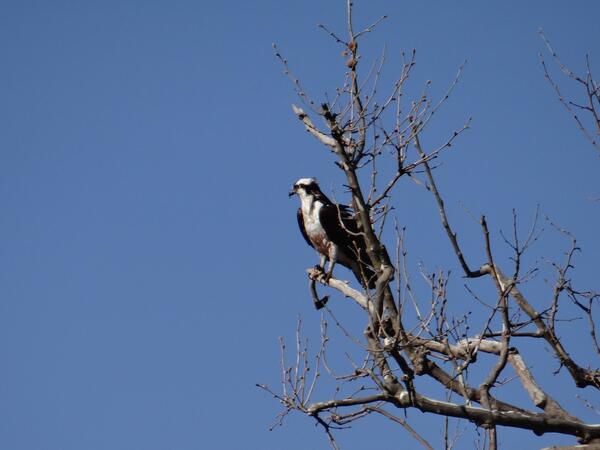
Osprey
An osprey sits in a tree near its nest in Piscataway Park, just south of the District of Columbia
An osprey sits in a tree near its nest in Piscataway Park, just south of the District of Columbia
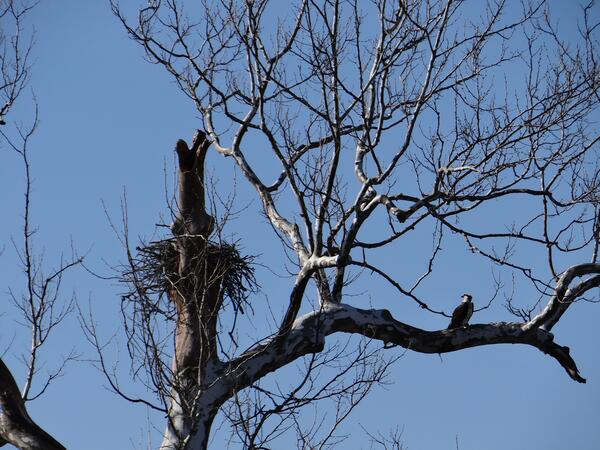
Osprey Nest
An osprey's nest in Piscataway Park, just south of the District of Columbia. The osprey sits just to the right of the nest.
An osprey's nest in Piscataway Park, just south of the District of Columbia. The osprey sits just to the right of the nest.
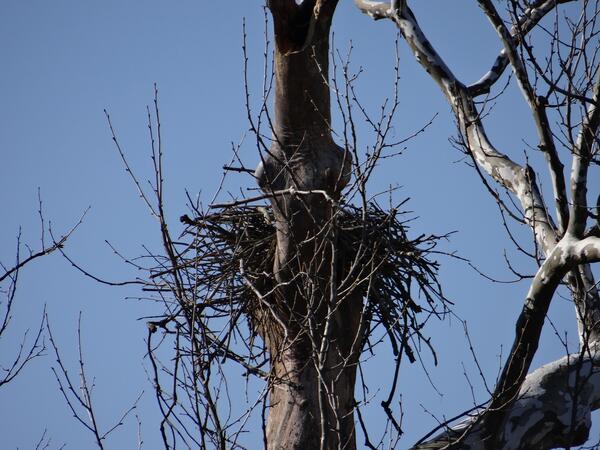
Osprey Nest
An osprey's nest in Piscataway Park, just south of the District of Columbia.
An osprey's nest in Piscataway Park, just south of the District of Columbia.
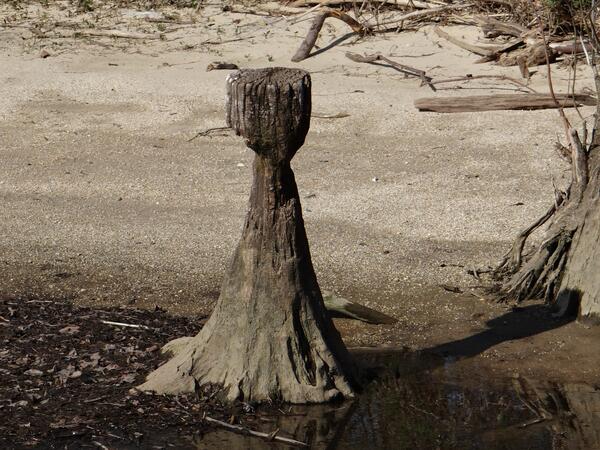
Tree Stump along the Potomac River
A tree stump has been weathered away by tidal action into this unique shape. The stump lies on the shores of the Potomac River in Piscataway Park, just south of the District of Columbia.
A tree stump has been weathered away by tidal action into this unique shape. The stump lies on the shores of the Potomac River in Piscataway Park, just south of the District of Columbia.
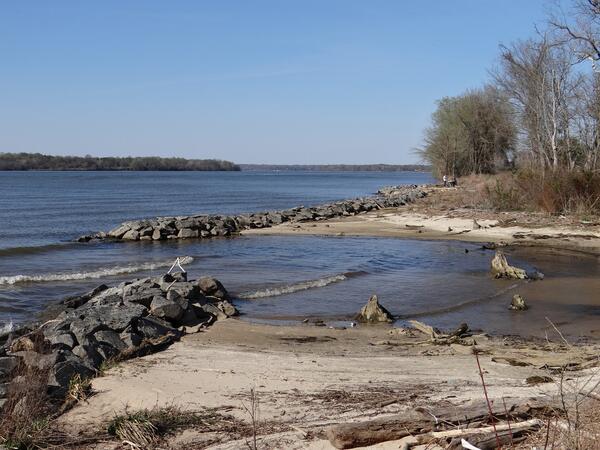
Creek and River
A small creek drains into the Potomac River in Piscataway Park, south of the District of Columbia.
A small creek drains into the Potomac River in Piscataway Park, south of the District of Columbia.
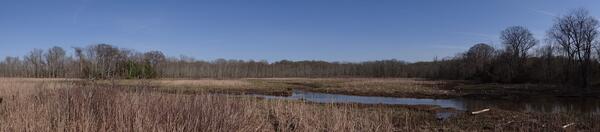
Accokeek Creek Panorama
A panorama of Accokeek Creek in Piscataway Park, south of the District of Columbia.
A panorama of Accokeek Creek in Piscataway Park, south of the District of Columbia.
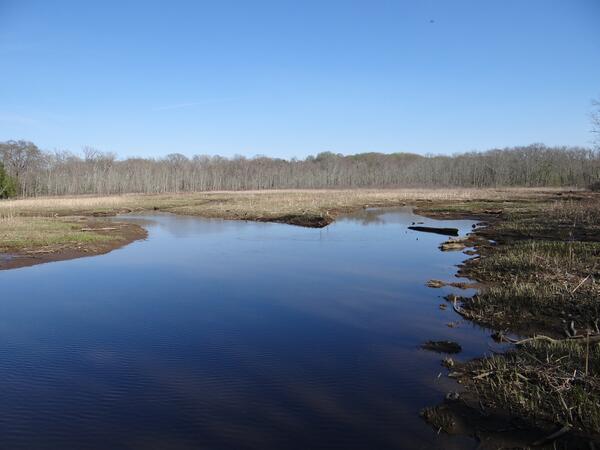
Mouth of Accokeek Creek
The mouth of Accokeek Creek as it empties into the Potomac River in Piscataway Park, south of the District of Columbia.
The mouth of Accokeek Creek as it empties into the Potomac River in Piscataway Park, south of the District of Columbia.

Driftwood along the Potomac
Driftwood along the banks of the Potomac River in Piscataway Park, south of the District of Columbia.
Driftwood along the banks of the Potomac River in Piscataway Park, south of the District of Columbia.
Driftwood along the Potomac
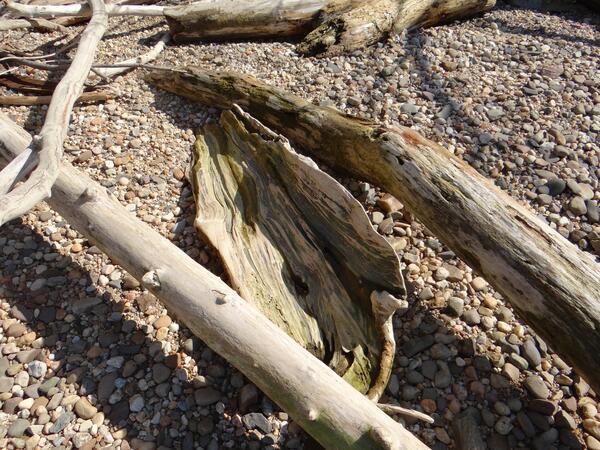
Driftwood along the banks of the Potomac River in Piscataway Park, south of the District of Columbia.
Driftwood along the banks of the Potomac River in Piscataway Park, south of the District of Columbia.
Chimney Rock Formation
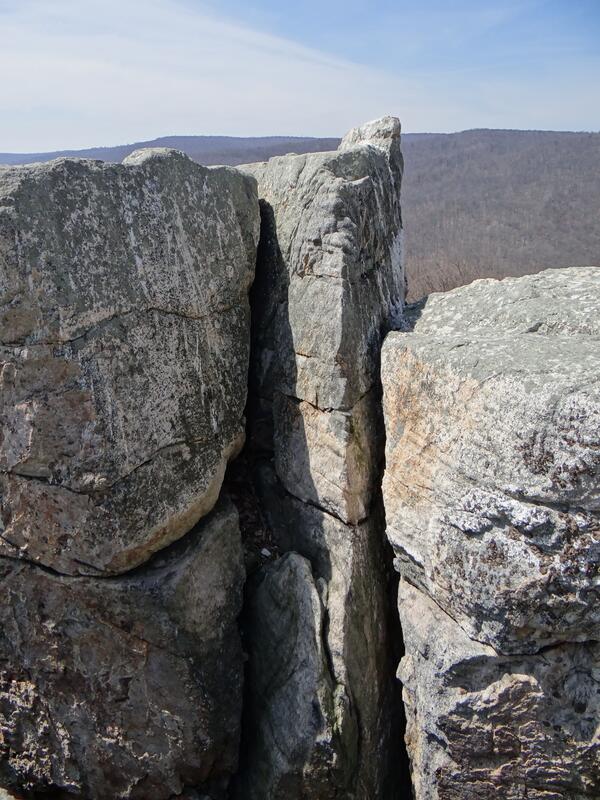
The Chimney Rock formation with Catoctin Moutain Park. Catoctin Mountain is part of the Blue Ridge Mountains. Chimney Rock is mostly made of quartzite, a metamorphic mineral.
The Chimney Rock formation with Catoctin Moutain Park. Catoctin Mountain is part of the Blue Ridge Mountains. Chimney Rock is mostly made of quartzite, a metamorphic mineral.
Chimney Rock Panorama
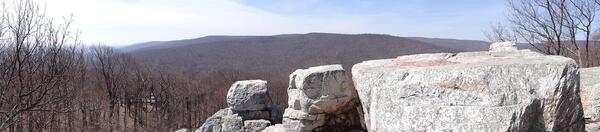
A panorama of the Chimney Rock formation with Catoctin Moutain Park. Catoctin Mountain is part of the Blue Ridge Mountains. Chimney Rock is mostly made of quartzite, a metamorphic mineral.
A panorama of the Chimney Rock formation with Catoctin Moutain Park. Catoctin Mountain is part of the Blue Ridge Mountains. Chimney Rock is mostly made of quartzite, a metamorphic mineral.
Mountain Trail through Catoctin Mountain Park
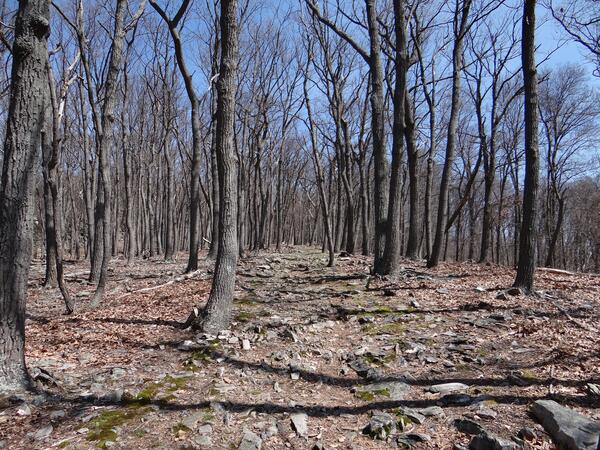
A hiking trail winds through the woods of Catoctin Mountain Park towards the Chimney Rock formation. Catoctin Mountain is part of the Blue Ridge Mountains.
A hiking trail winds through the woods of Catoctin Mountain Park towards the Chimney Rock formation. Catoctin Mountain is part of the Blue Ridge Mountains.

Chimney Rock Panorama
A panorama of the Chimney Rock formation with Catoctin Moutain Park. Catoctin Mountain is part of the Blue Ridge Mountains. Chimney Rock is mostly made of quartzite, a metamorphic mineral.
A panorama of the Chimney Rock formation with Catoctin Moutain Park. Catoctin Mountain is part of the Blue Ridge Mountains. Chimney Rock is mostly made of quartzite, a metamorphic mineral.
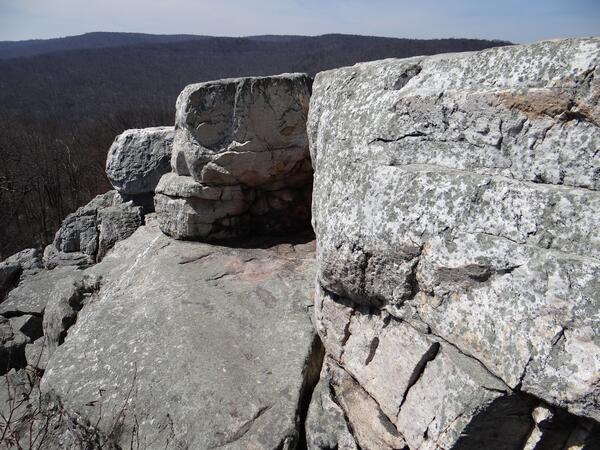
Chimney Rock Formation
The Chimney Rock formation with Catoctin Moutain Park. Catoctin Mountain is part of the Blue Ridge Mountains. Chimney Rock is mostly made of quartzite, a metamorphic mineral.
The Chimney Rock formation with Catoctin Moutain Park. Catoctin Mountain is part of the Blue Ridge Mountains. Chimney Rock is mostly made of quartzite, a metamorphic mineral.
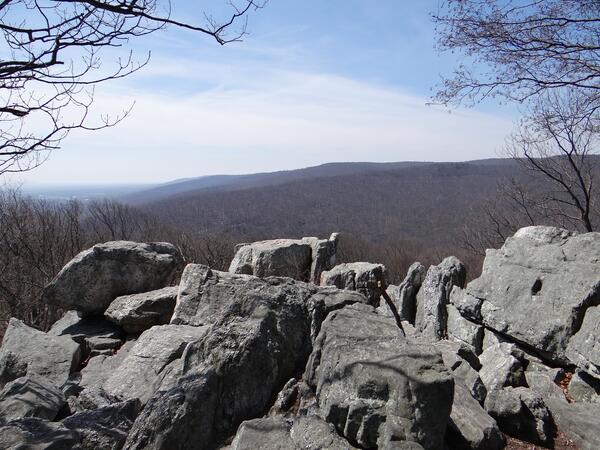
Chimney Rock Formation
The Chimney Rock formation with Catoctin Moutain Park. Catoctin Mountain is part of the Blue Ridge Mountains. Chimney Rock is mostly made of quartzite, a metamorphic mineral.
The Chimney Rock formation with Catoctin Moutain Park. Catoctin Mountain is part of the Blue Ridge Mountains. Chimney Rock is mostly made of quartzite, a metamorphic mineral.
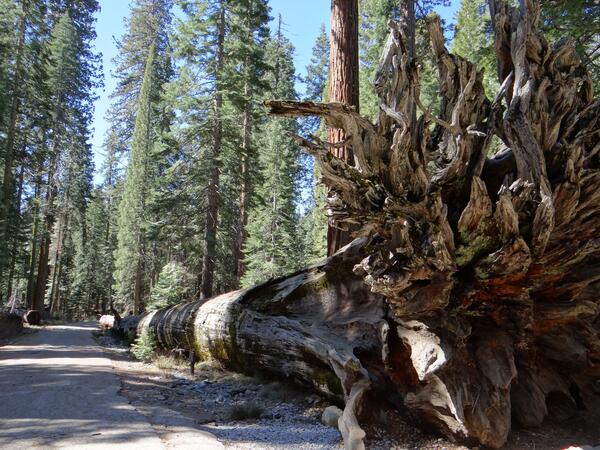
Fallen Monarch Tree
This tree is known as the Fallen Monarch Tree. It fell roughly 300 years ago. Because of the high level of tannins in their bark, giant sequoias are resistant to decay.
This tree is known as the Fallen Monarch Tree. It fell roughly 300 years ago. Because of the high level of tannins in their bark, giant sequoias are resistant to decay.
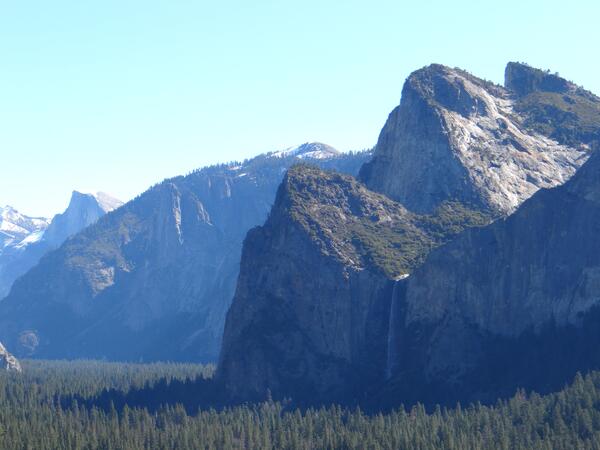
Bridalveil Fall
In this image, Bridalveil Fall can be seen from Tunnel View in Yosemite National Park. The waterfall is 617 ft (188 m) in height and is one of the most well-known of Yosemite National Park's waterfalls.
In this image, Bridalveil Fall can be seen from Tunnel View in Yosemite National Park. The waterfall is 617 ft (188 m) in height and is one of the most well-known of Yosemite National Park's waterfalls.
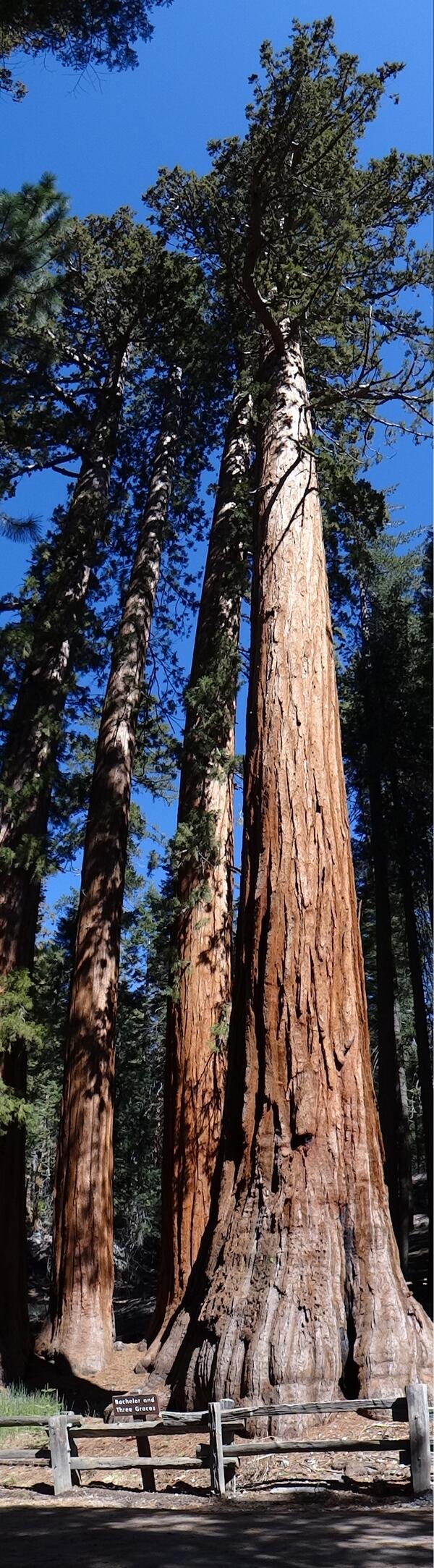
Bachelor and the Three Graces
This stand of giant sequoia trees is known as the Bachelor and Three Graces. They are located within the Mariposa Grove of Big Trees in Yosemite National Park.
This stand of giant sequoia trees is known as the Bachelor and Three Graces. They are located within the Mariposa Grove of Big Trees in Yosemite National Park.
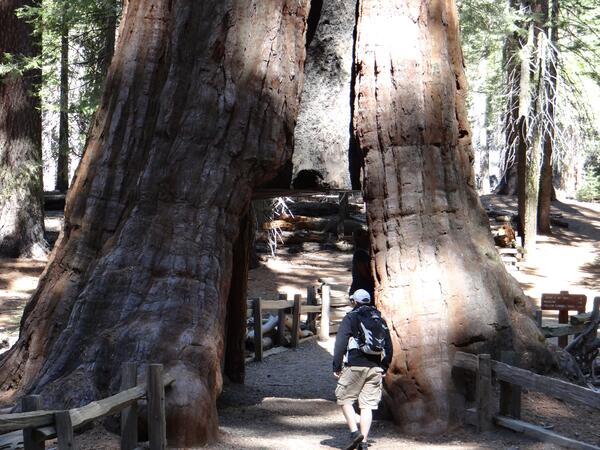
Tunnel of the California Tunnel Tree
In this image, the tunnel through the California Tunnel Tree may be seen. The tunnel was cut through the giant sequoia tree in 1895 to allow coaches, and eventually cars, to drive through the tree as part of a marketing stunt. The California Tunnel Tree is the only living giant sequoia with a tunnel cut through it.
In this image, the tunnel through the California Tunnel Tree may be seen. The tunnel was cut through the giant sequoia tree in 1895 to allow coaches, and eventually cars, to drive through the tree as part of a marketing stunt. The California Tunnel Tree is the only living giant sequoia with a tunnel cut through it.
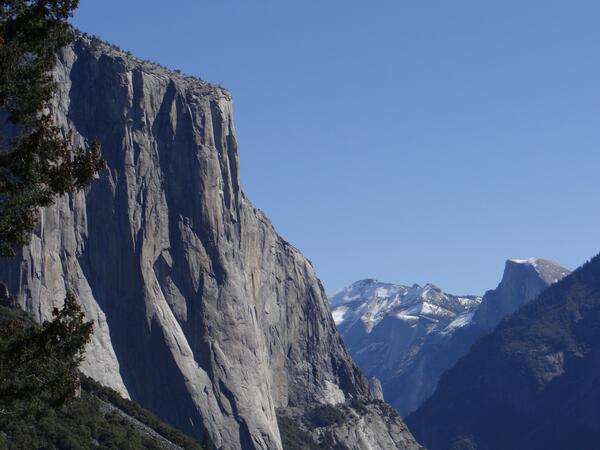
El Capitan
In this image, the west face of El Capitan may be seen from Tunnel View. El Capitan is a granite monolith that rises about 3,000 ft (900 m) from the valley floor and is one of Yosemite National Park's most famous landmarks.
In this image, the west face of El Capitan may be seen from Tunnel View. El Capitan is a granite monolith that rises about 3,000 ft (900 m) from the valley floor and is one of Yosemite National Park's most famous landmarks.
Science and Products
Filter Total Items: 845
River and Creek
A small creek drains into the Potomac River in Piscataway Park, south of the District of Columbia.
A small creek drains into the Potomac River in Piscataway Park, south of the District of Columbia.
Osprey
An osprey sits in a tree near its nest in Piscataway Park, just south of the District of Columbia
An osprey sits in a tree near its nest in Piscataway Park, just south of the District of Columbia
Osprey Nest
An osprey's nest in Piscataway Park, just south of the District of Columbia. The osprey sits just to the right of the nest.
An osprey's nest in Piscataway Park, just south of the District of Columbia. The osprey sits just to the right of the nest.
Osprey Nest
An osprey's nest in Piscataway Park, just south of the District of Columbia.
An osprey's nest in Piscataway Park, just south of the District of Columbia.
Tree Stump along the Potomac River
A tree stump has been weathered away by tidal action into this unique shape. The stump lies on the shores of the Potomac River in Piscataway Park, just south of the District of Columbia.
A tree stump has been weathered away by tidal action into this unique shape. The stump lies on the shores of the Potomac River in Piscataway Park, just south of the District of Columbia.
Creek and River
A small creek drains into the Potomac River in Piscataway Park, south of the District of Columbia.
A small creek drains into the Potomac River in Piscataway Park, south of the District of Columbia.
Accokeek Creek Panorama
A panorama of Accokeek Creek in Piscataway Park, south of the District of Columbia.
A panorama of Accokeek Creek in Piscataway Park, south of the District of Columbia.
Mouth of Accokeek Creek
The mouth of Accokeek Creek as it empties into the Potomac River in Piscataway Park, south of the District of Columbia.
The mouth of Accokeek Creek as it empties into the Potomac River in Piscataway Park, south of the District of Columbia.
Driftwood along the Potomac
Driftwood along the banks of the Potomac River in Piscataway Park, south of the District of Columbia.
Driftwood along the banks of the Potomac River in Piscataway Park, south of the District of Columbia.
Driftwood along the Potomac
Driftwood along the banks of the Potomac River in Piscataway Park, south of the District of Columbia.
Driftwood along the banks of the Potomac River in Piscataway Park, south of the District of Columbia.
Chimney Rock Formation
The Chimney Rock formation with Catoctin Moutain Park. Catoctin Mountain is part of the Blue Ridge Mountains. Chimney Rock is mostly made of quartzite, a metamorphic mineral.
The Chimney Rock formation with Catoctin Moutain Park. Catoctin Mountain is part of the Blue Ridge Mountains. Chimney Rock is mostly made of quartzite, a metamorphic mineral.
Chimney Rock Panorama
A panorama of the Chimney Rock formation with Catoctin Moutain Park. Catoctin Mountain is part of the Blue Ridge Mountains. Chimney Rock is mostly made of quartzite, a metamorphic mineral.
A panorama of the Chimney Rock formation with Catoctin Moutain Park. Catoctin Mountain is part of the Blue Ridge Mountains. Chimney Rock is mostly made of quartzite, a metamorphic mineral.
Mountain Trail through Catoctin Mountain Park
A hiking trail winds through the woods of Catoctin Mountain Park towards the Chimney Rock formation. Catoctin Mountain is part of the Blue Ridge Mountains.
A hiking trail winds through the woods of Catoctin Mountain Park towards the Chimney Rock formation. Catoctin Mountain is part of the Blue Ridge Mountains.
Chimney Rock Panorama
A panorama of the Chimney Rock formation with Catoctin Moutain Park. Catoctin Mountain is part of the Blue Ridge Mountains. Chimney Rock is mostly made of quartzite, a metamorphic mineral.
A panorama of the Chimney Rock formation with Catoctin Moutain Park. Catoctin Mountain is part of the Blue Ridge Mountains. Chimney Rock is mostly made of quartzite, a metamorphic mineral.
Chimney Rock Formation
The Chimney Rock formation with Catoctin Moutain Park. Catoctin Mountain is part of the Blue Ridge Mountains. Chimney Rock is mostly made of quartzite, a metamorphic mineral.
The Chimney Rock formation with Catoctin Moutain Park. Catoctin Mountain is part of the Blue Ridge Mountains. Chimney Rock is mostly made of quartzite, a metamorphic mineral.
Chimney Rock Formation
The Chimney Rock formation with Catoctin Moutain Park. Catoctin Mountain is part of the Blue Ridge Mountains. Chimney Rock is mostly made of quartzite, a metamorphic mineral.
The Chimney Rock formation with Catoctin Moutain Park. Catoctin Mountain is part of the Blue Ridge Mountains. Chimney Rock is mostly made of quartzite, a metamorphic mineral.
Fallen Monarch Tree
This tree is known as the Fallen Monarch Tree. It fell roughly 300 years ago. Because of the high level of tannins in their bark, giant sequoias are resistant to decay.
This tree is known as the Fallen Monarch Tree. It fell roughly 300 years ago. Because of the high level of tannins in their bark, giant sequoias are resistant to decay.
Bridalveil Fall
In this image, Bridalveil Fall can be seen from Tunnel View in Yosemite National Park. The waterfall is 617 ft (188 m) in height and is one of the most well-known of Yosemite National Park's waterfalls.
In this image, Bridalveil Fall can be seen from Tunnel View in Yosemite National Park. The waterfall is 617 ft (188 m) in height and is one of the most well-known of Yosemite National Park's waterfalls.
Bachelor and the Three Graces
This stand of giant sequoia trees is known as the Bachelor and Three Graces. They are located within the Mariposa Grove of Big Trees in Yosemite National Park.
This stand of giant sequoia trees is known as the Bachelor and Three Graces. They are located within the Mariposa Grove of Big Trees in Yosemite National Park.
Tunnel of the California Tunnel Tree
In this image, the tunnel through the California Tunnel Tree may be seen. The tunnel was cut through the giant sequoia tree in 1895 to allow coaches, and eventually cars, to drive through the tree as part of a marketing stunt. The California Tunnel Tree is the only living giant sequoia with a tunnel cut through it.
In this image, the tunnel through the California Tunnel Tree may be seen. The tunnel was cut through the giant sequoia tree in 1895 to allow coaches, and eventually cars, to drive through the tree as part of a marketing stunt. The California Tunnel Tree is the only living giant sequoia with a tunnel cut through it.
El Capitan
In this image, the west face of El Capitan may be seen from Tunnel View. El Capitan is a granite monolith that rises about 3,000 ft (900 m) from the valley floor and is one of Yosemite National Park's most famous landmarks.
In this image, the west face of El Capitan may be seen from Tunnel View. El Capitan is a granite monolith that rises about 3,000 ft (900 m) from the valley floor and is one of Yosemite National Park's most famous landmarks.