



The sequoia forests of Yosemite National Park rely on a fire ecology-based ecosystem. Periodic forest fires clear out underbrush and shade-tolerant trees like white fir trees, allowing sequoia seedlings to reach adulthood.
Alex Demas (Former Employee)
Science and Products
Filter Total Items: 845

Fire Damage in Yosemite National Park
The sequoia forests of Yosemite National Park rely on a fire ecology-based ecosystem. Periodic forest fires clear out underbrush and shade-tolerant trees like white fir trees, allowing sequoia seedlings to reach adulthood.
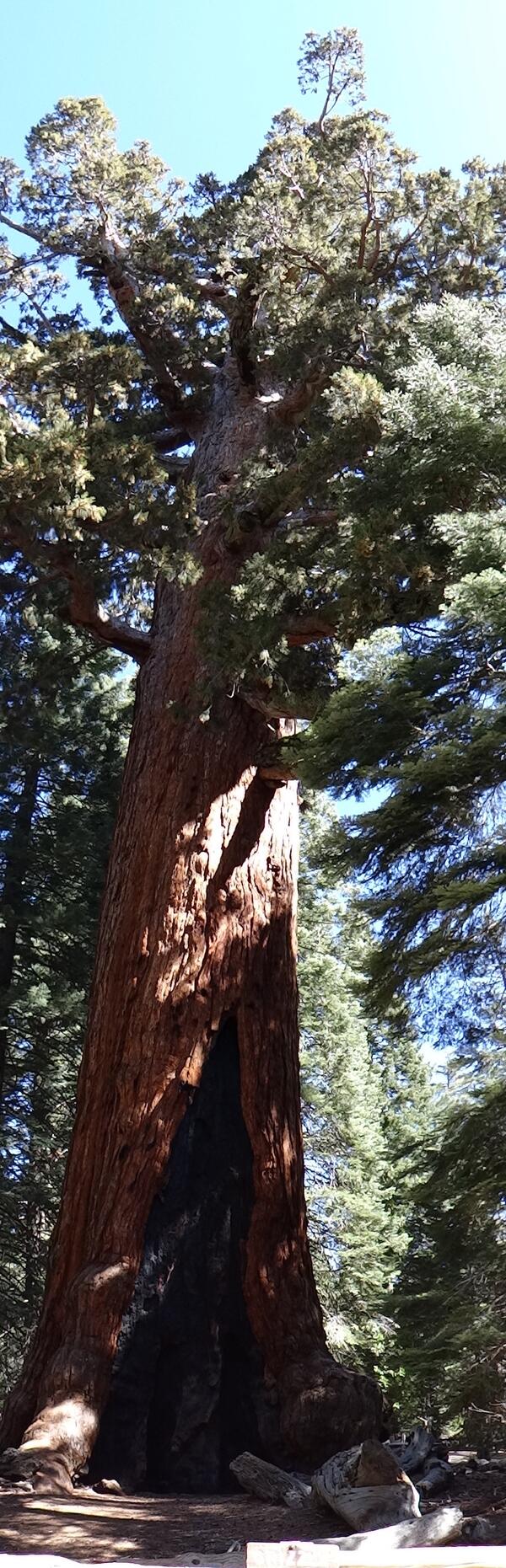
Grizzly Giant Tree
This giant sequoia is named the Grizzly Giant, the oldest sequoia tree in the Mariposa Grove of Big Trees, located within Yosemite National Park. It is believed to be between 1,900 and 2,400 years old.
This giant sequoia is named the Grizzly Giant, the oldest sequoia tree in the Mariposa Grove of Big Trees, located within Yosemite National Park. It is believed to be between 1,900 and 2,400 years old.
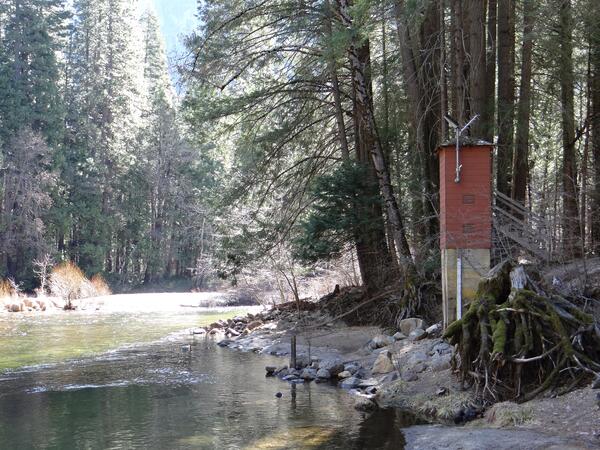
USGS Streamgage on Merced River at Pohono Bridge
The USGS streamgage on the Merced River located at Pohono Bridge within Yosemite National Park. It measures the daily discharge of water in cubic feet per second. Data from the streamgage may be accessed online.
The USGS streamgage on the Merced River located at Pohono Bridge within Yosemite National Park. It measures the daily discharge of water in cubic feet per second. Data from the streamgage may be accessed online.
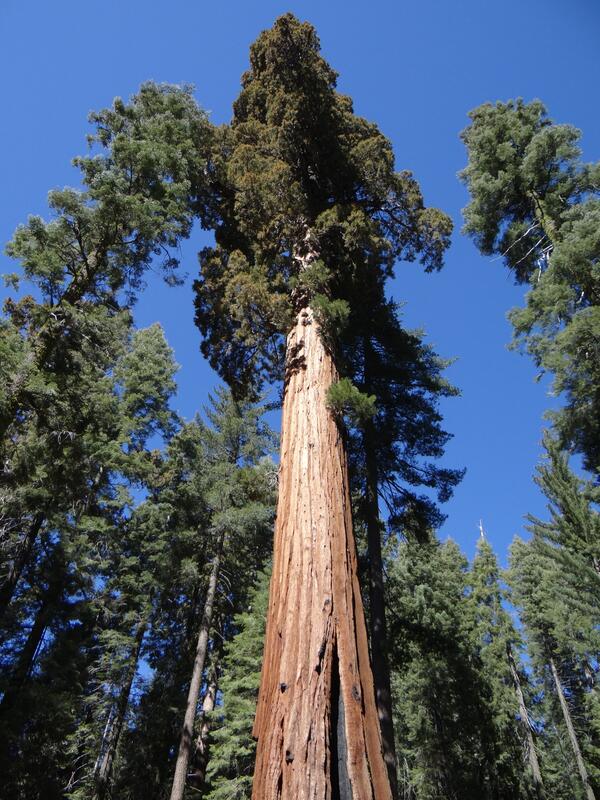
Giant Sequoia Tree
A giant sequoia tree within the Mariposa Grove of Big Trees in Yosemite National Park. Giant sequoias are the world's largest single trees by volume.
A giant sequoia tree within the Mariposa Grove of Big Trees in Yosemite National Park. Giant sequoias are the world's largest single trees by volume.
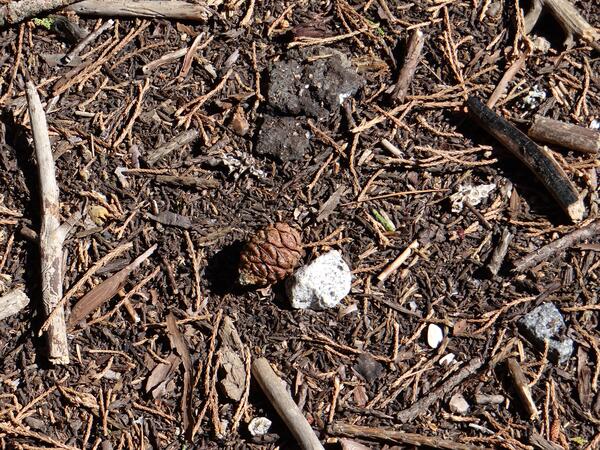
Giant Sequoia Pinecone
A pinecone of a giant sequoia rests on the forest floor. A large sequoia tree can have several thousand pinecones at a time. Although giant sequoia trees are among the largest trees in the world, their pinecones are comparatively small, usually only 2 inches or so.
A pinecone of a giant sequoia rests on the forest floor. A large sequoia tree can have several thousand pinecones at a time. Although giant sequoia trees are among the largest trees in the world, their pinecones are comparatively small, usually only 2 inches or so.
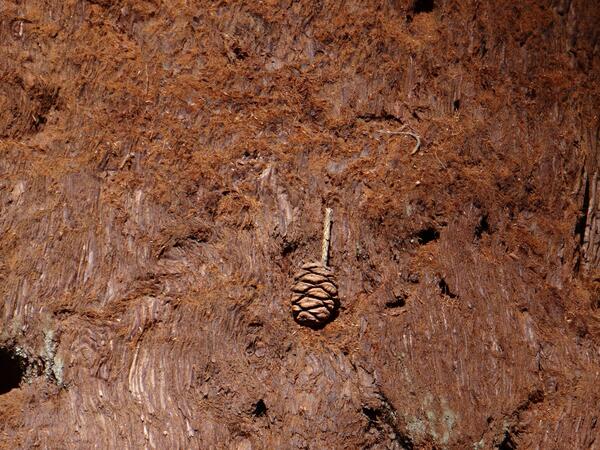
Giant Sequoia Pinecone
A single giant sequoia pinecone rests in the bark of its parent. A large sequoia tree can have several thousand pinecones at a time. Although giant sequoia trees are among the largest trees in the world, their pinecones are comparatively small, usually only 2 inches or so.
A single giant sequoia pinecone rests in the bark of its parent. A large sequoia tree can have several thousand pinecones at a time. Although giant sequoia trees are among the largest trees in the world, their pinecones are comparatively small, usually only 2 inches or so.
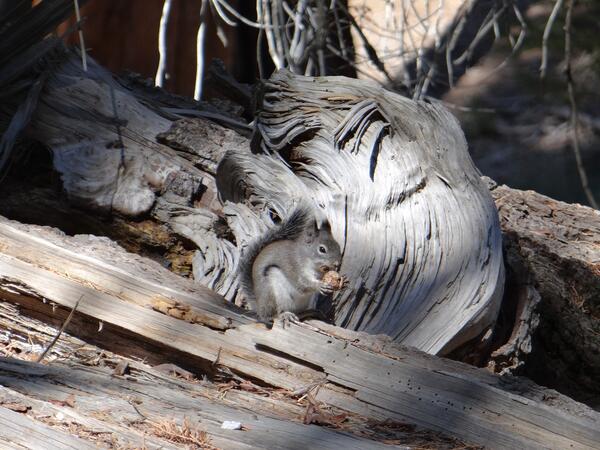
Western Gray Squirrel
A western gray squirrel chews on a giant sequoia pinecone. Squirrels are an important method of seed dispersal for giant sequoias. As they chew on the pinecone, seeds fall out and can take root.
A western gray squirrel chews on a giant sequoia pinecone. Squirrels are an important method of seed dispersal for giant sequoias. As they chew on the pinecone, seeds fall out and can take root.
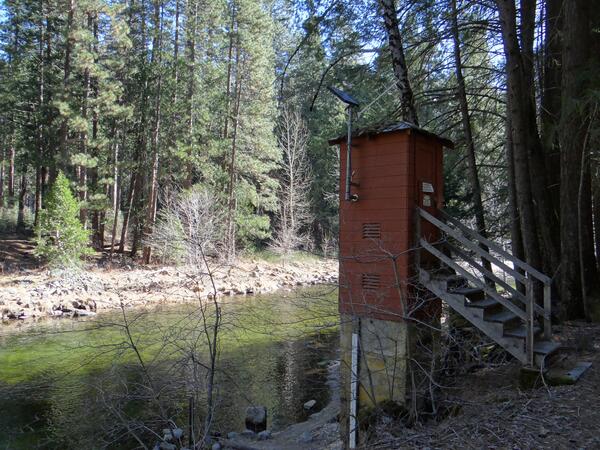
USGS Streamgage on Merced River at Pohono Bridge
The USGS streamgage on the Merced River located at Pohono Bridge within Yosemite National Park. It measures the daily discharge of water in cubic feet per second. Data from the streamgage may be accessed online.
The USGS streamgage on the Merced River located at Pohono Bridge within Yosemite National Park. It measures the daily discharge of water in cubic feet per second. Data from the streamgage may be accessed online.
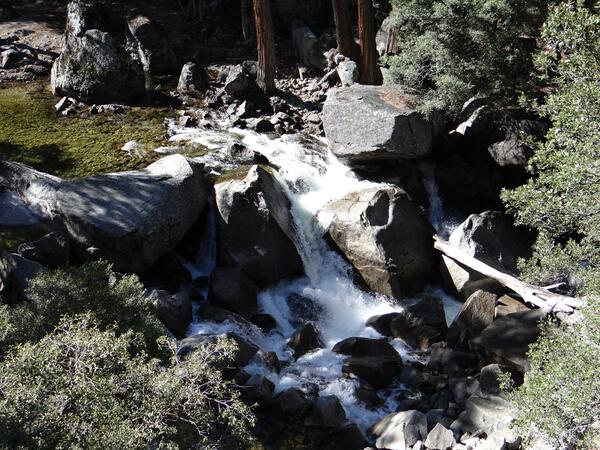
Merced River
In this image, the Merced River can be seen just upstream of Happy Isles and the USGS Benchmark Streamgage in Yosemite National Park. The Merced River is a 145 mile (233 km) long tributary of the San Joaquin River. It drains a large section of the Sierra Nevadas, including Yosemite Valley.
In this image, the Merced River can be seen just upstream of Happy Isles and the USGS Benchmark Streamgage in Yosemite National Park. The Merced River is a 145 mile (233 km) long tributary of the San Joaquin River. It drains a large section of the Sierra Nevadas, including Yosemite Valley.
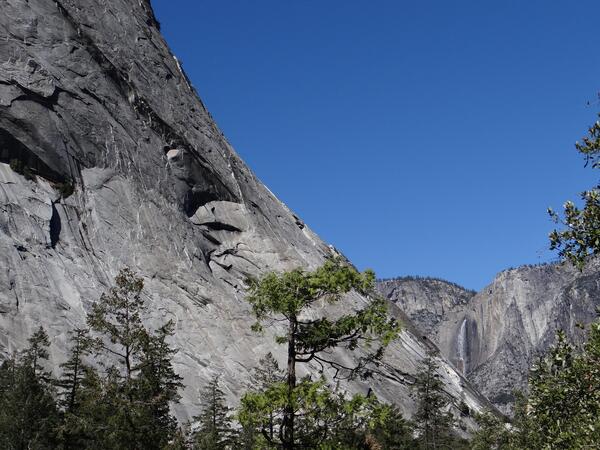
Yosemite Falls behind Illilouette Ridge
Uppder Yosemite Falls is visible on the right side of this image, taken behind Illilouette Ridge. Upper Yosemite Falls is 1,430 ft (440 m) tall. It is one of the most famous waterfalls in Yosemite National Park.
Uppder Yosemite Falls is visible on the right side of this image, taken behind Illilouette Ridge. Upper Yosemite Falls is 1,430 ft (440 m) tall. It is one of the most famous waterfalls in Yosemite National Park.
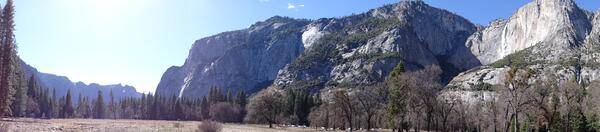
Panorama of Yosemite Valley Floor
In this panorama image of Yosemite Valley Floor, the east side of El Capitan may be seen prominently. El Capitan is a granite monolith, rising about 3,000 ft (900 m) from the valley floor. It is part of the Sierra Nevada batholith and one of the most famous landmarks of Yosemite National Park.
In this panorama image of Yosemite Valley Floor, the east side of El Capitan may be seen prominently. El Capitan is a granite monolith, rising about 3,000 ft (900 m) from the valley floor. It is part of the Sierra Nevada batholith and one of the most famous landmarks of Yosemite National Park.
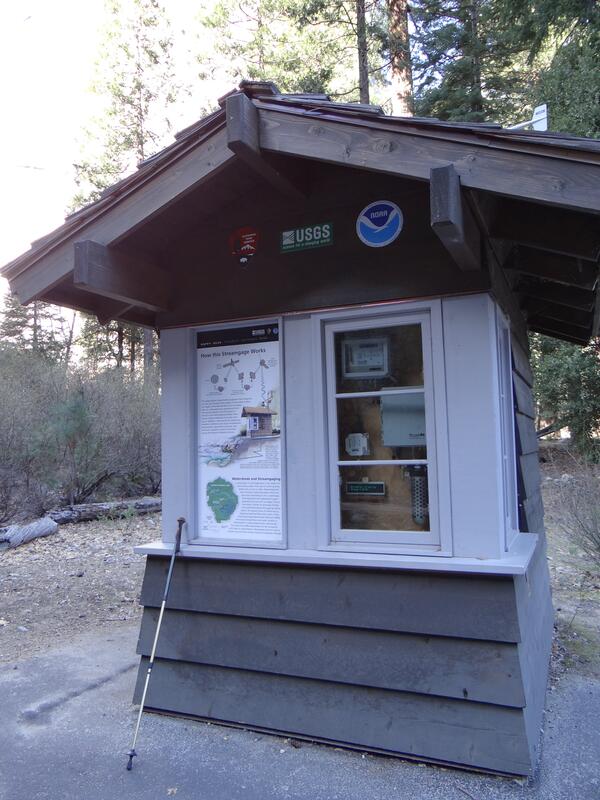
USGS Yosemite Benchmark Streamgage
In this image, the USGS Hydrologic Benchmark Streamgage on the Merced River in Yosemite Valley can be seen. Hydrologic Benchmark streamgages are those at which no human development exists upstream of the streamgage. This streamgage is a cooperation between the National Park Service, National Oceanic and Atmospheric Administration and USGS.
In this image, the USGS Hydrologic Benchmark Streamgage on the Merced River in Yosemite Valley can be seen. Hydrologic Benchmark streamgages are those at which no human development exists upstream of the streamgage. This streamgage is a cooperation between the National Park Service, National Oceanic and Atmospheric Administration and USGS.
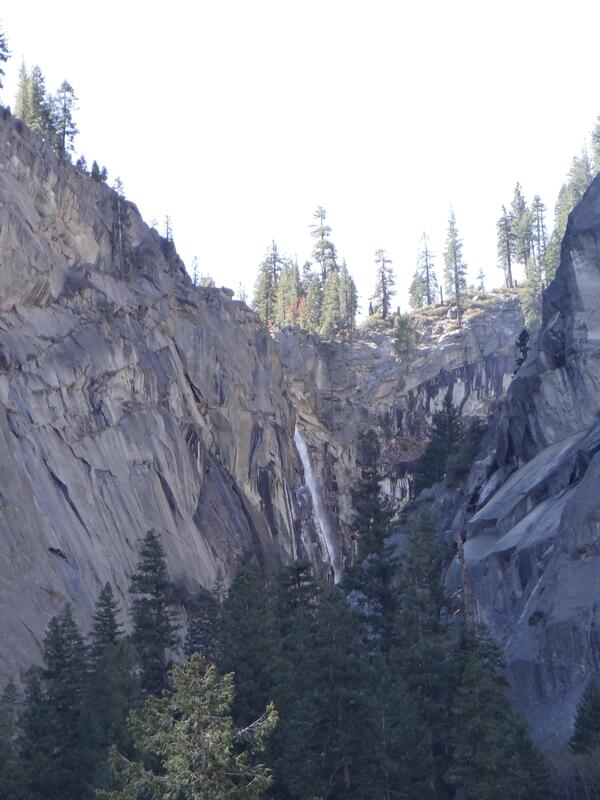
Illilouette Falls Detail
In this image, Illilouettea Falls, a tributary of the Merced River can be seen just upstream of Happy Isles and the USGS Benchmark Streamgage in Yosemite National Park. The Merced River is a 145 mile (233 km) long tributary of the San Joaquin River. It drains a large section of the Sierra Nevadas, including Yosemite Valley.
In this image, Illilouettea Falls, a tributary of the Merced River can be seen just upstream of Happy Isles and the USGS Benchmark Streamgage in Yosemite National Park. The Merced River is a 145 mile (233 km) long tributary of the San Joaquin River. It drains a large section of the Sierra Nevadas, including Yosemite Valley.
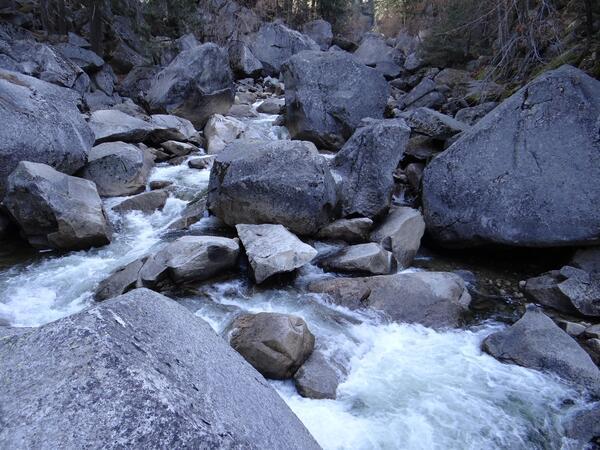
Merced River
In this image, the Merced River can be seen just upstream of Happy Isles and the USGS Benchmark Streamgage in Yosemite National Park. The Merced River is a 145 mile (233 km) long tributary of the San Joaquin River. It drains a large section of the Sierra Nevadas, including Yosemite Valley.
In this image, the Merced River can be seen just upstream of Happy Isles and the USGS Benchmark Streamgage in Yosemite National Park. The Merced River is a 145 mile (233 km) long tributary of the San Joaquin River. It drains a large section of the Sierra Nevadas, including Yosemite Valley.
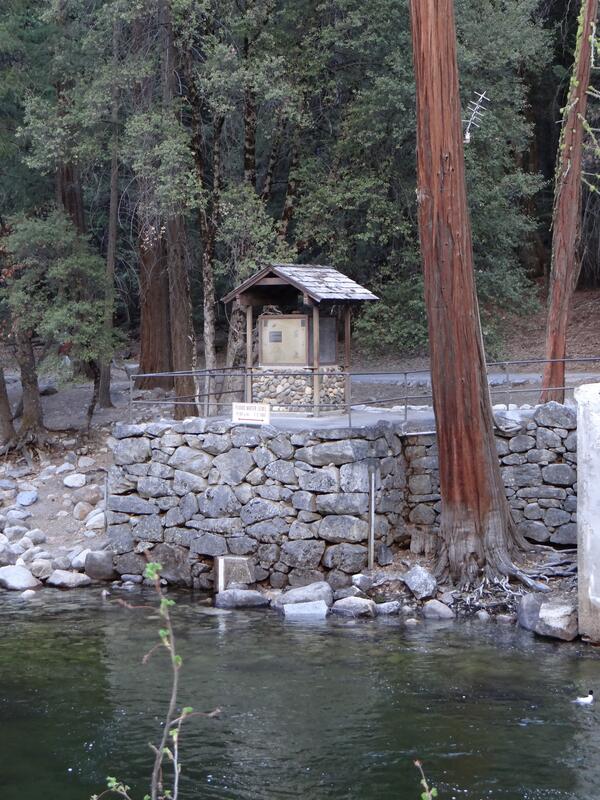
Former Yosemite Hydrologic Benchmark Streamgage
In this image, the former USGS Hydrologic Benchmark Streamgage on the Merced River in Yosemite Valley can be seen. Hydrologic Benchmark streamgages are those at which no human development exists upstream of the streamgage.
In this image, the former USGS Hydrologic Benchmark Streamgage on the Merced River in Yosemite Valley can be seen. Hydrologic Benchmark streamgages are those at which no human development exists upstream of the streamgage.
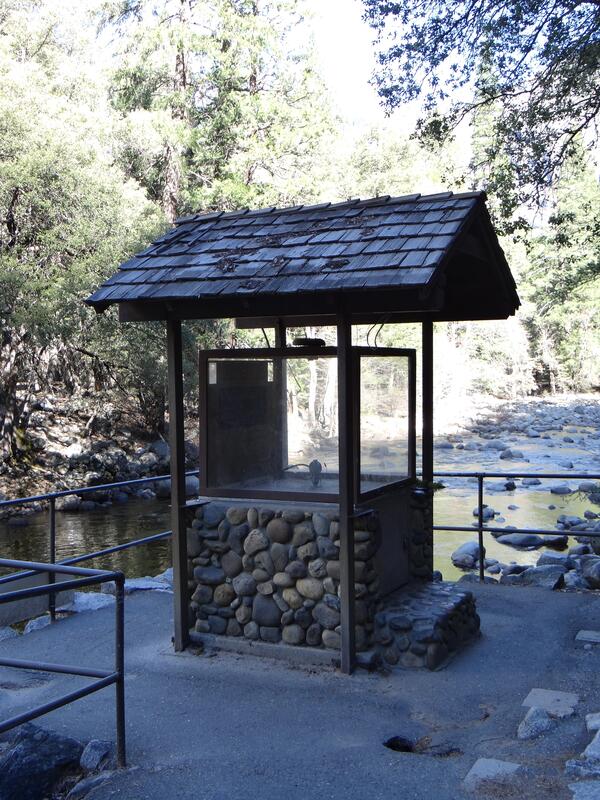
Former Yosemite Hydrologic Benchmark Streamgage
In this image, the former USGS Hydrologic Benchmark Streamgage on the Merced River in Yosemite Valley can be seen. Hydrologic Benchmark streamgages are those at which no human development exists upstream of the streamgage.
In this image, the former USGS Hydrologic Benchmark Streamgage on the Merced River in Yosemite Valley can be seen. Hydrologic Benchmark streamgages are those at which no human development exists upstream of the streamgage.
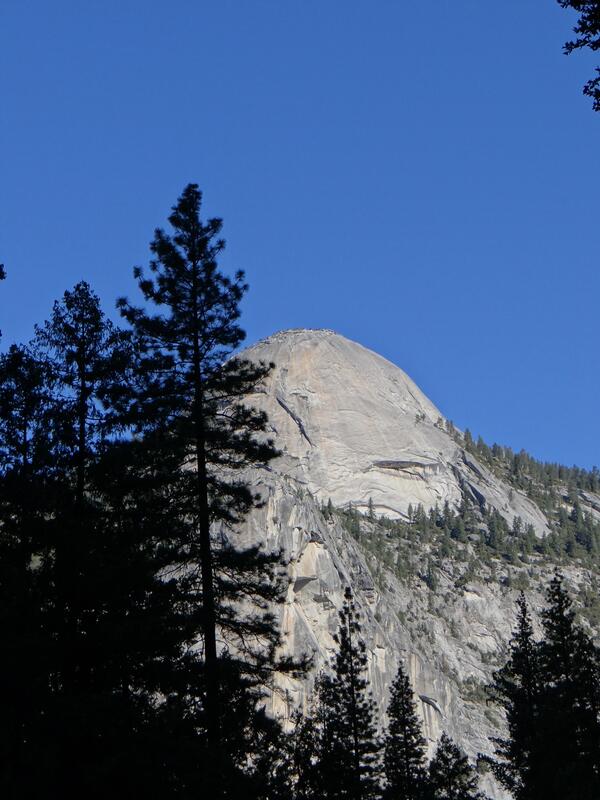
Basket Dome
In this image, Basket Dome can be seen. Basket Dome is a granite dome in Yosemite Valley within Yosemite National Park, located opposite Half Dome and adjacent to North Dome. It is part of the Sierra Nevada batholith.
In this image, Basket Dome can be seen. Basket Dome is a granite dome in Yosemite Valley within Yosemite National Park, located opposite Half Dome and adjacent to North Dome. It is part of the Sierra Nevada batholith.

Yosemite Falls and Half Dome Panorama
In this panorama, Yosemite Falls may be seen on the left and Half Dome on the right. Yosemite Falls is the tallest known waterfall in North America, with a total plunge of 2,425 ft (739 m). Half Dome is a granite dome, part of the Sierra Nevada batholith.
In this panorama, Yosemite Falls may be seen on the left and Half Dome on the right. Yosemite Falls is the tallest known waterfall in North America, with a total plunge of 2,425 ft (739 m). Half Dome is a granite dome, part of the Sierra Nevada batholith.

Yosemite Valley, California is an example of a U shaped glacial valley
Yosemite Valley, California is an example of a U shaped glacial valleyYosemite Valley California: A classic U-shaped glacial valley
Yosemite Valley from the Yosemite Falls trail. Yosemite Valley is a glacial valley in the Sierra Nevada mountains and the focal point of Yosemite National Park. The Valley is drained by the Merced River.
Yosemite Valley, California is an example of a U shaped glacial valley
Yosemite Valley, California is an example of a U shaped glacial valleyYosemite Valley California: A classic U-shaped glacial valley
Yosemite Valley from the Yosemite Falls trail. Yosemite Valley is a glacial valley in the Sierra Nevada mountains and the focal point of Yosemite National Park. The Valley is drained by the Merced River.
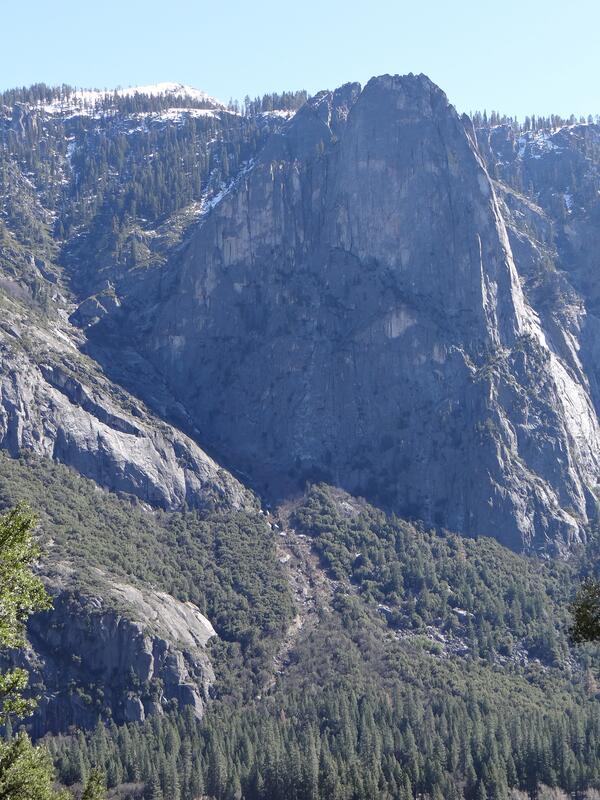
Landslide below Moran Point
In this image, a landslide may be seen below Moran Point in Yosemite Valley. The broken rock fragments are often referred to as talus deposits or scree.
In this image, a landslide may be seen below Moran Point in Yosemite Valley. The broken rock fragments are often referred to as talus deposits or scree.
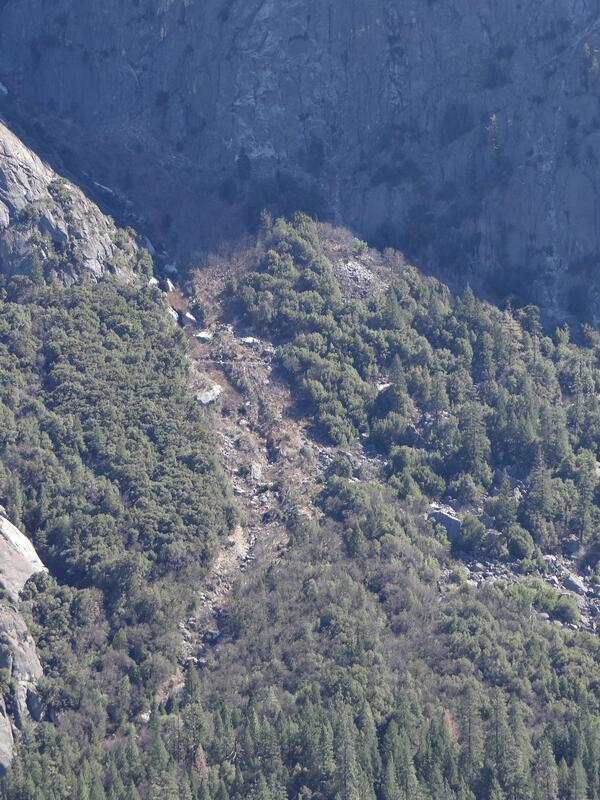
Landslide Detail below Moran Point
In this image, a landslide may be seen in detail below Moran Point in Yosemite Valley. The broken rock fragments are often referred to as talus deposits or scree.
In this image, a landslide may be seen in detail below Moran Point in Yosemite Valley. The broken rock fragments are often referred to as talus deposits or scree.
Science and Products
Filter Total Items: 845
Fire Damage in Yosemite National Park
The sequoia forests of Yosemite National Park rely on a fire ecology-based ecosystem. Periodic forest fires clear out underbrush and shade-tolerant trees like white fir trees, allowing sequoia seedlings to reach adulthood.
The sequoia forests of Yosemite National Park rely on a fire ecology-based ecosystem. Periodic forest fires clear out underbrush and shade-tolerant trees like white fir trees, allowing sequoia seedlings to reach adulthood.
Grizzly Giant Tree
This giant sequoia is named the Grizzly Giant, the oldest sequoia tree in the Mariposa Grove of Big Trees, located within Yosemite National Park. It is believed to be between 1,900 and 2,400 years old.
This giant sequoia is named the Grizzly Giant, the oldest sequoia tree in the Mariposa Grove of Big Trees, located within Yosemite National Park. It is believed to be between 1,900 and 2,400 years old.
USGS Streamgage on Merced River at Pohono Bridge
The USGS streamgage on the Merced River located at Pohono Bridge within Yosemite National Park. It measures the daily discharge of water in cubic feet per second. Data from the streamgage may be accessed online.
The USGS streamgage on the Merced River located at Pohono Bridge within Yosemite National Park. It measures the daily discharge of water in cubic feet per second. Data from the streamgage may be accessed online.
Giant Sequoia Tree
A giant sequoia tree within the Mariposa Grove of Big Trees in Yosemite National Park. Giant sequoias are the world's largest single trees by volume.
A giant sequoia tree within the Mariposa Grove of Big Trees in Yosemite National Park. Giant sequoias are the world's largest single trees by volume.
Giant Sequoia Pinecone
A pinecone of a giant sequoia rests on the forest floor. A large sequoia tree can have several thousand pinecones at a time. Although giant sequoia trees are among the largest trees in the world, their pinecones are comparatively small, usually only 2 inches or so.
A pinecone of a giant sequoia rests on the forest floor. A large sequoia tree can have several thousand pinecones at a time. Although giant sequoia trees are among the largest trees in the world, their pinecones are comparatively small, usually only 2 inches or so.
Giant Sequoia Pinecone
A single giant sequoia pinecone rests in the bark of its parent. A large sequoia tree can have several thousand pinecones at a time. Although giant sequoia trees are among the largest trees in the world, their pinecones are comparatively small, usually only 2 inches or so.
A single giant sequoia pinecone rests in the bark of its parent. A large sequoia tree can have several thousand pinecones at a time. Although giant sequoia trees are among the largest trees in the world, their pinecones are comparatively small, usually only 2 inches or so.
Western Gray Squirrel
A western gray squirrel chews on a giant sequoia pinecone. Squirrels are an important method of seed dispersal for giant sequoias. As they chew on the pinecone, seeds fall out and can take root.
A western gray squirrel chews on a giant sequoia pinecone. Squirrels are an important method of seed dispersal for giant sequoias. As they chew on the pinecone, seeds fall out and can take root.
USGS Streamgage on Merced River at Pohono Bridge
The USGS streamgage on the Merced River located at Pohono Bridge within Yosemite National Park. It measures the daily discharge of water in cubic feet per second. Data from the streamgage may be accessed online.
The USGS streamgage on the Merced River located at Pohono Bridge within Yosemite National Park. It measures the daily discharge of water in cubic feet per second. Data from the streamgage may be accessed online.
Merced River
In this image, the Merced River can be seen just upstream of Happy Isles and the USGS Benchmark Streamgage in Yosemite National Park. The Merced River is a 145 mile (233 km) long tributary of the San Joaquin River. It drains a large section of the Sierra Nevadas, including Yosemite Valley.
In this image, the Merced River can be seen just upstream of Happy Isles and the USGS Benchmark Streamgage in Yosemite National Park. The Merced River is a 145 mile (233 km) long tributary of the San Joaquin River. It drains a large section of the Sierra Nevadas, including Yosemite Valley.
Yosemite Falls behind Illilouette Ridge
Uppder Yosemite Falls is visible on the right side of this image, taken behind Illilouette Ridge. Upper Yosemite Falls is 1,430 ft (440 m) tall. It is one of the most famous waterfalls in Yosemite National Park.
Uppder Yosemite Falls is visible on the right side of this image, taken behind Illilouette Ridge. Upper Yosemite Falls is 1,430 ft (440 m) tall. It is one of the most famous waterfalls in Yosemite National Park.
Panorama of Yosemite Valley Floor
In this panorama image of Yosemite Valley Floor, the east side of El Capitan may be seen prominently. El Capitan is a granite monolith, rising about 3,000 ft (900 m) from the valley floor. It is part of the Sierra Nevada batholith and one of the most famous landmarks of Yosemite National Park.
In this panorama image of Yosemite Valley Floor, the east side of El Capitan may be seen prominently. El Capitan is a granite monolith, rising about 3,000 ft (900 m) from the valley floor. It is part of the Sierra Nevada batholith and one of the most famous landmarks of Yosemite National Park.
USGS Yosemite Benchmark Streamgage
In this image, the USGS Hydrologic Benchmark Streamgage on the Merced River in Yosemite Valley can be seen. Hydrologic Benchmark streamgages are those at which no human development exists upstream of the streamgage. This streamgage is a cooperation between the National Park Service, National Oceanic and Atmospheric Administration and USGS.
In this image, the USGS Hydrologic Benchmark Streamgage on the Merced River in Yosemite Valley can be seen. Hydrologic Benchmark streamgages are those at which no human development exists upstream of the streamgage. This streamgage is a cooperation between the National Park Service, National Oceanic and Atmospheric Administration and USGS.
Illilouette Falls Detail
In this image, Illilouettea Falls, a tributary of the Merced River can be seen just upstream of Happy Isles and the USGS Benchmark Streamgage in Yosemite National Park. The Merced River is a 145 mile (233 km) long tributary of the San Joaquin River. It drains a large section of the Sierra Nevadas, including Yosemite Valley.
In this image, Illilouettea Falls, a tributary of the Merced River can be seen just upstream of Happy Isles and the USGS Benchmark Streamgage in Yosemite National Park. The Merced River is a 145 mile (233 km) long tributary of the San Joaquin River. It drains a large section of the Sierra Nevadas, including Yosemite Valley.
Merced River
In this image, the Merced River can be seen just upstream of Happy Isles and the USGS Benchmark Streamgage in Yosemite National Park. The Merced River is a 145 mile (233 km) long tributary of the San Joaquin River. It drains a large section of the Sierra Nevadas, including Yosemite Valley.
In this image, the Merced River can be seen just upstream of Happy Isles and the USGS Benchmark Streamgage in Yosemite National Park. The Merced River is a 145 mile (233 km) long tributary of the San Joaquin River. It drains a large section of the Sierra Nevadas, including Yosemite Valley.
Former Yosemite Hydrologic Benchmark Streamgage
In this image, the former USGS Hydrologic Benchmark Streamgage on the Merced River in Yosemite Valley can be seen. Hydrologic Benchmark streamgages are those at which no human development exists upstream of the streamgage.
In this image, the former USGS Hydrologic Benchmark Streamgage on the Merced River in Yosemite Valley can be seen. Hydrologic Benchmark streamgages are those at which no human development exists upstream of the streamgage.
Former Yosemite Hydrologic Benchmark Streamgage
In this image, the former USGS Hydrologic Benchmark Streamgage on the Merced River in Yosemite Valley can be seen. Hydrologic Benchmark streamgages are those at which no human development exists upstream of the streamgage.
In this image, the former USGS Hydrologic Benchmark Streamgage on the Merced River in Yosemite Valley can be seen. Hydrologic Benchmark streamgages are those at which no human development exists upstream of the streamgage.
Basket Dome
In this image, Basket Dome can be seen. Basket Dome is a granite dome in Yosemite Valley within Yosemite National Park, located opposite Half Dome and adjacent to North Dome. It is part of the Sierra Nevada batholith.
In this image, Basket Dome can be seen. Basket Dome is a granite dome in Yosemite Valley within Yosemite National Park, located opposite Half Dome and adjacent to North Dome. It is part of the Sierra Nevada batholith.
Yosemite Falls and Half Dome Panorama
In this panorama, Yosemite Falls may be seen on the left and Half Dome on the right. Yosemite Falls is the tallest known waterfall in North America, with a total plunge of 2,425 ft (739 m). Half Dome is a granite dome, part of the Sierra Nevada batholith.
In this panorama, Yosemite Falls may be seen on the left and Half Dome on the right. Yosemite Falls is the tallest known waterfall in North America, with a total plunge of 2,425 ft (739 m). Half Dome is a granite dome, part of the Sierra Nevada batholith.
Yosemite Valley, California is an example of a U shaped glacial valley
Yosemite Valley, California is an example of a U shaped glacial valleyYosemite Valley California: A classic U-shaped glacial valley
Yosemite Valley from the Yosemite Falls trail. Yosemite Valley is a glacial valley in the Sierra Nevada mountains and the focal point of Yosemite National Park. The Valley is drained by the Merced River.
Yosemite Valley, California is an example of a U shaped glacial valley
Yosemite Valley, California is an example of a U shaped glacial valleyYosemite Valley California: A classic U-shaped glacial valley
Yosemite Valley from the Yosemite Falls trail. Yosemite Valley is a glacial valley in the Sierra Nevada mountains and the focal point of Yosemite National Park. The Valley is drained by the Merced River.
Landslide below Moran Point
In this image, a landslide may be seen below Moran Point in Yosemite Valley. The broken rock fragments are often referred to as talus deposits or scree.
In this image, a landslide may be seen below Moran Point in Yosemite Valley. The broken rock fragments are often referred to as talus deposits or scree.
Landslide Detail below Moran Point
In this image, a landslide may be seen in detail below Moran Point in Yosemite Valley. The broken rock fragments are often referred to as talus deposits or scree.
In this image, a landslide may be seen in detail below Moran Point in Yosemite Valley. The broken rock fragments are often referred to as talus deposits or scree.