



Predicting Harmful Algal Booms and Toxicity in the San Francisco Estuary
In fall 2023, National Oceanic and Atmospheric Administration (NOAA) awarded a five‑year, $3 million Monitoring and Event Response Research Program (MERHAB) grant to improve Harmful Algal Bloom (HAB) detection in the San Francisco Estuary.
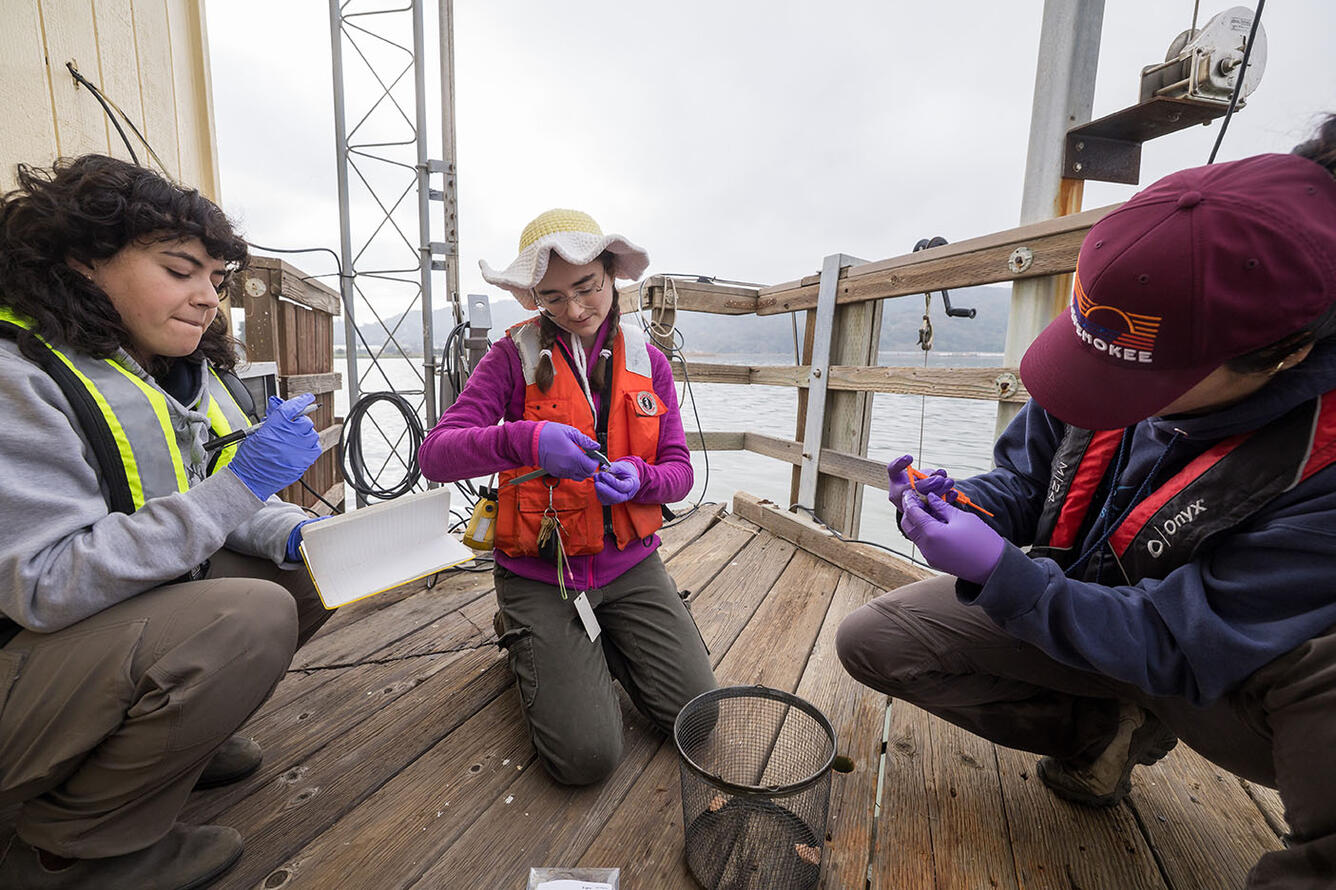
Scientists at the USGS California Water Science Center (CAWSC) are some of the lead principal investigators on this project. One of the tasks led by the CAWSC is studying HAB transport between freshwater and saltwater regions of the estuary, which includes sampling toxins and HAB cells through methods such as shellfish testing.
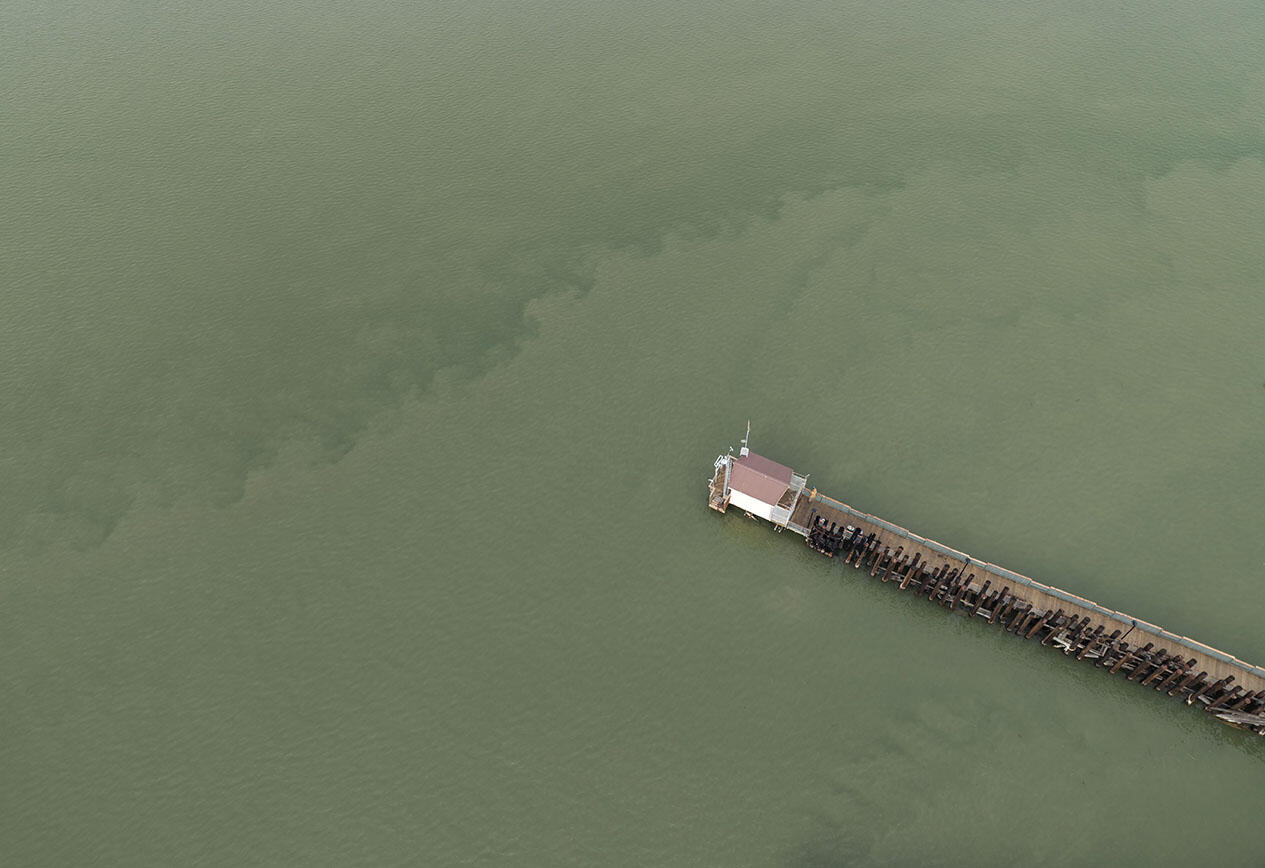
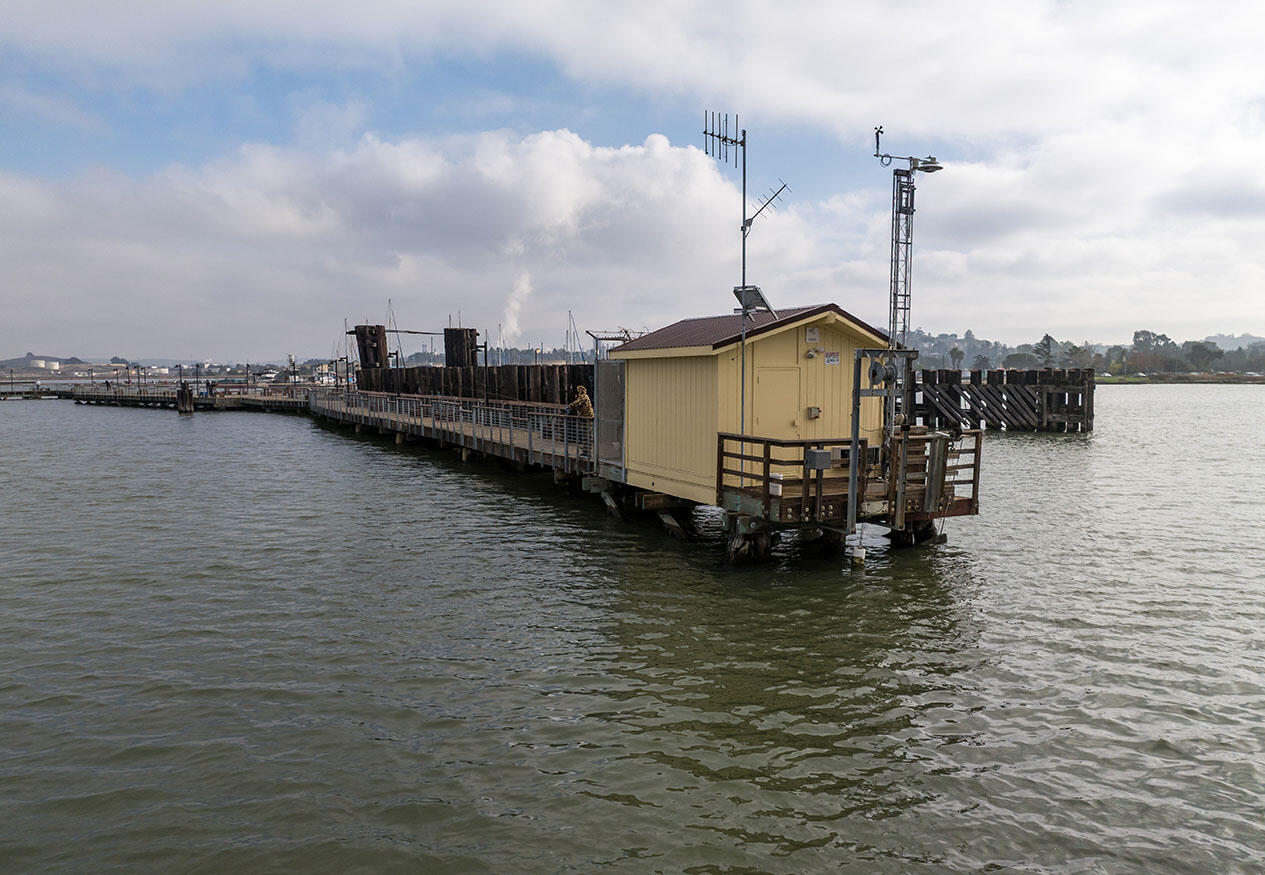
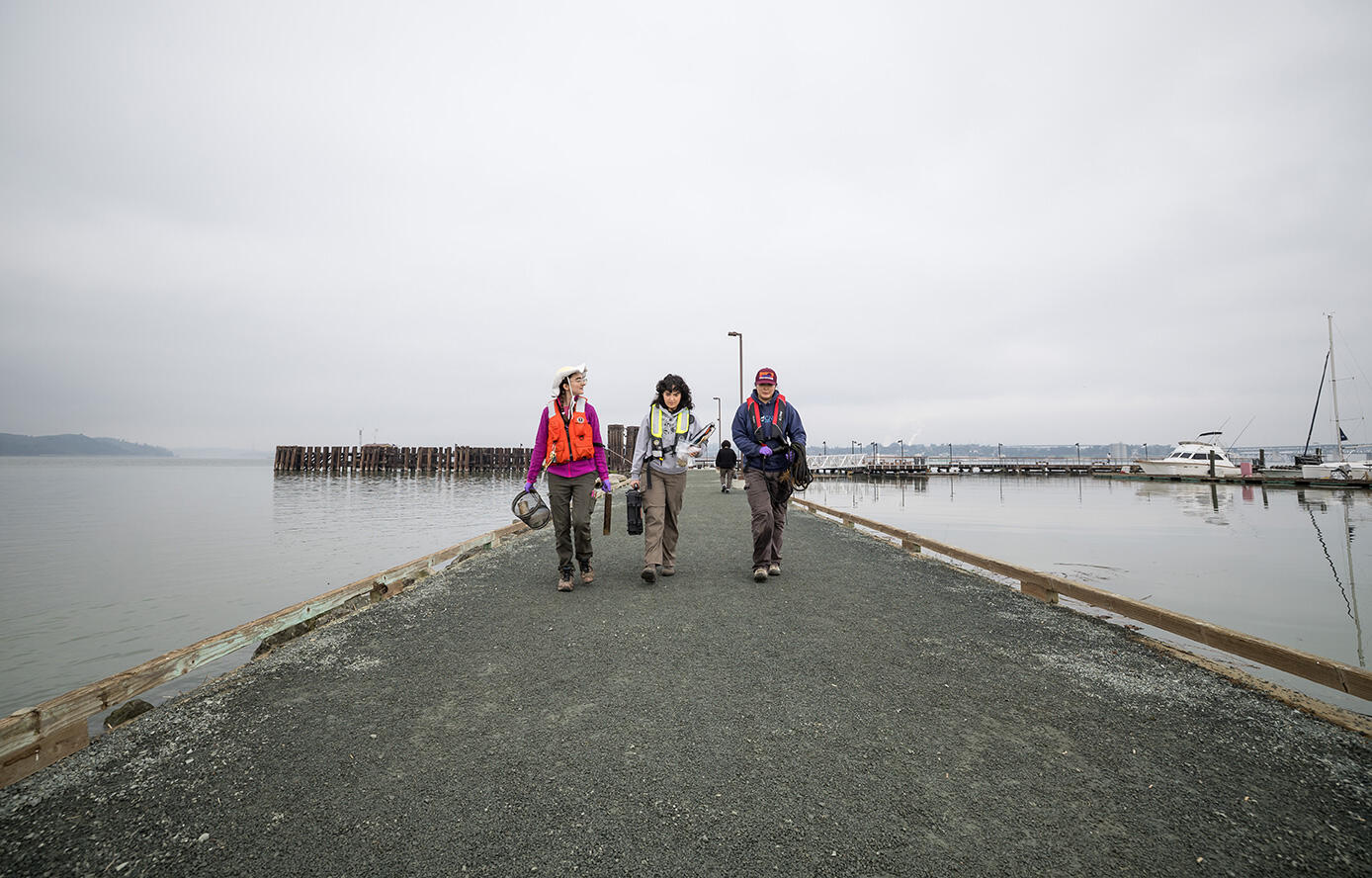
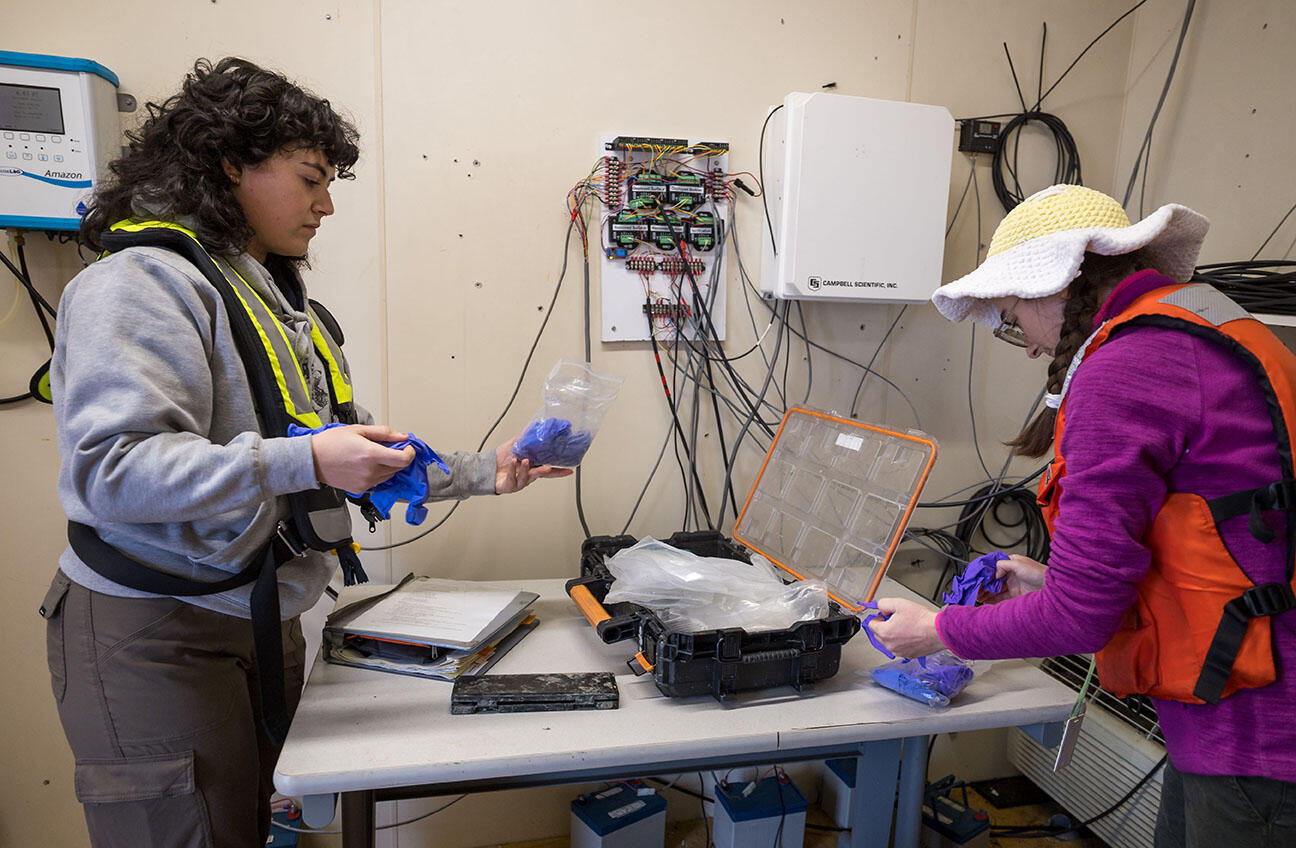
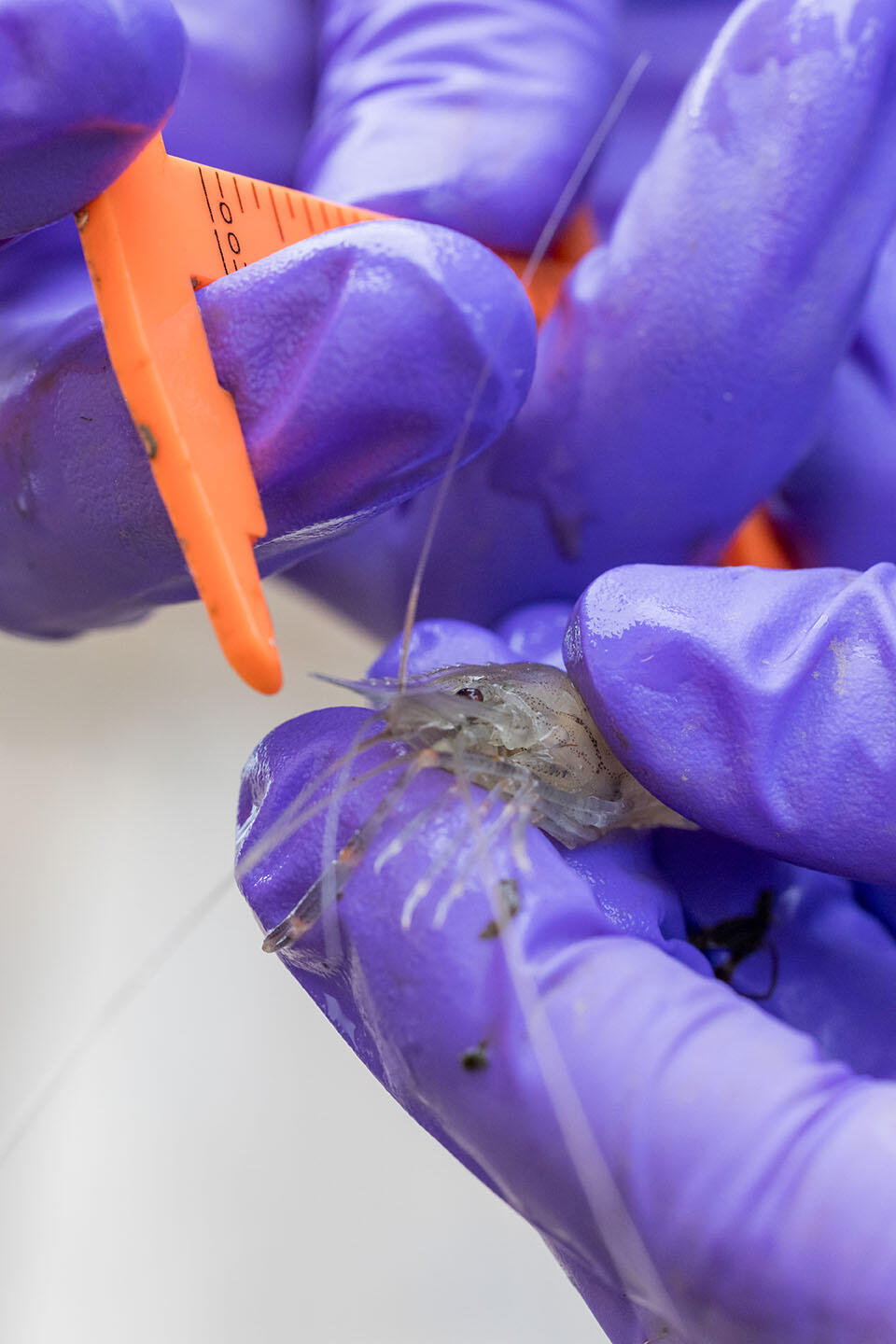
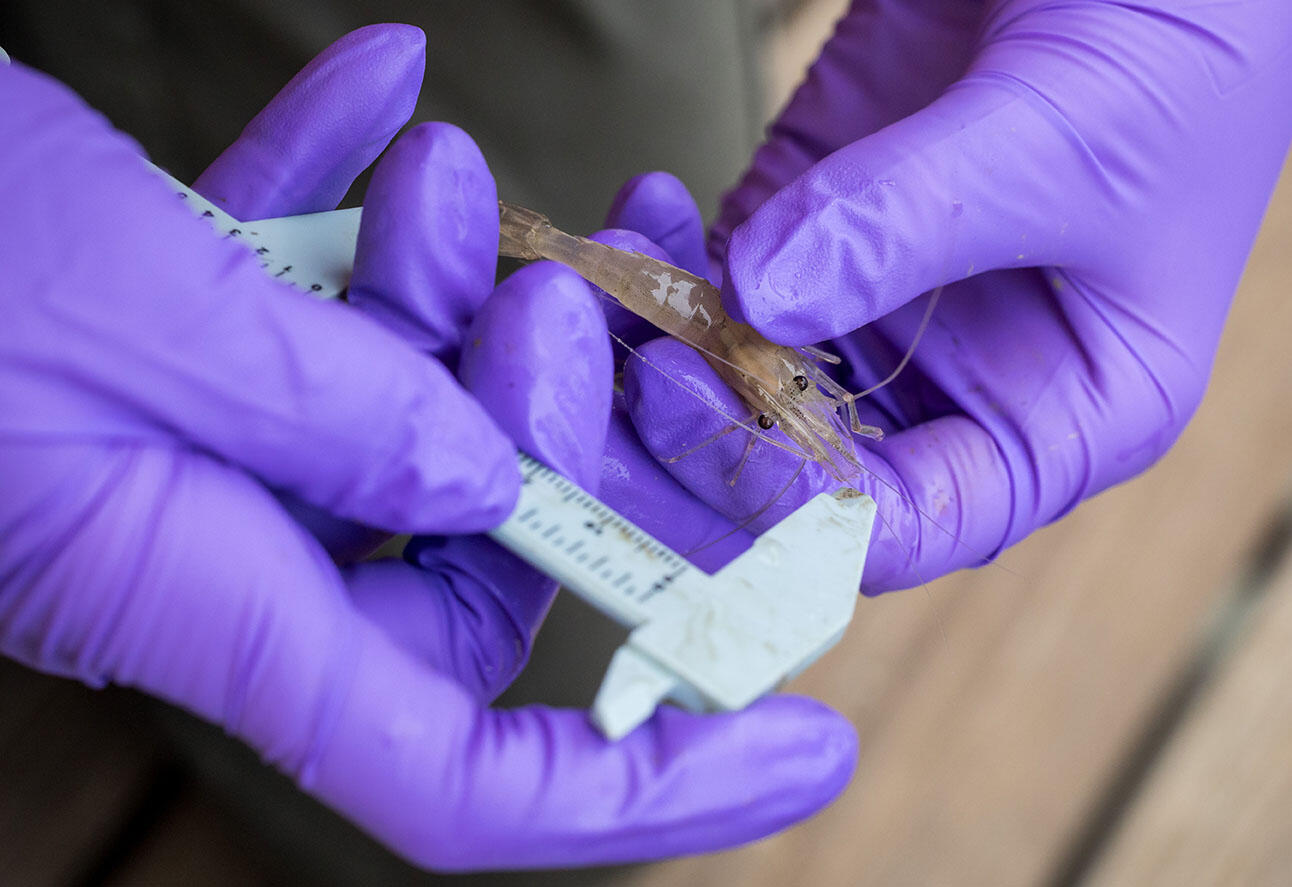
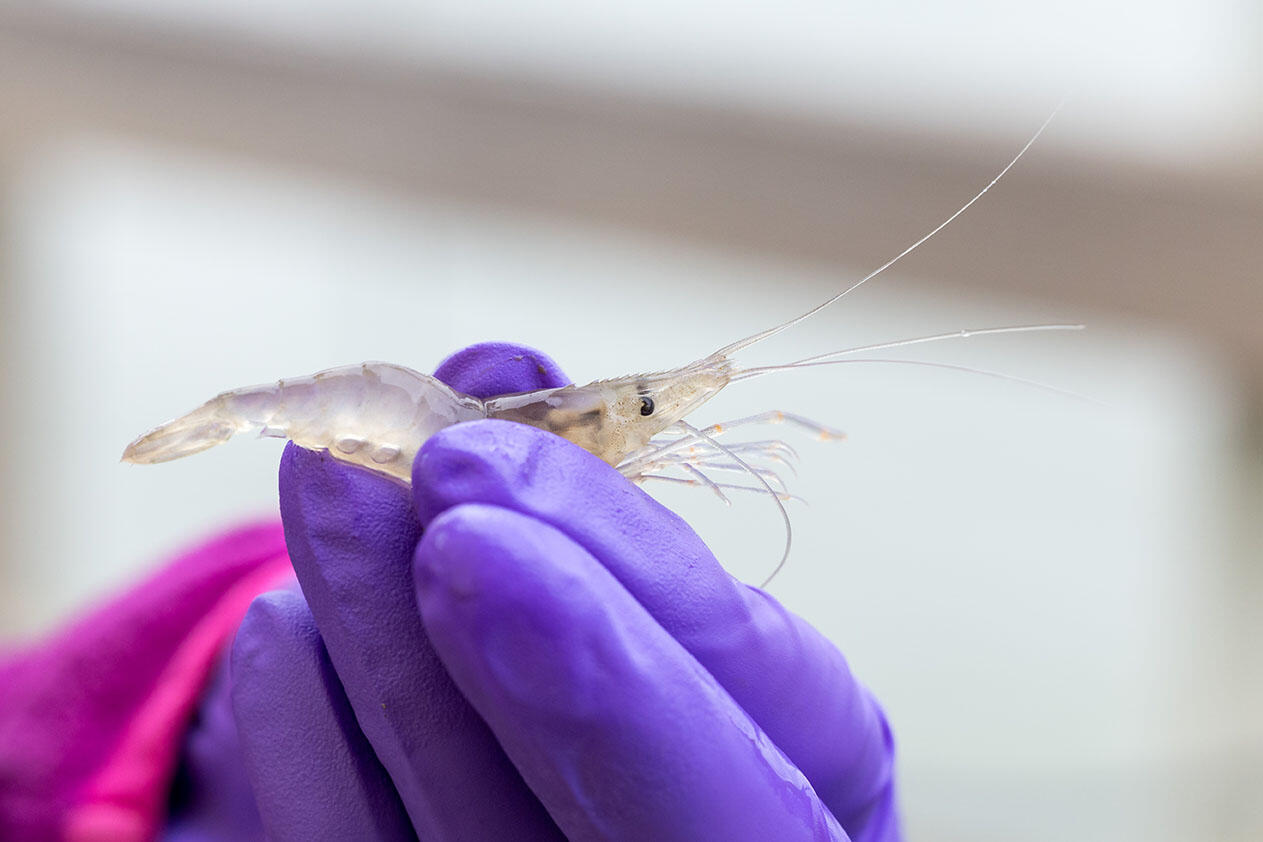
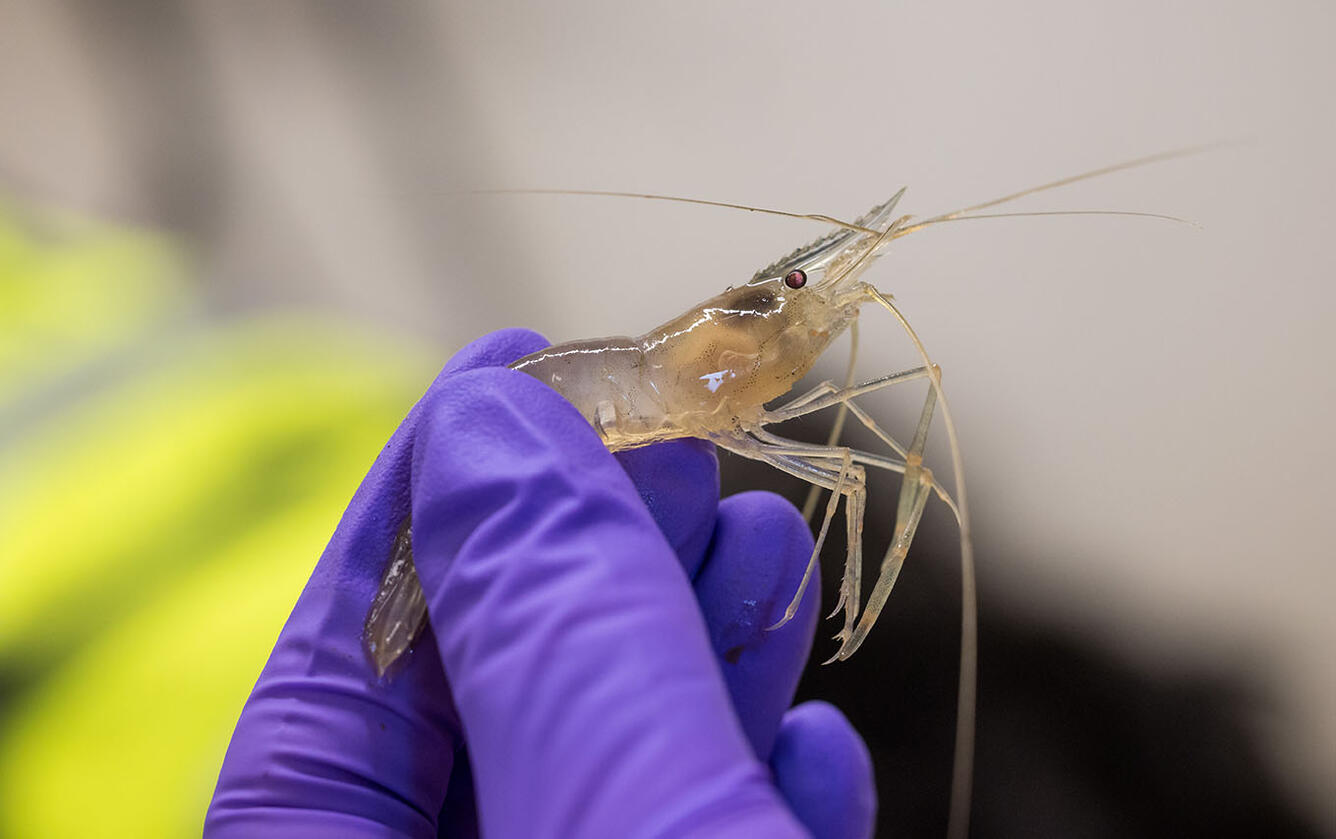
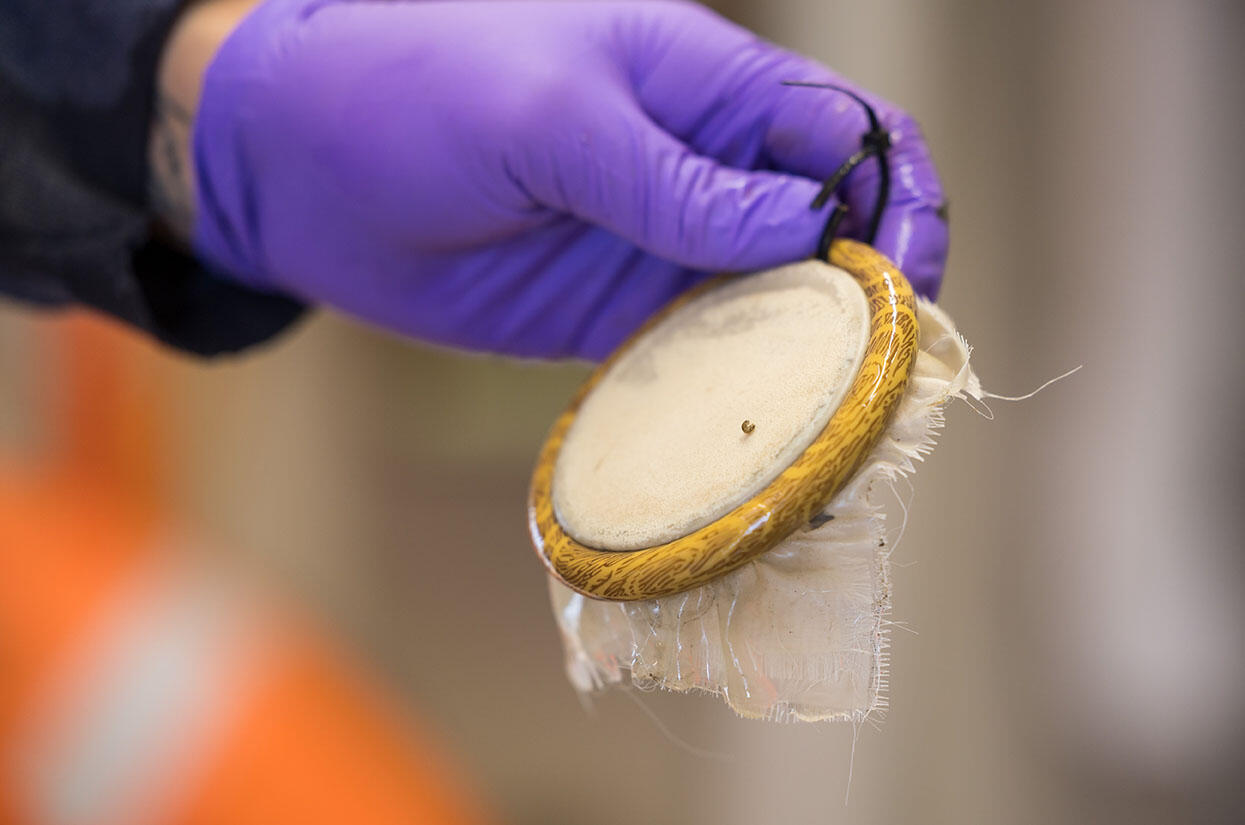
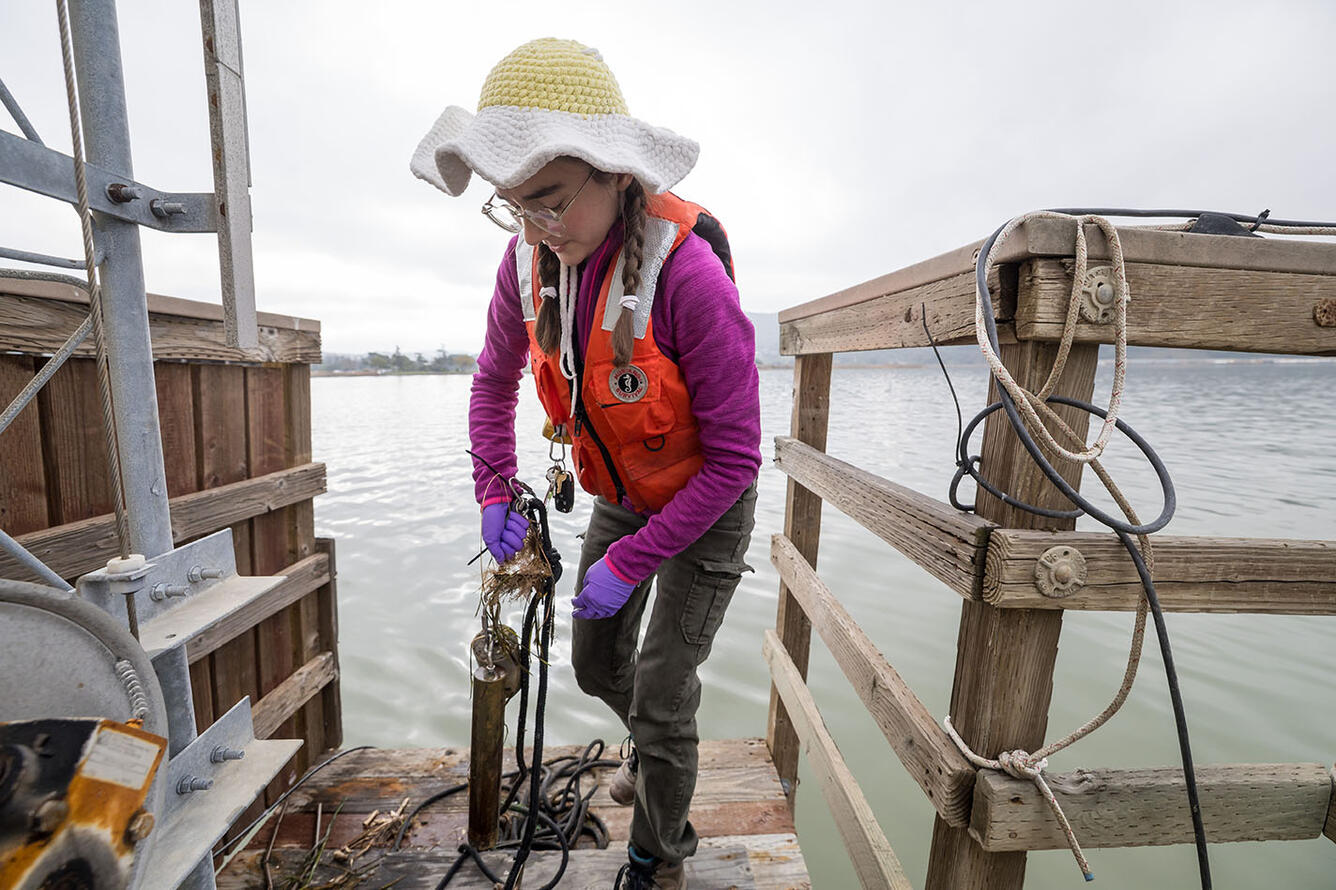
On December 18, 2025, CAWSC’s Amelia Ayers and Zoë Siman‑Tov, along with a Restore the Delta intern Lexi Yokomizo, visited Martinez Harbor to sample the invasive shrimp species Palaemon macrodactylus for HAB‑related toxins. Here are some photos from the day.
Other aspects of the project include:
- Enhancing existing monitoring data sources with new technologies and tools, including remote sensing, continuous water quality sensors, molecular DNA-based methods, and community science monitoring
- Building an online HAB dashboard to provide managers with a decision-support-tool for HAB mitigation
- Convening a Management Transition Advisory Group (MaTag) composed of managers, regulators, and NGO stakeholders to develop a coordinated HAB strategy across the San Francisco Estuary and to identify how tools developed in the project can be transitioned into routine use by regionally funded water quality monitoring programs.
The project’s overall aim is to enhance real-time monitoring, remote sensing, and molecular techniques to identify and predict HAB occurrences and their toxins. These will strengthen understanding of HAB drivers and ecology in the San Francisco Estuary and equip local managers with the necessary information to respond to HABs and guide future management decisions to support San Francisco Estuary’s future resilience.
For further reading, see article: DWR Partners with Agencies to Untangle Mystery of California's Harmful Algal Blooms.