



Peat and Sediment Processing Laboratory
The Peat and Sediment Processing Lab analyzes the physical, biological, and geochemical characteristicsof peat and sediment samples collected from lake, wetland, and peat cores as proxies for past changes on timescales of decades to millennia.
Analyses in our Lab:
Loss-on-Ignition (LOI) analysis: Organic matter content in a sediment sample can be determined by measuring the mass of inorganic material remaining after the sample is combusted in a furnace. Similarly, high-temperature LOI can determine the content of inorganic carbon (carbonate) in a sample. LOI is performed on volumetric wet samples in order to measure the bulk density of a sample.
Macrofossil analysis: Plant macrofossils are the remains of previously living plants that are large enough to be seen without the aid of a microscope. They can provide information about the types of plants living at the sampling location through time. As conditions change, plant macrofossil assemblages change. We perform plant macrofossil analysis using semi-quantitative methods that includes sieving a uniform quantity of peat or sediment through a 250-µm sieve and identifying macrofossils using expertise in plant botany and guides from the sampling location as needed. Macrofossils can also be picked and cleaned for radiometric dating to provide additional dates to age models produced from bulk sediment data.
Charcoal analysis: Fossil charcoal is counted in cores from lakes and wetlands as a primary tool for studying fire history. We process bulk sediment samples using deflocculating and bleaching agents and count charcoal in different sieved size fractions. Relative abundance between size fractions can record local versus regional fire signals, and primary morphologic features of charcoal can help identify what type of material burned. This is particularly important for distinguishing in-situ peat burning from long-distance transport of charcoal from upland or crown fires.
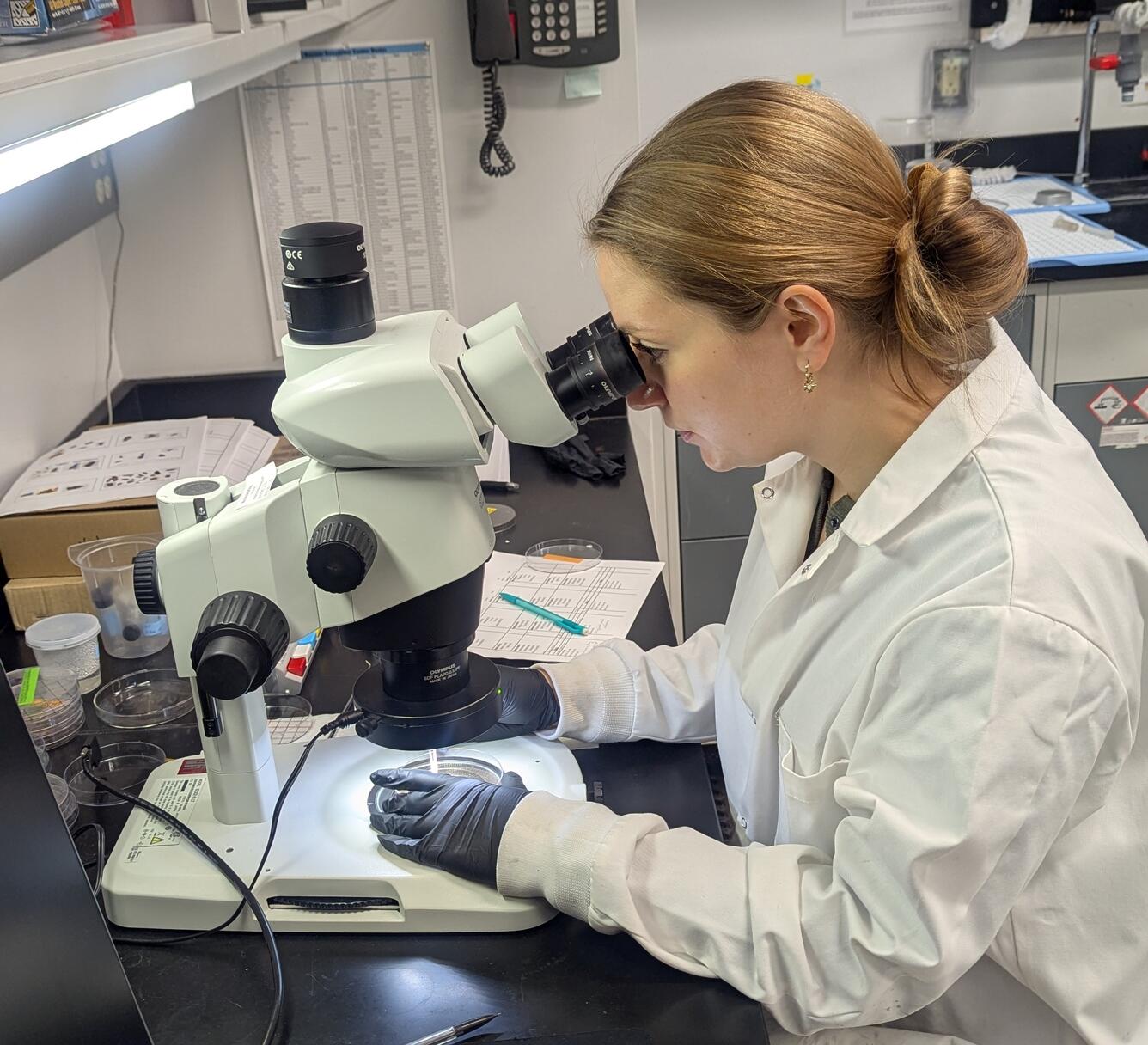
Cellulose extraction: The isotopic composition of oxygen comprising cellulose within plant tissues in peat can allow us to understand details about the provenance of water the plant took up at the time of cellulose synthesis, which can used as a proxy for synoptic-scale changes in precipitation or other hydrological shifts over time. We perform a sequential chemical extraction of cellulose using cupra-ammonium hydroxide to produce dried isolated cellulose for analysis at a stable isotope facility.
Elemental analysis: We prepare and analyze organic sediments and peat for their carbon and nitrogen composition to better understand carbon and nutrient cycling, changes in carbon density, and carbon accumulation rates in wetland sediments.
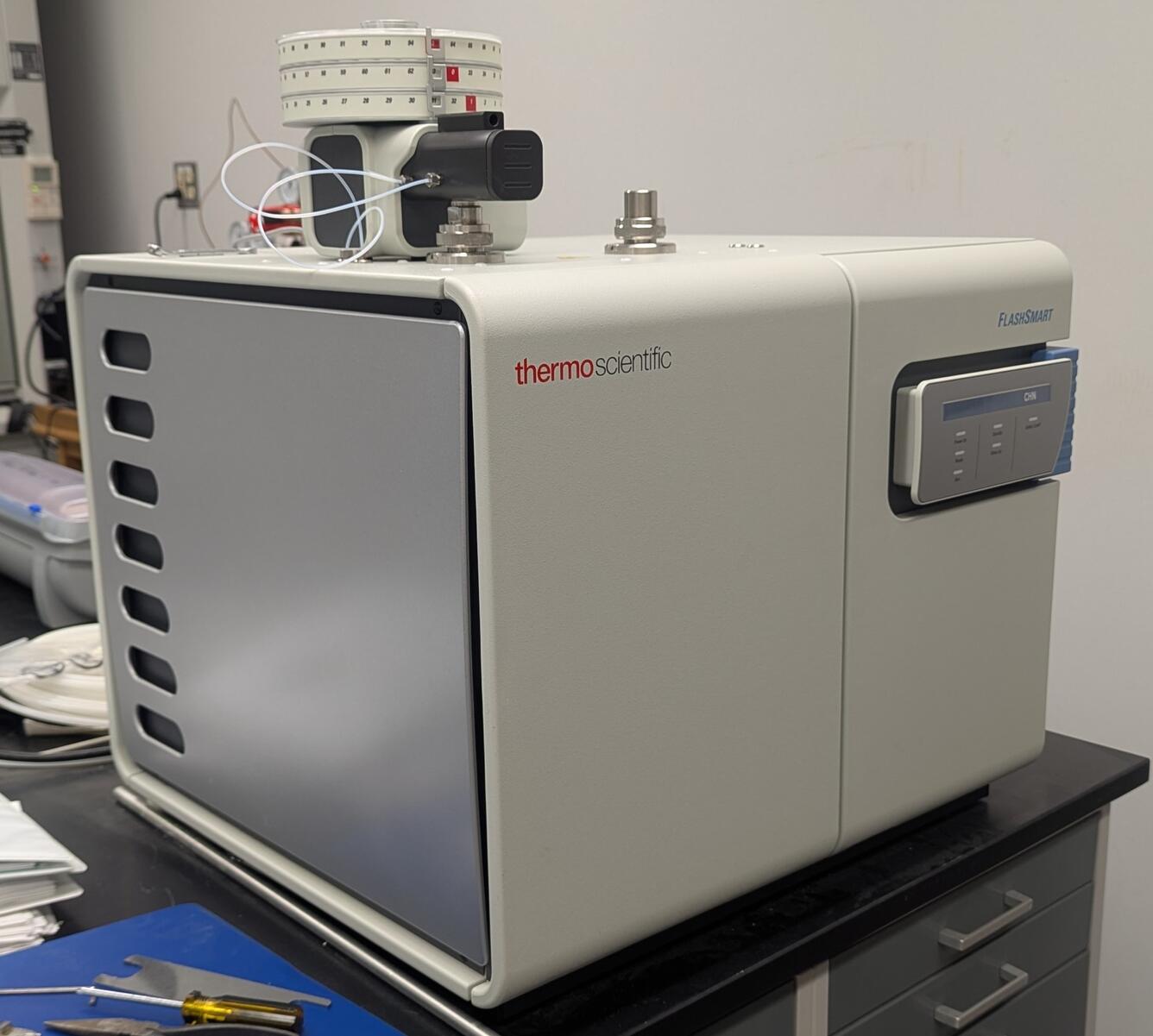
Stable isotope analysis: We prepare a range of sediment and peat types for stable isotope analysis to better understand processes related to carbon and nutrient cycling (δ13C, δ15N).
Lab Equipment:
- Fume hood for acid digestion and cellulose extraction
- CHN elemental analyzer
- Drying oven
- Furnace
- Mass balances (including microbalance)
- Centrifuge
- Freeze dryer
- Binocular microscopes
- Microscope camera
- Rolling ball mill
