



Science for management of America’s iconic wild horses and burros
Wild horses and burros are iconic wildlife of the western USA as well as a complicated management issue on tribal, state, and federal lands. Due to their history as domesticated animals, these wild equids – also called “free-roaming” or “feral” equids – can reproduce quickly, and have few natural predators, allowing their populations to grow rapidly if not managed. When populations are too large, they degrade vegetation and water resources, and promote the expansion of invasive plants. This diminishes rangeland quality for grazing livestock, native wildlife, and the wild equids themselves.
In collaboration with universities, federal land management agencies, state wildlife organizations, and tribal biologists, scientists at FORT are refining methods to accurately count wild horses and burros, investigating how these equids interact with native ecosystems, and testing tools to more effectively manage wild equid populations.
Producing accurate estimates of wild horses and burros
Foundational to all wild horse and burro management plans is an accurate estimate of their population size. There are hundreds of wild equine populations spread across vast areas of the Western U.S., making this a challenging task. For example, the Bureau of Land Management is responsible for the management of 179 herds across 32 million acres of public land. FORT biologists have spent years testing and honing methods to accurately count wild equine populations. Below are a few of the ongoing projects that build off these decades of research on population estimation.
Counting wild horses on tribal lands
Large feral horse populations are threatening the sustainability of rangeland ecosystems on tribal lands. Tribes are interested in developing horse management plans, but many lack the funds or resources to complete the population counts that form the basis of such plans.
FORT researchers experienced in feral horse survey methods are partnering with tribes to generate reliable population size estimates of feral horses on tribal lands. This work includes training tribal biologists and rangeland managers in aerial and ground survey techniques, and coproducing tutorials in survey methods, so that tribes will be able to conduct future surveys independently.

Burro population estimation and ecology
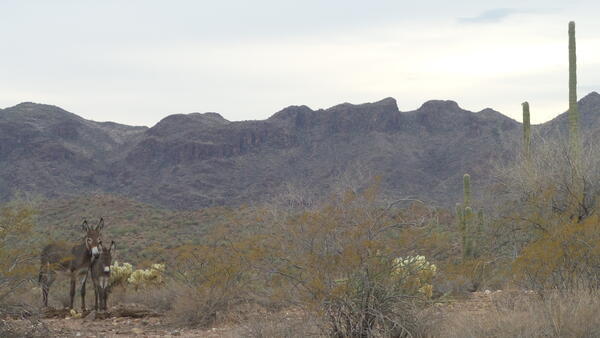
Wild burros present unique problems for population monitoring. While horses can be counted reliably using aerial survey techniques, burros blend in better with their surroundings, stand still when overflown, and are often in small groups or solo. The simultaneous double-observer technique for aerial surveys – when two observers count the same population from a helicopter – is expected to produce inaccurate population estimates for burros because there is an unknown, but probably substantial, fraction of the population that is never available to be seen by any of the observers.
FORT researchers are developing methods to quantify those otherwise-invisible burros using an analysis that incorporates the simultaneous double-observer technique, sighting covariates, and observations from radiomarked animals. They aim to develop the population estimation model across a range of burro populations and habitat types to develop a broadly applicable model that can be applied at herd management areas (HMAs) where burros occur so long as observers use standard simultaneous double-observer techniques during surveys.
Researchers are also studying the demographic parameters of two wild burro populations inhabiting different ecosystems — a Sonoran Desert ecosystem in Arizona and a Utah badlands ecosystem — to provide empirical data for population modeling, to improve management of wild burros, and to contribute to a better understanding of the ecology of the species. To date, they have found that burros had smaller ranges in the Sonoran Desert, and larger ranges in the Utah badlands where resources were more variable.

Mapping wild horse densities across broad landscapes of the Western United States.
Researchers at USGS are using historical wild horse survey and monitoring records to conduct a study of horse densities across sagebrush ecosystems of the western United States. Researchers will develop generalized density maps for the species that will enhance concurrent evaluations into the ecological effects of wild horse populations.
Wild horses and native wildlife
Investigating how feral equines influence neighboring wildlife
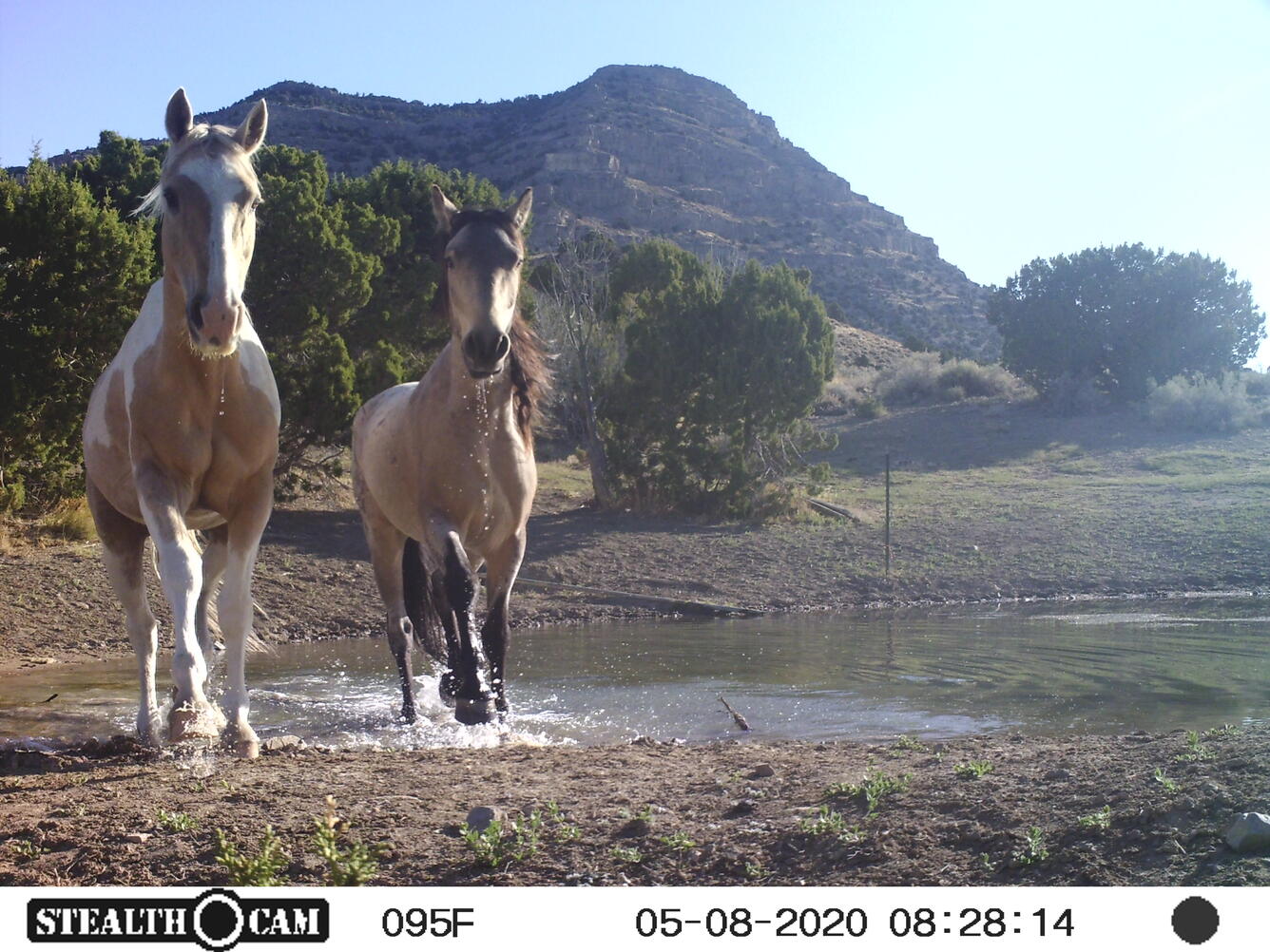
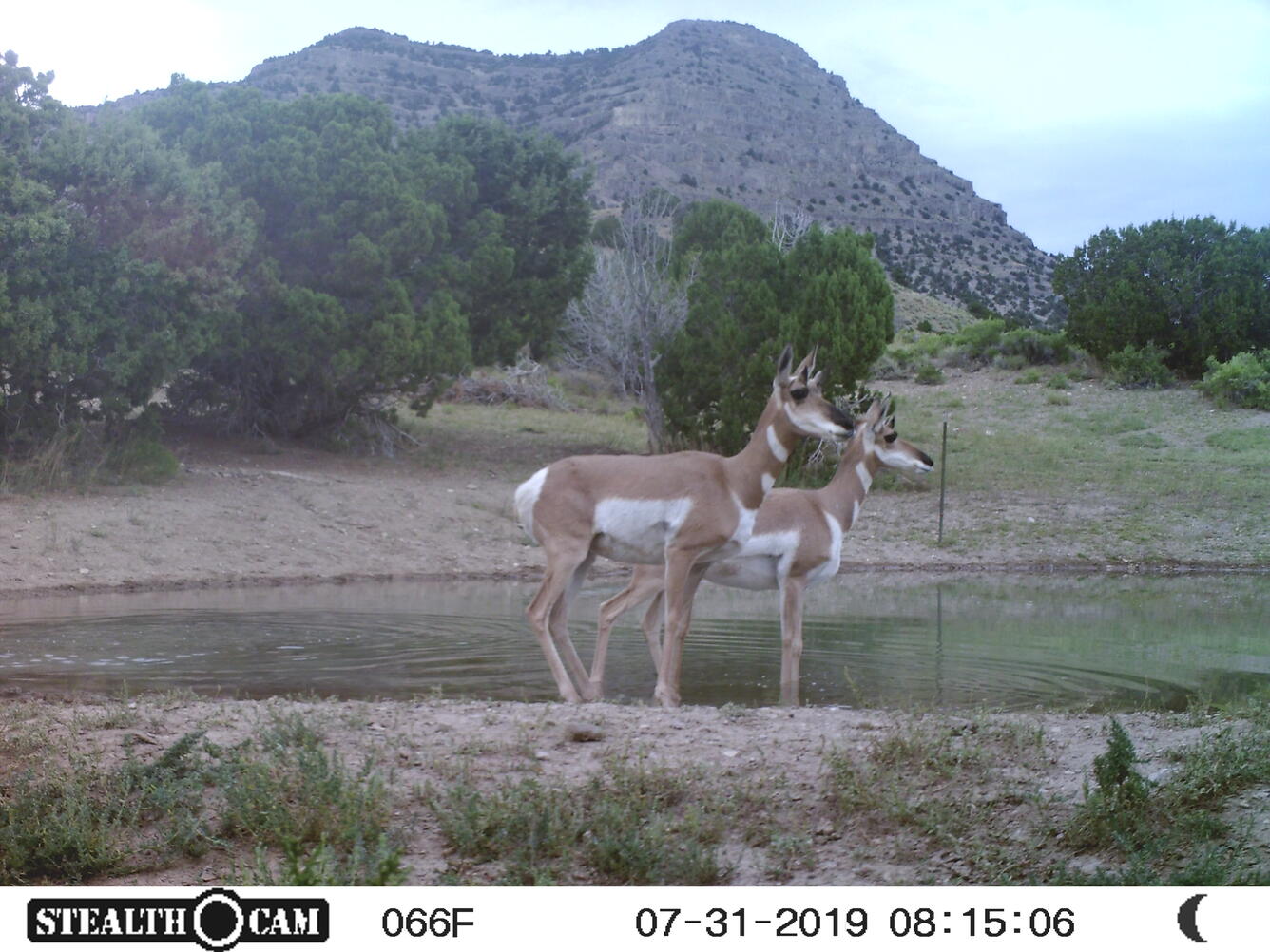
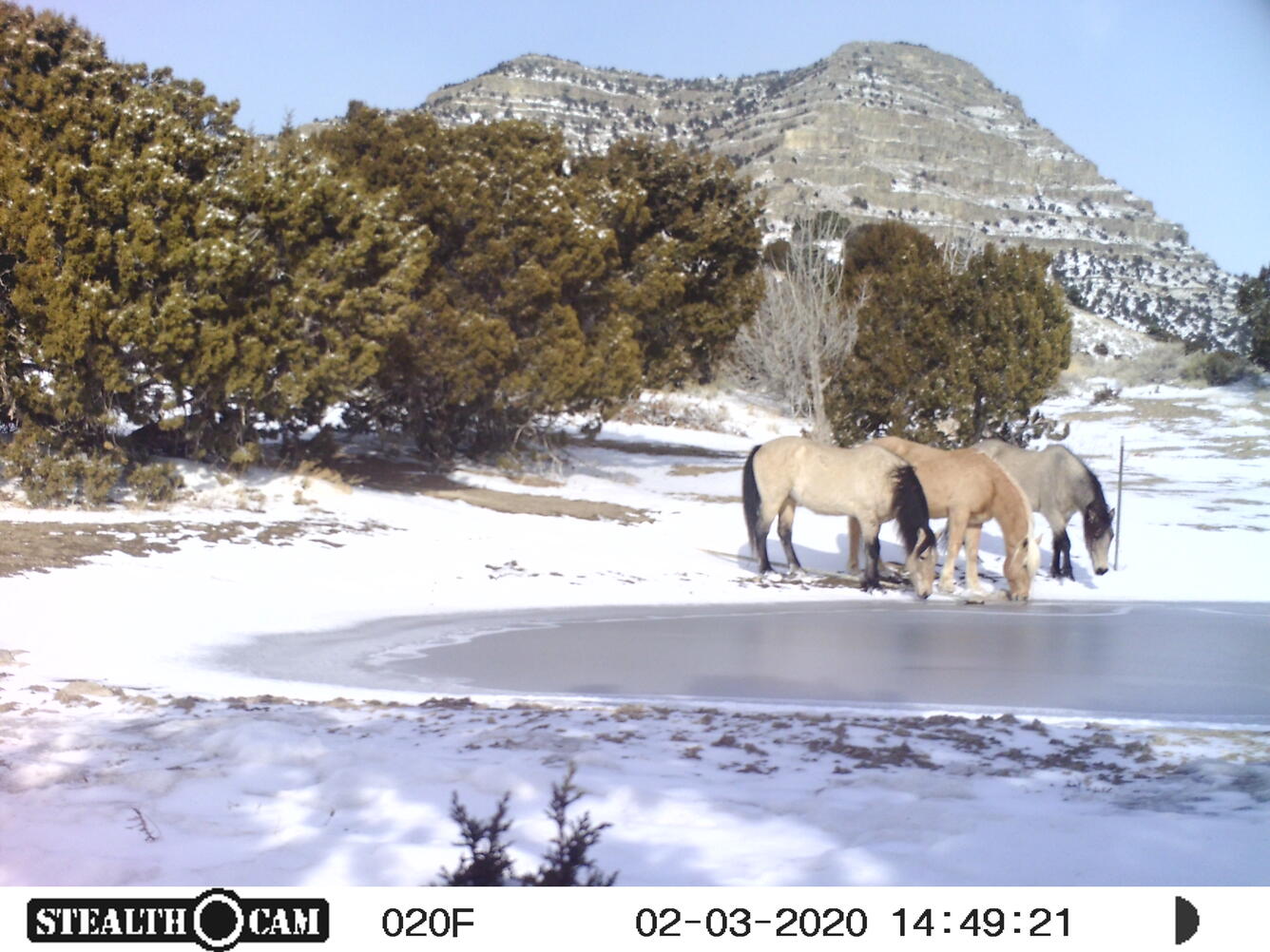
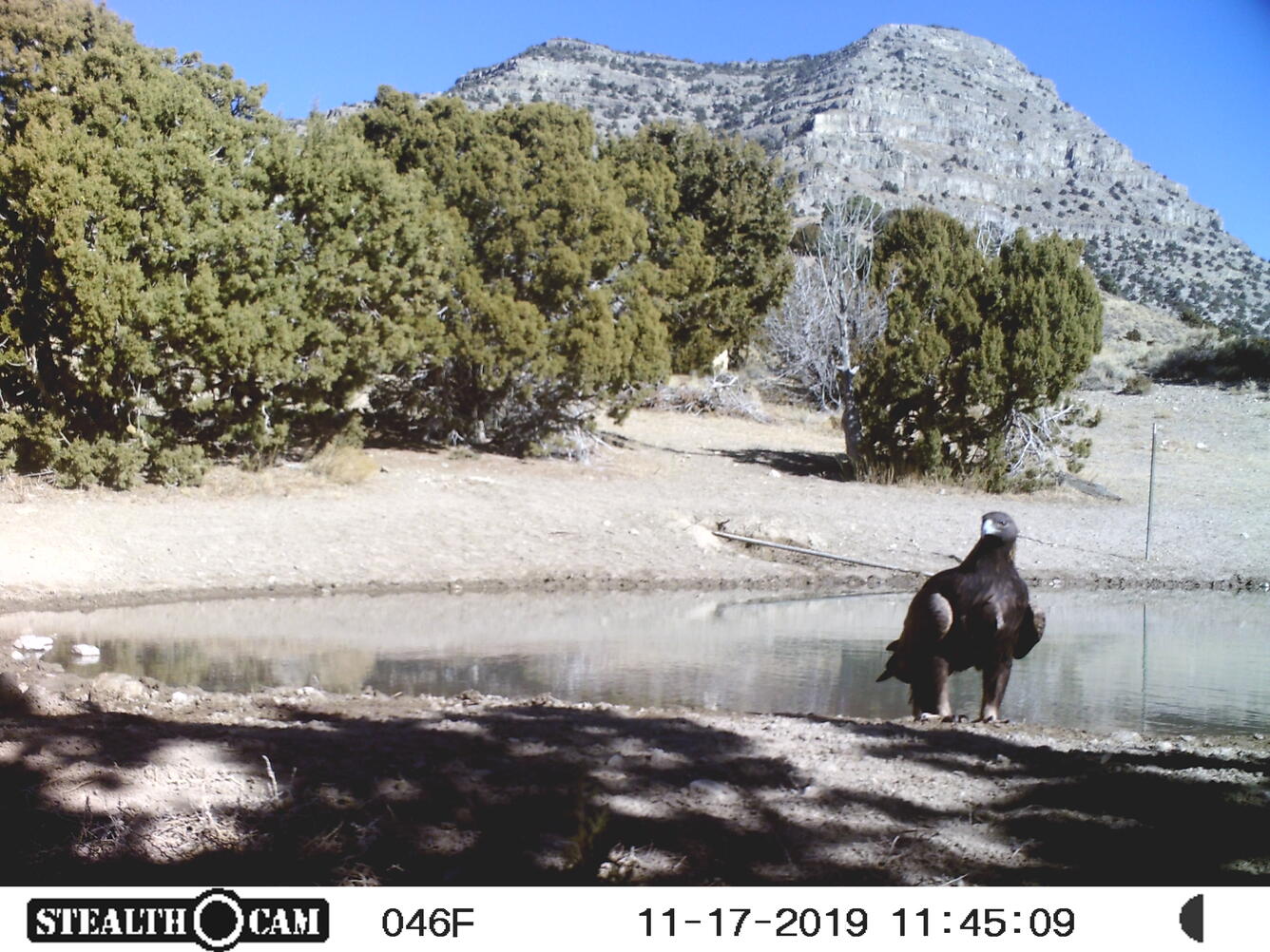
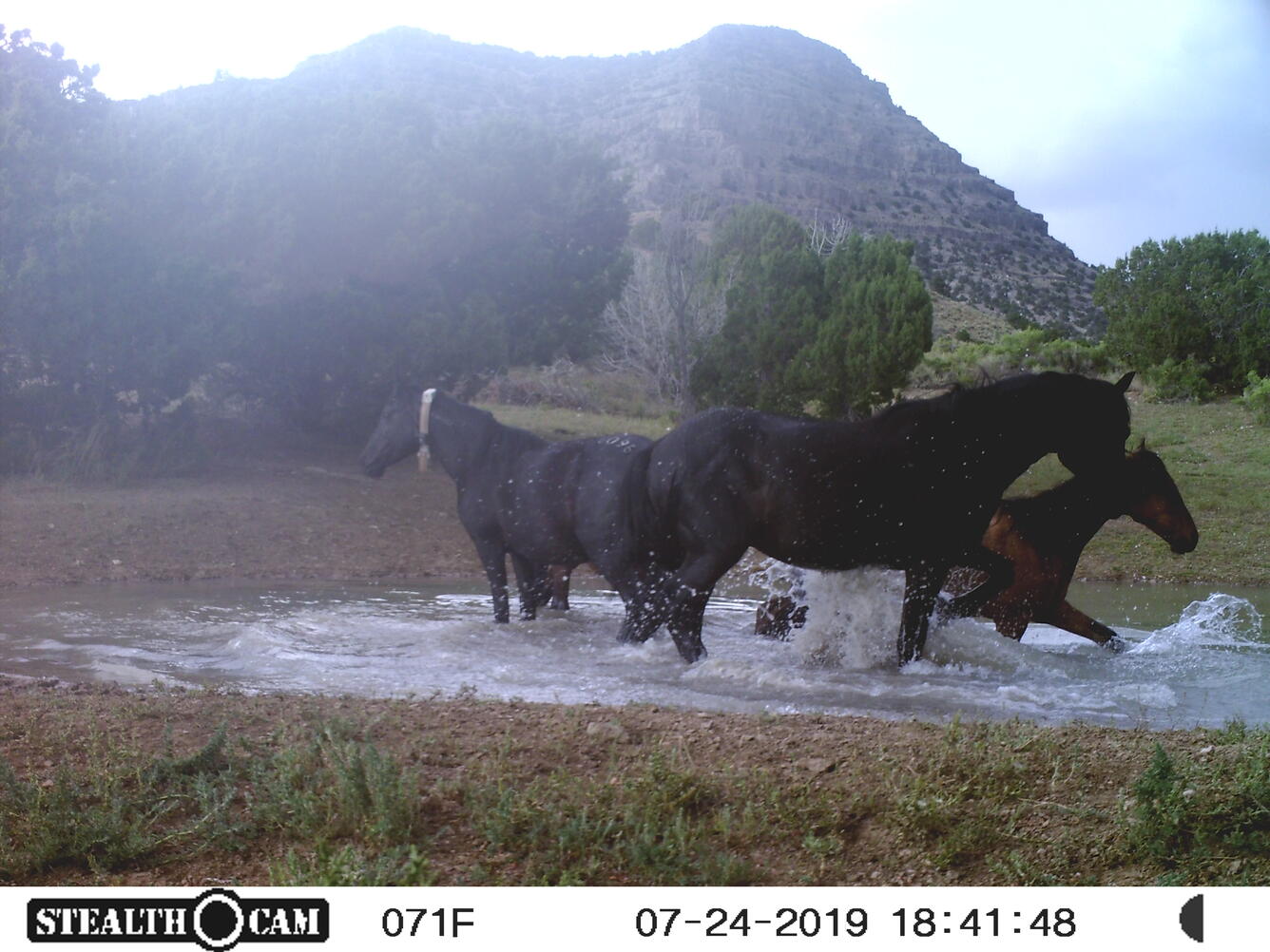
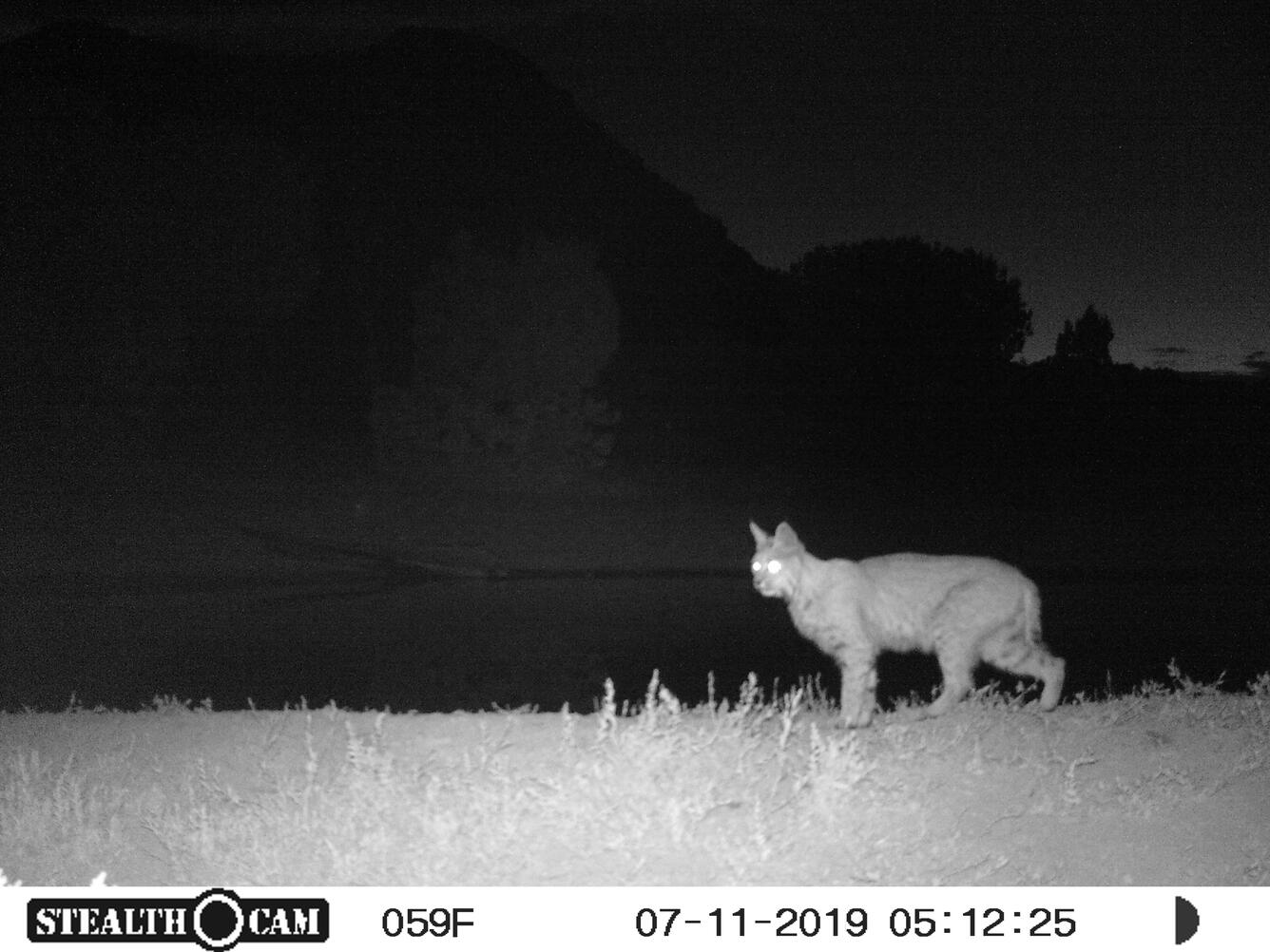
Wild equines exhibit rapid population size growth, maintain a wide dietary niche, and require regular access to water; consequently, questions about direct and indirect competition with geographically overlapping ungulates – hoofed mammals, including deer, bighorn sheep, pronghorn, elk, bison, and domestic livestock – are well-founded. Nonetheless, the degree to which horses and other ungulates share or compete for space and resources is poorly understood.
Previous research has demonstrated that horses can outcompete native elk, pronghorn, and bighorn sheep for water resources. These effects have the potential to negatively affect livestock production and alter habitat of neighboring wildlife species. Through a range of projects across the Western U.S., FORT researchers are working with partners to understand the extent of competition for resources between horses, livestock and native wildlife.
In the Sulphur Herd Management Area in Utah, researchers are investigating where and what time of year horses and other ungulates overlap in resource use. Researchers have placed GPS transmitters on individuals of each species, and will use the data collected to model resource selection and space use overlap during biologically relevant seasons including gestation, lactation, breeding, and wintering periods. Results will inform managers on the factors most sensitive to competition, the spatial distribution of those factors, and the periods when animals are most sensitive to potential effects.
In sagebrush habitats, researchers are conducting a comprehensive study of wild horse and livestock records to investigate effects on vegetation and wildlife (specifically, sage-grouse and songbirds). Researchers will use these results to examine Appropriate Management Levels for wild horse and burros, and projections of vegetation productivity under changing conditions. Researchers are currently incorporating results into a tool that centralizes horse and livestock grazing records, and allows users to assess trends in grazing indices, and their potential effects, over time. Learn more.
FORT researchers are also currently synthesizing existing literature and data on horse-wildlife interactions to identify broader patterns across geographies and determine where future research is necessary.
Understanding the extent of predation on feral equines
Researchers are interested in understanding how a non-native prey species like wild horses influences native predators and their prey. FORT scientists along with collaborators from Utah State University and Colorado State University are testing whether predators such as wolves and mountain lions act as a control on wild horse population size. Second, they are investigating if the presence of abundant wild horses subsidizes the diets of mountain lions, thereby increasing mountain lion population size. To answer these questions, FORT researchers are investigating the extent to which native predators consume horses and native ungulates, and whether the presence of wild horses influences native predator diet.
Managing wild horses and burros
PopEquus: a tool to evaluate wild horse management alternatives
PopEquus is a predictive modeling tool to support decisions related to the management of free-roaming horse populations. It permits the simulation and comparison of how management alternatives influence horse population size and metrics associated with management. This tool is currently required for BLM managers to use prior to conducting a gather or removal of wild horses and results are used in their Environmental Assessments, making it critical for conducting management actions.
Genetic techniques for simulation of management scenarios
Maintaining genetic diversity of wild horse and burro herds is essential for keeping herds healthy. Thus, as part of their management plans, DOI agencies monitor the genetic diversity of herds on public lands. FORT researchers are assisting this work through the development of efficient and accurate genetic monitoring tools, including improvement of non-invasive sampling techniques like genotyping from fecal samples. They also work closely with managers to simulate the effects of population reductions or augmentations on genetic diversity, helping managers decide how many individuals can be removed without influencing genetic diversity negatively, or how many horses should be added to improve herd genetics.
Fertility control monitoring and research
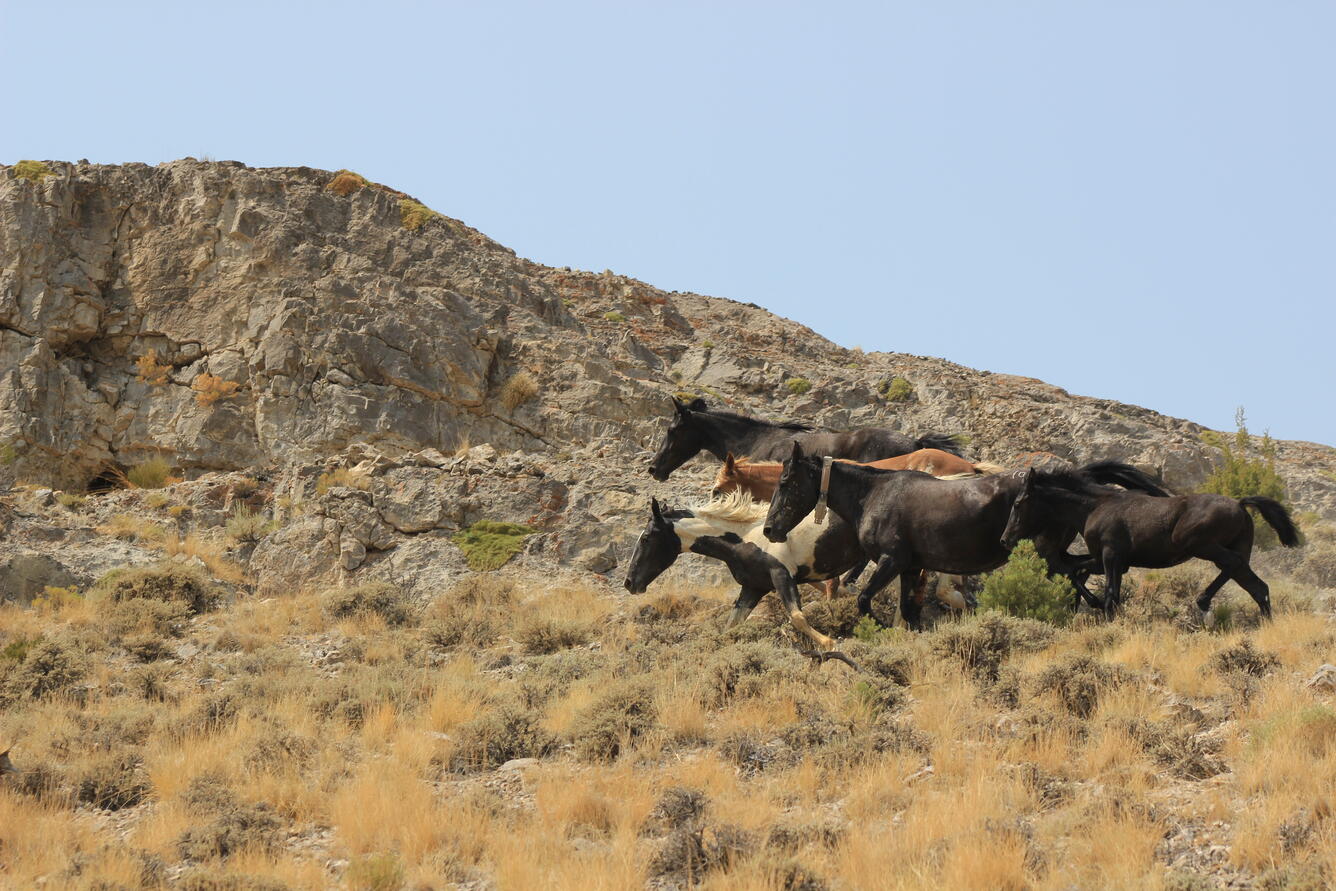
Researchers are testing fertility control in the field to reduce pregnancy rates of mares. They track mares that are equipped with radio collars to facilitate regularly locating them to assess condition and if they have a foal afoot. They also record behavior data to assess any potential changes in behavior.

Counting America’s Wild Horses and Burros: Better Estimates for Population Management

Mapping wild horse densities across broad landscapes of the Western United States

Co-producing Robust Estimates of Feral Horses on Tribal Lands

Wild horse and livestock influences on vegetation and wildlife in sagebrush ecosystems: Implications for refining and validating Appropriate Management Level (AML)

Wild Horse and Burro Survey Techniques

Wild Horse and Burro Population Management
Wild horses and burros are iconic wildlife of the western USA as well as a complicated management issue on tribal, state, and federal lands. Due to their history as domesticated animals, these wild equids – also called “free-roaming” or “feral” equids – can reproduce quickly, and have few natural predators, allowing their populations to grow rapidly if not managed. When populations are too large, they degrade vegetation and water resources, and promote the expansion of invasive plants. This diminishes rangeland quality for grazing livestock, native wildlife, and the wild equids themselves.
In collaboration with universities, federal land management agencies, state wildlife organizations, and tribal biologists, scientists at FORT are refining methods to accurately count wild horses and burros, investigating how these equids interact with native ecosystems, and testing tools to more effectively manage wild equid populations.
Producing accurate estimates of wild horses and burros
Foundational to all wild horse and burro management plans is an accurate estimate of their population size. There are hundreds of wild equine populations spread across vast areas of the Western U.S., making this a challenging task. For example, the Bureau of Land Management is responsible for the management of 179 herds across 32 million acres of public land. FORT biologists have spent years testing and honing methods to accurately count wild equine populations. Below are a few of the ongoing projects that build off these decades of research on population estimation.
Counting wild horses on tribal lands
Large feral horse populations are threatening the sustainability of rangeland ecosystems on tribal lands. Tribes are interested in developing horse management plans, but many lack the funds or resources to complete the population counts that form the basis of such plans.
FORT researchers experienced in feral horse survey methods are partnering with tribes to generate reliable population size estimates of feral horses on tribal lands. This work includes training tribal biologists and rangeland managers in aerial and ground survey techniques, and coproducing tutorials in survey methods, so that tribes will be able to conduct future surveys independently.
Burro population estimation and ecology
Wild burros present unique problems for population monitoring. While horses can be counted reliably using aerial survey techniques, burros blend in better with their surroundings, stand still when overflown, and are often in small groups or solo. The simultaneous double-observer technique for aerial surveys – when two observers count the same population from a helicopter – is expected to produce inaccurate population estimates for burros because there is an unknown, but probably substantial, fraction of the population that is never available to be seen by any of the observers.
FORT researchers are developing methods to quantify those otherwise-invisible burros using an analysis that incorporates the simultaneous double-observer technique, sighting covariates, and observations from radiomarked animals. They aim to develop the population estimation model across a range of burro populations and habitat types to develop a broadly applicable model that can be applied at herd management areas (HMAs) where burros occur so long as observers use standard simultaneous double-observer techniques during surveys.
Researchers are also studying the demographic parameters of two wild burro populations inhabiting different ecosystems — a Sonoran Desert ecosystem in Arizona and a Utah badlands ecosystem — to provide empirical data for population modeling, to improve management of wild burros, and to contribute to a better understanding of the ecology of the species. To date, they have found that burros had smaller ranges in the Sonoran Desert, and larger ranges in the Utah badlands where resources were more variable.
Mapping wild horse densities across broad landscapes of the Western United States.
Researchers at USGS are using historical wild horse survey and monitoring records to conduct a study of horse densities across sagebrush ecosystems of the western United States. Researchers will develop generalized density maps for the species that will enhance concurrent evaluations into the ecological effects of wild horse populations.
Wild horses and native wildlife
Investigating how feral equines influence neighboring wildlife
Wild equines exhibit rapid population size growth, maintain a wide dietary niche, and require regular access to water; consequently, questions about direct and indirect competition with geographically overlapping ungulates – hoofed mammals, including deer, bighorn sheep, pronghorn, elk, bison, and domestic livestock – are well-founded. Nonetheless, the degree to which horses and other ungulates share or compete for space and resources is poorly understood.
Previous research has demonstrated that horses can outcompete native elk, pronghorn, and bighorn sheep for water resources. These effects have the potential to negatively affect livestock production and alter habitat of neighboring wildlife species. Through a range of projects across the Western U.S., FORT researchers are working with partners to understand the extent of competition for resources between horses, livestock and native wildlife.
In the Sulphur Herd Management Area in Utah, researchers are investigating where and what time of year horses and other ungulates overlap in resource use. Researchers have placed GPS transmitters on individuals of each species, and will use the data collected to model resource selection and space use overlap during biologically relevant seasons including gestation, lactation, breeding, and wintering periods. Results will inform managers on the factors most sensitive to competition, the spatial distribution of those factors, and the periods when animals are most sensitive to potential effects.
In sagebrush habitats, researchers are conducting a comprehensive study of wild horse and livestock records to investigate effects on vegetation and wildlife (specifically, sage-grouse and songbirds). Researchers will use these results to examine Appropriate Management Levels for wild horse and burros, and projections of vegetation productivity under changing conditions. Researchers are currently incorporating results into a tool that centralizes horse and livestock grazing records, and allows users to assess trends in grazing indices, and their potential effects, over time. Learn more.
FORT researchers are also currently synthesizing existing literature and data on horse-wildlife interactions to identify broader patterns across geographies and determine where future research is necessary.
Understanding the extent of predation on feral equines
Researchers are interested in understanding how a non-native prey species like wild horses influences native predators and their prey. FORT scientists along with collaborators from Utah State University and Colorado State University are testing whether predators such as wolves and mountain lions act as a control on wild horse population size. Second, they are investigating if the presence of abundant wild horses subsidizes the diets of mountain lions, thereby increasing mountain lion population size. To answer these questions, FORT researchers are investigating the extent to which native predators consume horses and native ungulates, and whether the presence of wild horses influences native predator diet.
Managing wild horses and burros
PopEquus: a tool to evaluate wild horse management alternatives
PopEquus is a predictive modeling tool to support decisions related to the management of free-roaming horse populations. It permits the simulation and comparison of how management alternatives influence horse population size and metrics associated with management. This tool is currently required for BLM managers to use prior to conducting a gather or removal of wild horses and results are used in their Environmental Assessments, making it critical for conducting management actions.
Genetic techniques for simulation of management scenarios
Maintaining genetic diversity of wild horse and burro herds is essential for keeping herds healthy. Thus, as part of their management plans, DOI agencies monitor the genetic diversity of herds on public lands. FORT researchers are assisting this work through the development of efficient and accurate genetic monitoring tools, including improvement of non-invasive sampling techniques like genotyping from fecal samples. They also work closely with managers to simulate the effects of population reductions or augmentations on genetic diversity, helping managers decide how many individuals can be removed without influencing genetic diversity negatively, or how many horses should be added to improve herd genetics.
Fertility control monitoring and research
Researchers are testing fertility control in the field to reduce pregnancy rates of mares. They track mares that are equipped with radio collars to facilitate regularly locating them to assess condition and if they have a foal afoot. They also record behavior data to assess any potential changes in behavior.
Counting America’s Wild Horses and Burros: Better Estimates for Population Management
Mapping wild horse densities across broad landscapes of the Western United States
Co-producing Robust Estimates of Feral Horses on Tribal Lands
Wild horse and livestock influences on vegetation and wildlife in sagebrush ecosystems: Implications for refining and validating Appropriate Management Level (AML)
Wild Horse and Burro Survey Techniques