



Modeling tire-derived chemicals in stormwater
The USGS and the Environmental Protection Agency are working together using advanced modeling tools to understand how 6PPD-quinone moves through watersheds and how green infrastructure can reduce its impact.
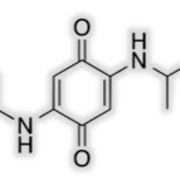
Stormwater runoff from roads and highways can carry pollutants into rivers and streams. One pollutant of concern is 6PPD-quinone (6PPD-Q), a tire-derived compound that is highly toxic to Coho salmon.
The U.S. Geological Survey (USGS), in partnership with the Environmental Protection Agency, is using advanced modeling tools to understand how 6PPD-Q moves through watersheds and how green infrastructure can reduce its impact.
What We’re Doing:
Using SELDM (Stochastic Empirical Loading and Dilution Model):
SELDM helps us estimate how much 6PPD-Q enters streams during storms and how Best Management Practices (BMPs) like bioswales and filtration systems can reduce pollution.
Simulating Real-World Conditions:
We model typical and extreme storm events at up to 20 sites across the Pacific Northwest, focusing on highways near sensitive salmon habitats.
Project objectives:
Compile and standardize existing 6PPD-Q monitoring data, including BMP treated sites.
Simulate storm events and infrastructure configurations using SELDM.
Archive all model inputs and outputs for transparency, reproducibility, and regional integration.
Evaluating Solutions:
Our goal is to identify which stormwater treatments work best and provide science-based recommendations for transportation agencies and communities.
Why It Matters:
Healthy streams are essential for salmon survival and for the ecosystems and communities that depend on them. By understanding how pollutants move and how to minimize their impact on the environment, we can protect water quality and aquatic life.
Related Oregon Water Science Center science web pages.
Monitoring tire-derived chemicals in stormwater
Tracking Tire Chemicals in Oregon Streams

Proxies Project
Related Oregon Water Science Center science web pages.
Monitoring tire-derived chemicals in stormwater
Tracking Tire Chemicals in Oregon Streams