



Science in service: USGS supports US Navy conservation of rare Island Night Lizard population
Working closely with the U.S. Navy on San Nicolas Island, the USGS conducts a long-term monitoring program of Island Night Lizards, a rare species endemic to the California Channel Islands. The USGS-Navy collaboration provides rigorous scientific data essential for making informed management decisions while supporting the Navy's dual mission of operational readiness and environmental stewardship.
How USGS monitoring supports Navy conservation of the Island Night Lizard on San Nicolas Island
USGS scientists tracked population trends of the Island Night Lizard (Xantusia riversiana) following its removal from the Endangered Species List in 2014, a remarkable achievement in wildlife conservation. The monitoring work provides critical data ensuring the long-term viability of this unique reptile. The collaboration between USGS and the Navy exemplifies how scientific research directly supports the military mission by ensuring that military training, testing, and other activities are not hindered or delayed by natural resource concerns.
From threatened to recovered
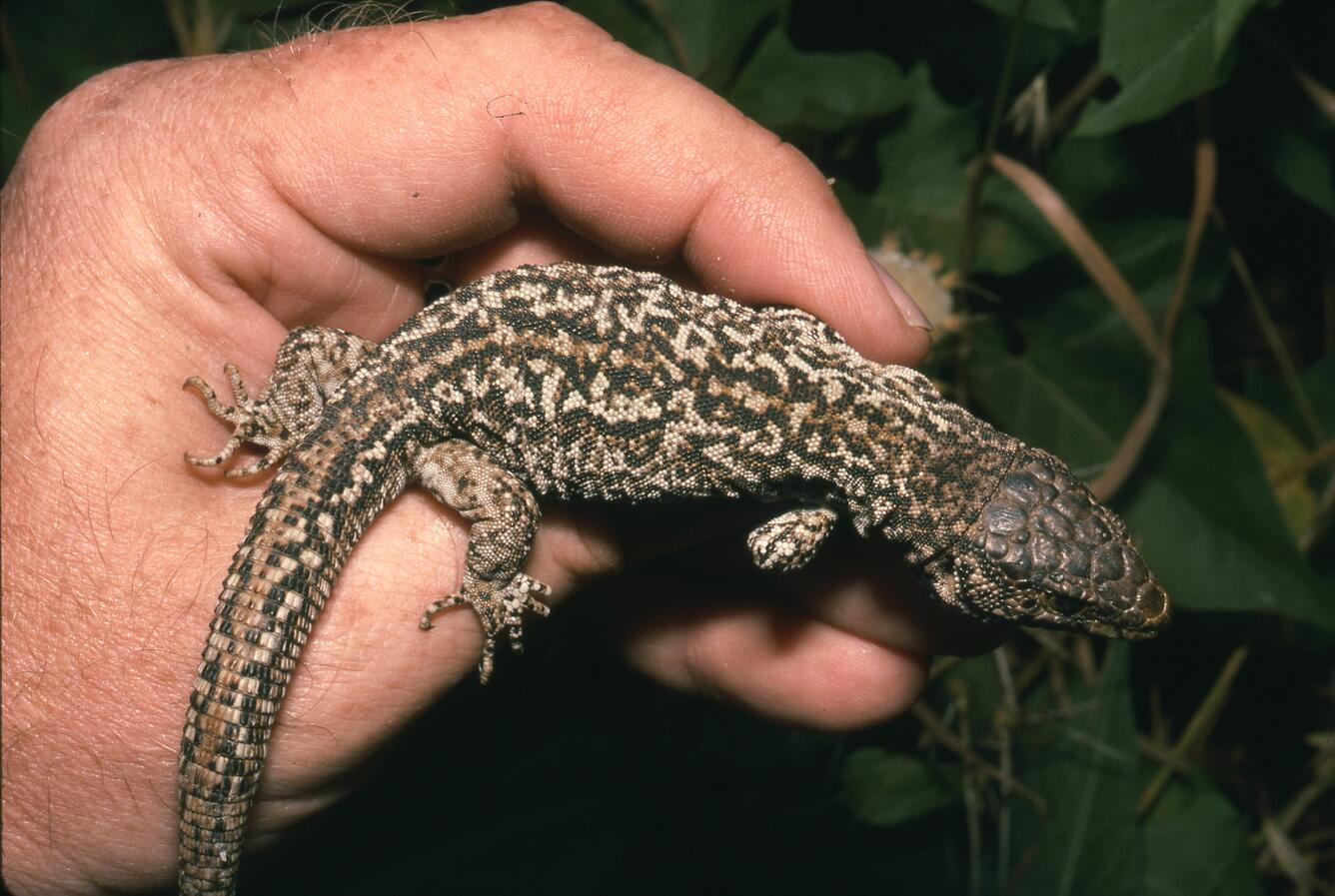
The Island Night Lizard (Xantusia riversiana) was listed as a Threatened Species under the U.S. Endangered Species Act in 1977 due to its restricted range and apparently low population levels on San Nicolas and Santa Barbara Islands.
At the time of listing, populations were described as "critically reduced on San Nicolas and Santa Barbara Islands due to habitat alterations caused by farming, fire, grazing by introduced animals, and invasion by exotic plants."
The island's history of severe environmental degradation dates back to the 1860s, when extensive sheep ranching began.
Up to 15,000 sheep periodically grazed the island, and repeated episodes of heavy grazing combined with prolonged drought resulted in extensive denudation.
Sand dunes encroached on over half of the western end of the island in the late 1800s, causing dramatic erosion and extensive loss of Island Night Lizard habitat.
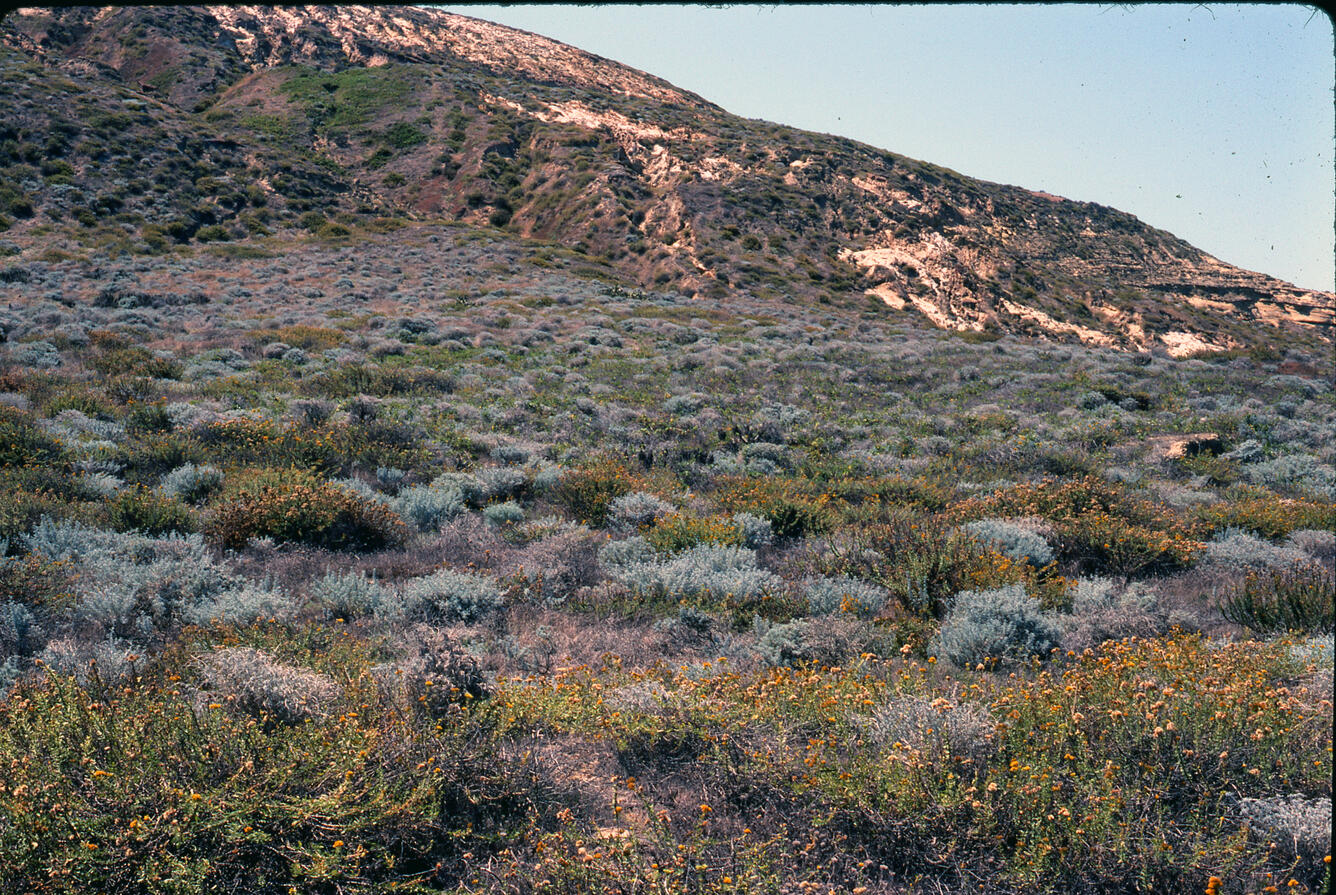
The condition of the island after nearly 100 years of sheep grazing was stark: much of the western half consisted of barren rock and shifting sand, with native shrub cover largely eliminated.
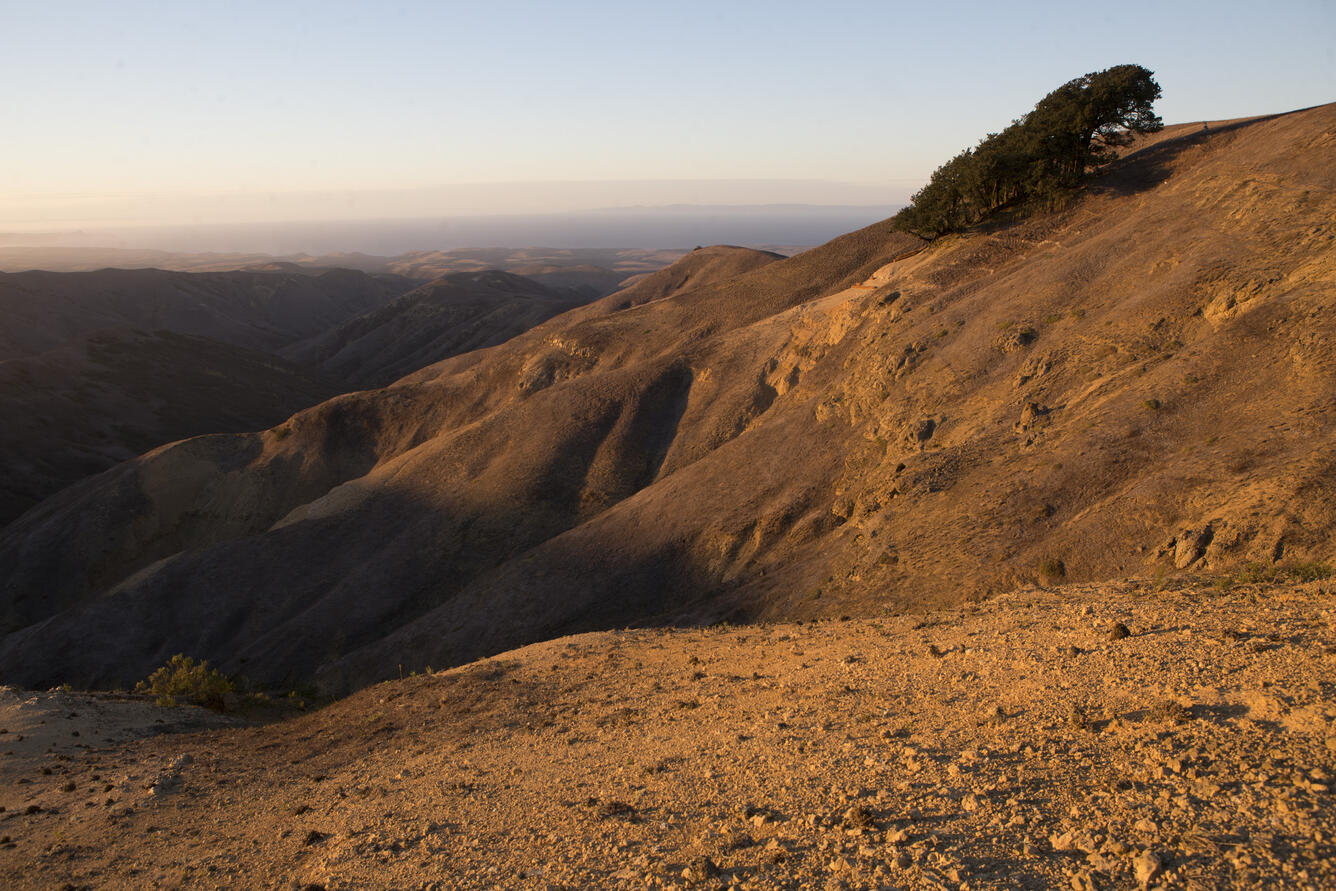
However, the conservation story took a turn for the better. After the U.S. Navy took over management of the island in the early 1940s and removed the sheep, native vegetation began a slow recovery. The Navy made substantial progress in removing non-native predators, particularly feral cats that preyed on lizards. The last feral cats were successfully removed from San Nicolas Island in 2009–2010. These management actions, combined with habitat protection efforts and natural vegetation recovery, led to significant improvements in conditions for the Island Night Lizard.
By 2014, the U.S. Fish and Wildlife Service determined that the species had recovered sufficiently to warrant removal from the Endangered Species list, which was a milestone achievement that reflected decades of collaborative conservation effort between the Navy, USGS, and other partners.
The monitoring program: methods and key findings
The USGS monitoring program, beginning in October 2014 and continuing through the present, built upon earlier work dating back to 1993.
Scientists employed a combination of long-term monitoring sites and newly established survey locations using artificial cover boards and existing cover objects to track lizard populations across San Nicolas Island.
The research team focused on areas within the known range of the species, which is largely confined to the eastern half of San Nicolas Island due to historic habitat loss on the western portion.
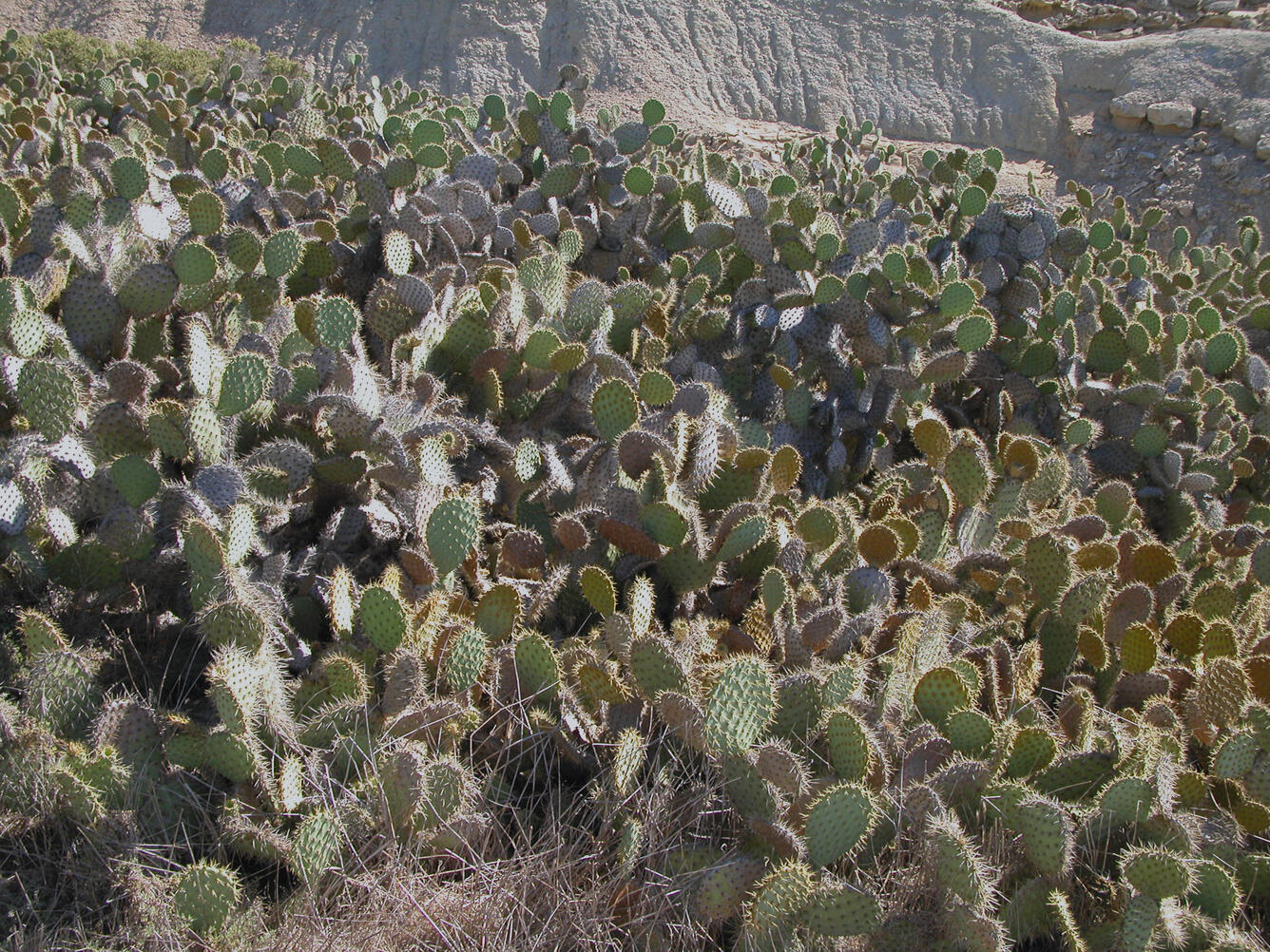
Survey sites included areas with the lizards' preferred habitat: dense stands of prickly pear cactus (Opuntia species), coastal cholla (Cylindropuntia prolifera), and California boxthorn (Lycium californicum), along with boulder beach areas and mixed native shrub communities.
Over the course of the study, more than 900 individually marked Island Night Lizards were captured and monitored.
Scientists recorded detailed measurements including snout-vent length, tail length, and body mass to track growth patterns, calculate condition measurements, and estimate ages.
This long-term dataset revealed fascinating insights into the species' biology, including evidence that some individuals may live more than 20 years, with one lizard potentially reaching 31.5 years old based on growth rate calculations.
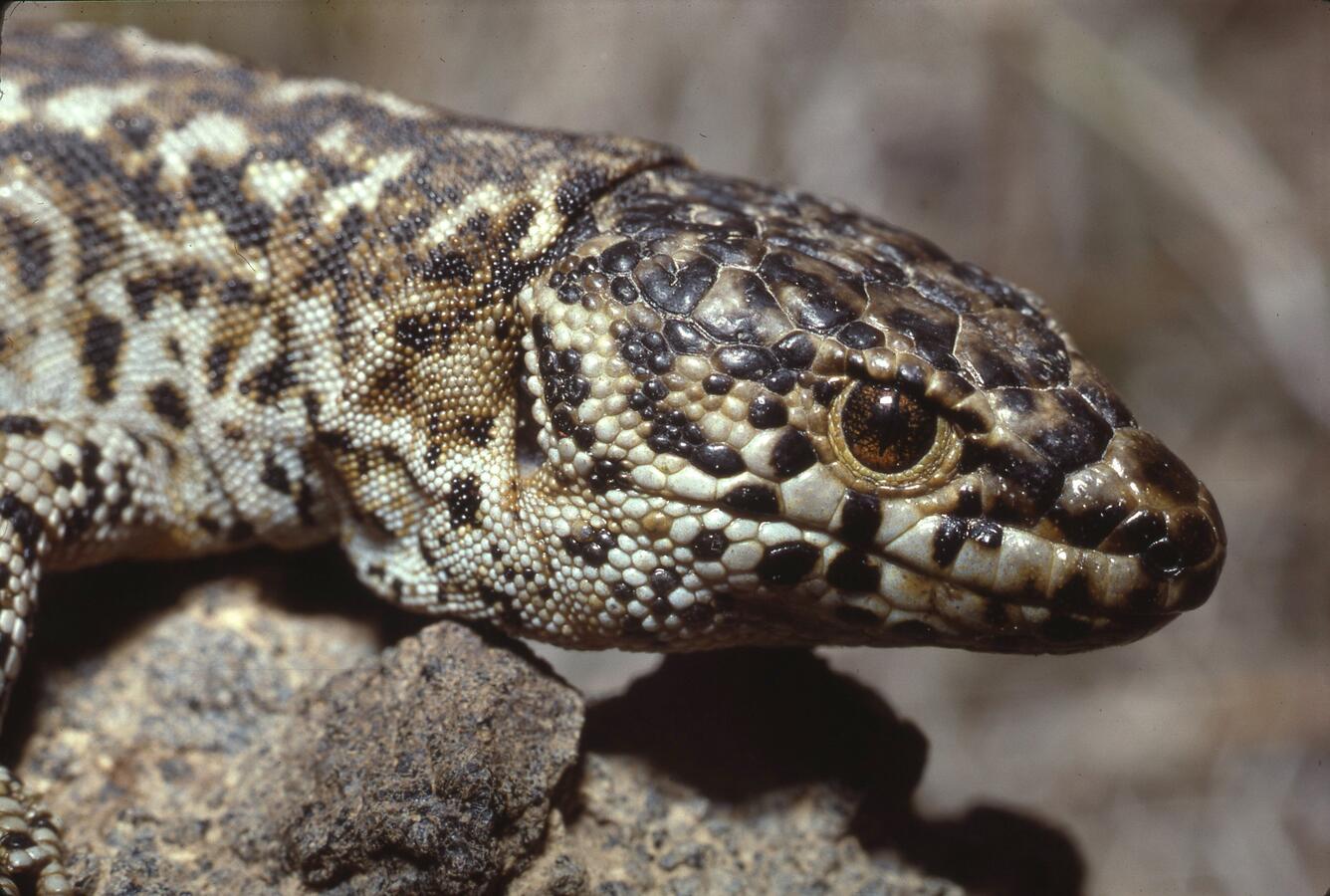
The Island Night Lizard represents one of the most distinctive endemic vertebrates on California's Channel Islands. Found only on San Nicolas, San Clemente, and Santa Barbara Islands, this medium-sized lizard (adults 75–110 mm body length) diverged from mainland relatives approximately 15 million years ago during the middle Miocene. Its evolutionary distinctiveness led scientists to originally classify it in its own genus, Klauberina.
A distinctive species with unique biology
These lizards possess remarkable biological characteristics that make them particularly resilient to environmental challenges.
Island Night Lizards have unusually low metabolic rates for reptiles, are exceptionally long-lived for their size (more than 12–13 years), and maintain very small home ranges averaging less than 20 square meters.
In favorable habitats, they can reach extraordinarily high population densities, among the highest reported for terrestrial lizards anywhere in the world, with estimates reaching up to 4,000 lizards per hectare in prime cactus habitat.
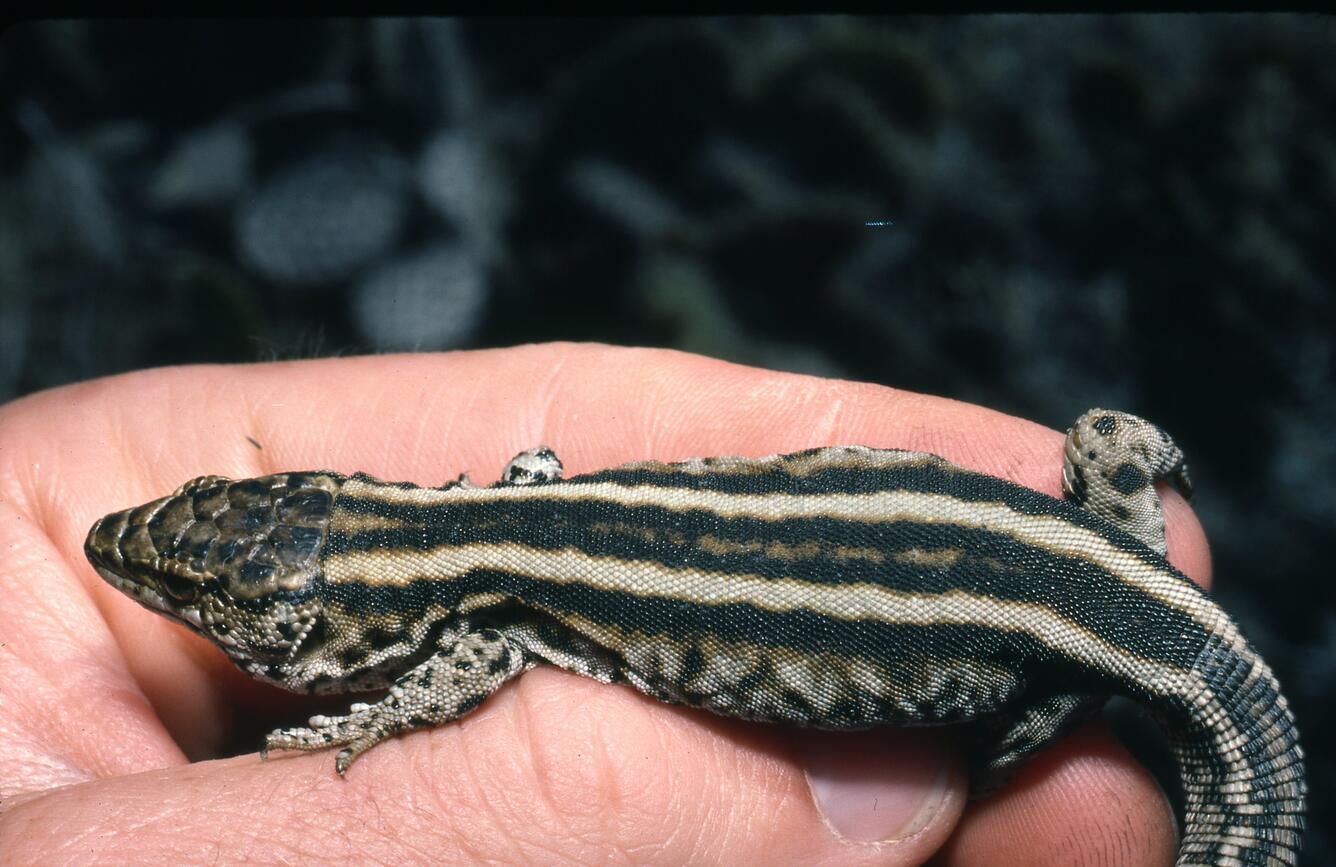
Unlike most lizards, Island Night Lizards do not lay eggs but give birth to developed young in late summer through early fall.
Newborn lizards are pale colored with bluish tinting and translucent ventral skin. This reproductive strategy, combined with their longevity and territorial behavior, contributes to relatively stable population dynamics even during challenging environmental conditions such as prolonged drought.
Population stability despite environmental challenges
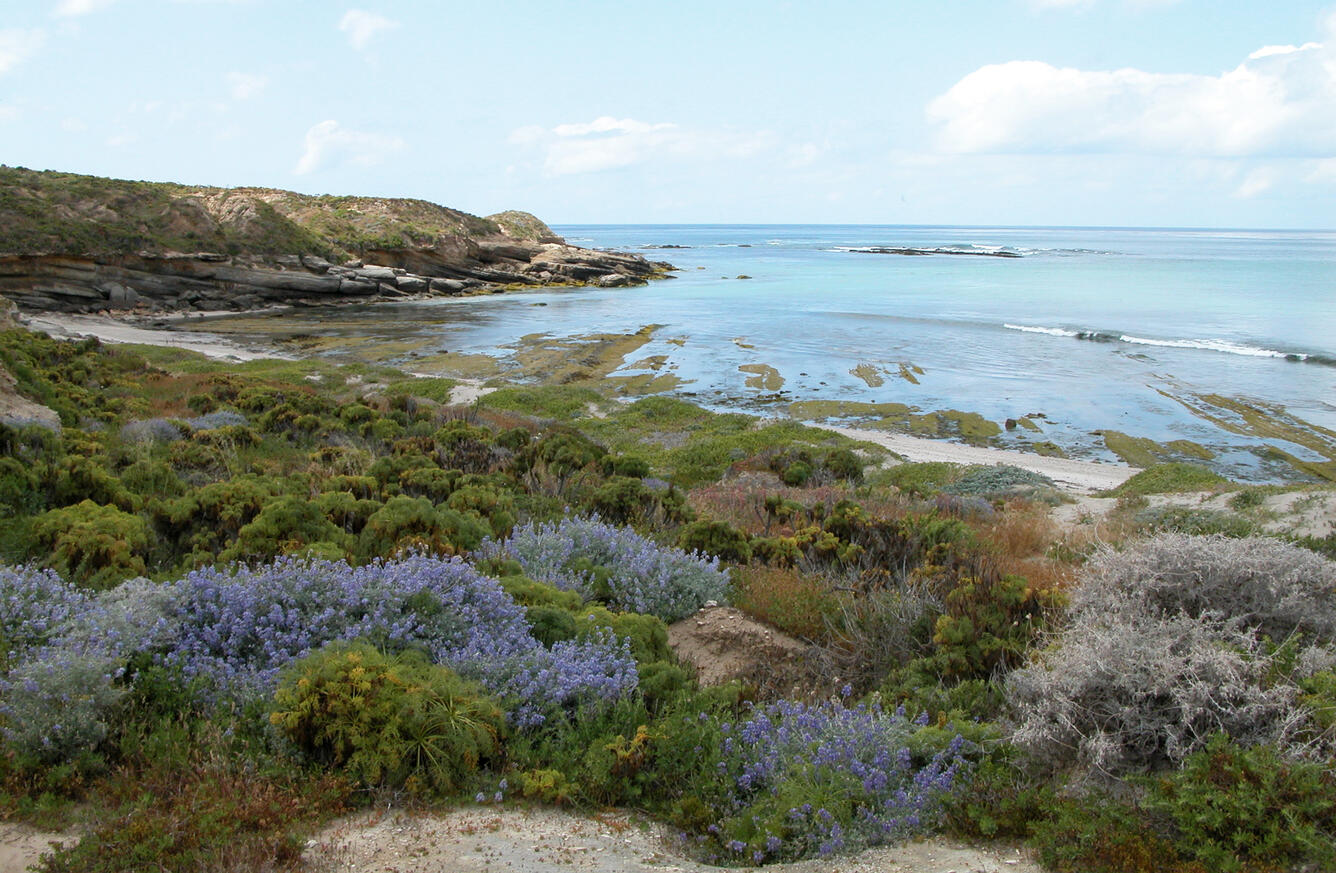
The monitoring period encompassed relatively dry conditions, with mean annual precipitation of only 18.3 cm over the 10-year span. The beginning of the period was particularly severe, with five consecutive years receiving less than 15 cm of rainfall. Yet remarkably, despite this prolonged drought, genetic diversity remained high within sites, and there was no evidence of population bottlenecks.
Population counts at most long-term monitoring sites showed only slight decreases during the multi-year drought, with numbers returning to previous levels by the end of the monitoring period.
Statistical modeling suggested that a simpler model of constant abundance throughout the study was more appropriate than models incorporating precipitation effects or linear trends, indicating overall population stability.
However, two monitoring sites showed concerning declines.
One site experienced a complete population collapse to zero following infestation by non-native Argentine ants (Linepithema humile), which eliminated not only Island Night Lizards but also native ant species and land snails.
After the prolonged drought reduced Argentine ant numbers, native species began recolonizing the area, though Island Night Lizards had not yet returned as of the last survey in 2023.
Critical habitat: Limited but high quality
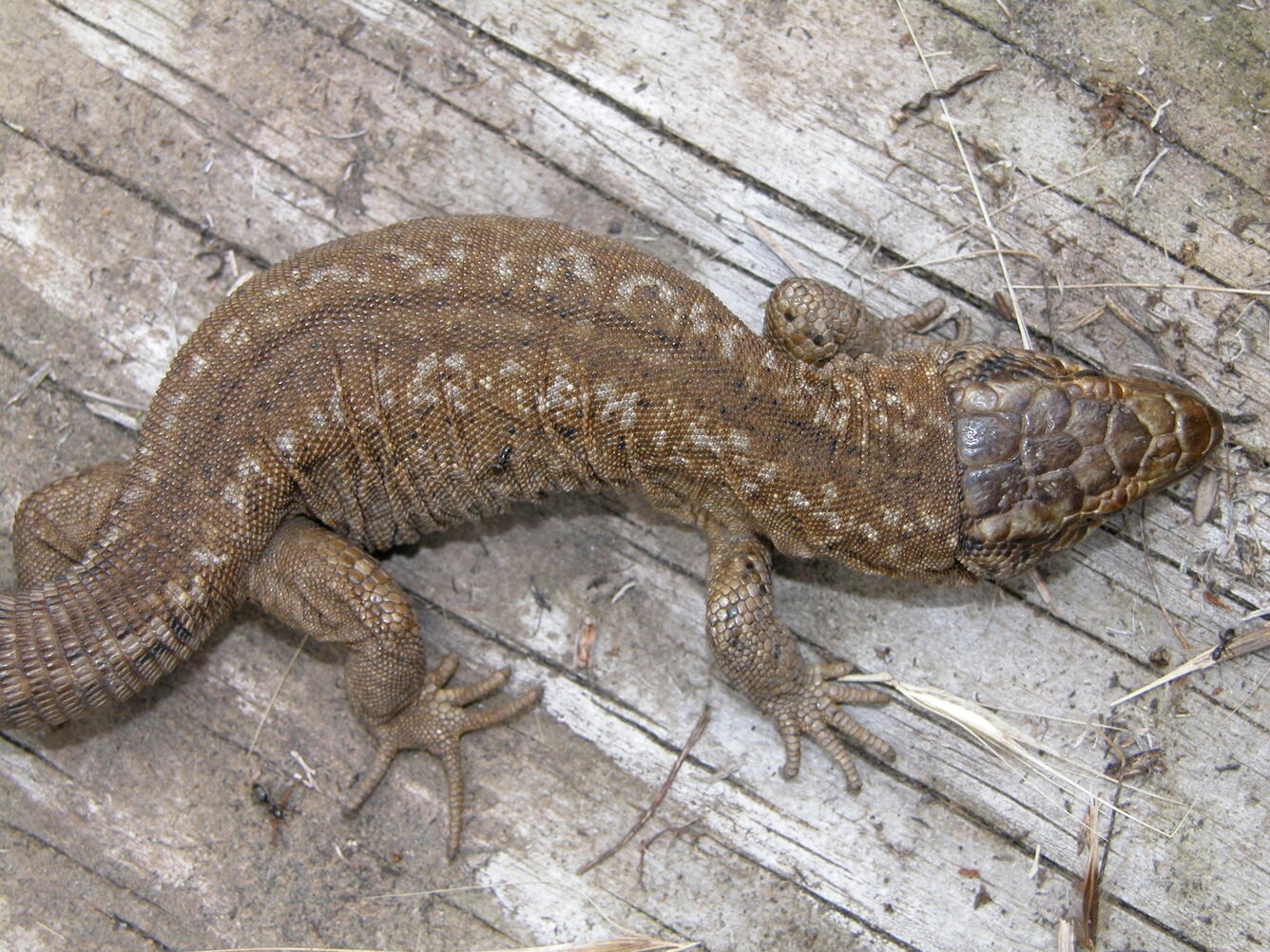
Population estimates combined with comprehensive habitat measurements revealed that high-quality habitat for Island Night Lizards remains quite limited on San Nicolas Island. Prime habitats—prickly pear cactus (approximately 2.7 hectares), boxthorn (1.5 hectares), cholla cactus (0.4 hectares), and boulder beach (0.19 hectares)—together cover less than 0.1% of the island.
Despite this limited extent, these habitats support remarkable lizard densities.
Population estimates averaged 1,704 lizards per hectare in prickly pear cactus stands, 3,380 lizards per hectare in boulder beach habitat, and an impressive 4,146 lizards per hectare in cholla cactus sites.
Lower-quality mixed-shrub habitat, while much more extensive at over 650 hectares, supports considerably lower densities averaging only 250 lizards per hectare.
Combining density estimates with measured habitat areas yielded an estimated total population of approximately 7,300 Island Night Lizards in primary habitats on San Nicolas Island (excluding first-year juveniles).
When including lizards in secondary habitats and accounting for juveniles, the total island-wide population is estimated at approximately 28,500 lizards of all age classes, with roughly 10,000 adults.

Genetic insights reveal population fragmentation
Genetic analyses using DNA microsatellites provided crucial insights into population structure and connectivity. Despite the limited and fragmented distribution of suitable habitat, genetic diversity was remarkably high within sites. However, divergence between sites was extraordinarily high, among the greatest known for any lizard species at comparable spatial scales. Even sites separated by less than 500 meters showed significant genetic differentiation.
This pattern reflects the species' highly sedentary nature. Home ranges on Santa Barbara Island averaged only 17.2 square meters, and on San Clemente Island, 45% of recaptures occurred under the same cover object months later. The farthest documented movement between captures was only 18.5 meters in one year.
Interestingly, despite this extreme sedentariness, high genetic diversity persists even in small, apparently isolated populations. This suggests that rare long-distance dispersal events, though infrequently observed, play an important role in maintaining genetic connectivity across the fragmented landscape.
Navy habitat restoration enhances recovery
Beginning in 2014, Navy natural resources staff initiated vegetation restoration efforts specifically targeted at benefiting Island Night Lizards.
These efforts consisted of dense plantings of prickly pear cacti and California boxthorn, along with native shrubs, vines, bunchgrasses, and herbaceous perennials.
Navy staff strategically selected locations for restoration areas to promote connectivity, creating "stepping stones" between otherwise isolated patches of lizard habitat.
USGS scientists placed artificial cover boards around six restoration sites and monitored them every three to four months to assess natural colonization.
The results demonstrated that Island Night Lizards can successfully colonize restored habitats, though the process is slow.
The first lizards appeared at restoration sites between 34 and 54 months after initial planting.
Since cactus and other shrub species required at least two years to develop sufficiently dense cover, scientists estimate the time from development of suitable habitat conditions to initial lizard arrival as 10–30 months or more.
These restoration efforts represent an important investment in the species' long-term viability, gradually expanding and connecting the limited suitable habitat across the island.
Key study findings to inform the Navy's conservation efforts & continued Island Night Lizard recovery success:
- Habitat restoration: Ongoing restoration efforts may benefit from focusing on creating patches of habitat that link existing sites rather than simply expanding individual patches. The genetic data indicate that strategically placed restoration areas can function as stepping stones, facilitating rare dispersal events that maintain genetic diversity across the fragmented landscape.
- Predator control: Continued vigilance against feral cats and introduced rats remains essential. Although current predator populations appear low, any resurgence could threaten lizard populations, particularly in prime habitats.
- Non-native species monitoring: Argentine ants pose the most serious threat among non-native species, having eliminated lizards from one monitoring site. Tracking ant distribution and implementing control measures where feasible are identified as high priorities for conservation.
- Long-term monitoring: Intermittent monitoring every 3–4 years using established cover board sites would provide adequate data for assessing population trends and tracking changes in distribution as vegetation recovery continues.
A model for species recovery
Despite a history of profound habitat disturbance, Island Night Lizard populations have proven resilient, maintaining high genetic diversity and stable numbers.
Native vegetation continues to gradually recover from a century of overgrazing, and active restoration efforts by Navy staff are expanding suitable habitat.

This endangered species success story offers important lessons for conservation efforts elsewhere: effective non-native predator removal, habitat protection and restoration, long-term scientific monitoring, and strong partnerships between land managers and research scientists can achieve remarkable results even for species with restricted ranges and specialized habitat requirements.

The Island Night Lizard monitoring program on San Nicolas Island demonstrates how sustained partnership between the USGS and the US Navy can successfully shepherd a species from endangerment to recovery.
Related

Monitoring the Rare Island Night Lizard on San Nicolas Island
Related