



eDNA and the Efficacy of Management Actions
Environmental DNA (eDNA) is a powerful feedback tool, giving managers fast, clear, and cost-effective evidence to guide decisions and improve conservation outcomes.
Environmental DNA is not only a tool for detecting species—it is also a way to measure the effectiveness of management actions. By comparing eDNA signals before and after interventions, scientists can see whether efforts such as barriers, removals, reintroductions, or habitat restoration are working.
Invasive Carp: eDNA for Point of Control
Invasive carp, like silver and bighead carp, threaten rivers by outcompeting native fish for food and disrupting entire ecosystems. USGS scientists use environmental DNA to track their movement and test whether barriers or removal programs are working. By sampling water above and below control points, eDNA can quickly show if carp are slipping through or if efforts are slowing their spread. In the Upper Mississippi River, decreased detections of carp DNA downstream have given managers clear proof that barriers and removals are making a difference (Amberg et al., 2013). This makes invasive species control faster, smarter, and more effective.

Monitoring Endangered Native Mussel Reintroductions with eDNA
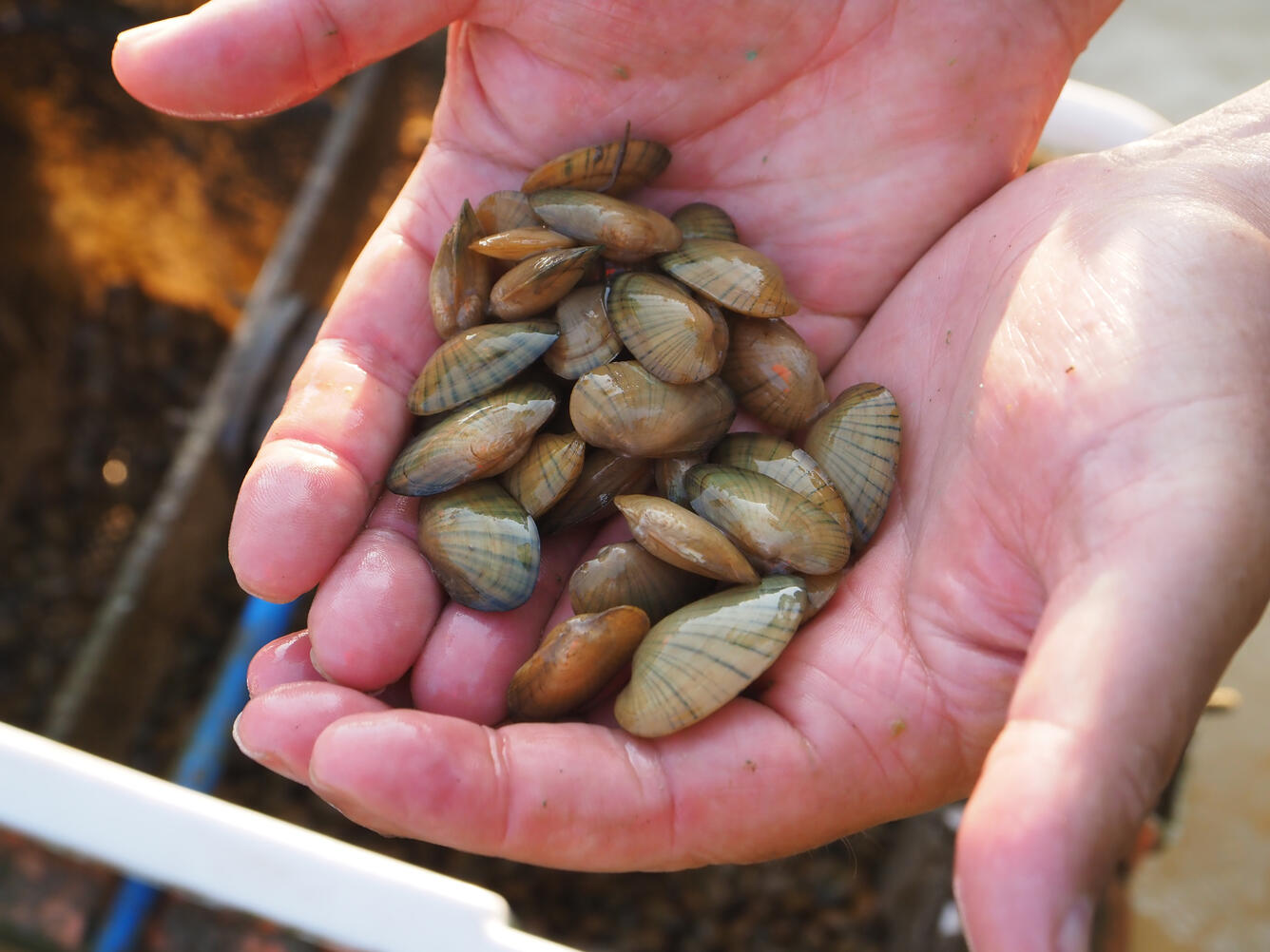
Freshwater mussels act as natural water filters, improving water quality and supporting fish and insects, yet many species have disappeared due to pollution, dams, and invasive species. To bring them back, USGS is working on restoration projects such as reintroductions in Virginia’s Clinch River and Michigan’s Clinton River. Using eDNA, scientists can detect mussel DNA in the water to confirm if reintroduced populations are surviving, reproducing, and expanding. This non-invasive tool also helps identify which habitats give mussels the best chance to recover, guiding future restoration across North America.
Bullfrog Eradication and Amphibian Disease Monitoring
USGS scientists showed that wiping out invasive American bullfrogs across a whole landscape is both doable and highly effective. In a multi-year study at 37 wetlands, teams used field surveys and simple water-testing for genetic traces (eDNA) to guide removal and eliminated bullfrogs from 94% of treated sites. Where bullfrogs were gone, the major amphibian diseases they spread disappeared too. Earlier work from USGS’s Amphibian Research and Monitoring Initiative (ARMI) links bullfrogs to declines in native frogs and higher disease risk, so targeted eradication can protect native wildlife and reduce disease pressure.

Wetland Restoration
In restored wetlands, eDNA surveys are used to check if native species, such as amphibians and aquatic insects, are returning to the area. These animals are sensitive indicators of ecosystem health because they depend on clean water and healthy habitats. Detecting their DNA soon after restoration means that the wetland is once again providing the right conditions for life, offering managers early evidence that the ecosystem is recovering and the restoration is working (Pilliod et al., 2014).

Biosecurity Applications
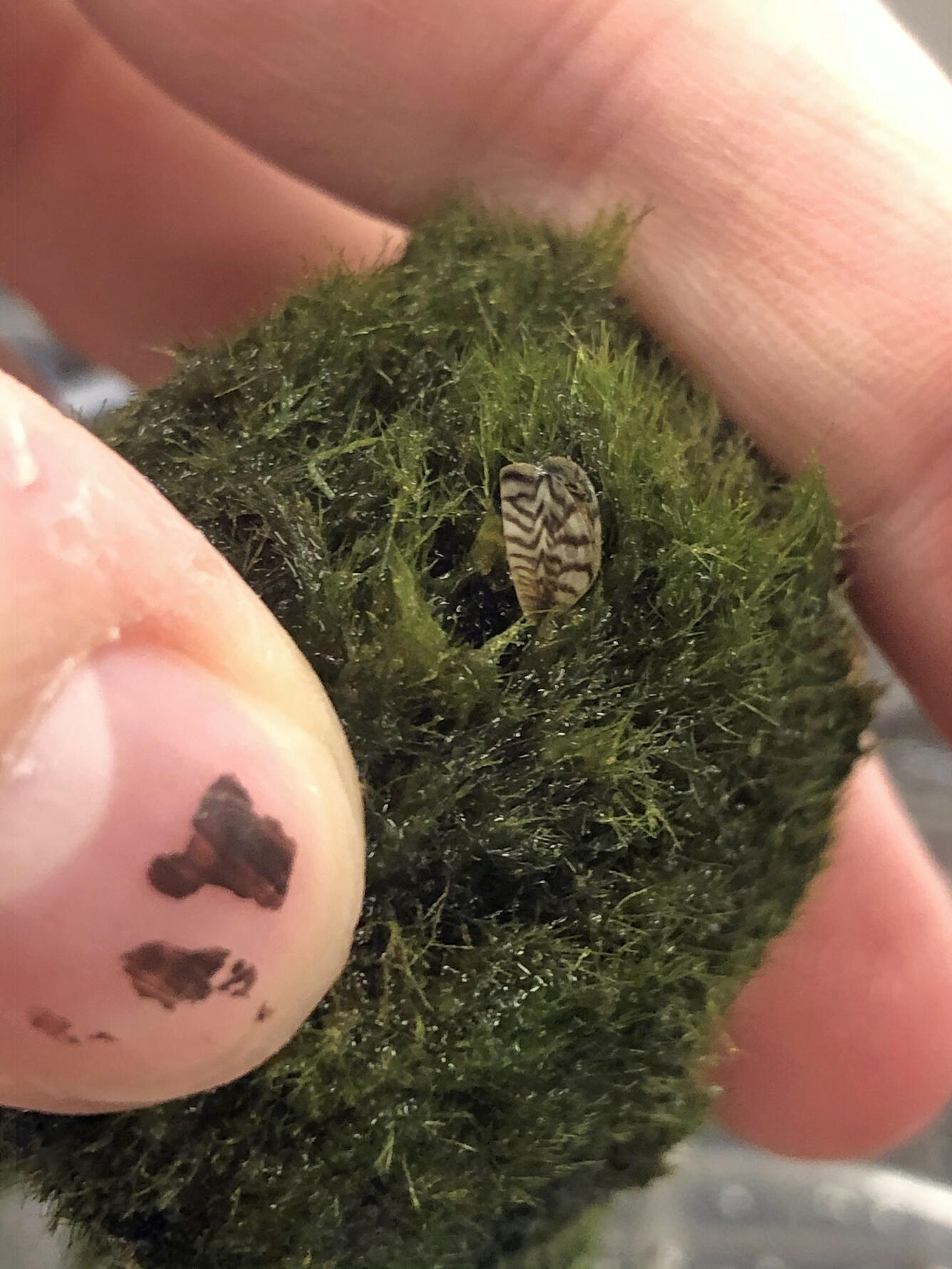
USGS has shown how eDNA can intercept invasive species moving through unexpected pathways. Zebra mussels—an invasive species that reproduce rapidly, blanket hard surfaces, and clog water-intake pipes at drinking-water and power facilities—cost the U.S. economy more than $1 billion annually. In 2021, a zebra mussel was found in “moss balls” sold for aquariums across the country, showing how invasives can slip in through commerce. By rapidly developing and deploying eDNA tests, USGS scientists confirmed contamination in more than 40 states, prompting nationwide alerts and recalls to prevent them from reaching local waters. This example demonstrates how eDNA strengthens national biosecurity by providing early detection—even outside natural habitats.

Developing Detection Probabilities and Quantifying the Effects of Flowing Water to Improve Invasive Carp Environmental DNA (eDNA) Surveys
Environmental DNA (eDNA) is a powerful feedback tool, giving managers fast, clear, and cost-effective evidence to guide decisions and improve conservation outcomes.
Environmental DNA is not only a tool for detecting species—it is also a way to measure the effectiveness of management actions. By comparing eDNA signals before and after interventions, scientists can see whether efforts such as barriers, removals, reintroductions, or habitat restoration are working.
Invasive Carp: eDNA for Point of Control
Invasive carp, like silver and bighead carp, threaten rivers by outcompeting native fish for food and disrupting entire ecosystems. USGS scientists use environmental DNA to track their movement and test whether barriers or removal programs are working. By sampling water above and below control points, eDNA can quickly show if carp are slipping through or if efforts are slowing their spread. In the Upper Mississippi River, decreased detections of carp DNA downstream have given managers clear proof that barriers and removals are making a difference (Amberg et al., 2013). This makes invasive species control faster, smarter, and more effective.
Monitoring Endangered Native Mussel Reintroductions with eDNA
Freshwater mussels act as natural water filters, improving water quality and supporting fish and insects, yet many species have disappeared due to pollution, dams, and invasive species. To bring them back, USGS is working on restoration projects such as reintroductions in Virginia’s Clinch River and Michigan’s Clinton River. Using eDNA, scientists can detect mussel DNA in the water to confirm if reintroduced populations are surviving, reproducing, and expanding. This non-invasive tool also helps identify which habitats give mussels the best chance to recover, guiding future restoration across North America.
Bullfrog Eradication and Amphibian Disease Monitoring
USGS scientists showed that wiping out invasive American bullfrogs across a whole landscape is both doable and highly effective. In a multi-year study at 37 wetlands, teams used field surveys and simple water-testing for genetic traces (eDNA) to guide removal and eliminated bullfrogs from 94% of treated sites. Where bullfrogs were gone, the major amphibian diseases they spread disappeared too. Earlier work from USGS’s Amphibian Research and Monitoring Initiative (ARMI) links bullfrogs to declines in native frogs and higher disease risk, so targeted eradication can protect native wildlife and reduce disease pressure.
Wetland Restoration
In restored wetlands, eDNA surveys are used to check if native species, such as amphibians and aquatic insects, are returning to the area. These animals are sensitive indicators of ecosystem health because they depend on clean water and healthy habitats. Detecting their DNA soon after restoration means that the wetland is once again providing the right conditions for life, offering managers early evidence that the ecosystem is recovering and the restoration is working (Pilliod et al., 2014).
Biosecurity Applications
USGS has shown how eDNA can intercept invasive species moving through unexpected pathways. Zebra mussels—an invasive species that reproduce rapidly, blanket hard surfaces, and clog water-intake pipes at drinking-water and power facilities—cost the U.S. economy more than $1 billion annually. In 2021, a zebra mussel was found in “moss balls” sold for aquariums across the country, showing how invasives can slip in through commerce. By rapidly developing and deploying eDNA tests, USGS scientists confirmed contamination in more than 40 states, prompting nationwide alerts and recalls to prevent them from reaching local waters. This example demonstrates how eDNA strengthens national biosecurity by providing early detection—even outside natural habitats.