



Birds are vital to our economy, ecosystems, and cultural heritage. Investing in bird conservation benefits communities, businesses, and working lands while reinforcing our nation’s legacy of stewardship and biodiversity. By valuing birds, we ensure a richer, healthier, and more vibrant future for all Americans.
Bird banding allows for the unique identification of each individual bird. This technique opens up new lines of scientific research such as population analysis, survival estimates, and tracking movements. By better understanding these patterns, scientists can answer questions that go far beyond birds, helping track ecosystem change, guide conservation decisions, and protect both wildlife and human communities.
The U.S. Geological Survey’s Bird Banding Laboratory (BBL) serves as the national repository for bird banding data. Across the country, Federal and State wildlife agencies, Flyway Councils, non-governmental organizations, and more consider the BBL’s bird banding and encounter dataset to be critical to meeting their mandates to set healthy harvest levels, identifying species of conservation need, and informing vital land management and conservation actions.
How Bird Banding Works
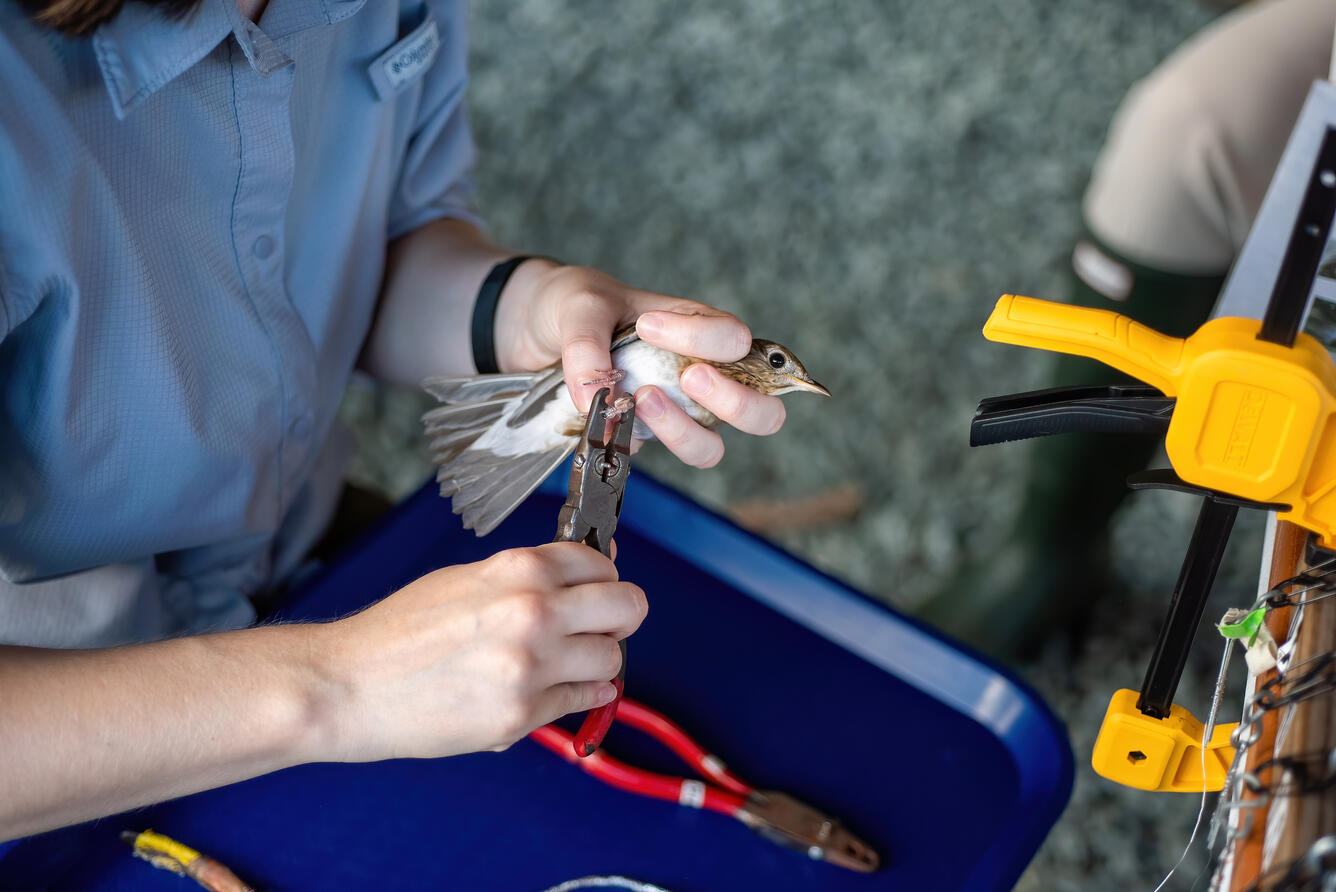
Bird banding, a tool for studying birds, is the placement of a uniquely numbered band on the bird’s leg, giving each bird a distinct identification number that can help track the bird from the point of banding as it moves across the landscape. These techniques support studies ranging from local research to nationwide projects like the MAPS Program (Monitoring Avian Productivity and Survivorship), which uses standardized protocols to allow researchers across North America to compare data and identify continent‑wide patterns in bird populations.
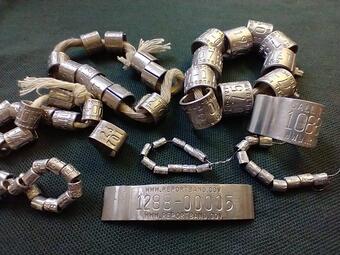
Beyond standard bands, various other auxiliary marking techniques can be used such as wing tags, neck collars, and transmitters. These additional tools allow for individual identification and tracking without recapturing birds.

When a bird is being banded, researchers also gather key data such as:
- Age, determined through feather condition, skull development, eye color, or nest context
- Sex, when possible, based on plumage or size
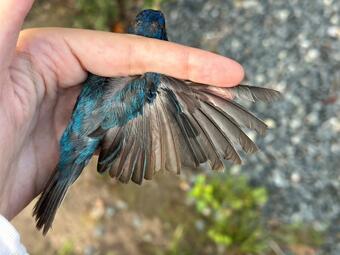
- Measurements, such as wing, tail, bill, and tarsus length
- Overall condition, including feather wear, fat levels, injuries, parasites, or signs of disease
- Samples, such as blood, feathers, fecal material, or swabs (when scientifically justified and permitted)
Banding, auxiliary marking, and the collection of additional data and samples are all conducted using standardized, scientifically rigorous methods ensuring that banding data are accurate, reproducible, and useful for research at multiple scales.
Bird Banding in the United States
In 1918, the BBL was established to manage the bird banding program in the United States. The BBL holds the federal permitting responsibility for bird banding and marking; maintains the supply of bands for all banders; and oversees the collection, management, and dissemination of data collected from banded and marked birds.
As the national repository for bird banding data, the BBL has collected and curated banding and encounter data for all native wild bird species across the country since 1920. This dataset allows scientists to combine information from thousands of studies, analyze large‑scale patterns, and apply results to broader issues, from managing natural resources to supporting public safety.
What benefits birds ultimately benefits people and the planet.
What Scientists Learn
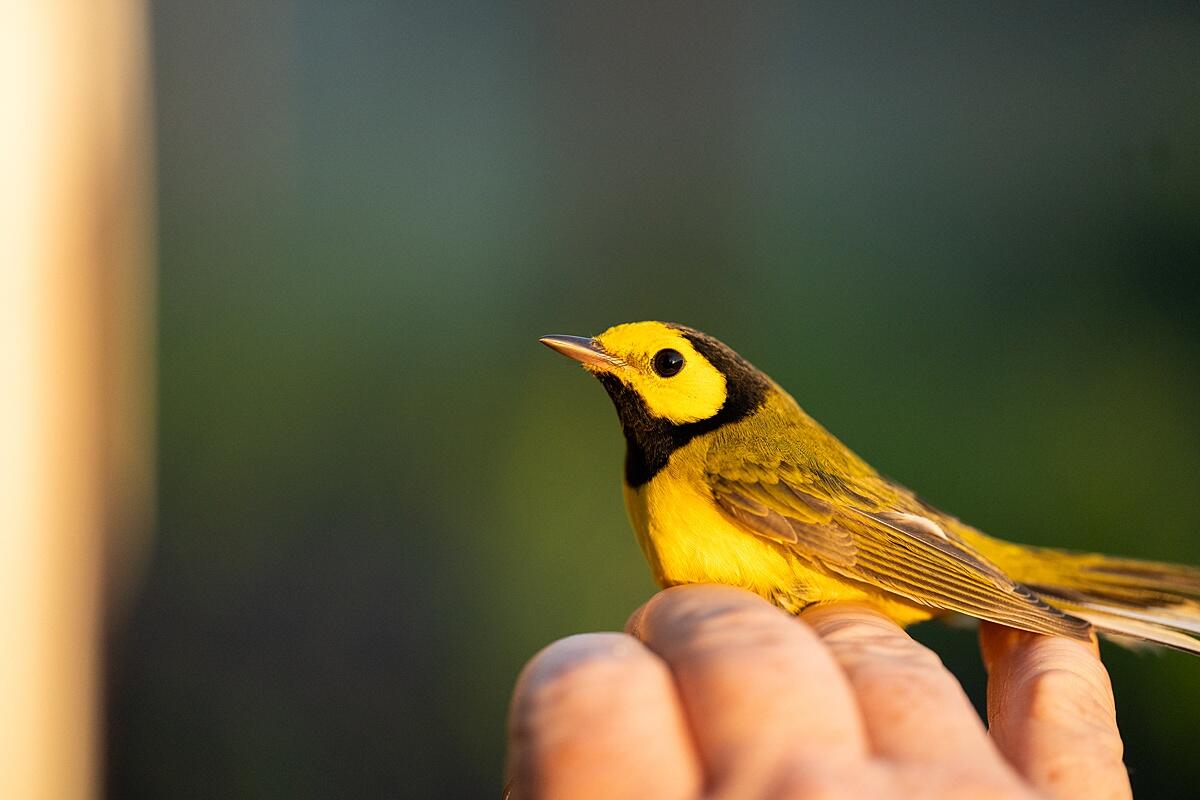
What do scientists want to learn by banding birds? Individual identification of birds through banding, and the additional marking and data collection that often accompanies banding, can provide information about:
- An individual species (plumage variation, song variation, mate preference, longevity, etc.),
- Location (microhabitat use, nest location, local nest success, territory density, dietary composition, return rate, etc.), and
- Timing (circadian rhythms, nest initiation, migration dates arrival/departure, etc.).
Collectively, bird banding data can reveal information on bird dispersal and migration, behavior and social structure, life span, survival and productivity, and population studies. Questions on these topics are the building blocks that can be the foundation for broader scientific inquiry and discovery.
Beyond the building blocks, scientists use bird banding data to inform management and conservation projects, increase public health and safety, and to aid in the efficient and effective utilization of our natural resources while minimizing the negative impacts on the environment. Ultimately, the reasons scientists band birds go well beyond just the initial data they acquire: bird banding has a broad capacity to help individuals, society, and the environment.

How does bird banding help you?
Public Health & Safety
Contaminants & Toxins
Bird banding plays a central role in identifying and tracking environmental contaminants. Historically, banding data helped expose the devastating effects of DDT on falcons, Bald Eagles, and variety of other species, prompting landmark research and ultimately leading to the pesticide’s ban. Banding continues to reveal risks from legacy chemicals like PCBs and newer toxins such as PBDEs and pharmaceuticals, as shown in ongoing Osprey research in the Chesapeake Bay.
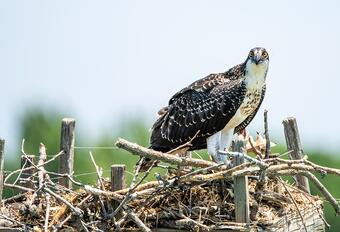
Birds are also sentinels for PFAS (“forever chemicals”) and rodenticides. Banding records help pinpoint contamination hotspots by showing where birds forage, nest, and die. Studies on American Kestrels, Eastern Screech-Owls, and Brown Pelicans have demonstrated how contaminants move through food webs, harm wildlife health, and indicate emerging human health risks long before contaminants appear in drinking water or people.
Wildlife Diseases
Birds can carry diseases that affect both avian and human populations. Bird banding helps track pathogens such as avian influenza, West Nile virus, encephalitis, and Lyme disease.
Banders are critical to national efforts to monitor avian influenza in waterfowl. Telemetry and banding data reveal how wild and domestic birds interact across landscapes, supporting disease management decisions that protect food security, public safety, and wildlife health.
Airplane & Motor Vehicle Collisions
Bird–aircraft collisions are a threat to human safety and cause millions of dollars in damages annually. USDA APHIS Wildlife Services uses banding data to better understand bird movements near airports, inform habitat modifications, and reduce the risk of bird strikes through targeted deterrents.
Banding data also informs studies of wildlife–vehicle collisions. Identifying patterns in roadkill helps researchers recommend changes that improve safety for drivers and wildlife.
How Bird Banding Supports Our Outdoor Heritage
Birdwatching
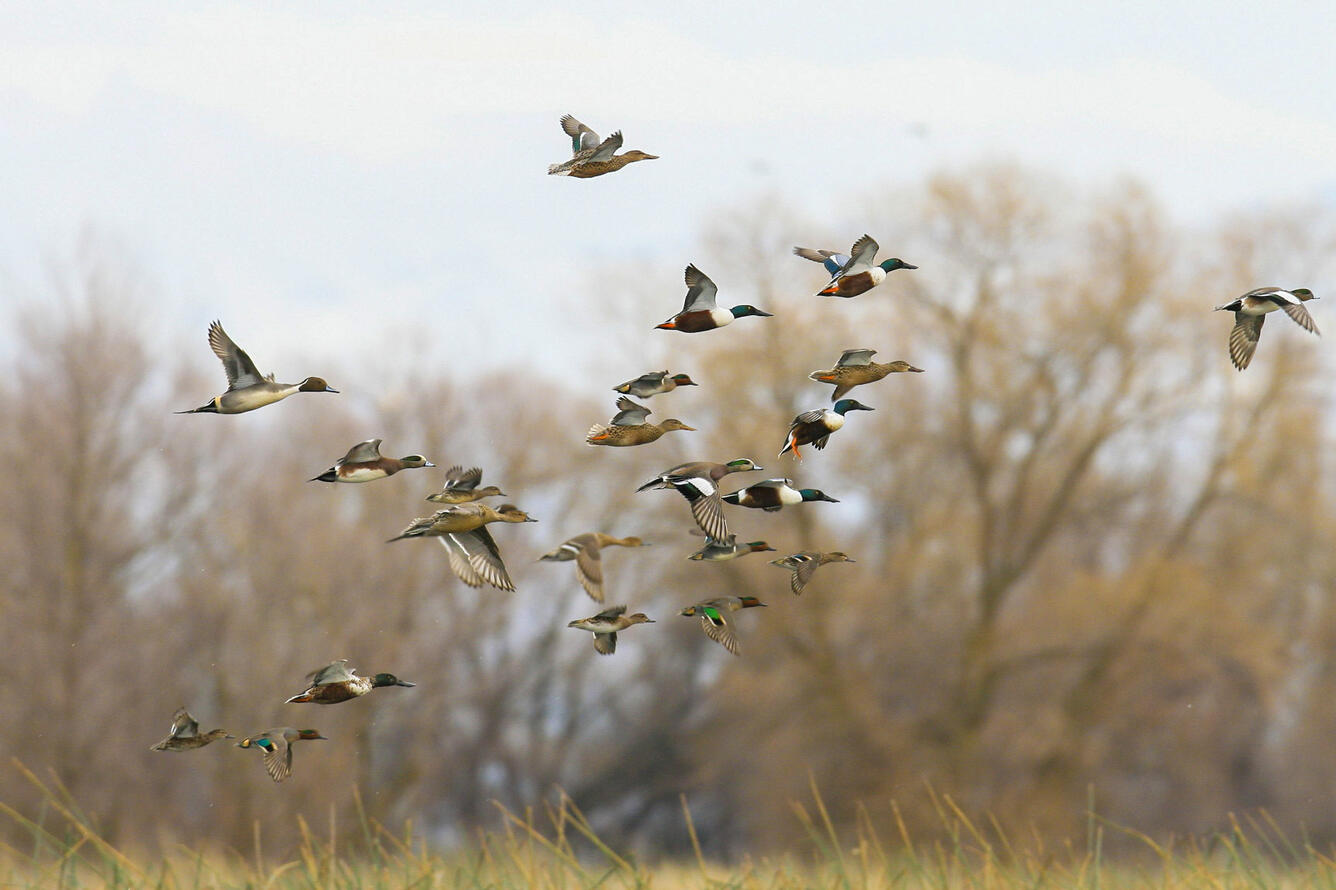
Birds enrich America’s outdoor spaces and support a thriving recreation economy. In 2022, about 96 million Americans participated in birdwatching, generating \$279 billion in economic output.
The rise of community science platforms such as eBird and iNaturalist has expanded public engagement in bird watching. Visitors of parks and refuges often seek out banding stations for the opportunity to see birds and bird banding up close. Simultaneously, the improvement in camera technology and the increase in color-marked birds on the landscape has also allowed more people to locate and identify live banded birds than ever before. Reporting encounters with banded birds has become a meaningful way for the public to contribute to scientific knowledge.
Hunting
Bird banding has long supported sustainable gamebird management. Each year, the BBL provides state and federal agencies with essential data used to set waterfowl hunting regulations.
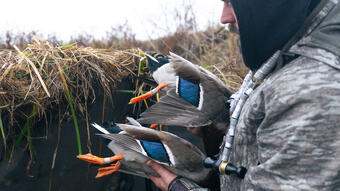
Banding studies can help reveal migration patterns, harvest and survival rates, and how age and sex affects vulnerability to hunting pressure. These data inform management decisions that ensure gamebird populations remain healthy for the more than one million Americans who participate in migratory bird hunting annually. In many Indigenous communities, such as Alaska’s Iñupiat, seasonal bird harvests remain an important source of food and cultural identity.
Cultural Significance
Banding data support conservation decisions that protect culturally important species and landscapes.
For example, banding data helped scientists monitor the recovery of Bald Eagle populations and supported the decision to delist the species. In the Chesapeake Bay, banding data on American Black Ducks has informed tidal marsh conservation and helped preserve habitats central to the region’s identity, history, and communities.
Bird Banding Informs Conservation & Management
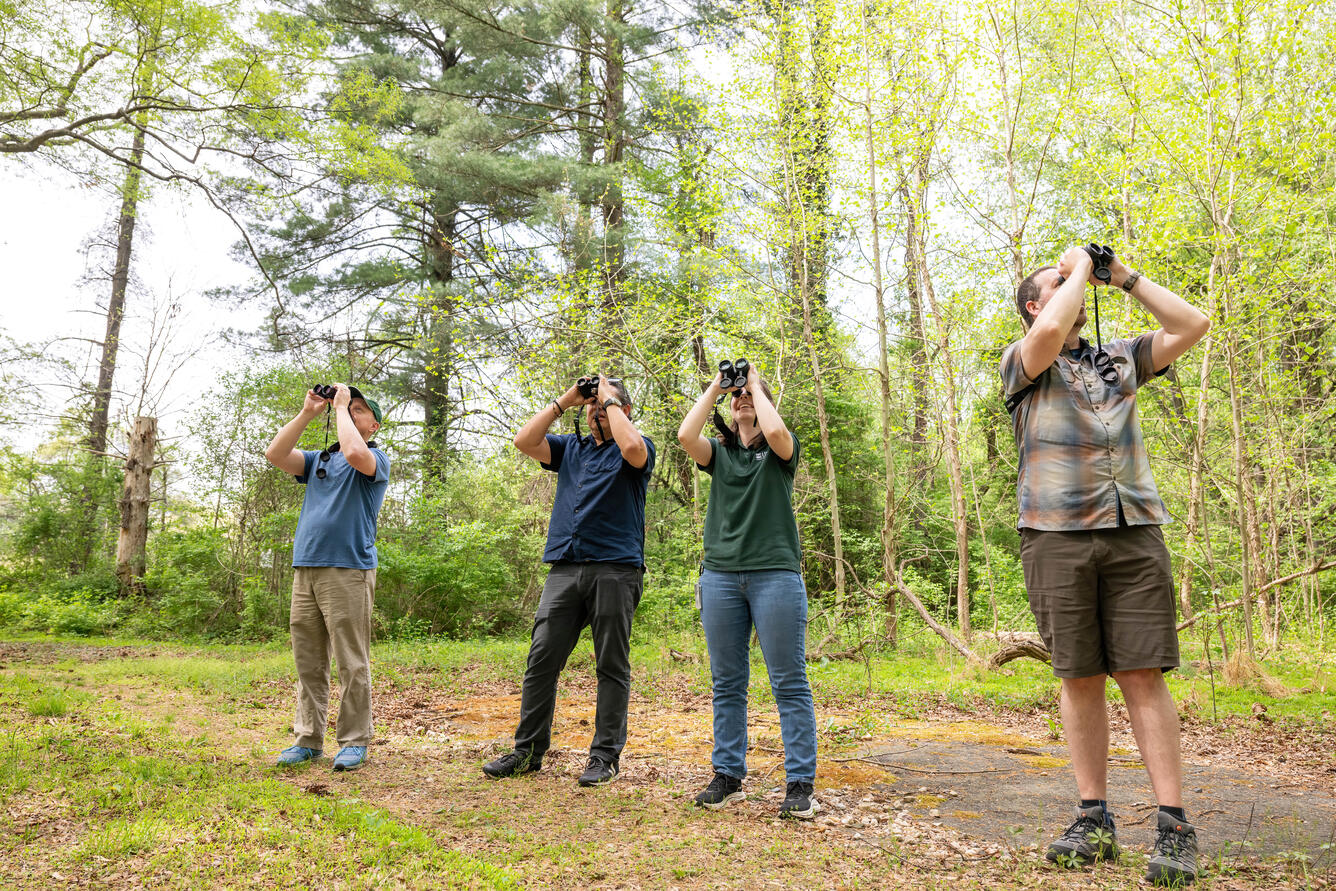
Banding data are foundational to wildlife conservation. They provide information on migration, breeding, wintering, survival, habitat preferences, and population health – essential for setting hunting regulations, restoring habitats, and managing species.
At sea, banding data has helped reduce seabird bycatch, supporting sustainable fisheries and protecting vulnerable species. Studies of diving birds have influenced Navy sonar protocols and informed the development of acoustic deterrents for gillnet fisheries.
Banding data are also used in species recovery efforts. They were central to tracking the rebound of the Whooping Crane and have helped the U.S. Fish and Wildlife Service make listing decisions under the Endangered Species Act, including the recent downlisting of the Red‑cockaded Woodpecker and the delisting of the Black-capped Vireo.
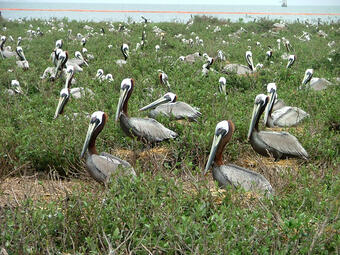
Banding provides crucial information for preventing and assessing environmental impacts. It has been used to monitor pollution, guide habitat preservation, and evaluate ecological damage after events like the Deepwater Horizon oil spill.
These data help identify declines in species and biodiversity, reveal environmental stressors, and support effective conservation solutions.

Small Discoveries, Big Impact
Small discoveries accumulate to shape major scientific advances. Long‑term banding studies provide especially rich datasets that reveal generational changes, shifts in migration, responses to environmental changes, and new longevity records.
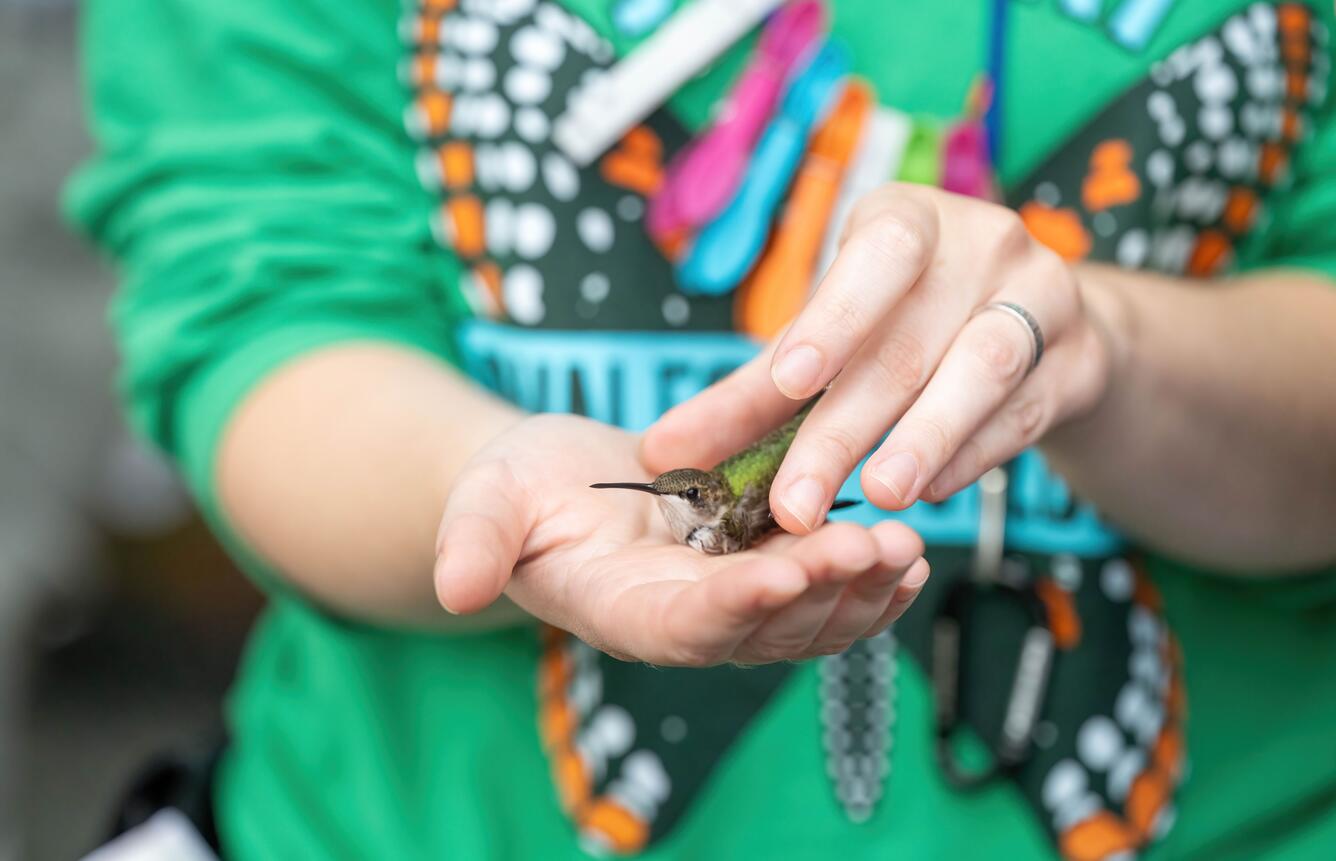
Insights from birds often inspire innovation across fields. Biomimicry has driven breakthroughs in transportation, materials science, robotics, and aerospace – from kingfisher‑inspired train design to research on woodpecker anatomy informing new approaches to impact resistance. Advancements in avian tracking technologies – now capable of monitoring species as small as hummingbirds – illustrate how bird banding continually pushes scientific tools forward. Science builds on itself, connecting evidence and innovation across disciplines to deepen our understanding of the world and our role in it.
Overall, these are just a few of the many ways that bird banding plays a role in science, conservation, and management.
Birds are vital to our economy, ecosystems, and cultural heritage. Investing in bird conservation benefits communities, businesses, and working lands while reinforcing our nation’s legacy of stewardship and biodiversity. By valuing birds, we ensure a richer, healthier, and more vibrant future for all Americans.
Bird banding allows for the unique identification of each individual bird. This technique opens up new lines of scientific research such as population analysis, survival estimates, and tracking movements. By better understanding these patterns, scientists can answer questions that go far beyond birds, helping track ecosystem change, guide conservation decisions, and protect both wildlife and human communities.
The U.S. Geological Survey’s Bird Banding Laboratory (BBL) serves as the national repository for bird banding data. Across the country, Federal and State wildlife agencies, Flyway Councils, non-governmental organizations, and more consider the BBL’s bird banding and encounter dataset to be critical to meeting their mandates to set healthy harvest levels, identifying species of conservation need, and informing vital land management and conservation actions.
How Bird Banding Works
Bird banding, a tool for studying birds, is the placement of a uniquely numbered band on the bird’s leg, giving each bird a distinct identification number that can help track the bird from the point of banding as it moves across the landscape. These techniques support studies ranging from local research to nationwide projects like the MAPS Program (Monitoring Avian Productivity and Survivorship), which uses standardized protocols to allow researchers across North America to compare data and identify continent‑wide patterns in bird populations.
Beyond standard bands, various other auxiliary marking techniques can be used such as wing tags, neck collars, and transmitters. These additional tools allow for individual identification and tracking without recapturing birds.
When a bird is being banded, researchers also gather key data such as:
- Age, determined through feather condition, skull development, eye color, or nest context
- Sex, when possible, based on plumage or size
- Measurements, such as wing, tail, bill, and tarsus length
- Overall condition, including feather wear, fat levels, injuries, parasites, or signs of disease
- Samples, such as blood, feathers, fecal material, or swabs (when scientifically justified and permitted)
Banding, auxiliary marking, and the collection of additional data and samples are all conducted using standardized, scientifically rigorous methods ensuring that banding data are accurate, reproducible, and useful for research at multiple scales.
Bird Banding in the United States
In 1918, the BBL was established to manage the bird banding program in the United States. The BBL holds the federal permitting responsibility for bird banding and marking; maintains the supply of bands for all banders; and oversees the collection, management, and dissemination of data collected from banded and marked birds.
As the national repository for bird banding data, the BBL has collected and curated banding and encounter data for all native wild bird species across the country since 1920. This dataset allows scientists to combine information from thousands of studies, analyze large‑scale patterns, and apply results to broader issues, from managing natural resources to supporting public safety.
What benefits birds ultimately benefits people and the planet.
What Scientists Learn
What do scientists want to learn by banding birds? Individual identification of birds through banding, and the additional marking and data collection that often accompanies banding, can provide information about:
- An individual species (plumage variation, song variation, mate preference, longevity, etc.),
- Location (microhabitat use, nest location, local nest success, territory density, dietary composition, return rate, etc.), and
- Timing (circadian rhythms, nest initiation, migration dates arrival/departure, etc.).
Collectively, bird banding data can reveal information on bird dispersal and migration, behavior and social structure, life span, survival and productivity, and population studies. Questions on these topics are the building blocks that can be the foundation for broader scientific inquiry and discovery.
Beyond the building blocks, scientists use bird banding data to inform management and conservation projects, increase public health and safety, and to aid in the efficient and effective utilization of our natural resources while minimizing the negative impacts on the environment. Ultimately, the reasons scientists band birds go well beyond just the initial data they acquire: bird banding has a broad capacity to help individuals, society, and the environment.
How does bird banding help you?
Public Health & Safety
Contaminants & Toxins
Bird banding plays a central role in identifying and tracking environmental contaminants. Historically, banding data helped expose the devastating effects of DDT on falcons, Bald Eagles, and variety of other species, prompting landmark research and ultimately leading to the pesticide’s ban. Banding continues to reveal risks from legacy chemicals like PCBs and newer toxins such as PBDEs and pharmaceuticals, as shown in ongoing Osprey research in the Chesapeake Bay.
Birds are also sentinels for PFAS (“forever chemicals”) and rodenticides. Banding records help pinpoint contamination hotspots by showing where birds forage, nest, and die. Studies on American Kestrels, Eastern Screech-Owls, and Brown Pelicans have demonstrated how contaminants move through food webs, harm wildlife health, and indicate emerging human health risks long before contaminants appear in drinking water or people.
Wildlife Diseases
Birds can carry diseases that affect both avian and human populations. Bird banding helps track pathogens such as avian influenza, West Nile virus, encephalitis, and Lyme disease.
Banders are critical to national efforts to monitor avian influenza in waterfowl. Telemetry and banding data reveal how wild and domestic birds interact across landscapes, supporting disease management decisions that protect food security, public safety, and wildlife health.
Airplane & Motor Vehicle Collisions
Bird–aircraft collisions are a threat to human safety and cause millions of dollars in damages annually. USDA APHIS Wildlife Services uses banding data to better understand bird movements near airports, inform habitat modifications, and reduce the risk of bird strikes through targeted deterrents.
Banding data also informs studies of wildlife–vehicle collisions. Identifying patterns in roadkill helps researchers recommend changes that improve safety for drivers and wildlife.
How Bird Banding Supports Our Outdoor Heritage
Birdwatching
Birds enrich America’s outdoor spaces and support a thriving recreation economy. In 2022, about 96 million Americans participated in birdwatching, generating \$279 billion in economic output.
The rise of community science platforms such as eBird and iNaturalist has expanded public engagement in bird watching. Visitors of parks and refuges often seek out banding stations for the opportunity to see birds and bird banding up close. Simultaneously, the improvement in camera technology and the increase in color-marked birds on the landscape has also allowed more people to locate and identify live banded birds than ever before. Reporting encounters with banded birds has become a meaningful way for the public to contribute to scientific knowledge.
Hunting
Bird banding has long supported sustainable gamebird management. Each year, the BBL provides state and federal agencies with essential data used to set waterfowl hunting regulations.
Banding studies can help reveal migration patterns, harvest and survival rates, and how age and sex affects vulnerability to hunting pressure. These data inform management decisions that ensure gamebird populations remain healthy for the more than one million Americans who participate in migratory bird hunting annually. In many Indigenous communities, such as Alaska’s Iñupiat, seasonal bird harvests remain an important source of food and cultural identity.
Cultural Significance
Banding data support conservation decisions that protect culturally important species and landscapes.
For example, banding data helped scientists monitor the recovery of Bald Eagle populations and supported the decision to delist the species. In the Chesapeake Bay, banding data on American Black Ducks has informed tidal marsh conservation and helped preserve habitats central to the region’s identity, history, and communities.
Bird Banding Informs Conservation & Management
Banding data are foundational to wildlife conservation. They provide information on migration, breeding, wintering, survival, habitat preferences, and population health – essential for setting hunting regulations, restoring habitats, and managing species.
At sea, banding data has helped reduce seabird bycatch, supporting sustainable fisheries and protecting vulnerable species. Studies of diving birds have influenced Navy sonar protocols and informed the development of acoustic deterrents for gillnet fisheries.
Banding data are also used in species recovery efforts. They were central to tracking the rebound of the Whooping Crane and have helped the U.S. Fish and Wildlife Service make listing decisions under the Endangered Species Act, including the recent downlisting of the Red‑cockaded Woodpecker and the delisting of the Black-capped Vireo.
Banding provides crucial information for preventing and assessing environmental impacts. It has been used to monitor pollution, guide habitat preservation, and evaluate ecological damage after events like the Deepwater Horizon oil spill.
These data help identify declines in species and biodiversity, reveal environmental stressors, and support effective conservation solutions.
Small Discoveries, Big Impact
Small discoveries accumulate to shape major scientific advances. Long‑term banding studies provide especially rich datasets that reveal generational changes, shifts in migration, responses to environmental changes, and new longevity records.
Insights from birds often inspire innovation across fields. Biomimicry has driven breakthroughs in transportation, materials science, robotics, and aerospace – from kingfisher‑inspired train design to research on woodpecker anatomy informing new approaches to impact resistance. Advancements in avian tracking technologies – now capable of monitoring species as small as hummingbirds – illustrate how bird banding continually pushes scientific tools forward. Science builds on itself, connecting evidence and innovation across disciplines to deepen our understanding of the world and our role in it.
Overall, these are just a few of the many ways that bird banding plays a role in science, conservation, and management.