



From source to streams: New national models estimate seasonal nutrients over 21 years in rivers across the U.S.
Excess nutrients such as nitrogen and phosphorus in streams can lead to the need for costly water treatment and ecosystem management. New USGS nutrient models examine how nutrients move from landscape to streams, including how past pollution affects water quality today. These models quantify nutrient loads (by source), yields, delivery, and concentrations seasonally over time.
Excess nitrogen and phosphorus in rivers and streams are among the most widespread and costly water-quality challenges globally. Signs of excess nutrients in surface water include eutrophication, harmful algal blooms, ecological degradation, and impacts on drinking water availability. Long-term surface water quality monitoring and modeling are key research areas for the USGS Water Mission Area as we strive to understand how and why water quality is changing.
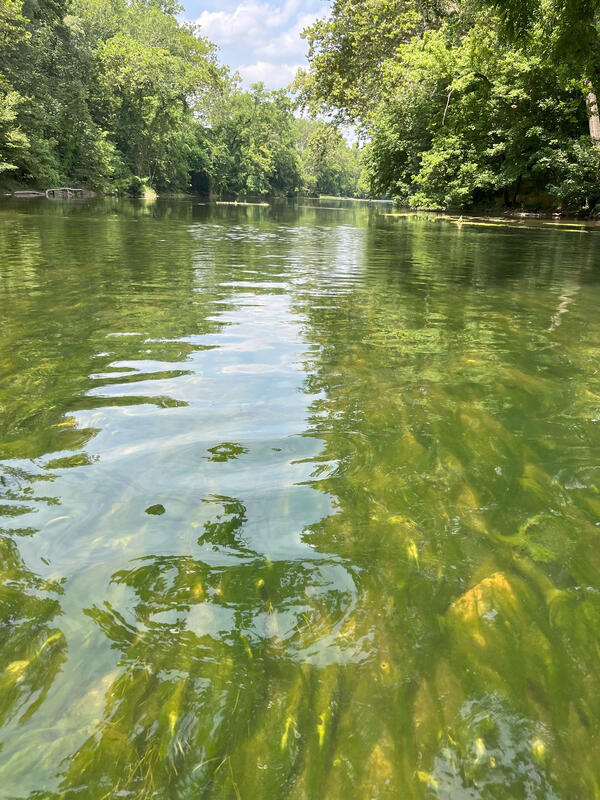
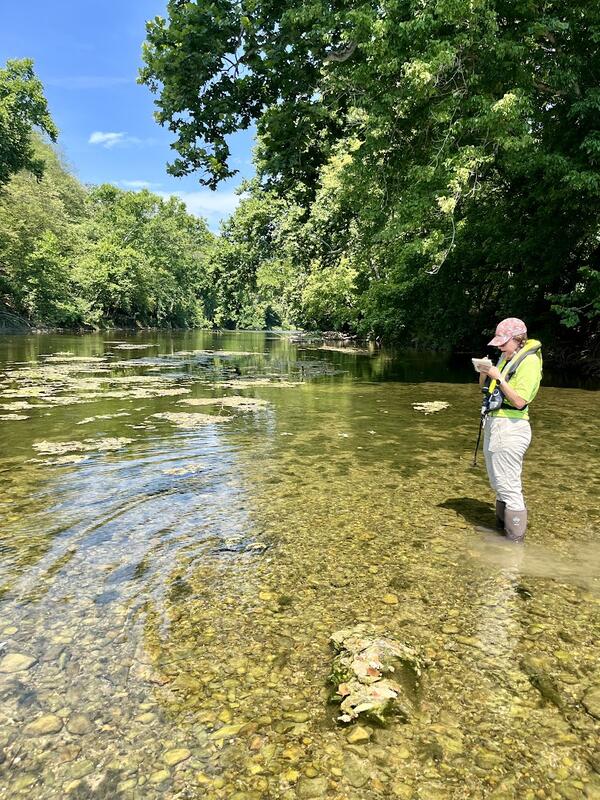
The USGS has published new national-scale dynamic SPARROW models, where SPARROW stands for SPAtially Referenced Regression On Watershed attributes. These new dynamic nutrient models predict nutrient loads and sources at a seasonal time step across the streams of the lower 48 states from 2000 through 2020. In addition to estimating loads from major nutrient sources - including agricultural fertilizers, treated wastewater, and atmospheric deposition, these time-varying models improve previous SPARROW models by estimating lagged nutrient delivery instead of relying on static, long-term averages. The models provide more informative predictions of when and where nutrients enter streams and how they affect water availability.
Lagged nutrients dominate stream loads
The new SPARROW models show that between one-third and one-half of nutrient loads in U.S. streams originated from previous seasons, indicating that historical inputs continue to affect water quality today. Additionally, these lagged, non-point sources of nutrients were the dominant source across the lower 48 states, followed by current season agricultural fertilizers. This highlights why water‑quality improvements often lag behind management actions and why addressing legacy nutrients, along with other non-point and point‑source nutrient loads, is essential for long‑term success.
Nutrient loads and the importance of different nutrient sources, including nutrients left over from past years, shifted throughout the year across the CONUS and in most streams. Spring saw the highest nutrient loads, driven by runoff and newly applied fertilizer and manure, with some regional exceptions such as the Pacific Northwest. Current season fertilizer contributed most strongly in spring and less in other seasons. In contrast, lagged nutrients played a smaller role in spring but became increasingly important through summer, fall, and winter.
The winding road to improvement
Despite reductions in some sources like treated wastewater and atmospheric deposition, overall total nitrogen and total phosphorus loads increased from 2000–2020 across the lower 48 states, driven largely by lagged inputs, agricultural sources and hydrology. Increased nutrient loads pose growing risks to downstream receiving waterbodies and reflect the need for continued nutrient reduction efforts.
Results also indicated widespread areas where concentrations frequently exceeded the National Rivers and Streams Assessment “poor” criteria during 2000–2020 and provide information about the timing and sources contributing to nutrient delivery, which can be used to guide nutrient management efforts.
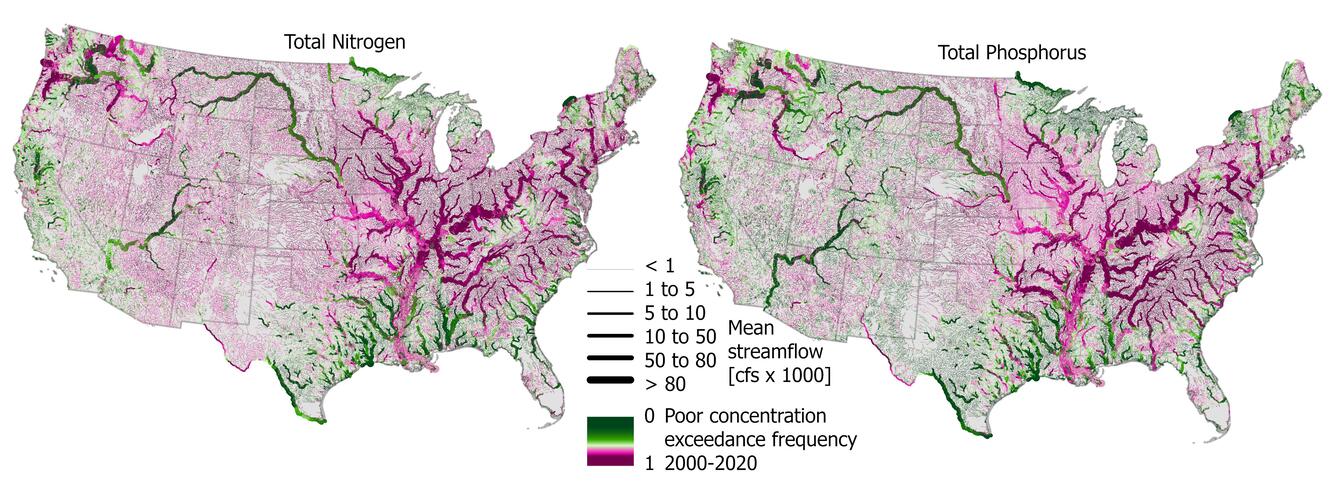
For example, the Midwest region of the U.S. was identified as an area with high nutrient levels. Dominant sources in this area were the lagged delivery of past non-point sources and current agricultural sources. Loads from both sources have increased from 2000 to 2020, resulting in increased loads and yields. However, nutrient concentrations have declined in many places, presumably due in part to increased precipitation and management actions throughout the Midwest during that period. Consequently, despite some improvements in in-stream water availability related to declining concentrations, downstream waterbodies have received increased nutrient loads that can negatively impact water quality and thus availability.
Effective water-quality management typically requires consideration of complex interactions among multiple natural and human factors. These new USGS SPARROW models help pinpoint when, where, and why nutrients are entering rivers, offering a tool for evaluating and protecting water quality across the United States.
Read the paper
Access the modeled data
Access the model code
Related

SPARROW modeling: Estimating nutrient, sediment, and dissolved solids transport
Everything you need to know about SPARROW
Related
SPARROW modeling: Estimating nutrient, sediment, and dissolved solids transport