



2025 CASC Annual Summary
Explore highlights from our science activities and key initiatives across the CASC network in Fiscal Year 2025.
In Fiscal Year 2025 (October 2024-September 2025), the National and Regional Climate Adaptation Science Centers (CASCs) worked closely with partners to advance climate adaptation and support natural resource stewardship. In fact, CASC research was among the most highly cited in multiple environmental science journals. Highlights from FY25 include research aimed at helping managers make informed decisions in the face of ecological change using the Resist-Accept-Direct (RAD) Framework, and the launch of the CASC Climate Adaptation Technical Services (CATS) pilot effort to provide rapid response to management needs on climate adaptation.
Read on to learn more about these activities, highlights from the National CASC and each regional CASC, and notable FY25 events.
2025 Science Highlights
Title
Explore CASC 2025 science highlights by clicking on numbered locations across the map.
We feature 22 projects, two from each CASC plus two collaborative, multi-CASC efforts. Tap any numbered location to read about the featured work and follow the "Learn More" links to read the original coverage of each project.
Want a simpler view? Click here to browse these 22 science highlights in a standard (non-map) format.
Key Initiatives
Climate Adaptation Deep Dives
The CASC Deep Dive series showcases examples of how CASC science is informing on-the-ground climate adaptation and strategic management on priority topics. In FY25, the CASCs developed seven deep dives covering topics ranging from invasive species management and outdoor recreation to protecting critical infrastructure.
Swipe to learn more about the deep dive topics.
Supporting the Outdoor Recreation Economy
Outdoor activities like hunting, fishing, and wildlife watching are vital to connecting Americans to wild animals and wild places. But changing conditions are altering where, when, and how many animals are found on the landscape.
Protecting Critical Infrastructure
Our nation’s roads, buildings, and bridges are increasingly compromised by extreme weather and rising seas. CASC science improves understanding of impacts to critical infrastructure and supports risk mitigation and adaptation planning.
Sustaining the Rich Economic and Recreational Benefits of the Prairie Pothole Region
The wetlands of the Prairie Pothole Region provide vital benefits to communities and form a premier waterfowl breeding ground. CASC science is informing strategic restoration and management of the region.
Supporting Recreational Fishing in the Midwest
The Midwest has some of the most valuable recreational fisheries in the United States. CASC scientists are supporting state and Tribal fisheries managers as they seek to maintain and enhance fishing opportunities in the region.
Building Resilience to Natural Hazards
Communities across the country face growing risks from wildfires, floods, avalanches, and other natural hazards. CASC science improves understanding of these hazards and supports decisions that reduce risks to people, infrastructure, and ecosystems.
Enhancing Economic and National Security for Alaska and the Nation
Alaska’s vast natural resources and strategic location play a vital role in supporting U.S. economic strength and security. Science from the Alaska CASC is supporting natural resource management, energy development, and national security.
Invasive Species in a Changing American Landscape
Invasive species are transforming ecosystems across the U.S. CASC science helps partners detect, monitor, and manage invasive species to strengthen the resilience of infrastructure, wildfire response, forests, fisheries, rangelands, and national security.
CASC Science Focused on the Resist-Accept-Direct (RAD) Framework

The RAD Framework has been an increasing focus for CASC partners, and thus CASC science, in FY25. Ecosystems are transforming, with substantial shifts in ecological processes and important ecosystem services occurring at unprecedented rates. Managers navigating ecosystem transformation can benefit from considering other strategies besides the traditional focus on resisting ecosystem change. The RAD framework lays out three approaches for making management decisions for systems undergoing ecosystem transformation: 1) Resist, where managers work to maintain or restore ecosystem composition, structure, processes, or function on the basis of historical or acceptable current conditions; 2) Accept, where managers allow ecosystem composition, structure, process, or function to change autonomously; and 3) Direct, where managers actively shape change in ecosystem composition, structure, processes, or function toward preferred new conditions.
In addition to working directly with the National Park Service, U.S. Fish and Wildlife Service, and other partners on the ground, the CASCs produced several publications in FY25 focused on research related to the RAD Framework:
Additionally, in summer 2025, the National CASC launched a quarterly webinar series focused on the RAD framework, highlighting examples of RAD implementation and the practical applications of RAD concepts.
Want more RAD? Sign up for the RAD Community Distribution List to receive periodic updates from the RAD community of practice, including the quarterly RAD News Bulletin distributed by the National CASC.
CASC Climate Adaptation Technical Services (CATS)
In FY25, the CASC program officially launched Climate Adaptation Technical Services, a multi-year pilot effort to respond to management needs on climate adaptation. The program provides partners with tailored climate adaptation science, advice, and training to help them rapidly incorporate climate adaptation science into planning and decision making. The CATS team seeks to learn, through iterative engagement with resource management partners, how the CASC network can improve the ability of its partners to access, use, and interpret available climate adaptation science. This pilot is a natural complement to the regional and national CASC research programs that focus on developing and delivering new climate adaptation science.
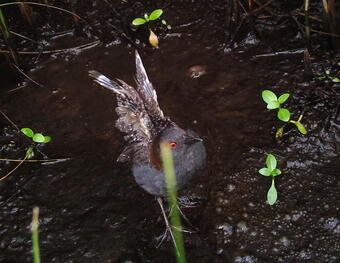
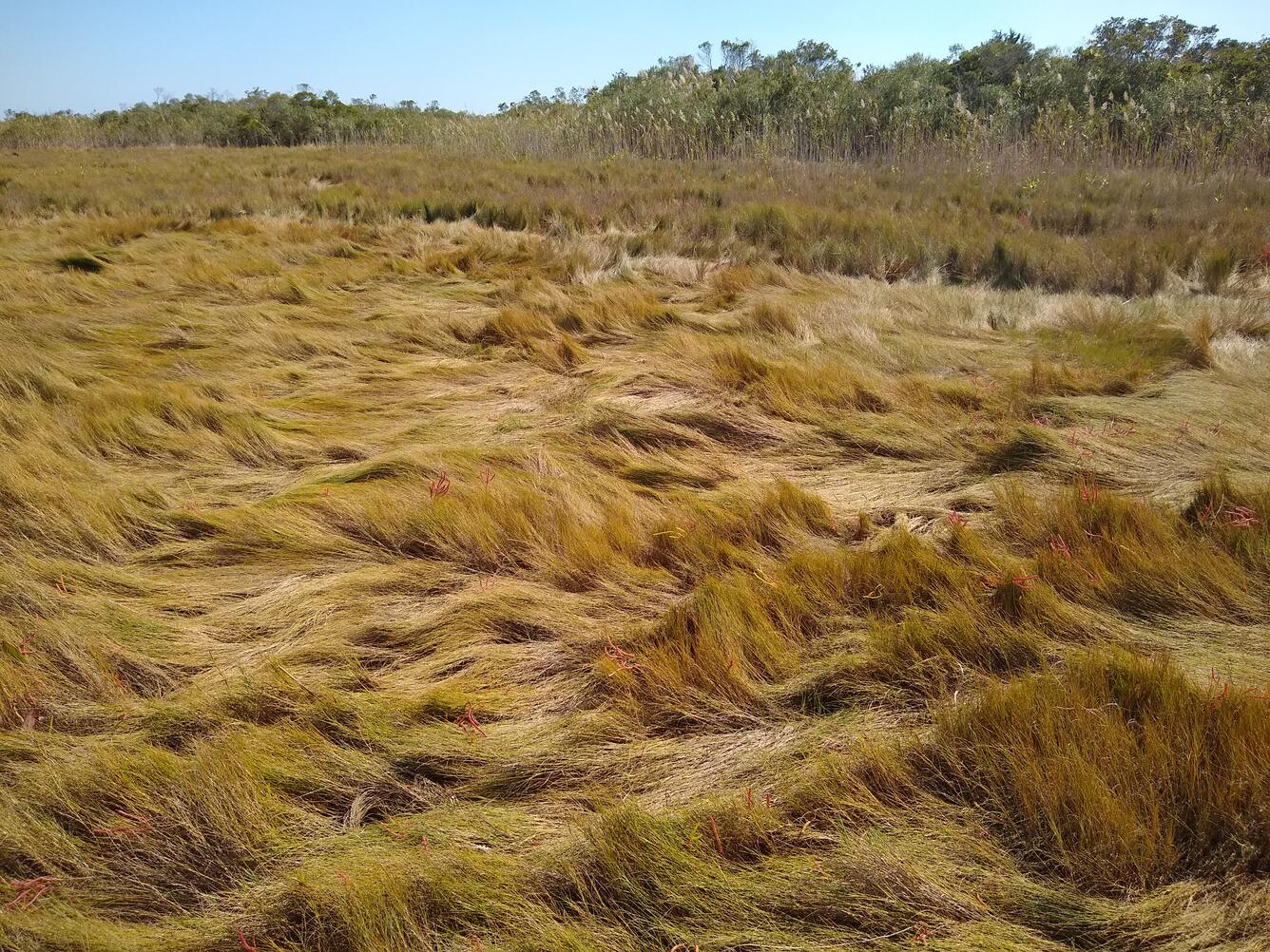
Since its inception, the CATS team has produced many data releases and publications. One publication explores how sea level rise and high tide flooding may impact the eastern black rail, a federally threatened cryptic marsh bird whose range in the United States includes the Atlantic and U.S. Gulf coasts, with some inland populations in the Great Plains. The CATS team examined regional differences in relative rates of sea level rise, days in the breeding season above historical high tide flooding thresholds, future inundation of emergent wetlands, and potential marsh resiliency for breeding distribution. They found that by 2100, all tidal gages in the Atlantic and U.S. Gulf coasts are projected to experience at least moderate flood levels for most of the current eastern black rail breeding season. There are regional differences, however, in the estimates of inundation and the risk posed by sea level rise versus tidal flooding. These analyses will hopefully aid managers in determining where to focus restoration and management activities in coastal wetland areas which may be necessary to maintain appropriate breeding habitat in the future.
Notable Webinar Series
In 2025, the Southwest and South Central CASCs collaborated on a webinar series focused on Tribal Climate Resilience. The series ran monthly from February to August and included topics such as creating vulnerability assessments and climate adaptation plans, scoping climate adaptation efforts, and highlighting tribal climate resilience success stories.
In October 2024, the National CASC partnered with the National Oceanic and Atmospheric Administration (NOAA) National Integrated Drought Information System (NIDIS) to launch a webinar series to raise awareness of ecological drought. During the series, expert speakers shared actions that strengthen ecosystem resilience and mitigate the impacts of drought. They also highlighted advancements in integrating interdisciplinary research and management needs for future drought planning and preparedness.
In summer 2025, the National CASC launched a quarterly webinar series focused on the Resist-Accept-Direct (RAD) framework and highlighted examples of RAD implementation and practical applications of RAD concepts. The first webinar, which was held in July 2025, introduced the RAD framework, and practitioners from the National Park Service, Great Lakes Indian Fish & Wildlife Commission (GLIFWC), Minnesota Department of Natural Resources, and the U.S. Fish and Wildlife Service discussed how they use the framework to inform their management planning efforts to reach management goals.