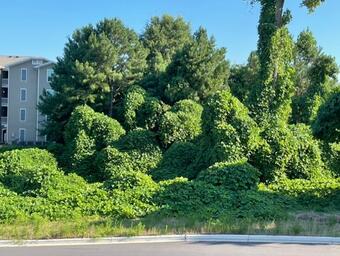
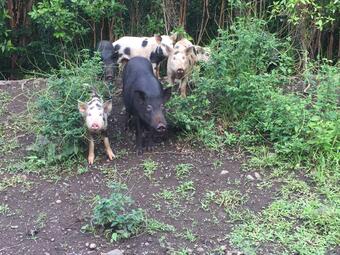
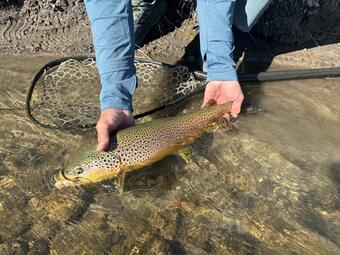
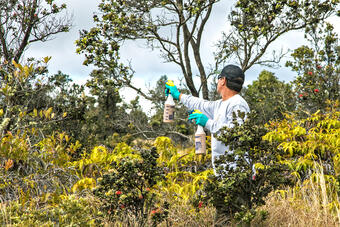
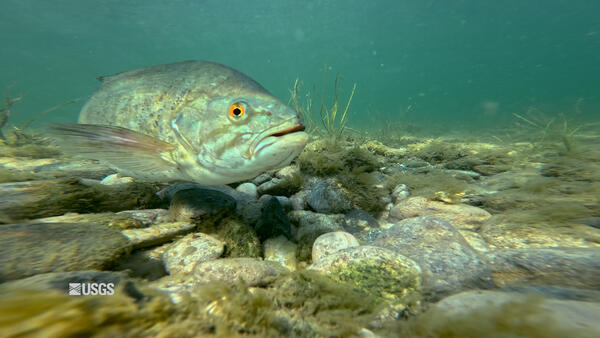
Invasive species are impacting biodiversity, degrading ecosystem function, and creating new risks to communities across the United States. At the same time, changing environmental conditions like rising temperatures, shifting seasonality, more variable precipitation, and more frequent extreme events like wildfire and floods make ecosystems more vulnerable to invasions. In some places, warmer conditions allow invaders to move to areas where they couldn’t survive before. In others, environmental changes help them grow faster or stick around longer. For example, longer growing seasons allow established invasive pests to emerge earlier in the spring and persist longer into the fall, allowing them to outcompete native species and spread further. In other places, shifting transportation routes, like new shipping routes opened by melting sea ice, make it easier for invasive species to reach areas that were previously difficult to access. Globally, human transportation is the leading driver of invasive species spread, whether through accidental stowaways on ships, planes, cars, or trucks, or through intentional introductions that later become invasive.
Between 1960 and 2020, invasive species cost the United States at least \$1.22 trillion in damages, resource losses, and management costs. Invasive species outcompete, prey upon, and displace native species, interfering with how ecosystems work and reducing the benefits that humans get from surrounding ecosystems. They fuel more frequent wildfires, disrupt how nutrients and water move through the landscape, and spread new diseases. These disruptions can weaken ecosystem stability and resilience and undermine the many ways that ecosystems support human communities. Invasive species also pose a threat to national security: Combined with the impacts of extreme weather and other global pressures, invasive species can reduce the supply of natural resources, destabilize economies, and strain agricultural, water, and food systems. They can also harm human health, driving up medical and insurance costs.
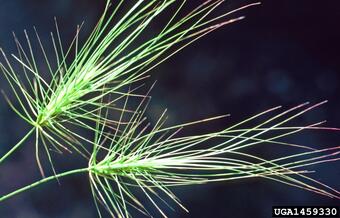
Timely management actions can reduce the environmental and economic damage caused by invasive species. However, as development and changes in climate alter when, where, and how invasives spread, some traditional management strategies are becoming less effective. For example, prescribed burns, a typically reliable approach for managing invasive grasses, are becoming harder to safely implement as fire seasons become longer, more intense, and less predictable. Even containment and quarantine strategies can fall short when invasive species spread faster than monitoring programs or regulations can – for instance, zebra mussels may spread into watersheds previously too cold to support them, where monitoring programs may not yet be in place.