



Synthesis
Synthesis
Filter Total Items: 158

Developing a Tribal Resilience Action Database for the Columbia River Basin Tribes
Many tribes are leaders in climate adaptation efforts, using intricate knowledge of their lands to develop and implement sophisticated adaptation strategies combatting a wide variety of climate impacts. In this tradition, Columbia Basin tribes, in partnership with three intertribal consortia, have created an internal database listing tribal resources and strategies to address different...

Developing an Indicator of Species Vulnerability to Climate Change to Support a Consistent Nationwide Approach to Assessing Vulnerability
Scientists and resource managers are in need of a better understanding of the status and trends of wildlife species and the vulnerability of these species to climate change. Effective prioritization of species and habitats for climate adaptation, endangered species management, and recreational and cultural hunting and fishing will require development, testing, and application of...

Identifying Vulnerable Ecosystems and Supporting Climate-Smart Strategies to Address Invasive Species Under Climate Change
Invasive species establish outside of their native range, spread, and negatively impact ecosystems and economies. As temperatures rise, many invasive plants can spread into regions that were previously too cold for their survival. For example, kudzu, ‘the vine that ate the south’, was previously limited to mid-Atlantic states, but has recently started spreading in New Jersey and is...

Synthesizing Management Outcomes and Information on Climate Change Impacts on Surface Water Flows in the Rio Grande Basin (Phase 1)
Stretching almost 1,900 miles from Colorado to the Gulf of America, The Rio Grande supplies drinking water for more than 6 million people and irrigation for about 2 million acres of cropland. In addition to the ecosystem services it provides, the river supports habitat for many native species, such as trout, and the endangered silvery minnow and southwestern willow flycatcher. In 2010, a...

The State of Climate Adaptation Science for Ecosystems in the Northwestern U.S.
Managing species and habitat in a changing climate requires locally specific information about expected changes in the physical environment, key stressors and related ecological changes. Federal investments have supported the development of a significant scientific knowledge base detailing potential future conditions for many Northwest ecosystem types and geographies. Yet scientists...

Understanding how biodiversity affects ecosystem functioning in cities
The proportion of people living in urban areas is growing globally. Understanding how to manage urban biodiversity, ecosystem functions, and ecosystem services is becoming more important. Biodiversity can increase ecosystem functioning in non-urban systems. However, few studies have reviewed the relationship between biodiversity and ecosystem functioning in urban areas, which differ in...

A Climate Risk Management Screening and Assessment Review for Madagascar’s Country Development Cooperation Strategy
Madagascar, a country rich in natural capital and biodiversity but with high levels of poverty, food insecurity, and population growth, faces a number of development challenges, including obtaining sustained financial support from external sources and building internal capacity to address the poor environmental, health, and socio-economic conditions. Climate change poses an increasing...

Assessing State Fish and Wildlife Climate Adaptation Science Needs and Effectiveness
Fish and wildlife provide many important ecosystem and cultural services that support people, communities, and economies across the nation. Many observed changes in the global climate are already impacting the nation’s valuable natural resources. These impacts are expected to increase with continued changes in the climate system, putting our nation’s fish and wildlife at risk. State fish...
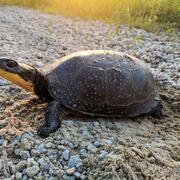
Characterizing Climate Change Impacts on Species Ecology to Support Species Status Assessments
Species Status Assessments provide vital information to US Fish and Wildlife for improving considerations for climate change impacts. In the constrained timeline of species listing decisions, it is not always feasible to conduct lengthy quantitative analyses so there is a need for better resources to provide input for rapid decision-making. In this project, the team will work with...

Developing Strategies for Stakeholder Engagement and Climate Extension Services in the CASC Network: A Case Study in the Northeast CASC
Actionable science and stakeholder engagement are essential pillars in the science agenda of the nine regional USGS Climate Adaptation Science Centers (CASCs) and their national headquarters. Collaboration with and product delivery to the Department of the Interior and other resource agencies have been central to the Centers’ mission. The effective engagement of stakeholders in defining...

Evaluating Ecosystem-Based Adaptation Options for Coastal Resilience
The fast pace of change in coastal zones, the trillions of dollars of investment in human communities in coastal areas, and the myriad of ecosystem services natural coastal environments provide makes managing climate-related risks along coasts a massive challenge for all of the U.S. coastal states and territories. Answering questions about both the costs and the benefits of alternative...
Freshwater Biodiversity with Global Change
Freshwater ecosystems support the health and well-being of human life and society through a myriad of services. Intact freshwater biodiversity maintains the health of freshwater ecosystems and the benefits they provide. However, staggering rates of freshwater biodiversity loss and declining ecological function of freshwater ecosystems threaten these natural benefits and human life. This...